
Polyrhachis punctillata
- Sci. Name
- Polyrhachis punctillata
- Subgenus
- Myrma
- Tribe
- Camponotini
- Subfamily
- Formicinae
- Author
- Roger, 1863
- Distribution
- Found in 2 countries
Introduction
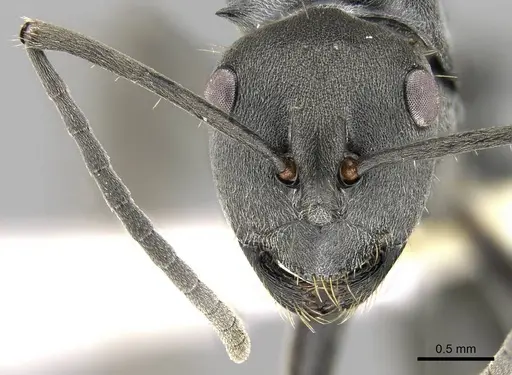
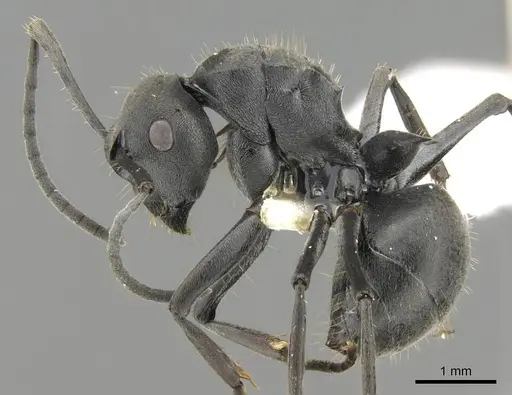
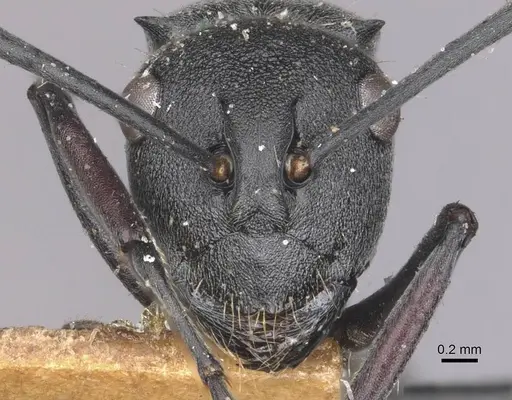
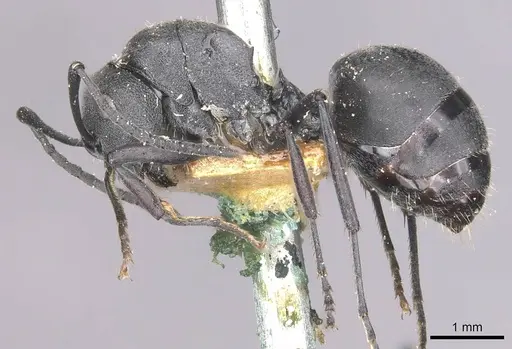
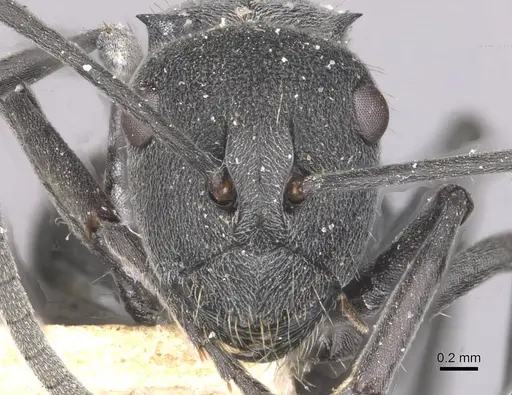
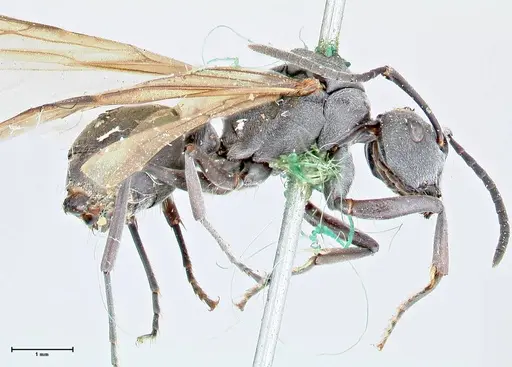
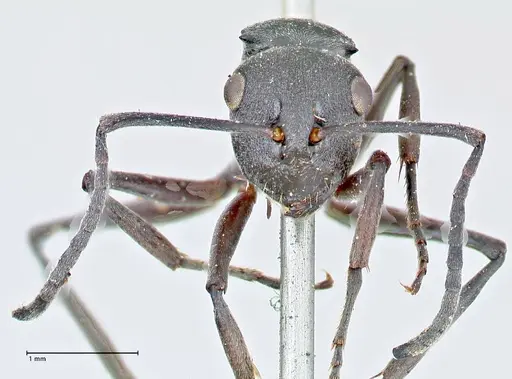
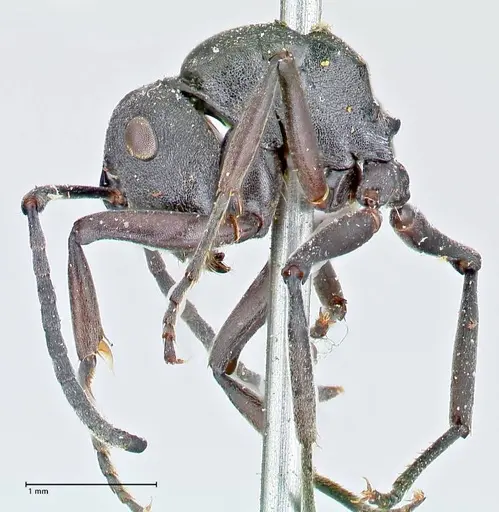
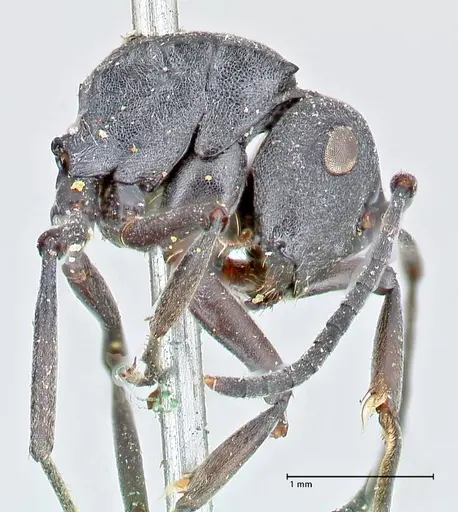
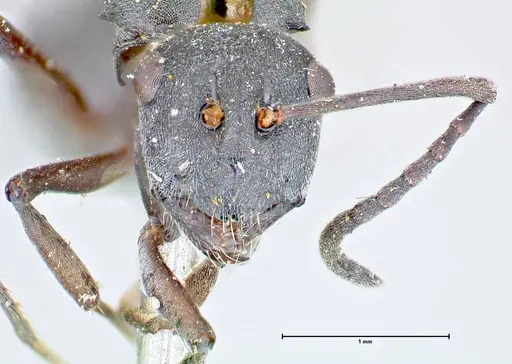
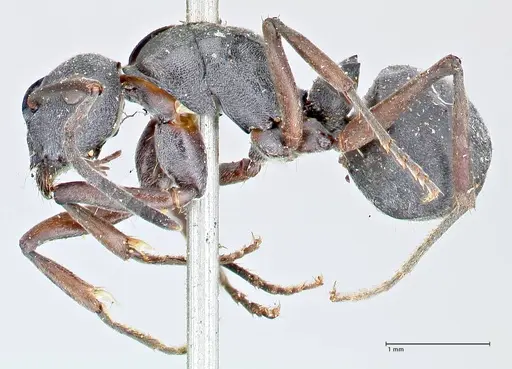
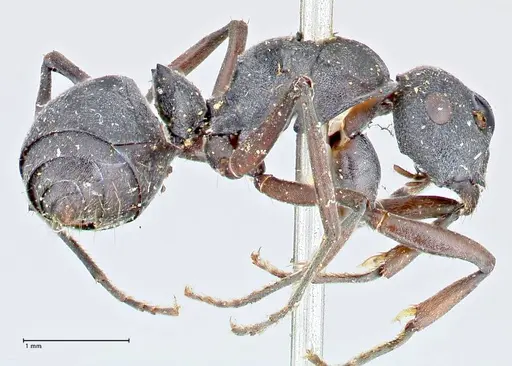
Polyrhachis punctillata is a spiny ant from South and Southeast Asia. Workers are black,5-6 mm, with a roughened body and fine, silky pubescence . They have distinctive spines on the thorax and petiole – a classic Polyrhachis feature. Their range covers India, Sri Lanka, Nepal, Bhutan, Myanmar, and southern China, living in varied habitats from dry lowlands to moist forests and agricultural areas up to around 1400 m elevation . They belong to the Camponotini tribe and are classified as a subordinate species, meaning they tend to avoid conflict rather than dominate .
Quick Summary
- Difficulty: Medium
- Origin & Habitat: Native to the Indomalaya and Palaearctic regions – recorded from India (Gujarat, Karnataka, Kerala, Manipur, Meghalaya, Tamil Nadu, West Bengal), Sri Lanka (wet, dry, and intermediate zones), Nepal, Bhutan, Myanmar, and China (Yunnan, Sichuan, Guangxi, Hainan) [1][2][3][4][5]. They have been collected in coconut plantations, agricultural land, and forested areas up to 1400 m elevation [7][4][6].
- Colony Type: Colony structure is not documented. Based on common Polyrhachis patterns, they likely form single-queen (monogyne) colonies, but this is inferred and not confirmed.
- Size & Growth:
- Queen: Size data unavailable – no measurements found in literature.
- Worker: 5-6 mm [1]
- Colony: Unconfirmed – estimated up to several hundred workers based on genus patterns.
- Growth: Unknown – no data available for this species.
- Development: Estimated 6-10 weeks based on related Formicinae (e.g., Camponotus) patterns – direct studies are lacking. (Development depends on temperature, warmer conditions (around 24-26 °C) likely speed it up.)
- Antkeeping:
- Temperature: No precise data. They occur from tropical lowlands to 1400 m elevation [6][4], so they likely tolerate a range of roughly 20-28 °C. Offer a temperature gradient so the ants can choose their comfort zone.
- Humidity: No specific data, but they are recorded from both wet and dry zones [3]. Provide moderate humidity – keep the nest substrate slightly moist but not waterlogged, and keep the outworld drier.
- Diapause: Unknown. Their presence in temperate China [5] suggests a winter rest may be beneficial, but it’s not confirmed. If kept in a temperate climate, consider a cool period around 10-15 °C for 2-3 months during winter, but watch for signs of stress.
- Nesting: In the wild they nest under stones, in soil, and in rotting wood. In captivity, use a Y-tong (AAC) or plaster nest with chambers scaled for their 5-6 mm workers. Provide a ground-nesting setup rather than an arboreal one.
- Behavior: Calm and non-aggressive – they are a subordinate Camponotini species [6]. Workers forage on the ground and readily take honey baits [7]. They are not known to sting, like other Formicinae, they spray formic acid if threatened. Their small size (5-6mm) means they can squeeze through tiny gaps – secure all connections and use tight-fitting lids to prevent escapes.
- Common Issues: limited documentation means you must adjust care based on your colony's behavior – be flexible, small workers can escape through gaps – seal all tubes and nest connections carefully, founding behavior is unconfirmed – if you have a queen, leave her undisturbed in a dark space for the first two months, wild-caught colonies may carry mites or parasites – quarantine new arrivals for a few weeks, diapause needs are unknown – if activity drops in winter, provide a cool period, but if they remain active you can skip it
Housing and Nest Setup
Polyrhachis punctillata is ground-nesting, so avoid tree-nest setups. A Y-tong (AAC) or plaster nest with chambers sized for 5–6 mm workers works well. The nest should have a gradient of moisture – one damp corner and a drier area. Connect it to an outworld where you’ll feed them. Because workers are small, ensure all tubes and lids fit tightly – they can slip through a 1 mm gap. Use fluon or oil barriers on the outworld walls as extra security. [1]
Feeding and Diet
Like most Formicinae, their diet is omnivorous. They accept honey or sugar water as a carbohydrate source – honey baits worked well in field studies [7]. For protein, offer small insects like fruit flies, pinhead crickets, or pieces of mealworm. Feed protein 2–3 times per week and keep sugar available always. Remove uneaten prey after 24 hours to prevent mold. They may also tend aphids if given the chance. [7]
Temperature and Seasonal Care
Since they occur from hot lowlands to 1400 m in the Himalayas [6][4], they can handle a range. In captivity, aim for 22–26 °C, but they likely tolerate 20–28 °C without issue. Use a heat mat on one side of the nest to create a gradient. Diapause is uncertain – they are found in temperate China [5], so a 2–3 month winter rest at 10–15 °C may be helpful if your colony slows down in winter, but it’s not mandatory. Watch their behavior and adjust. [6][4][5]
Colony Founding and Growth
Founding method is unconfirmed. If you have a queen, assume she needs a quiet, dark, and undisturbed founding chamber. Based on related Formicinae, the first workers may emerge after 6–10 weeks in warm conditions. Do not check on her during this time – the stress can kill her. Once nanitics appear, offer small amounts of sugar water and tiny protein (e.g., fruit fly legs) every few days. Colony growth rate is unknown, but with steady feeding you may reach dozens of workers in the first year.
Behavior and Temperament
These ants are calm and non-confrontational – they are classified as a subordinate Camponotini species [6]. Workers forage on the ground and low vegetation. They react to threats by spraying formic acid (like other Formicinae) rather than stinging. They are not aggressive towards humans and rarely bite unless handled roughly. Their small size and quick movements make them fun to watch, but they do need secure housing. [6][7]
Frequently Asked Questions
How long until Polyrhachis punctillata gets its first workers?
There are no direct studies. Based on related Formicinae, expect 6–10 weeks from egg to worker if kept warm (24–26 °C). Cooler temperatures will slow development.
What do Polyrhachis punctillata eat?
Omnivorous. Offer sugar water or honey regularly, plus small insects like fruit flies or pinhead crickets 2–3 times a week. They readily accept honey baits [7].
What temperature do Polyrhachis punctillata need?
Aim for 22–26 °C, but they likely tolerate 20–28 °C given their wide elevation range [6][4]. Provide a temperature gradient so they can self-regulate.
Are Polyrhachis punctillata good for beginners?
They are medium difficulty. They are calm and attractive, but limited documentation means you have to observe and adapt. Not ideal for absolute beginners, but fine for intermediate keepers who want a robust Polyrhachis species.
How big do colonies of Polyrhachis punctillata get?
Colony size is unconfirmed. Based on related Polyrhachis, they likely reach several hundred workers under good conditions. Workers are only 5–6 mm, so even a few hundred makes a modest colony.
Do Polyrhachis punctillata need hibernation?
Uncertain. The species occurs in temperate China [5], suggesting a winter rest may be natural, but it’s not mandatory in captivity. If your colony slows down in winter, provide a 2–3 month cool period at 10–15 °C. If they remain active, you can skip it.
Can I keep multiple queens together?
No data. Based on typical Polyrhachis patterns, they are likely monogyne (single queen). Do not combine unrelated queens without evidence of tolerance.
What size nest do I need?
Use a nest with chambers scaled for 5–6 mm workers – not too large, but with enough space for a growing colony. A Y-tong or plaster nest with small chambers is fine. Start with a small founding cell and expand as the colony grows.
Where is Polyrhachis punctillata found in the wild?
India, Sri Lanka, Nepal, Bhutan, Myanmar, and southern China (Yunnan, Sichuan, Guangxi, Hainan). They live in a wide range of habitats from lowland farms to forests at 1400 m elevation [1][2][3][4][5].
Report an Issue
The current care sheet is based fully on literature. See inconsistencies, or something that's incorrect? Please , it will be resolved after review from an admin. Contributing to the blogs tab also helps providing information, to make us be able to further improve the caresheets. Thank you for your support!
References

This caresheet is licensed under CC BY-SA 4.0 .
Community Blogs
CASENT0906797
View on AntWeb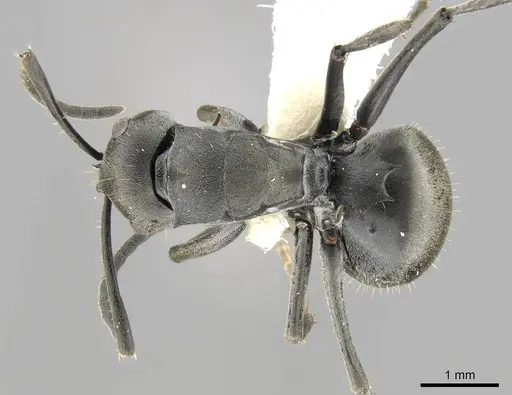
CASENT0910935
View on AntWeb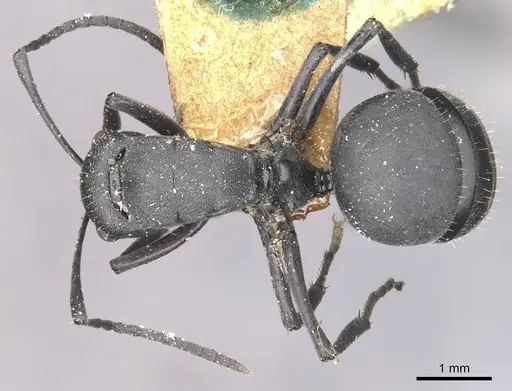
CASENT0910936
View on AntWeb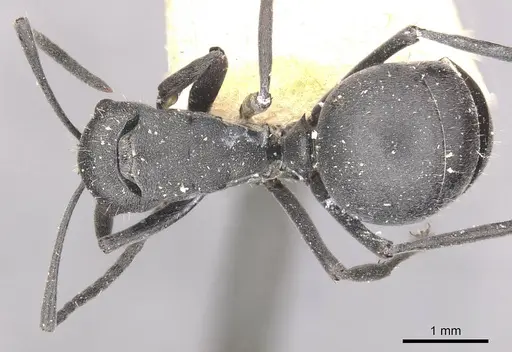
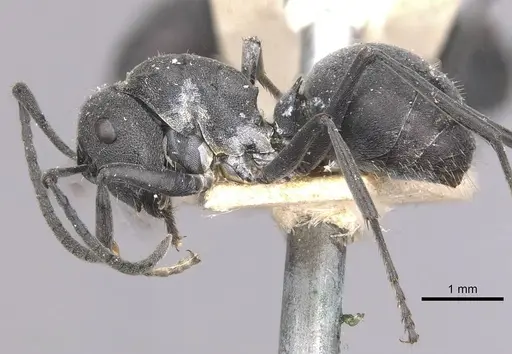
FOCOL2620
View on AntWeb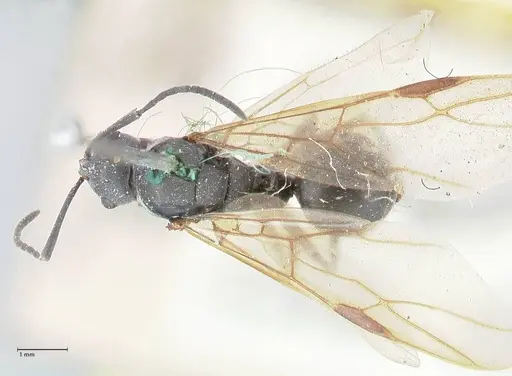
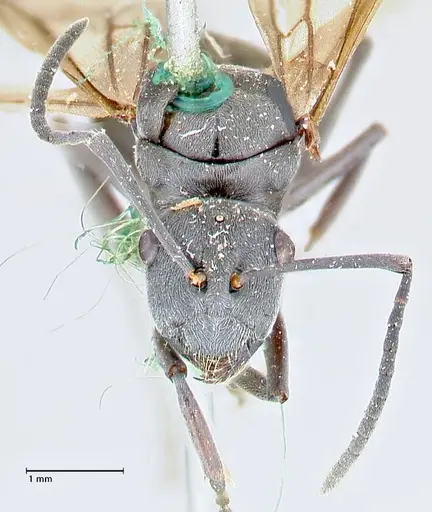
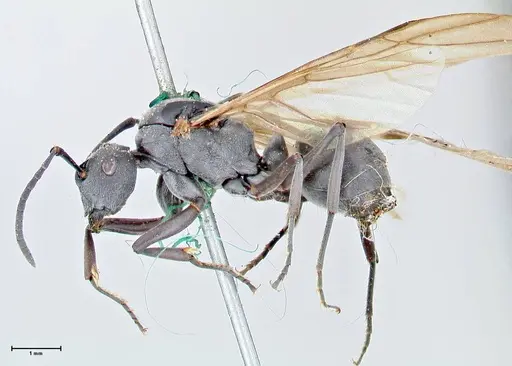
FOCOL2621
View on AntWeb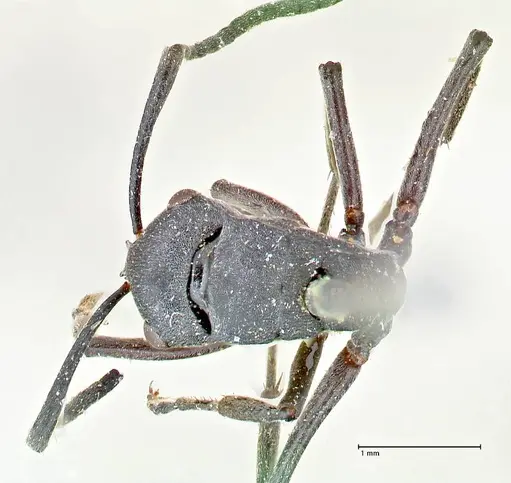
FOCOL2622
View on AntWeb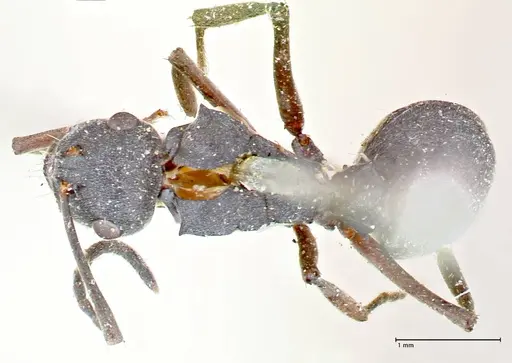
Literature
Loading distribution map...Loading products...