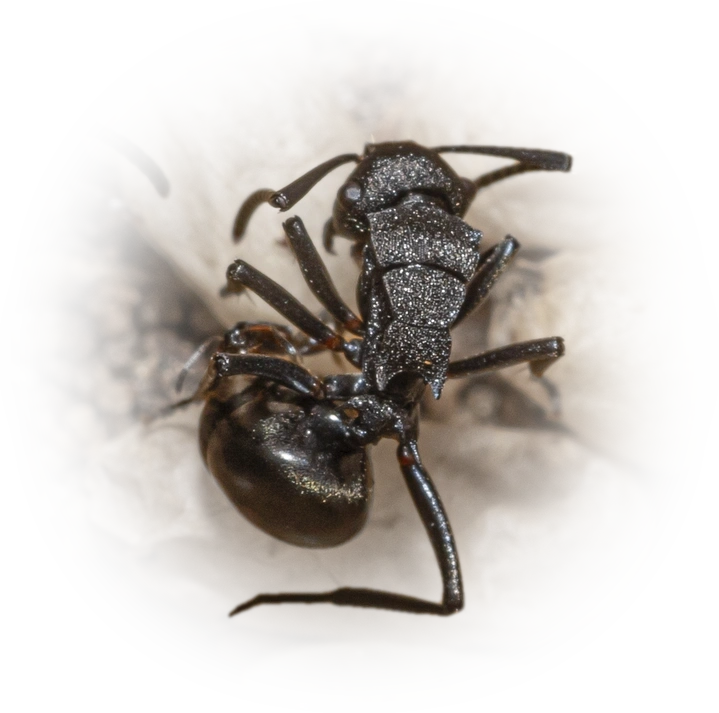
Polyrhachis phryne
- Sci. Name
- Polyrhachis phryne
- Subgenus
- Campomyrma
- Tribe
- Camponotini
- Subfamily
- Formicinae
- Author
- Forel, 1907
- Distribution
- Found in 1 countries
Introduction
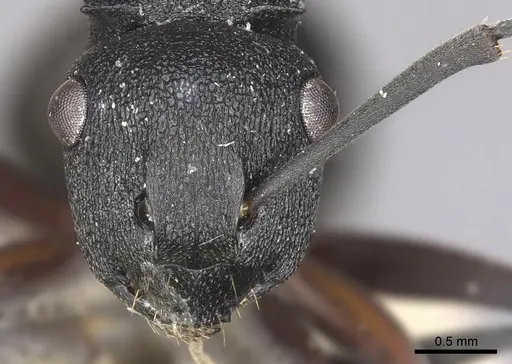
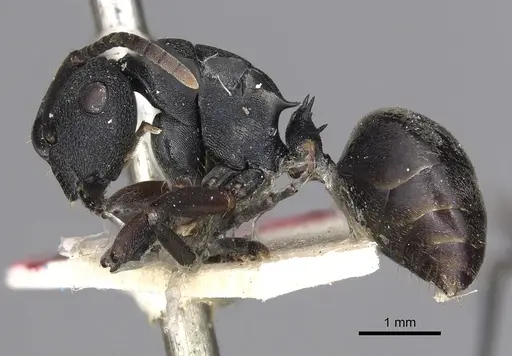
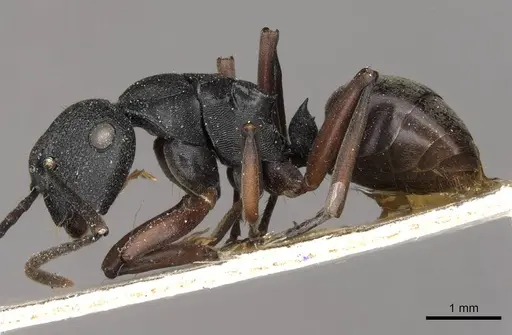
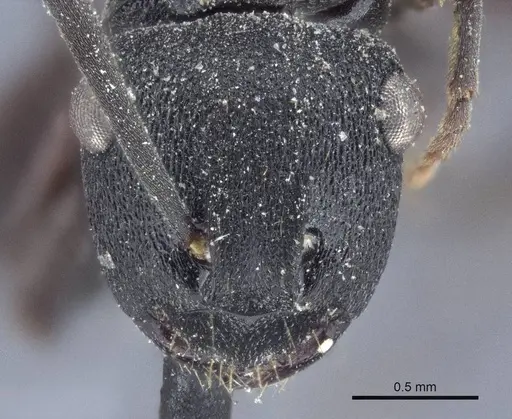
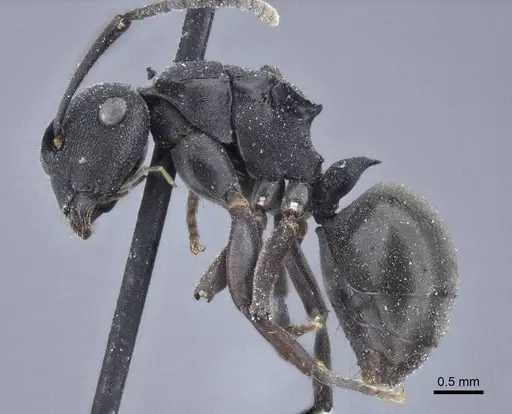
Polyrhachis phryne is a medium-sized Australian ant in the subgenus Campomyrma. Like other Polyrhachis, workers have spiny bodies, but no exact measurements are available for this species. It is one of the most widespread ants in Australia, found in all states except the Northern Territory and Tasmania . They nest underground (subterranean) and wrap their pupae in silk cocoons . A colony was once found under a stone on Rottnest Island, Western Australia .
Quick Summary
- Difficulty: Medium
- Origin & Habitat: Australia – widespread across all states except NT and Tasmania, in diverse habitats like eucalypt forests, semi-arid Mallee, and open woodland [1][5]. Often nests under stones or in soil [4].
- Colony Type: Colony structure is unconfirmed – no data on queen number or ergatoid workers.
- Size & Growth:
- Queen: Size data unavailable
- Worker: Size data unavailable
- Colony: Unknown – other Polyrhachis reach several hundred workers, but no specific data for this species
- Growth: Unknown
- Development: Unknown – species-specific data not available (Development time has not been studied for Polyrhachis phryne)
- Antkeeping:
- Temperature: Warm conditions typical of southern Australia. Specific needs unknown, maintain 22-28°C as a starting range and provide a gradient.
- Humidity: Moderate – keep nest substrate slightly moist but not waterlogged. Allow partial drying between waterings.
- Diapause: Unknown – if kept in a temperate climate, a 2-3 month cool period (around 15-18°C) is often used for related Polyrhachis, but there is no confirmed requirement.
- Nesting: Subterranean – they dig underground chambers [2][3]. Use a Y-tong (AAC), plaster, or soil nest with enough depth for expansion. Ensure good ventilation to prevent mold.
- Behavior: Peaceful and non‑aggressive – they belong to the Subordinate Camponotini functional group, meaning they avoid conflict [5]. They defend themselves by spraying formic acid (they have no sting), which can irritate skin. Escape risk is moderate – they are medium-sized ants but can squeeze through small gaps.
- Common Issues: overwatering can cause mold in the nest – let substrate dry between waterings., escape prevention is important – check all connections and lids regularly., defense spray may irritate skin or eyes – handle with care., wild‑caught colonies may carry parasites – quarantine new acquisitions., limited species‑specific data means you may need to adjust care through trial and error.
Housing and Nest Setup
Polyrhachis phryne is a subterranean nester – they dig underground chambers in the wild [2][3]. In a formicarium, provide a substrate they can dig in, such as a Y-tong (AAC) block, plaster nest, or a deep soil setup. Because they come from a range of Australian climates, keep humidity moderate: the substrate should be slightly moist but not wet. A dry area in the nest lets workers choose their own conditions. Connect the nest to an outworld for foraging, and make sure all connections are escape‑proof. Check seals regularly, since even small gaps can be exploited.
Feeding and Diet
Like most Polyrhachis, Polyrhachis phryne is omnivorous and opportunistic. Offer protein a few times a week (small insects like fruit flies, pinhead crickets, or mealworms) and keep a sugar source always available (sugar water, honey, or diluted honey). In the wild they likely collect honeydew from sap‑sucking insects and scavenge dead arthropods. Remove uneaten protein after 24 hours to prevent mold. There is no species‑specific dietary research, so watch your colony and adjust portions.
Temperature and Seasonal Care
There are no published temperature requirements for Polyrhachis phryne. Being from temperate to subtropical Australia, room temperature (20-25°C) is likely acceptable, but providing a warmer spot (up to 28°C) via a heat mat on one side of the nest will allow workers to thermoregulate. Avoid prolonged temperatures below 15°C. A winter diapause may not be essential, but if your colony slows down in winter, you can reduce temperature to around 15-18°C for 2-3 months, then gradually warm them up again. There is no research confirming this requirement, so observe your colony's behavior.
Behavior and Colony Dynamics
Polyrhachis phryne belongs to the Subordinate Camponotini functional group, meaning they are generally peaceful and avoid confrontation with more aggressive ants [5]. Workers forage actively on the ground and in low vegetation. Their main defense is spraying formic acid (they lack a sting), which can irritate your skin – handle the outworld gently. Cocoons are spun around pupae [2][3], so you'll see white silk bundles before new workers emerge. Colony dynamics beyond this are unknown, research has not studied their social structure.
Growth and Development
Colony growth rate and development time are not documented for Polyrhachis phryne. Based on general Polyrhachis biology, development likely takes several weeks, but no specific timeline can be given. Expect the colony to expand slowly at first, then faster as worker numbers increase. A mature colony size is unknown, but related Polyrhachis reach at least several hundred workers. Be patient with small colonies, they need stable conditions and regular feeding.
Frequently Asked Questions
How long does it take for Polyrhachis phryne to produce first workers?
This has not been studied. Based on other Polyrhachis it probably takes several weeks, but there is no confirmed timeline for this species.
What do Polyrhachis phryne ants eat?
They are omnivorous. Offer protein (small insects like fruit flies or mealworms) a few times per week and keep sugar water or honey always available. They also collect honeydew in the wild.
What temperature do Polyrhachis phryne ants need?
Specific requirements are unknown. A range of 22-28°C with a warm spot works well for most Australian Polyrhachis. Avoid temperatures below 15°C for long periods.
Do Polyrhachis phryne ants need hibernation?
There is no research confirming diapause for this species. If you are in a climate with cold winters, you can try a 2-3 month cool period at 15-18°C, but it may not be necessary if the colony stays active at room temperature.
How big do Polyrhachis phryne colonies get?
Colony size is not documented. Related Polyrhachis often reach several hundred workers, but this species might be smaller or larger. No data is available.
What type of nest is best for Polyrhachis phryne?
A Y-tong (AAC) or plaster nest works well, as they are subterranean [2][3]. Provide deep chambers for expansion, and keep the substrate moderately damp but not wet.
Is Polyrhachis phryne good for beginners?
They are intermediate difficulty. They are peaceful and not demanding, but the lack of species-specific data means you may need to experiment with care. Suited for keepers with some experience.
Can I keep multiple queens together?
It is unknown whether Polyrhachis phryne is monogyne or polygyne. There is no evidence that unrelated queens can coexist. Do not attempt to combine queens unless you have confirmation of polygyny.
Why is my Polyrhachis phryne colony declining?
Common causes are temperatures too low, overwatering (leading to mold), or insufficient protein. Check your setup: ensure a warm spot, let the nest dry between waterings, and offer a varied diet.
Report an Issue
The current care sheet is based fully on literature. See inconsistencies, or something that's incorrect? Please , it will be resolved after review from an admin. Contributing to the blogs tab also helps providing information, to make us be able to further improve the caresheets. Thank you for your support!
References

This caresheet is licensed under CC BY-SA 4.0 .
Community Blogs
CASENT0901972
View on AntWeb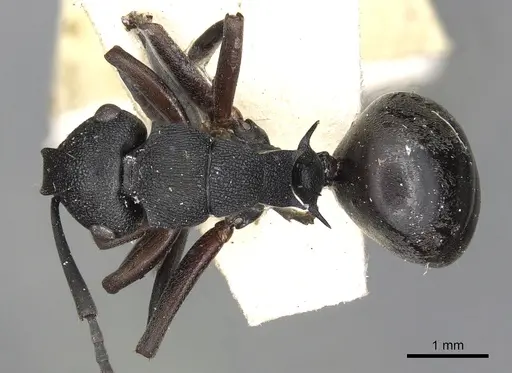
CASENT0903305
View on AntWeb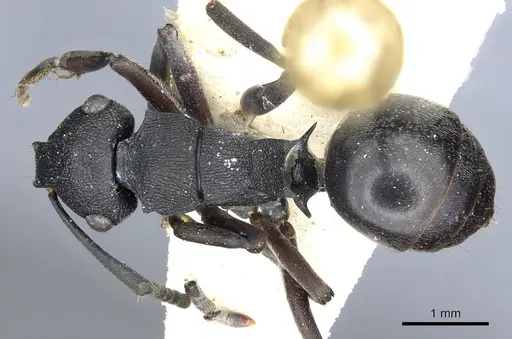
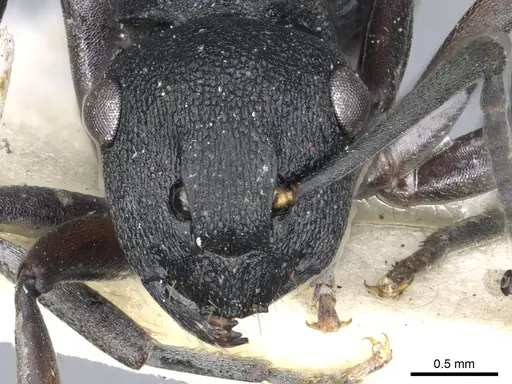
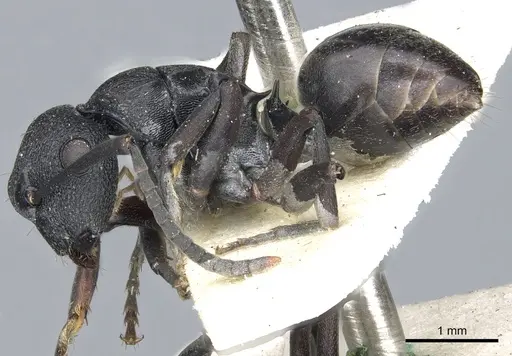
CASENT0906565
View on AntWeb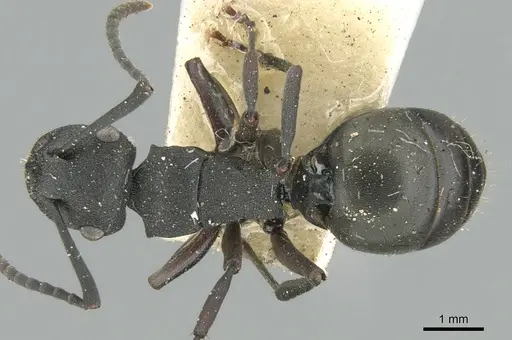
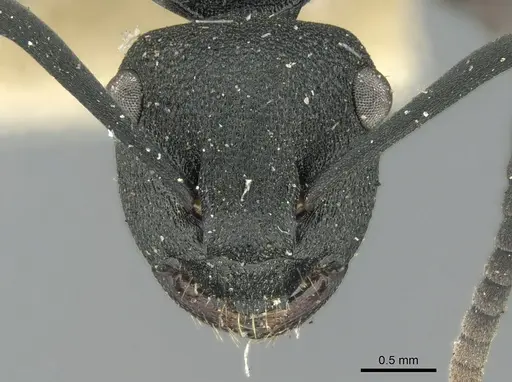
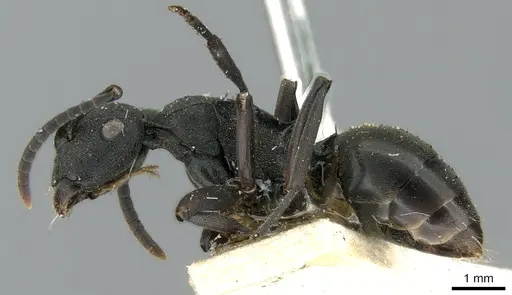
CASENT0910777
View on AntWeb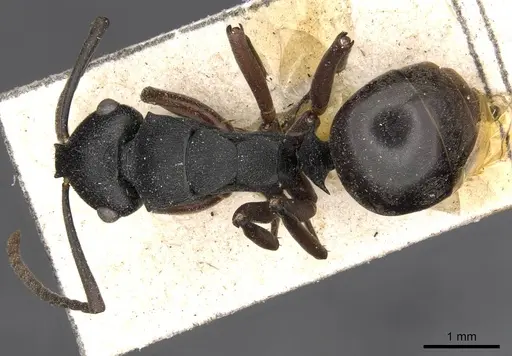
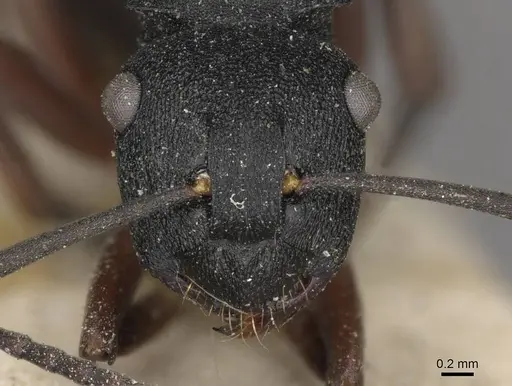
CASENT0916644
View on AntWeb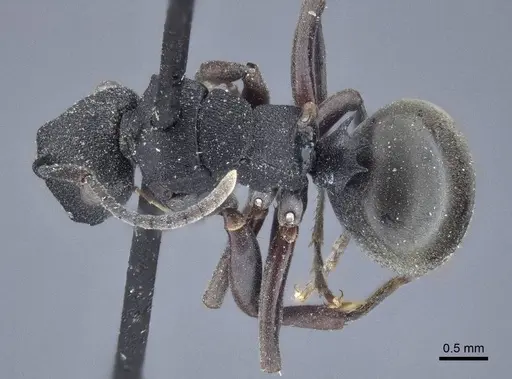
Literature
Loading distribution map...Loading products...