
Polyrhachis patiens
- Sci. Name
- Polyrhachis patiens
- Subgenus
- Campomyrma
- Tribe
- Camponotini
- Subfamily
- Formicinae
- Author
- Santschi, 1920
- Distribution
- Found in 1 countries
Introduction
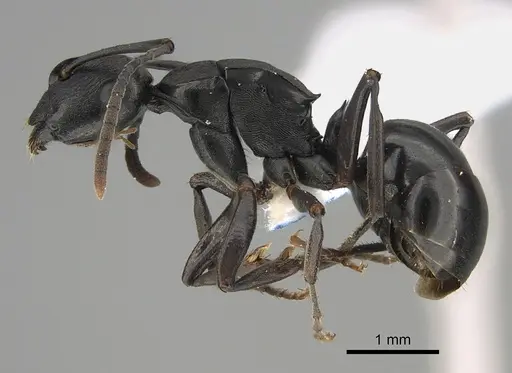
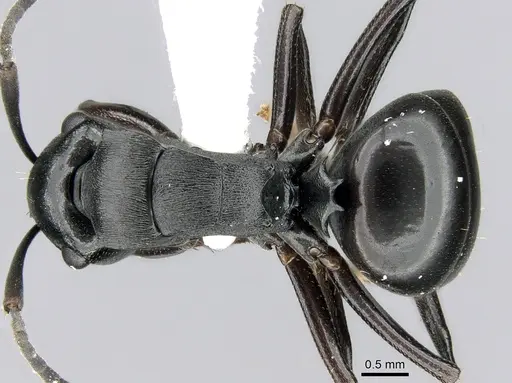
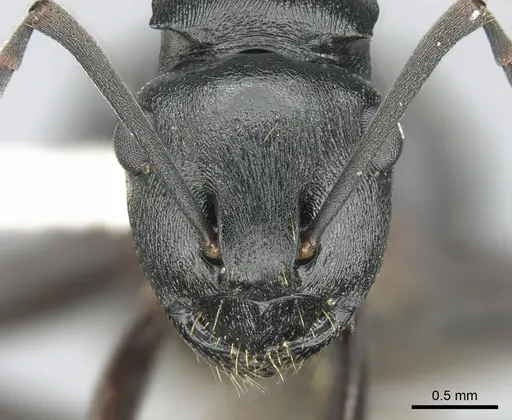
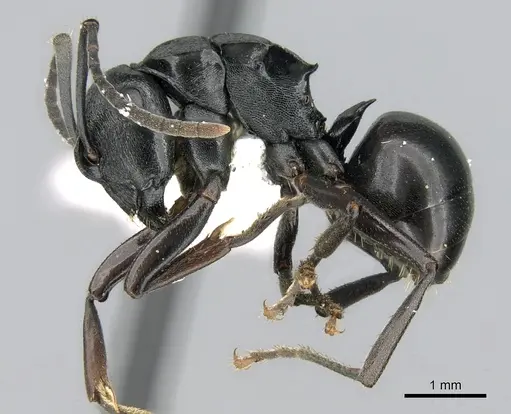
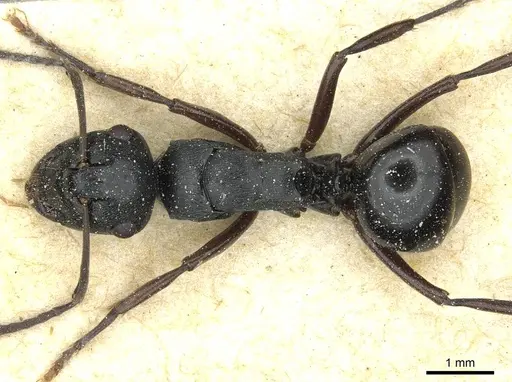
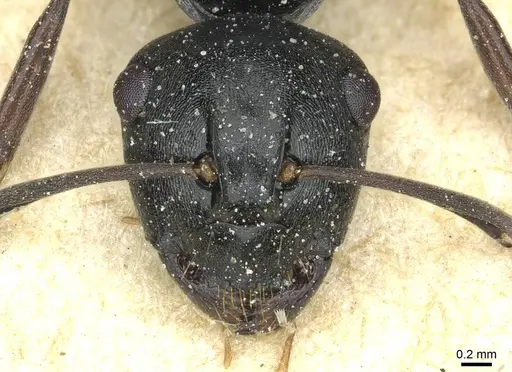
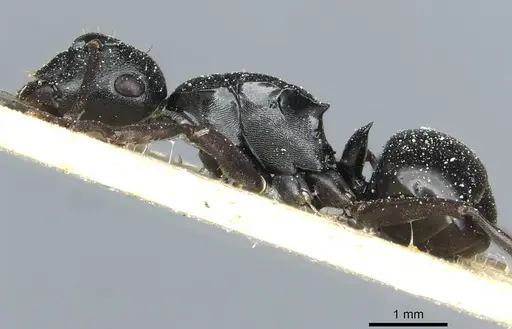
Polyrhachis patiens is a medium-sized ant native to Australia, specifically documented in Tasmania (Old Chum Dam area, north-eastern Tasmania) and surrounding regions . Workers have a distinctive petiolar node with a single, long medial spine - a key identification feature . They belong to the subgenus Campomyrma . Like other Formicinae, they lack a functional sting and instead bite and spray formic acid as their primary defense.
Quick Summary
- Difficulty: Medium
- Origin & Habitat: Australia, specifically documented in Tasmania (Old Chum Dam area, north-eastern Tasmania) in sclerophyll forest communities [1]. They are subterranean nesters [3].
- Colony Type: Colony structure is unconfirmed. Polyrhachis species typically form single-queen colonies, though some can be polygynous. Further research is needed for this specific species.
- Size & Growth:
- Queen: Inferred from Polyrhachis genus (~8-10 mm), no direct measurements available
- Worker: Inferred from Polyrhachis genus (~5-7 mm), no direct measurements available
- Colony: Estimated up to several hundred workers based on typical Polyrhachis growth
- Growth: Moderate
- Development: Estimated 6-10 weeks based on related Formicinae species at optimal temperature (Development time inferred from genus-level data, they have cocooned pupae which may slightly extend development compared to naked pupae species)
- Antkeeping:
- Temperature: Keep at 20-26°C. Based on their Tasmanian distribution, they prefer moderate temperatures, avoid overheating above 28°C. A gentle temperature gradient allows them to regulate [1].
- Humidity: Keep the nest substrate consistently moist but not waterlogged. Subterranean nesting species need high moisture levels. Allow some drying between water additions but never let it fully dry out [3].
- Diapause: Yes, Tasmania experiences cold winters. Provide a hibernation period at 10-15°C for 2-3 months during winter months (November-February in the northern hemisphere).
- Nesting: Subterranean nesters that use silk to line their chambers [3]. In captivity, a Y-tong (AAC) or plaster nest with good moisture retention works well. Provide deep substrate (at least 2-3 cm) for tunneling. They prefer dark, secure spaces.
- Behavior: Polyrhachis patiens is generally calm and not overly aggressive. They are medium-sized ants that defend by biting and spraying formic acid, they do not have a functional sting. Workers are active foragers but not particularly fast-moving. Escape prevention should be standard (fluon or oil barriers), they are not extreme escape artists. Their subterranean lifestyle means they spend more time underground than some arboreal Polyrhachis species.
- Common Issues: colonies often fail if substrate dries out completely, subterranean species need consistent moisture, hibernation is essential for this temperate species, skipping winter rest can weaken colonies over time, cocooned pupae require higher humidity than naked pupae, too dry causes desiccation, overwatering can flood nest chambers, maintain moisture without waterlogging, heating too aggressively can be fatal, they prefer moderate temperatures matching their Tasmanian habitat
Nest Preferences and Housing
Polyrhachis patiens is a subterranean nester that naturally excavates chambers underground, using silk to line and stabilize their nest structures [3]. In captivity, you should provide a nest with deep, moist substrate, at least 2-3 cm of material for tunneling. Y-tong nests or plaster nests work well because they retain moisture effectively while providing the dark, secure environment these ants prefer. Avoid dry, airy setups, these ants thrive when they can stay hidden in humid chambers. The presence of cocoons (pupal cocoons) means you should pay extra attention to humidity, too dry and the pupae will desiccate. A water reservoir or regular misting to maintain substrate moisture is essential.
Feeding and Diet
As with most Polyrhachis species, these ants are omnivorous. They likely forage for nectar, honeydew, and small insects in the wild. In captivity, offer a varied diet: sugar water or honey should be available at all times, supplemented with protein sources like mealworms, small crickets, or other insects. Feed protein 2-3 times per week, removing any uneaten prey after 24 hours. Polyrhachis are not aggressive predators but will readily accept dead insects. Avoid overfeeding, excess food mold can be deadly in humid nest setups. Fresh water should always be accessible.
Temperature and Seasonal Care
Given their distribution in Tasmania, Polyrhachis patiens is adapted to temperate conditions. Keep the nest at 20-26°C, with room temperature (around 22°C) being ideal. Avoid temperatures above 28°C, they are not heat-tolerant and can overheat quickly [1]. During winter (roughly November-February in the northern hemisphere), provide a hibernation period at 10-15°C. This rest period is important for colony health and mimics their natural seasonal cycle. Do not hibernate colonies that are too small (fewer than 20 workers), keep them active through winter instead. A heating cable on one side of the nest can create a gentle gradient, but ensure there's a cool area they can retreat to if needed.
Behavior and Handling
Polyrhachis patiens has a calm temperament compared to many ant species. Workers are not particularly aggressive and will typically investigate rather than attack. However, they can bite and spray formic acid (as is typical for Formicinae) if the colony feels directly threatened. They do not have a functional sting. They are not fast-moving escape artists, but standard escape prevention (fluon barriers, tight-fitting lids) should still be used. These ants are subterranean by nature, so they spend most of their time within the nest structure. Workers will emerge to forage when food is offered, but they don't typically patrol aggressively outside the nest. Their distinctive spiny petiolar node makes them relatively easy to identify among Australian ants [2].
Reproduction and Growth
Polyrhachis patiens produces cocooned pupae, which is important to note for care [3]. Cocoons require higher humidity and more careful handling than naked pupae. The development from egg to worker likely takes 6-10 weeks at optimal temperature, similar to other Formicinae. First workers (nanitics) will be smaller than mature workers. Colony growth is moderate, don't expect the rapid expansion seen in some tropical species. Mature colonies may reach several hundred workers. Nuptial flights occur during warmer months, though exact timing for this species is unconfirmed. If you wish to propagate colonies, wait until the colony is well-established (at least 50 workers) before considering any splitting attempts.
Frequently Asked Questions
Can I keep Polyrhachis patiens in a test tube?
Test tubes can work for founding colonies, but these ants prefer deeper setups as they mature. A test tube with a water reservoir can sustain a founding queen for several months, but plan to move them to a proper nest (Y-tong or plaster) once the first workers arrive. Their subterranean nature and need for humidity make test tubes less ideal long-term.
What do Polyrhachis patiens eat?
They are omnivores. Offer sugar water or honey constantly, plus protein sources like mealworms, small crickets, or other insects 2-3 times per week. They will accept both live and dead prey. Remove uneaten food promptly to prevent mold in the humid nest environment.
How long until first workers appear?
Expect 6-10 weeks from egg to first worker at optimal temperature (around 22-24°C). This is typical for Formicinae species. The first workers (nanitics) will be smaller than mature workers. Growth is moderate, be patient.
Do Polyrhachis patiens need hibernation?
Yes, they do. Based on their Tasmanian distribution, they require a winter rest period. Keep them at 10-15°C for 2-3 months during winter (November-February in the northern hemisphere). Skip hibernation only for very small colonies (under 20 workers). This rest period is important for long-term colony health [1].
Are Polyrhachis patiens good for beginners?
They are rated as medium difficulty. They require more attention to humidity and temperature than some hardy species, and their hibernation requirements are specific. However, they are calm and not difficult to keep once you understand their needs. Beginners should be comfortable with maintaining consistent conditions before trying this species.
When should I move Polyrhachis patiens to a formicarium?
Move them once the colony reaches 15-20 workers or when the test tube setup becomes cramped. They need space to tunnel and raise brood. A Y-tong or plaster nest with good moisture retention is ideal. Don't rush the move, let the colony establish well first.
How big do Polyrhachis patiens colonies get?
Based on typical Polyrhachis growth patterns, expect several hundred workers at maturity. They are not among the largest ant species but can form substantial colonies over several years. Growth rate is moderate, not fast, not slow.
Why are my Polyrhachis patiens dying?
Common causes include: substrate drying out (critical for subterranean species), temperatures too high (they prefer moderate heat, avoid above 28°C), or overwatering leading to flooding. Check humidity levels first, the substrate should feel consistently moist but not waterlogged. Ensure temperatures stay within 20-26°C. If using a heating cable, make sure there is a cool zone.
Report an Issue
The current care sheet is based fully on literature. See inconsistencies, or something that's incorrect? Please , it will be resolved after review from an admin. Contributing to the blogs tab also helps providing information, to make us be able to further improve the caresheets. Thank you for your support!
References

This caresheet is licensed under CC BY-SA 4.0 .
Community Blogs
Literature
Loading distribution map...Loading products...