
Polyrhachis pagana
- Sci. Name
- Polyrhachis pagana
- Subgenus
- Cyrtomyrma
- Tribe
- Camponotini
- Subfamily
- Formicinae
- Author
- Santschi, 1928
- Distribution
- Found in 1 countries
Introduction
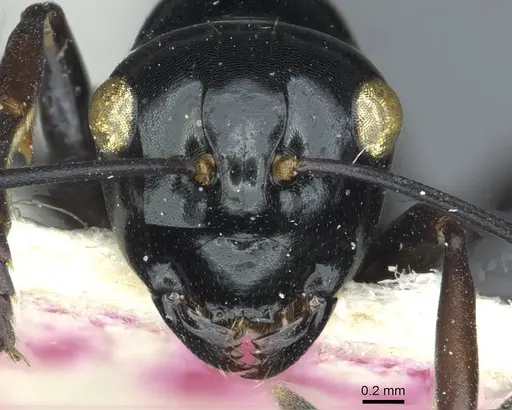
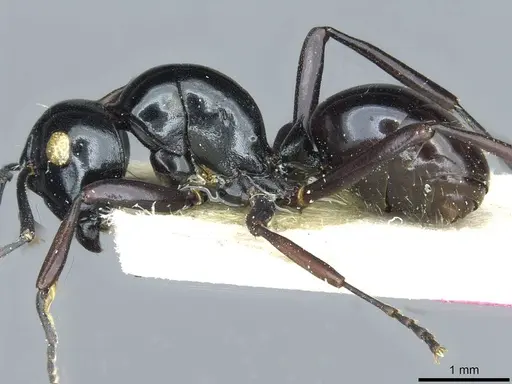
Polyrhachis pagana is a species native to India, found in Karnataka and Tamil Nadu . Workers measure approximately 6.75 mm in total length , with a shiny black body and black appendages, distinguishing them from similar species like Polyrhachis rastellata which have orange-red legs . The pronotum is robust and widest across the shoulders, and the mesosoma is evenly rounded . This species is notable for being the first Polyrhachis species from Nagaland with mitochondrial DNA sequence deposited in a public repository .
Quick Summary
- Difficulty: Medium
- Origin & Habitat: India (Karnataka and Tamil Nadu) in the Indomalaya region [1]. Found in tropical habitats of the Western Ghats.
- Colony Type: Colony structure is unconfirmed. Based on genus patterns, Polyrhachis species are often monogyne (single queen), but specific data for P. pagana is lacking.
- Size & Growth:
- Queen: Size data unavailable, no specific measurements for queens
- Worker: 6.75±0.72 mm [2]
- Colony: Up to several hundred workers, inferred from typical Polyrhachis colonies
- Growth: Moderate, based on typical Polyrhachis development patterns
- Development: Development time is unknown, no species-specific data available (Development may vary with temperature and conditions)
- Antkeeping:
- Temperature: Keep at 24-28°C, these are tropical ants requiring warm conditions [1].
- Humidity: Provide a moist nest substrate but ensure good ventilation [3].
- Diapause: No diapause required, this is a tropical species [1].
- Nesting: Polyrhachis species often prefer arboreal or ground nests in rotting wood or under bark [3]. In captivity, Y-tong nests or naturalistic setups work well.
- Behavior: Polyrhachis pagana is generally calm and not overly aggressive. Workers are active foragers, likely collecting honeydew and small insects. They are moderate escape artists due to their size, use standard barrier methods. They may show territorial behavior around the nest entrance [3].
- Common Issues: tropical species requires consistent warmth, cold drafts can be fatal, colonies may be slow to establish initially, patience is needed, escape prevention should be maintained though they are not extreme escape artists, humidity balance is critical, too wet causes mold, too dry causes desiccation, wild-caught colonies may have parasites that affect captive survival
Housing and Nest Preferences
Polyrhachis pagana does well in Y-tong (AAC) formicarium nests which provide dark, secure chambers. Alternatively, a naturalistic setup with rotting wood pieces or cork bark works well, as this species often nests in wood in the wild [3]. The nest should be kept humid but not waterlogged. Provide a generous outworld area for foraging, as workers are active. Ensure good ventilation to prevent mold buildup while maintaining adequate humidity.
Feeding and Diet
In the wild, Polyrhachis ants are omnivorous, feeding on honeydew and small insects. In captivity, offer sugar water or honey for energy, and protein sources like small crickets or mealworms 2-3 times per week. Remove uneaten prey after 24-48 hours to prevent mold. Fresh water should always be available.
Temperature and Seasonal Care
As a tropical species from India, P. pagana requires warm temperatures between 24-28°C [1]. Temperatures below 20°C for extended periods can weaken the colony. Use a heating cable or mat on one side of the nest to create a gentle thermal gradient. Unlike temperate species, they do not require diapause, but you may reduce feeding slightly during winter months to simulate natural slowdown.
Behavior and Colony Dynamics
Polyrhachis pagana workers are active and alert. They are generally non-aggressive toward keepers but will defend their nest if threatened. Workers forage individually for honeydew and prey. Colony growth is moderate, expect several months before seeing significant numbers as the queen raises her first brood [3].
Frequently Asked Questions
How long does it take for Polyrhachis pagana to produce first workers?
Development time is unknown, no species-specific data is available. Based on related Polyrhachis species, it may take several weeks under optimal conditions.
What temperature range is best for Polyrhachis pagana?
Keep them warm at 24-28°C. This tropical species does not tolerate cool temperatures well [1].
Can I keep Polyrhachis pagana in a test tube?
Test tubes can work for founding colonies, but you will need to move them to a proper formicarium once the colony grows. Polyrhachis species prefer nests with some wood material or Y-tong setup for humidity control [3].
How big do Polyrhachis pagana colonies get?
Based on typical Polyrhachis colonies, expect up to several hundred workers at maturity. Specific colony size data for P. pagana is not available.
Is Polyrhachis pagana good for beginners?
This species is rated as medium difficulty. It requires consistent warmth and humidity management, so beginners should have some antkeeping experience.
What do Polyrhachis pagana ants eat?
They are omnivorous. Feed sugar water or honey constantly for energy, and offer protein sources like small insects 2-3 times per week.
Does Polyrhachis pagana need hibernation?
No, hibernation is not required. This is a tropical species from India that does not experience cold winters [1].
When should I move my colony to a formicarium?
Move from a test tube setup to a formicarium when the colony outgrows the tube, typically after several workers have emerged. A Y-tong or naturalistic setup works well [3].
Why are my Polyrhachis pagana workers dying?
Common causes include temperatures too low (below 20°C), humidity imbalance (too dry or too wet/moldy), poor nutrition, or parasites from wild-caught colonies. Check temperature and humidity first.
Report an Issue
The current care sheet is based fully on literature. See inconsistencies, or something that's incorrect? Please , it will be resolved after review from an admin. Contributing to the blogs tab also helps providing information, to make us be able to further improve the caresheets. Thank you for your support!
References

This caresheet is licensed under CC BY-SA 4.0 .
Community Blogs
CASENT0912107
View on AntWeb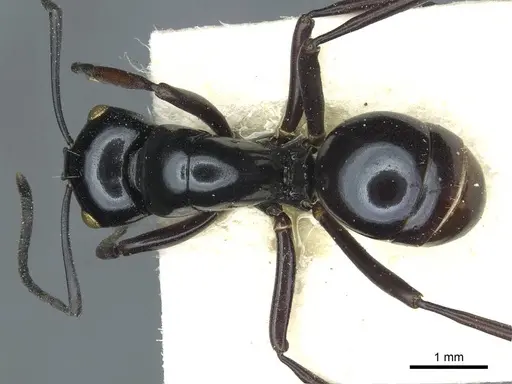
Literature
Loading distribution map...Loading products...