
Polyrhachis otleti
- Sci. Name
- Polyrhachis otleti
- Subgenus
- Myrma
- Tribe
- Camponotini
- Subfamily
- Formicinae
- Author
- Forel, 1916
- Distribution
- Found in 1 countries
Introduction
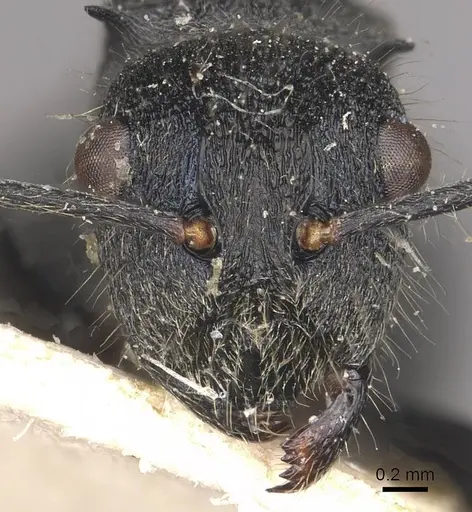
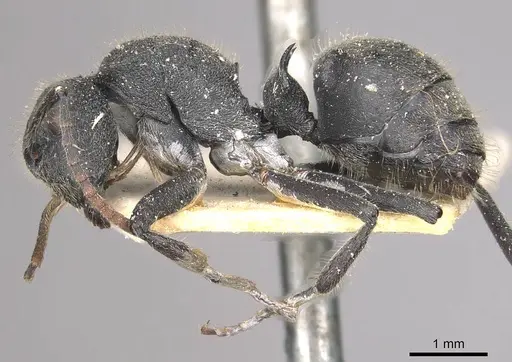
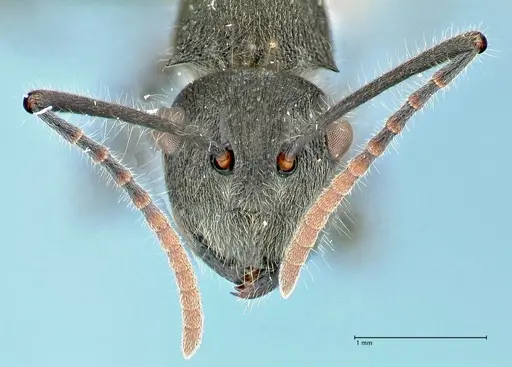
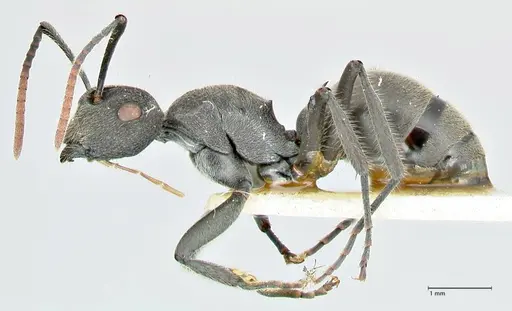
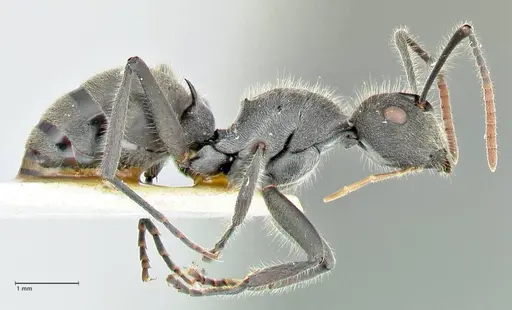
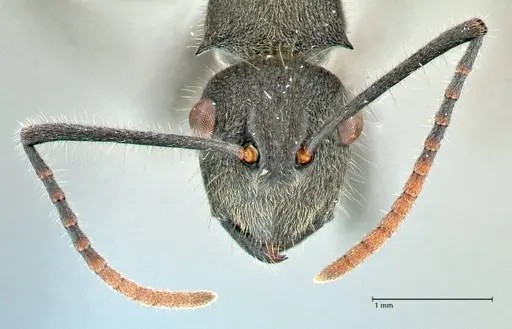
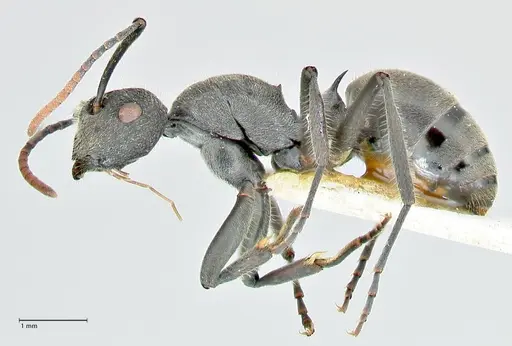
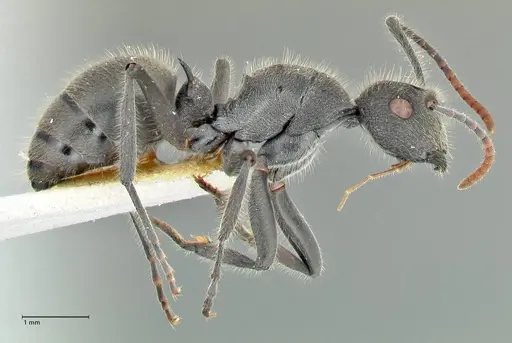
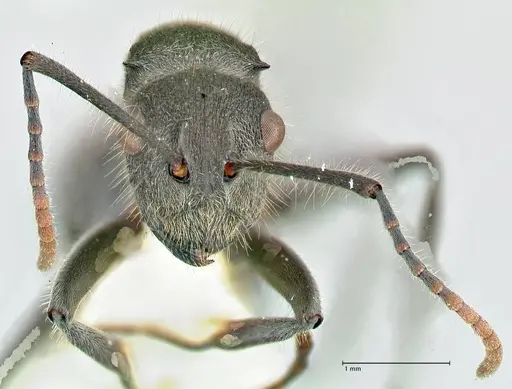
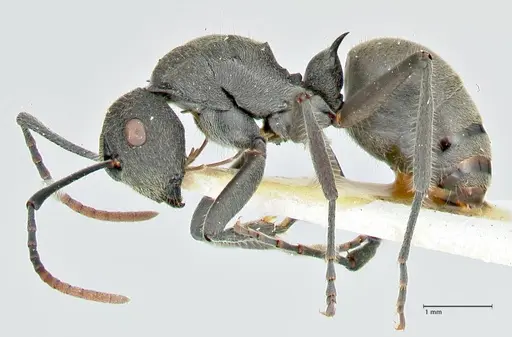
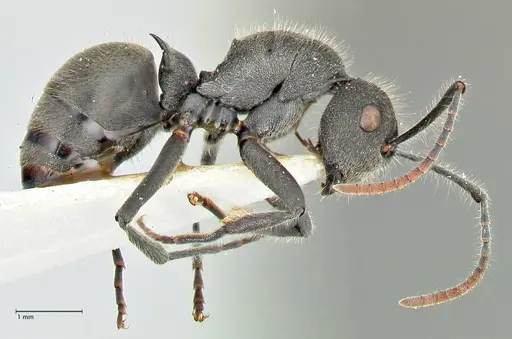
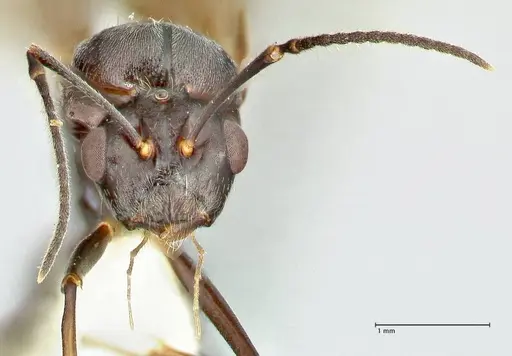
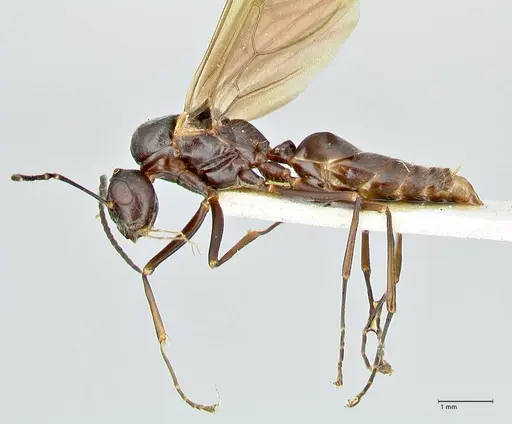
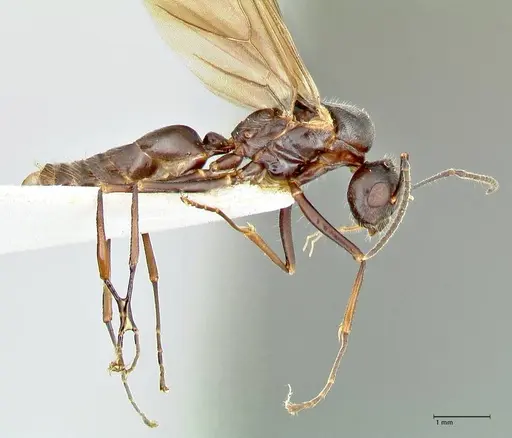
Polyrhachis otleti is a moderately large, hairy ant species belonging to the revoili species-group within the subgenus Myrma. Workers have a total length of 6.8-7.6 mm , with a black dull body, long white hairs, and distinctive spines on the pronotum and petiole. This species is found across West and Central Africa, including Nigeria, Ghana, Democratic Republic of Congo, Central African Republic, and Tanzania . What makes P. otleti unusual is its nest-building behavior. These ants construct protective nests using silk mixed with vegetable matter and bark fragments, often in tree bark crevices or rot holes above ground level .
Quick Summary
- Difficulty: Medium
- Origin & Habitat: West and Central Africa, nesting in tree bark crevices and rot holes in shaded areas [3][1]
- Colony Type: Unconfirmed
- Size & Growth:
- Antkeeping:
- Behavior: Polyrhachis otleti workers are generally calm and not aggressive. They spray formic acid as a defense mechanism, typical of Formicinae. Their moderate size means escape prevention is important, and they are arboreal, so provide climbing structures.
- Common Issues: tropical warmth requirements mean colonies can struggle in cool rooms, arboreal nature may require vertical foraging spaces, silk nest-building needs appropriate materials in captivity, slow initial growth during founding phase requires patience
Nest Preferences and Housing
Polyrhachis otleti is a lignicolous species, meaning it nests in wood. In the wild, they occupy tree bark crevices and rot holes, often above ground level. Workers construct a fibrous mat covering the entrance using silk mixed with small pieces of bark and vegetable matter [1][4].
For captive care, provide a nest that mimics this arboreal, wood-dwelling preference. A Y-tong (AAC) nest works well, or use a naturalistic setup with cork bark or wooden elements. These ants are arboreal, so include climbing structures in the outworld for exploration.
Feeding and Diet
Polyrhachis ants are typically omnivorous, feeding on honeydew, small insects, and nectar. In captivity, offer sugar water or honey as a constant energy source. Provide protein prey like fruit flies or small crickets 2-3 times per week. Remove uneaten prey after 24-48 hours to prevent mold.
Temperature and Care
As a tropical species, Polyrhachis otleti requires warm temperatures. Keep the nest area roughly 24-28°C, based on its natural habitat. Use a heating cable on one side to create a gradient. Humidity should be maintained by keeping the nest substrate consistently moist but not waterlogged [1].
Behavior and Colony Life
Polyrhachis otleti workers are moderately sized and covered in long white hairs. They are not aggressive and typically investigate disturbances rather than attack. They use silk to construct nests, which is a hallmark of the genus Polyrhachis [1][4]. Colonies grow moderately, with founding queens raising the first brood alone.
Frequently Asked Questions
How long does it take for Polyrhachis otleti to have first workers?
The exact timeline is unconfirmed, but based on typical Formicinae development, expect 6-10 weeks from egg to first worker at optimal temperatures.
Can I keep Polyrhachis otleti in a test tube?
Test tubes can work for founding colonies, but these ants prefer wood-based nesting. A Y-tong nest or cork bark setup is more appropriate for their lignicolous nature.
What do Polyrhachis otleti ants eat?
They are omnivorous. Offer sugar water or honey as a constant energy source, and protein prey like small insects 2-3 times per week.
Are Polyrhachis otleti good for beginners?
This species is rated Medium difficulty. The main challenges are providing appropriate arboreal housing and maintaining tropical temperatures.
Do Polyrhachis otleti need hibernation?
No. As a tropical species, they do not require hibernation and should be kept warm year-round.
How big do Polyrhachis otleti colonies get?
Colony size is not documented in research, so it is unknown.
When should I move my Polyrhachis otleti to a formicarium?
Move them once the colony outgrows the founding setup, typically when they have multiple workers. Use a wood-based nest like Y-tong or cork.
Why does my Polyrhachis otleti make silk?
Silk production is normal for Polyrhachis ants. They use silk mixed with plant material to construct protective nest structures [4][5].
Can I keep multiple Polyrhachis otleti queens together?
This is not recommended, as colony structure is unconfirmed and combining queens may lead to conflict.
Report an Issue
The current care sheet is based fully on literature. See inconsistencies, or something that's incorrect? Please , it will be resolved after review from an admin. Contributing to the blogs tab also helps providing information, to make us be able to further improve the caresheets. Thank you for your support!
References

This caresheet is licensed under CC BY-SA 4.0 .
Community Blogs
CASENT0087978
View on AntWeb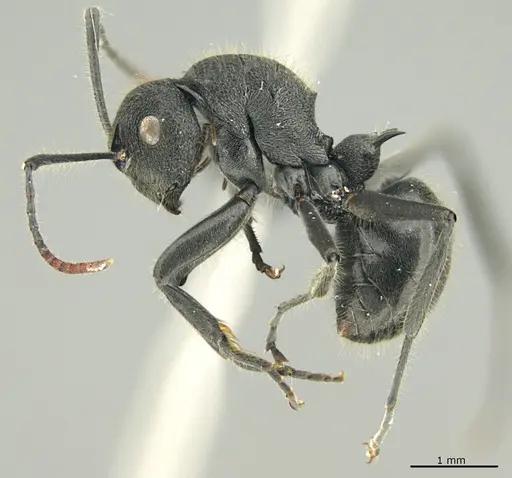
CASENT0227549
View on AntWeb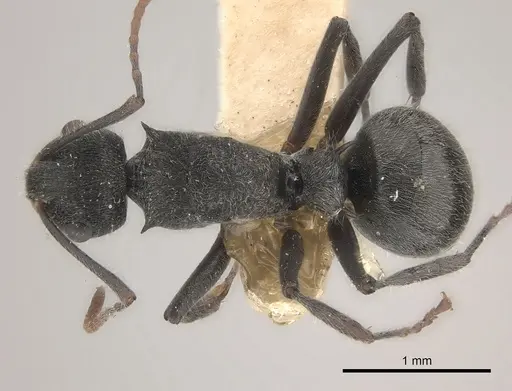
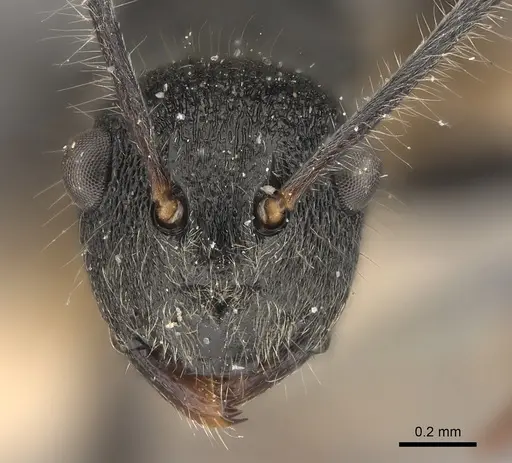
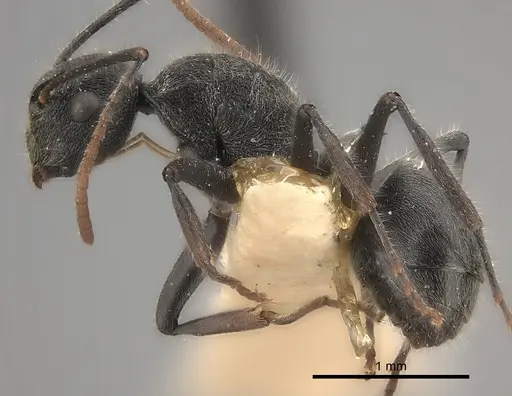
CASENT0910950
View on AntWeb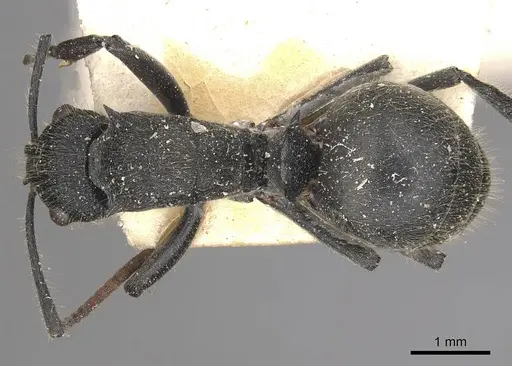
FOCOL2580
View on AntWeb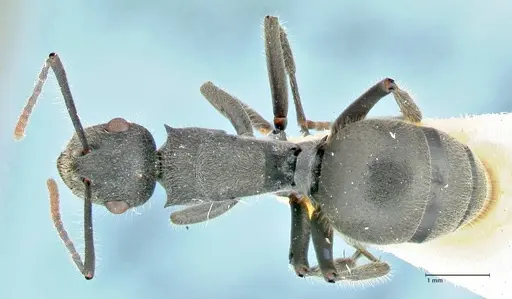
FOCOL2581
View on AntWeb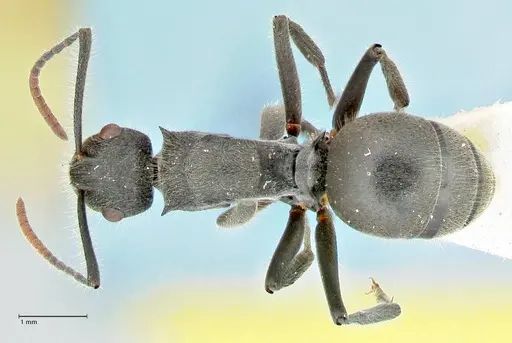
FOCOL2582
View on AntWeb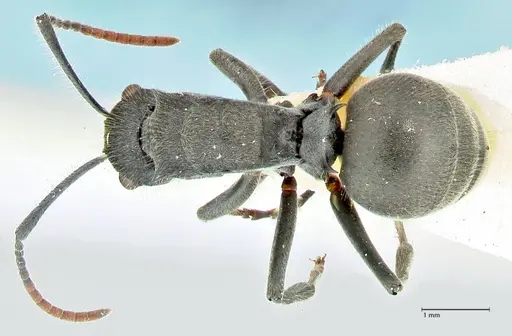
FOCOL2583
View on AntWeb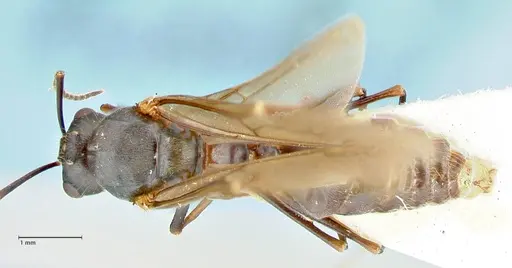
Literature
Loading distribution map...Loading products...