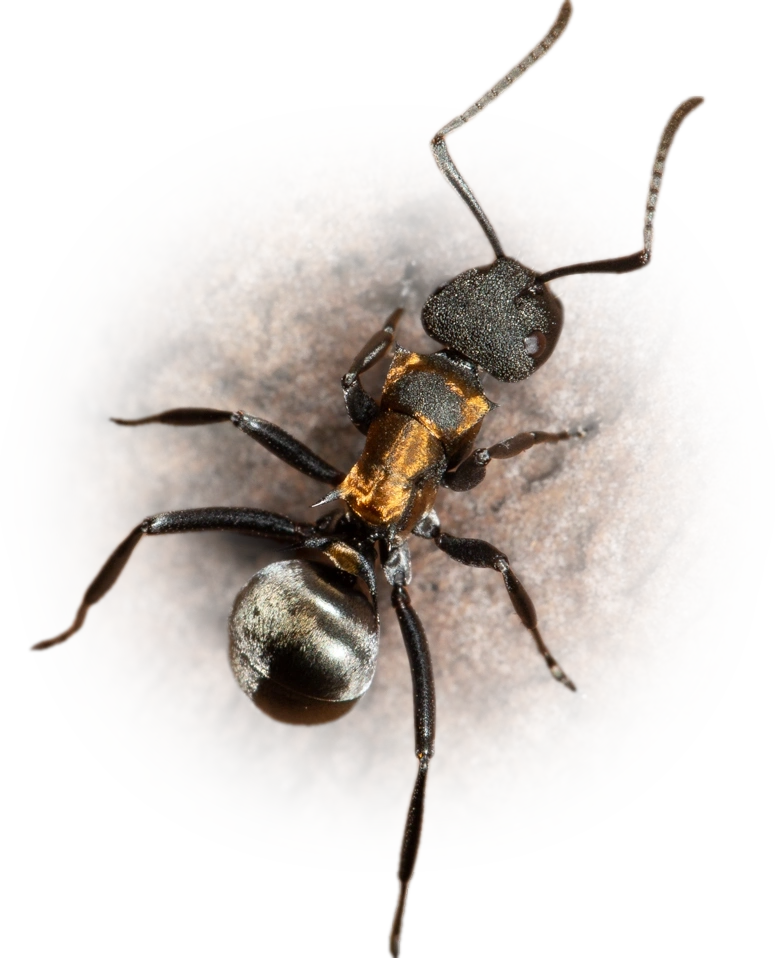
Polyrhachis ornata
- Sci. Name
- Polyrhachis ornata
- Subgenus
- Hedomyrma
- Tribe
- Camponotini
- Subfamily
- Formicinae
- Author
- Mayr, 1876
- Distribution
- Found in 1 countries
Introduction
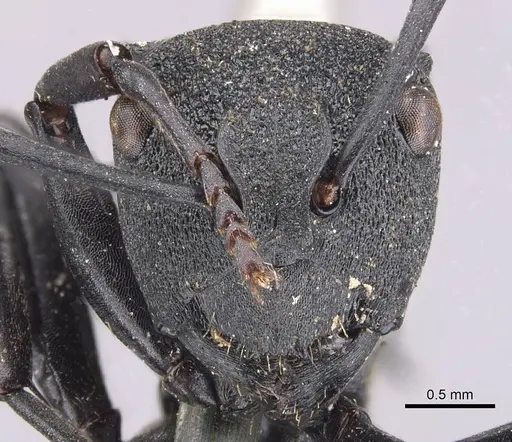
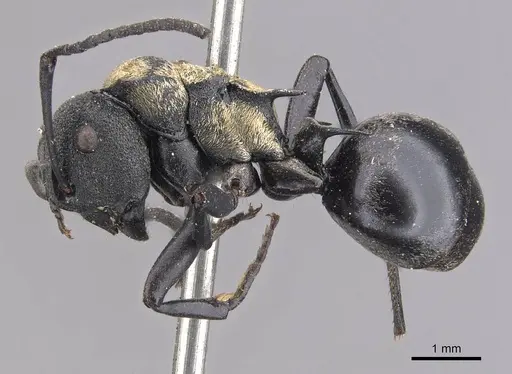
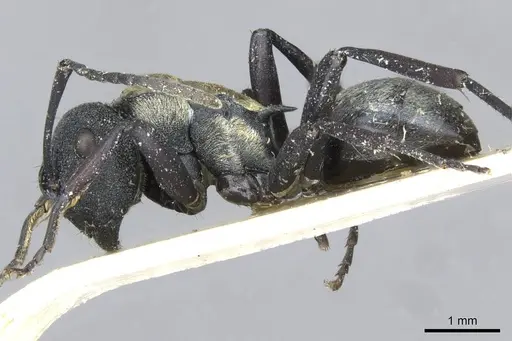
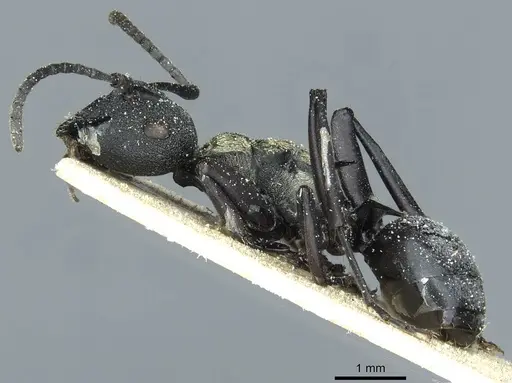
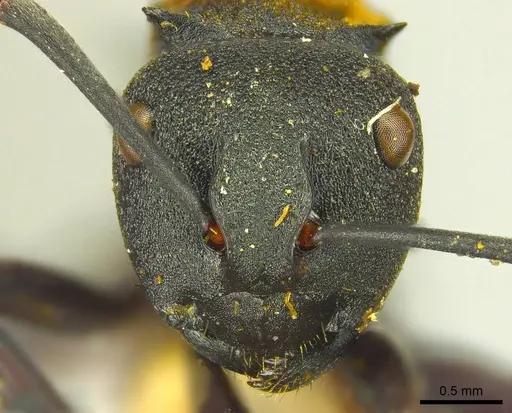
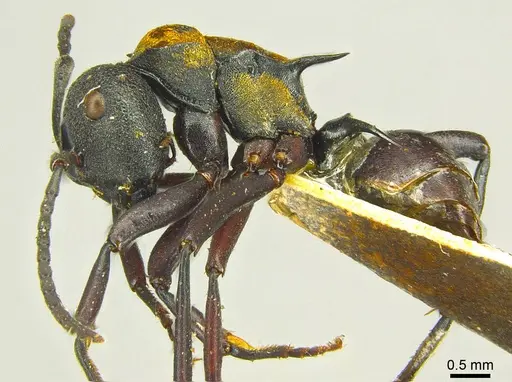
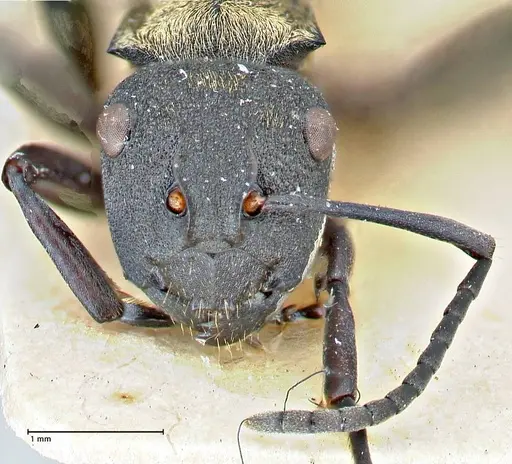
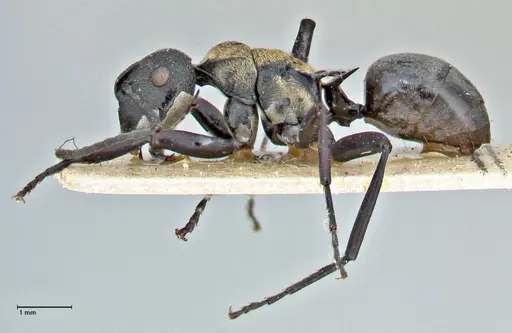
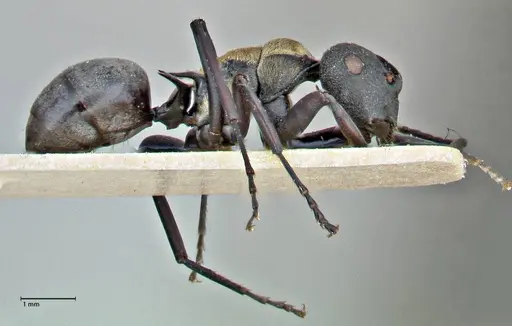
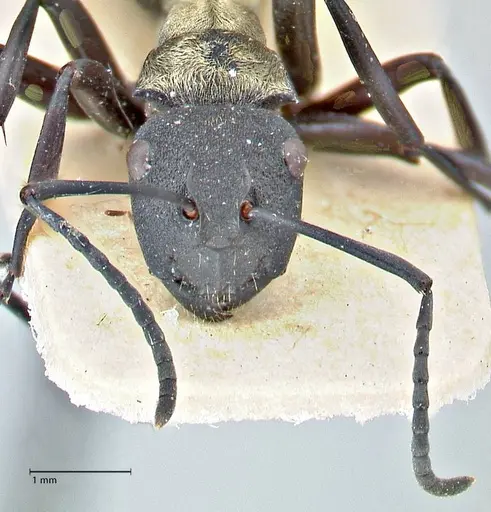
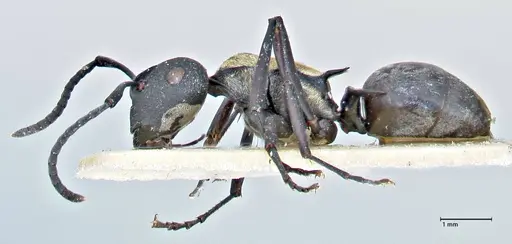
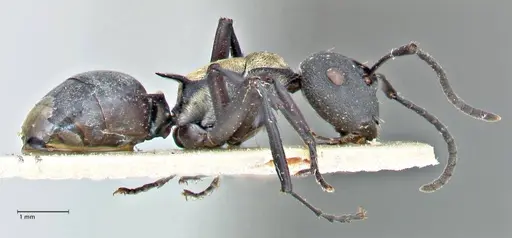
Polyrhachis ornata is an Australian ant species known for its distinctive spiny appearance and arboreal nesting habits. Workers are moderately sized with spines on the thorax, characteristic of the genus Polyrhachis. They range from North Queensland to Victoria along Australia's east coast, inhabiting rainforest environments at elevations between 200 and 1200 meters . Colonies nest in hollow branches high in trees, making them a tree-dwelling species . The species belongs to the subgenus Hedomyrma and produces cocooned pupae . A notable feature is worker monomorphism, meaning all workers are the same size, which is confirmed for this species .
Quick Summary
- Difficulty: Medium
- Origin & Habitat: Eastern Australia, from North Queensland to Victoria. Found in rainforest habitats at elevations between 200-1200m, with strongest populations around 600-800m [1]. Colonies occupy large hollow branches high in trees [1].
- Colony Type: Unconfirmed, no specific data on queen number or social structure.
- Size & Growth:
- Queen: Size data unavailable, no total length measurements in context.
- Worker: Size data unavailable, no total length measurements in context.
- Colony: Unknown, no data on maximum colony size.
- Growth: Moderate, inferred from typical Formicinae patterns.
- Development: Estimated 6-8 weeks at optimal temperature, based on typical Formicinae patterns. (Development time inferred from related species, direct measurements not available.)
- Antkeeping:
- Temperature: Keep warm, roughly 22-26°C, based on distribution from AntWiki [1].
- Humidity: Provide a humidity gradient, mostly dry nest with one moist area, based on rainforest origin [1].
- Diapause: Likely required based on Victorian distribution, provide 8-12 weeks at 10-15°C during Southern Hemisphere winter [1].
- Nesting: Lignicolous nesting confirmed, prefer wood-based nests [2][3].
- Behavior: Based on typical Polyrhachis behavior, they are generally peaceful and good climbers. Worker monomorphism confirmed [4]. Escape risk is moderate due to medium size. Defense mechanism: lacks a functional sting, bites and sprays formic acid from acidopore (subfamily Formicinae default).
- Common Issues: arboreal nesting requires vertical space and climbing structures, horizontal-only nests may not be ideal., rainforest origin makes them sensitive to low humidity, which can cause desiccation., winter dormancy is likely required, skipping hibernation may cause stress., cocooned pupae require stable conditions and should not be disturbed., wild-caught colonies may be difficult to establish due to specialized arboreal habitat.
Natural History and Distribution
Polyrhachis ornata is endemic to eastern Australia, ranging from North Queensland down to Victoria. The southernmost confirmed record is at Bemm River in Victoria [1]. This distribution across multiple climate zones suggests the species can adapt to varying conditions. They inhabit rainforest environments at elevations between 200 and 1200 meters, with the strongest populations found in the 600-800 meter range [1]. Unlike many ants that nest in soil, P. ornata is arboreal, colonizing large hollow branches high in trees. This lignicolous (wood-nesting) habit is characteristic of the subgenus Hedomyrma [2][3]. The species was originally described by Mayr in 1876,with two junior synonyms later merged [1].
Nest Preferences and Housing
In the wild, Polyrhachis ornata nests exclusively in wood, specifically in hollow branches and cavities within trees [2][3]. This arboreal nesting means they need different housing than typical ground-nesting ants. For captive care, Y-tong (AAC) nests work well because they provide dark, enclosed chambers that mimic tree hollows. Plaster nests are also suitable, as they can maintain stable humidity. Naturalistic setups with actual wood branches or cork bark are ideal for this species and allow them to exhibit natural climbing and foraging behaviors. The nest should include vertical passages and elevated chambers. Unlike species that need deep soil, P. ornata prefers compact spaces with good ventilation. Provide climbing structures like branches, cork, or mesh so workers can traverse their enclosure naturally.
Feeding and Diet
Diet is not specifically documented for Polyrhachis ornata. Based on typical Formicinae ants, they are likely omnivorous, accepting sugar sources like honey water and protein from insects. Feed protein 2-3 times per week and keep a constant sugar source available. Remove uneaten food after 24 hours to prevent mold. Since they nest in trees, they may be more inclined to search for food at elevated levels, place food entry points higher in the enclosure rather than on the floor.
Temperature and Seasonal Care
Based on their distribution from Queensland to Victoria, Polyrhachis ornata likely prefers temperatures in the low-to-mid 20s Celsius. Keep the nest area warm, roughly 22-26°C, with a gentle gradient [1]. Because they come from regions with distinct seasons, they likely require a winter dormancy period. During Southern Hemisphere winter (June-August), reduce temperatures to 10-15°C for 8-12 weeks [1]. Do not skip hibernation, it may stress the colony and reduce lifespan.
Colony Development
Polyrhachis ornata has worker monomorphism, meaning all workers are roughly the same size [4]. The species produces cocooned pupae, which requires stable conditions during development [2][3]. Development from egg to worker is not specifically documented, but based on typical Formicinae patterns, it likely takes 6-8 weeks at optimal temperature. Colonies can reach unknown sizes over several years. Be patient, this is not a fast-growing species, and founding colonies may take months to produce their first workers.
Frequently Asked Questions
How long does it take for Polyrhachis ornata to produce first workers?
Unknown, as no specific data is available. Based on typical Formicinae development, it may take 6-8 weeks at optimal temperature (22-26°C).
What do Polyrhachis ornata ants eat?
Diet is not specifically documented. They are likely omnivorous, accepting sugar sources and protein from insects.
Can I keep Polyrhachis ornata in a test tube?
Test tubes can work for founding colonies but are not ideal long-term. This species is arboreal and prefers vertical spaces with wood-like conditions.
Do Polyrhachis ornata ants need hibernation?
Likely required based on Victorian distribution. Provide 8-12 weeks at 10-15°C during winter [1].
Are Polyrhachis ornata good for beginners?
They are intermediate difficulty due to arboreal nesting and likely hibernation requirements.
How big do Polyrhachis ornata colonies get?
Unknown, as no data is available.
What temperature is best for Polyrhachis ornata?
Keep nest area at 22-26°C, based on distribution [1].
When should I move my colony to a formicarium?
Move from test tube to a proper nest once the colony needs more space. For this arboreal species, provide a Y-tong or naturalistic setup with climbing structures.
Why is my Polyrhachis ornata colony declining?
Common causes include low humidity, missing hibernation period, poor nutrition, or disturbance during pupal development.
Report an Issue
The current care sheet is based fully on literature. See inconsistencies, or something that's incorrect? Please , it will be resolved after review from an admin. Contributing to the blogs tab also helps providing information, to make us be able to further improve the caresheets. Thank you for your support!
References

This caresheet is licensed under CC BY-SA 4.0 .
Community Blogs
CASENT0281422
View on AntWeb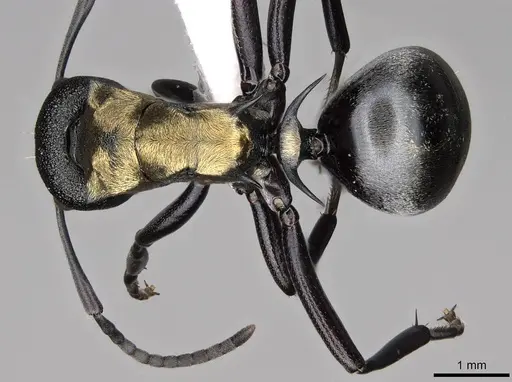
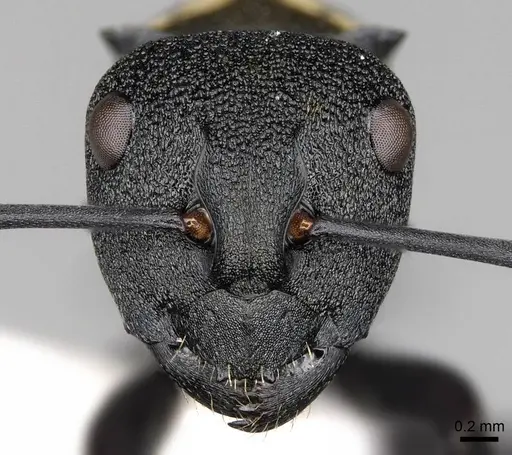
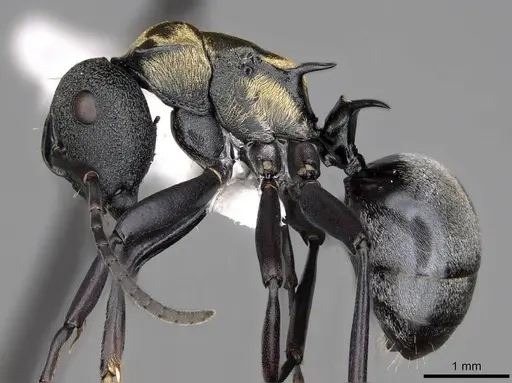
CASENT0905573
View on AntWeb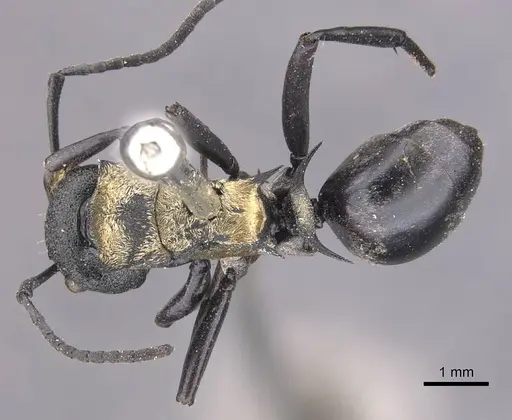
CASENT0906597
View on AntWeb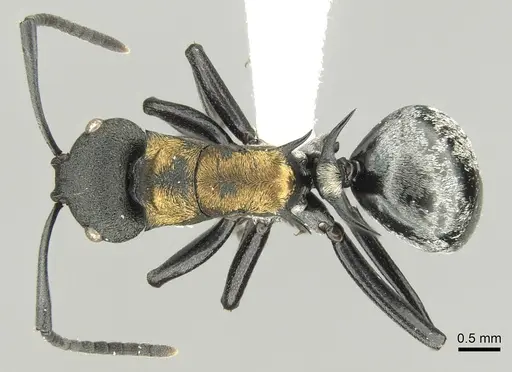
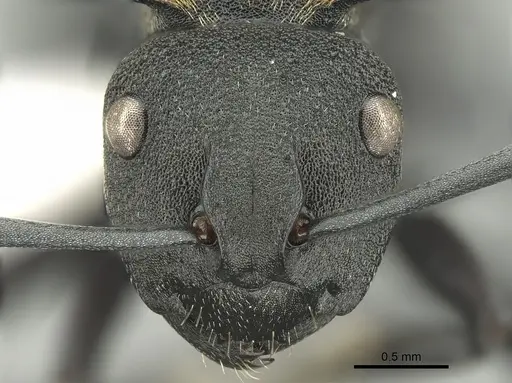
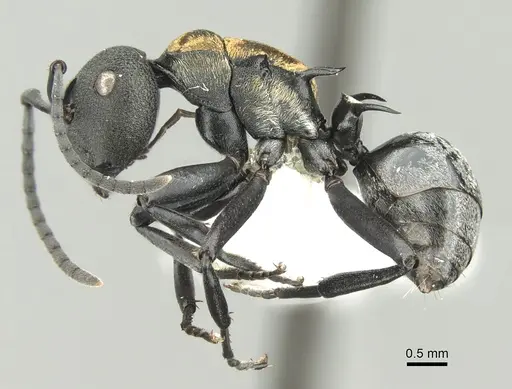
CASENT0910840
View on AntWeb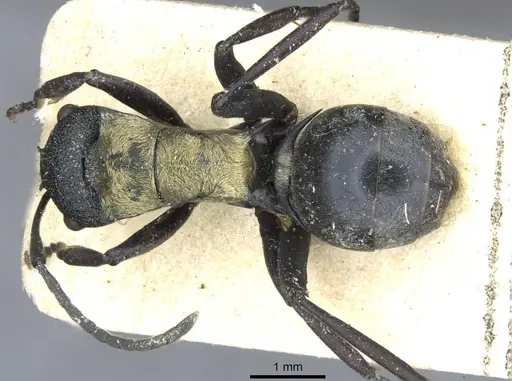
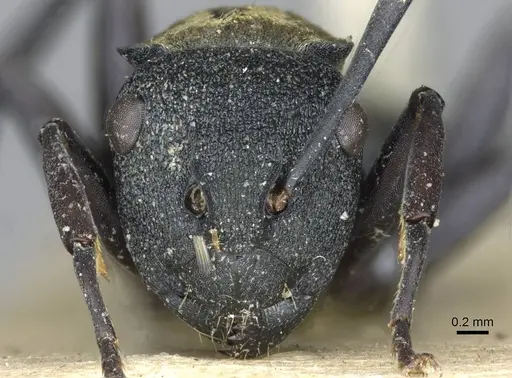
CASENT0912114
View on AntWeb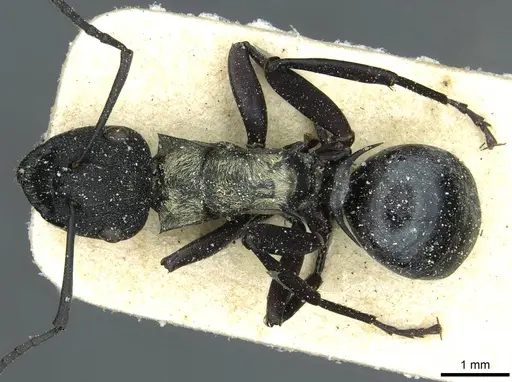
CASENT0915617
View on AntWeb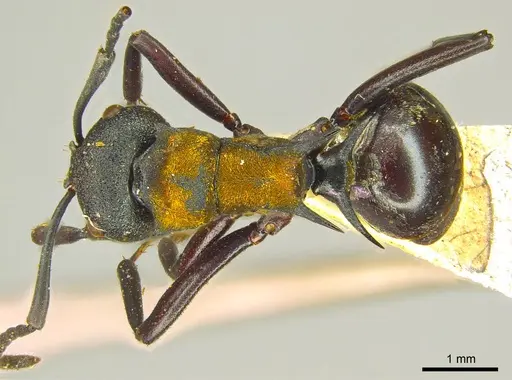
FOCOL2933
View on AntWeb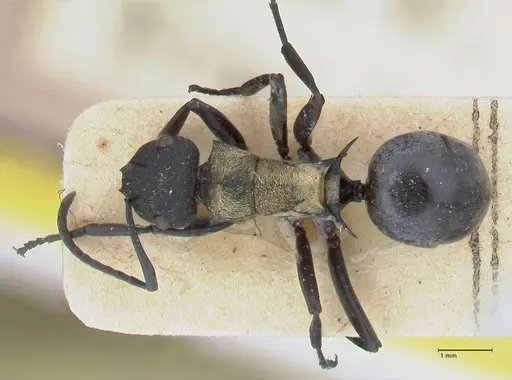
FOCOL2934
View on AntWeb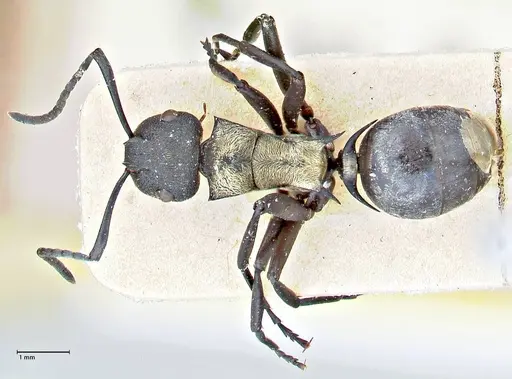
Literature
Loading distribution map...Loading products...