
Polyrhachis ops
- Sci. Name
- Polyrhachis ops
- Subgenus
- Campomyrma
- Tribe
- Camponotini
- Subfamily
- Formicinae
- Author
- Forel, 1907
- Distribution
- Found in 1 countries
Introduction
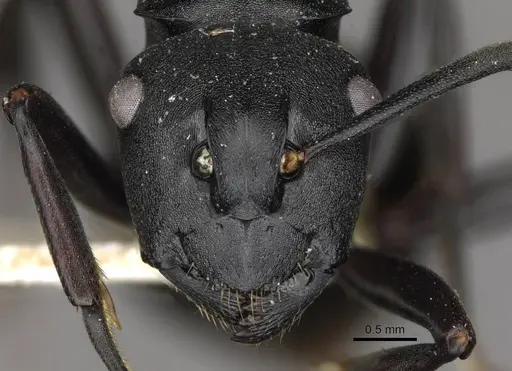
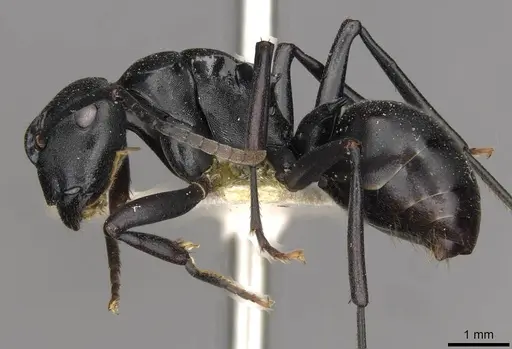
Polyrhachis ops is an Australian ant species in the subgenus Campomyrma. Workers are differentiated from related taxa by a smoother and shinier head capsule . Size data is unavailable from specific research, but based on Polyrhachis genus patterns, workers are approximately 5-8 mm and queens 8-10 mm. This species is found on the western south coast of Australia and nests subterranean . Originally described as a subspecies in 1907,it was raised to species status in 1989 .
Quick Summary
- Difficulty: Medium
- Origin & Habitat: Native to Australia's western south coast [1], nesting subterranean in soil or under objects [2][3].
- Colony Type: Unconfirmed, no specific data on queen number or social structure.
- Size & Growth:
- Queen: Size data unavailable, inferred from Polyrhachis genus as approximately 8-10 mm
- Worker: Size data unavailable, inferred from Polyrhachis genus as approximately 5-8 mm
- Colony: Unknown for this species
- Growth: Moderate
- Development: Estimated 8-12 weeks based on genus patterns (Development time may vary with temperature, specific data for P. ops is not available.)
- Antkeeping:
- Temperature: Keep at room temperature with a gradient, roughly 22-26°C, based on Australian climate patterns.
- Humidity: Keep nest substrate consistently moist but not waterlogged, based on subterranean nesting [2][3].
- Diapause: Unknown, no specific data for this species.
- Nesting: Subterranean nester, use soil or plaster nests with moist substrate [2][3].
- Behavior: Workers are active foragers that search for food on the ground and vegetation. They defend by biting and spraying formic acid, typical for Formicinae ants. Escape risk is moderate due to their size and climbing ability.
- Common Issues: low humidity can harm subterranean colonies, keep substrate moist, diapause requirements are unknown, monitor colony health for seasonal changes, subterranean nesting requires deep substrate or appropriate nest material for security
Nest Preferences and Housing
Polyrhachis ops is a subterranean nester, meaning they naturally dig and live in underground chambers [2][3]. In captivity, replicate these conditions with deep soil substrate or a plaster nest with moist substrate. Provide a dark, enclosed nest area and a connected foraging space.
Feeding and Diet
Polyrhachis ants are omnivorous. Offer sugar sources like honey water constantly and protein such as small insects 2-3 times per week. Remove uneaten protein after 24 hours to prevent mold.
Temperature and Seasonal Care
As an Australian species, Polyrhachis ops experiences seasonal variation. Keep the nest at room temperature with a gradient. A diapause period may be needed during winter, but specific requirements are unknown [1].
Behavior and Colony Dynamics
Workers are agile foragers that search for food on the ground and vegetation. The colony establishes a queen chamber deep in the nest, and workers tend brood including pupal cocoons [2]. Colonies grow gradually with moderate development.
Frequently Asked Questions
Can I keep Polyrhachis ops in a test tube?
A test tube can work for founding colonies, but this subterranean species prefers soil nests. Move to a larger setup once the colony has 20-30 workers.
How long until first workers with Polyrhachis ops?
Expect first workers approximately 8-12 weeks after queen lays eggs, based on genus patterns at warm temperatures.
Are Polyrhachis ops good for beginners?
This species is medium difficulty due to specific needs like subterranean nesting and potential diapause requirements.
Do Polyrhachis ops need hibernation?
Diapause requirements are unknown for this species, but Australian temperate ants may need a winter rest period.
What do Polyrhachis ops eat?
They are omnivorous, accepting sugars and proteins like small insects.
How big do Polyrhachis ops colonies get?
Colony size is unknown for this species.
When should I move Polyrhachis ops to a formicarium?
Move from a founding setup once the colony reaches 20-30 workers and the test tube is cramped.
Report an Issue
The current care sheet is based fully on literature. See inconsistencies, or something that's incorrect? Please , it will be resolved after review from an admin. Contributing to the blogs tab also helps providing information, to make us be able to further improve the caresheets. Thank you for your support!
References

This caresheet is licensed under CC BY-SA 4.0 .
Community Blogs
CASENT0910775
View on AntWeb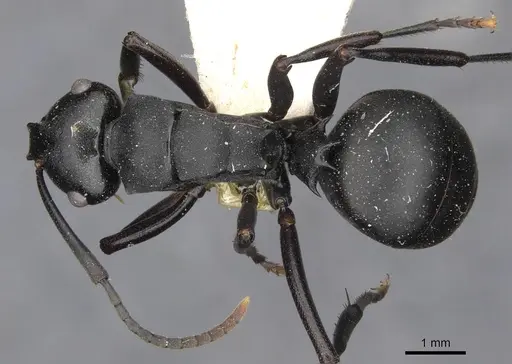
Literature
Loading distribution map...Loading products...