
Polyrhachis oedipus
- Sci. Name
- Polyrhachis oedipus
- Subgenus
- Myrmhopla
- Tribe
- Camponotini
- Subfamily
- Formicinae
- Author
- Forel, 1893
- Distribution
- Found in 1 countries
Introduction
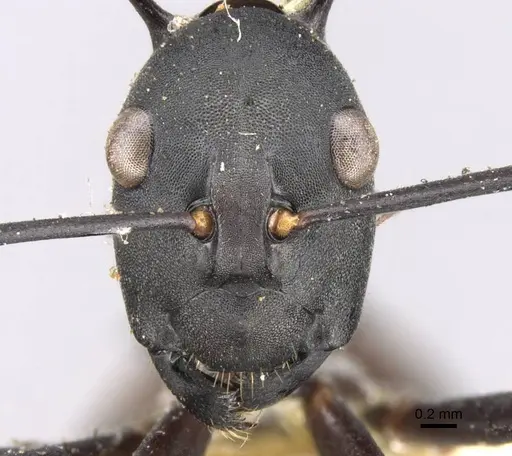
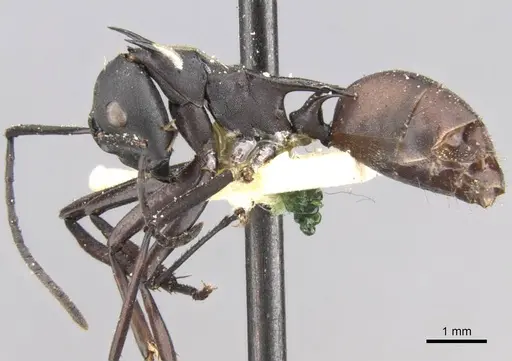
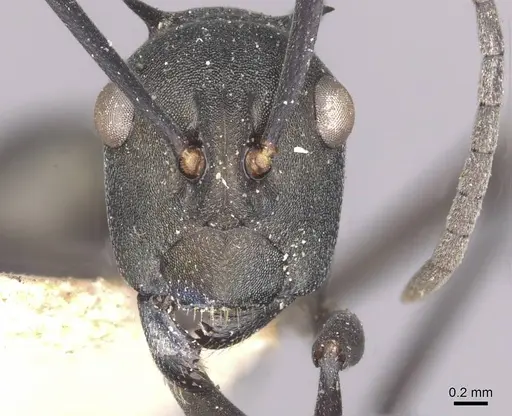
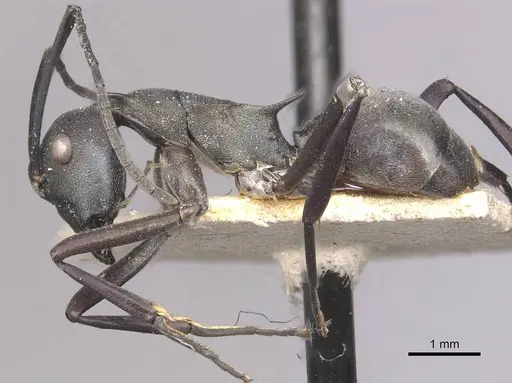
Polyrhachis oedipus is a spiny ant species belonging to the subgenus Myrmhopla. It is found in the Indomalaya region, including India, Sri Lanka, and Burma . Workers have distinctive spines on the thorax, typical of the genus. As a tropical species from South Asia, these ants live in warm, humid forest environments, though specific details about their natural habitat are lacking.
Quick Summary
- Difficulty: Medium
- Origin & Habitat: Native to India, Sri Lanka, and Burma [1][2]. Likely inhabits tropical forests, given the region.
- Colony Type: Colony structure is unconfirmed. Most Polyrhachis species are single-queen (monogyne), but specific data for P. oedipus is unavailable.
- Size & Growth:
- Queen: size data unavailable
- Worker: size data unavailable
- Colony: Unknown. Estimated to be moderate (a few hundred workers) based on related Polyrhachis species.
- Growth: Moderate, estimated based on tropical Formicinae patterns.
- Development: Estimated 6-8 weeks at optimal warm temperatures, based on typical Formicinae development. Specific data for this species are lacking. (Timeline is a rough estimate, actual development may vary.)
- Antkeeping:
- Temperature: As a tropical species, they need consistent warmth. Keep the nest at roughly 24-28°C (estimated from origin). Use a heating cable on one side to create a gradient. Avoid prolonged temperatures below 20°C.
- Humidity: Keep the nest substrate moist but not waterlogged. Provide a humidity gradient so ants can self-regulate. Specific humidity levels are unknown.
- Diapause: Likely minimal or no true diapause, given their tropical origin. A reduction in activity during cooler months may occur, but forced hibernation is not needed.
- Nesting: In the wild, related Polyrhachis species nest in soil, under stones, or in decaying wood. Some are semi-arboreal. In captivity, a naturalistic setup with soil or a Y-tong/plaster nest should work. Provide some climbing structures.
- Behavior: Based on the Formicinae subfamily, P. oedipus lacks a functional sting and instead sprays formic acid when threatened. They are generally not aggressive but will defend their nest. Escape risk is moderate, they can climb smooth surfaces, so use fluon or similar barriers. Activity patterns are unconfirmed, but many Polyrhachis are diurnal.
- Common Issues: tropical species requires consistent warmth, cold temperatures can slow brood development or kill the colony., high humidity needs can lead to mold if ventilation is poor, ensure air circulation., limited published data means care is largely inferred, be prepared to adjust conditions based on colony behavior., wild-caught colonies may carry parasites or be stressed during collection., slow growth compared to faster-developing genera requires patience.
Nest Preferences
In the wild, Polyrhachis species often nest in soil, under stones, or in decaying wood in forested areas. Some species in the Myrmhopla subgenus are semi-arboreal, nesting in elevated locations. For captive colonies, provide a nest with chambers sized appropriately for their worker size (though exact size is unknown). A naturalistic setup with moist soil substrate works well, or you can use a Y-tong/plaster nest. Many keepers find that these ants appreciate having some vertical space or structures to climb on, reflecting their potentially semi-arboreal nature.
Feeding and Diet
Like other Formicinae, Polyrhachis ants are omnivorous. They likely feed on honeydew from aphids and small insects in nature. In captivity, offer sugar water or honey as a constant energy source. For protein, provide small insects like fruit flies, small crickets, or mealworms. Feed protein 2-3 times per week, and keep sugar water available at all times. Remove any uneaten prey after 24 hours to prevent mold.
Temperature and Care
As a tropical species from India and Sri Lanka, Polyrhachis oedipus requires warm temperatures to thrive. Keep the nest area at roughly 24-28°C consistently. A small heating cable placed on one side of the nest can create a temperature gradient, allowing ants to self-regulate. Avoid temperatures below 20°C for extended periods, as this can slow brood development and potentially harm the colony. Room temperature in most homes (20-24°C) may be marginal, consider using a heat source for optimal results.
Behavior and Temperament
Based on subfamily traits, Polyrhachis oedipus lacks a functional sting and instead sprays formic acid as a defense. They are generally considered less aggressive than some other genera, focusing on foraging and colony maintenance. Workers are likely active during the day and will explore their outworld. They can climb smooth surfaces but are not particularly known for escaping, standard barrier methods like fluon on container rims should suffice. When disturbed, they may retreat into their nest rather than attack.
Frequently Asked Questions
How long does it take for Polyrhachis oedipus to get their first workers?
Estimated 6-8 weeks from egg to worker at optimal temperature (roughly 24-28°C). This is based on typical Formicinae development patterns since specific data for this species is unavailable.
Can I keep Polyrhachis oedipus in a test tube?
Test tubes can work for founding colonies, but you may need to upgrade to a larger nest as the colony grows. Ensure the test tube has a water reservoir and maintain high humidity around it.
What temperature do Polyrhachis oedipus ants need?
Keep them warm at roughly 24-28°C. As a tropical species from India and Sri Lanka, they need consistent warmth year-round. A heating cable or heat mat on one side of the nest helps maintain optimal temperatures.
Are Polyrhachis oedipus good for beginners?
This species is rated as medium difficulty. While not the hardest, the lack of specific care data and the need for consistent tropical warmth make them better suited for keepers with some experience. Beginners should start with better-documented species.
How big do Polyrhachis oedipus colonies get?
Unknown. Based on related species, they likely reach a few hundred workers, but exact colony size is not documented.
Do Polyrhachis oedipus need hibernation?
No true hibernation is required. As a tropical species, they do not experience cold winters. You may notice reduced activity during cooler months, but a formal diapause period is not necessary.
What do Polyrhachis oedipus eat?
They are omnivorous. Offer sugar water or honey as a constant energy source, along with small insects like fruit flies, small crickets, or mealworms for protein. Feed protein 2-3 times per week.
When should I move my Polyrhachis oedipus to a formicarium?
Move them when the colony outgrows the test tube, usually once there are 20-30 workers and space becomes tight. Make sure the formicarium provides appropriate humidity and chamber sizes.
Can I keep multiple Polyrhachis oedipus queens together?
This has not been studied for this species. Most Polyrhachis are single-queen colonies, so combining unrelated queens is not recommended without evidence they can coexist.
Report an Issue
The current care sheet is based fully on literature. See inconsistencies, or something that's incorrect? Please , it will be resolved after review from an admin. Contributing to the blogs tab also helps providing information, to make us be able to further improve the caresheets. Thank you for your support!
References

This caresheet is licensed under CC BY-SA 4.0 .
Community Blogs
CASENT0906763
View on AntWeb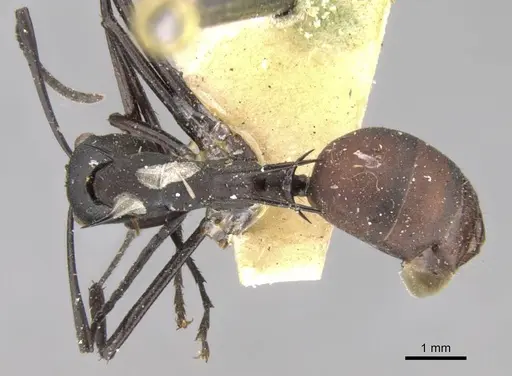
CASENT0910874
View on AntWeb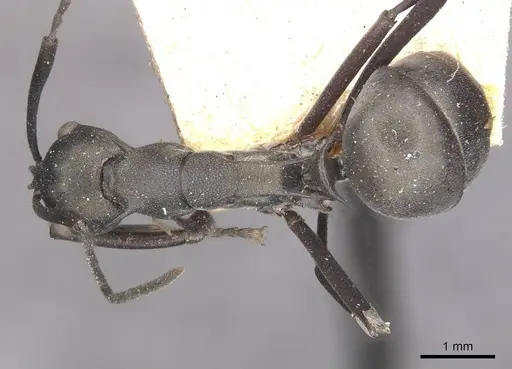
Literature
Loading distribution map...Loading products...