
Polyrhachis obscura
- Sci. Name
- Polyrhachis obscura
- Subgenus
- Chariomyrma
- Tribe
- Camponotini
- Subfamily
- Formicinae
- Author
- Forel, 1895
- Distribution
- Found in 1 countries
Introduction
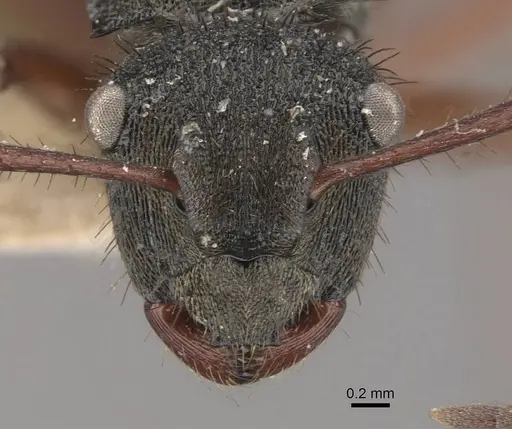
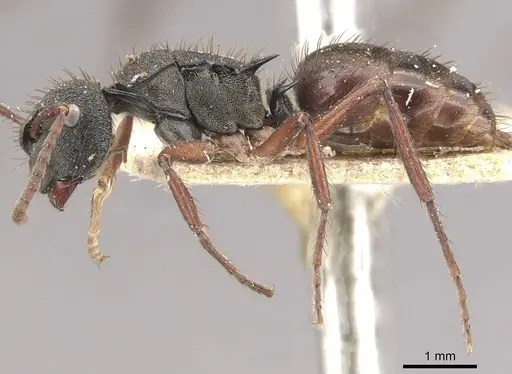
Polyrhachis obscura is an Australian ant species in the subgenus Chariomyrma. Workers are dark-bodied, but size data is unavailable for this species. It is found throughout Australia, particularly in northern regions, in forests and woodlands . As an arboreal nester, it constructs colonies in tree hollows and under bark , though some populations may nest subterraneanly . This species exhibits variable nesting habits, which is unusual among ants and makes it adaptable to different environments.
Quick Summary
- Difficulty: Medium
- Origin & Habitat: Australia, found throughout the continent in forests and woodlands, with both arboreal and subterranean nesting habits reported [1][2][3].
- Colony Type: Unconfirmed, no direct data for this species, but based on Polyrhachis patterns, likely monogyne.
- Size & Growth:
- Queen: Size data unavailable
- Worker: Size data unavailable
- Colony: Unknown, related Polyrhachis species can reach several hundred workers
- Growth: Moderate, based on typical Formicinae development
- Development: Estimated 6-10 weeks at optimal temperature (Direct development data unavailable, estimates based on genus-level patterns)
- Antkeeping:
- Temperature: Keep around 22-26°C with a mild temperature gradient. Room temperature within this range is often suitable.
- Humidity: Moderate to high humidity preferred. Based on arboreal nesting, provide a humidity gradient with moist substrate [2].
- Diapause: Unknown, no specific data available for this species.
- Nesting: Arboreal species, they do best in setups that mimic elevated nesting sites. Y-tong nests, plaster nests, or naturalistic setups with elevated chambers work well. Note that some populations may nest subterraneanly [3].
- Behavior: Generally peaceful and non-aggressive toward keepers. Workers are active foragers and good climbers. Escape risk is moderate due to their size and climbing ability.
- Common Issues: humidity management is critical, too dry and brood development suffers, too wet and mold becomes a problem., arboreal nature means they need climbing opportunities and elevated nest chambers., diapause requirements are unknown, so monitor colony activity during winter., wild-caught colonies may be difficult to establish due to unknown founding conditions., limited availability means established colonies are valuable and loss is costly.
Nest Preferences and Housing
Polyrhachis obscura is an arboreal species, meaning they naturally nest in elevated locations like tree hollows, under bark, and in woody material. In captivity, they do best in nests that mimic these conditions. Y-tong (AAC) nests work well because they provide a dark, enclosed space that simulates a tree cavity. Plaster nests can also work if you maintain adequate humidity. The key is providing a nest chamber that is elevated rather than at ground level, and keeping the substrate moderately humid without being waterlogged. In the outworld, include climbing structures like twigs, cork bark, or artificial plants since these ants naturally forage in vertical space. Note that some populations may nest subterraneanly, so a humidity gradient is beneficial [2][3].
Feeding and Diet
Polyrhachis species are typically omnivorous, feeding on honeydew, nectar, and small insects in the wild. In captivity, offer a varied diet including sugar water or honey as a constant energy source. For protein, provide small insects like fruit flies, small crickets, or mealworms. Polyrhachis ants are generally good acceptors of both sugar and protein foods. Feed protein prey 2-3 times per week, and keep sugar water available at all times. Remove uneaten prey after 24-48 hours to prevent mold issues [1].
Behavior and Temperament
Polyrhachis obscura workers are relatively calm and not prone to aggressive swarming when the nest is disturbed. They are more likely to retreat than to attack, making them manageable for keepers. Workers are active foragers and will explore the outworld in search of food. Their arboreal heritage means they are good climbers, so ensure your outworld has adequate barriers. They do not possess a painful sting, though some Polyrhachis species can bite. Overall, they are considered peaceful houseguests [1].
Frequently Asked Questions
Can I keep Polyrhachis obscura in a test tube?
Test tubes can work for founding colonies but arboreal ants prefer more space and climbing opportunities as they grow. Once the colony reaches 20-30 workers, consider moving to a Y-tong or plaster nest with an outworld that includes vertical structures [1].
How long until first workers with Polyrhachis obscura?
Expect 6-10 weeks from egg to first worker at optimal temperature (around 24°C). This is an estimate based on related Formicinae species since specific development data is not available for this species [1].
Do Polyrhachis obscura ants need hibernation?
Diapause requirements are unknown for this species. Monitor colony activity during winter and adjust temperature accordingly [1].
Are Polyrhachis obscura good for beginners?
They are moderate difficulty, more challenging than common Lasius or Camponotus species but not as difficult as some tropical specialists. Their arboreal nature and humidity needs require more attention than ground-nesting species [1].
What do Polyrhachis obscura eat?
They are omnivorous. Offer sugar water or honey constantly, and feed protein prey like small insects 2-3 times weekly. They typically accept a wide variety of foods [1].
How big do Polyrhachis obscura colonies get?
Colony size is not well documented for this species, but related Polyrhachis species typically reach several hundred workers. They are not among the largest Polyrhachis species [1].
When should I move my Polyrhachis obscura to a formicarium?
Move from a founding setup to a proper nest once the colony reaches 20-30 workers or when the test tube becomes cramped. Ensure the new setup provides adequate humidity and climbing structures [1].
Can I keep multiple Polyrhachis obscura queens together?
This has not been documented for this species. Polyrhachis is typically monogyne (single queen), so keeping multiple unrelated queens together is not recommended [1].
Why is my Polyrhachis obscura colony declining?
Common causes include incorrect humidity (too dry or too wet), temperature stress, insufficient protein in the diet, or improper winter dormancy. Check these parameters first. Wild-caught colonies may also struggle if they were stressed during collection [1].
Report an Issue
The current care sheet is based fully on literature. See inconsistencies, or something that's incorrect? Please , it will be resolved after review from an admin. Contributing to the blogs tab also helps providing information, to make us be able to further improve the caresheets. Thank you for your support!
References

This caresheet is licensed under CC BY-SA 4.0 .
Community Blogs
CASENT0906754
View on AntWeb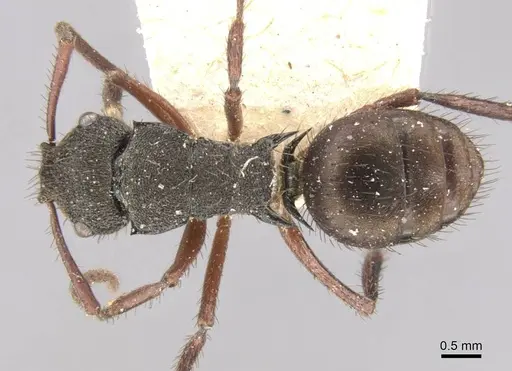
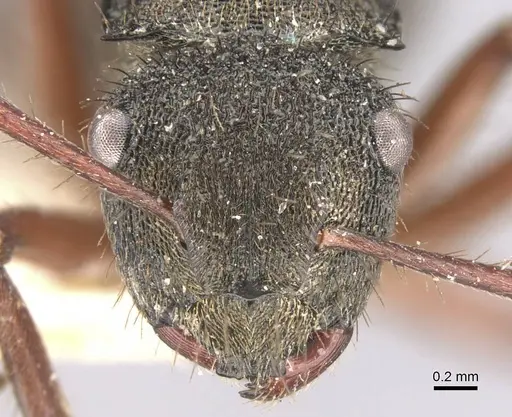
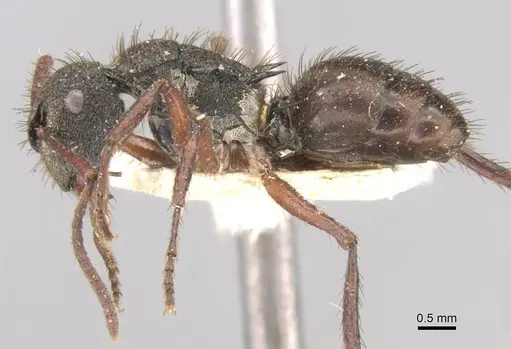
CASENT0910830
View on AntWeb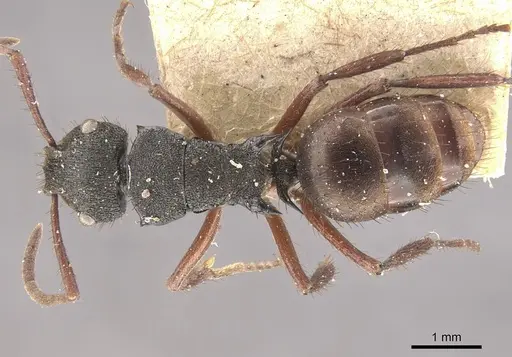
Literature
Loading distribution map...Loading products...