
Polyrhachis monteithi
- Sci. Name
- Polyrhachis monteithi
- Subgenus
- Cyrtomyrma
- Tribe
- Camponotini
- Subfamily
- Formicinae
- Author
- Kohout, 2006
- Distribution
- Found in 1 countries
Introduction
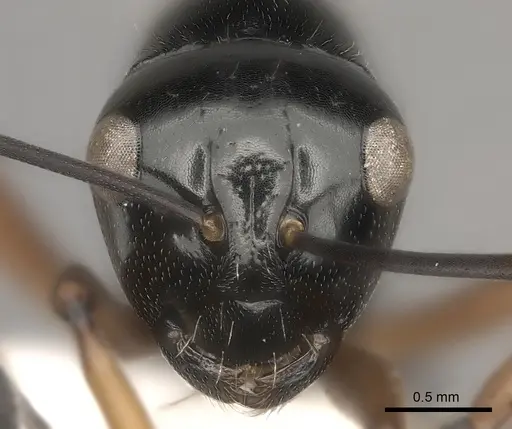
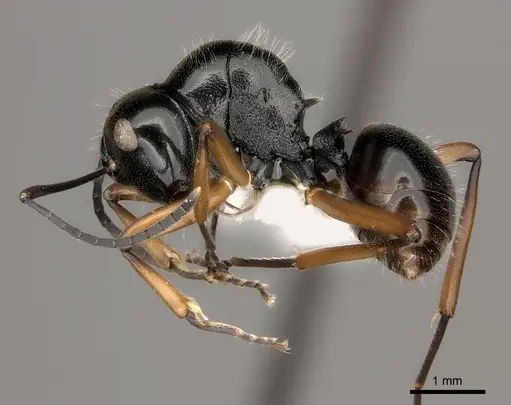
Polyrhachis monteithi is a medium-sized arboreal ant native to north Queensland, Australia. Workers have a total length of 5.54-6.75 mm, and queens reach 7.11-7.76 mm . The species is black with reddish-brown legs and has a distinctly hairy appearance. It builds nests of silk and vegetation debris between leaves of low rainforest trees and shrubs . This species is known for its weaver ant behavior, using silk produced by larvae to bind leaves together for nest construction .
Quick Summary
- Difficulty: Medium
- Origin & Habitat: North Queensland, Australia, from Cooktown to Mackay. Nests in silk and vegetation between leaves in rainforests and gallery forests [1][2][3].
- Colony Type: Unconfirmed, colony structure not specifically documented for this species.
- Size & Growth:
- Queen: ~7.11-7.76 mm total length [1]
- Worker: ~5.54-6.75 mm total length [1]
- Colony: Unknown, no specific data available
- Growth: Moderate, inferred from typical Polyrhachis patterns
- Development: Estimated 6-10 weeks at optimal temperatures (Development time is estimated based on related species, pupae develop naked without cocoons [2][3].)
- Antkeeping:
- Temperature: Keep warm, roughly 24-28°C, as a tropical species.
- Humidity: Keep nest substrate consistently moist but not waterlogged, typical for rainforest species.
- Diapause: No, tropical species do not require hibernation.
- Nesting: Arboreal nests using silk to bind leaves. Provide materials like cotton or leaves for weaving in captivity [2][3].
- Behavior: Weaver ant behavior, workers use silk to construct nests. Moderately active, forage for honeydew and small prey. Escape risk is moderate due to size.
- Common Issues: high humidity maintenance can be challenging, poor humidity leads to desiccation and colony decline., arboreal nature requires vertical space and weaving materials, flat nests may not be accepted., lack of cocoons means pupae are vulnerable to disturbance, avoid moving nests unnecessarily., tropical species cannot tolerate cool temperatures, cold exposure kills colonies., new colonies have slow initial growth, keepers may overfeed or disturb them prematurely.
Nest Preferences and Housing
Polyrhachis monteithi is an arboreal species that builds nests between leaves using silk. In captivity, provide materials like cotton fibers, small leaves, or fabric strips that workers can manipulate with silk [2][3]. Use a vertical setup with branches or plants in the outworld to mimic natural conditions. Y-tong nests with multiple chambers can work, but add weaving materials for nest construction.
Feeding and Diet
This species is omnivorous, likely feeding on honeydew, nectar, and small insects. In captivity, offer sugar water or honey regularly and provide protein sources like fruit flies or mealworms. Feed small amounts 2-3 times per week, removing uneaten food after 24 hours.
Temperature and Seasonal Care
As a tropical species from north Queensland, keep temperatures warm year-round, roughly 24-28°C [1]. Use a heating cable on one side of the nest to create a gradient. Avoid temperatures below 20°C for extended periods. No hibernation is needed.
Weaver Ant Behavior and Colony Setup
Polyrhachis monteithi uses silk produced by larvae to bind leaves together for nest construction, and pupae develop naked without cocoons [2][3]. When setting up your colony, provide materials for weaving and ensure vertical space for arboreal nesting.
Growth and Development
Development from egg to worker is estimated at 6-10 weeks at optimal temperatures. New colonies grow slowly, with first workers being smaller than normal. Colonies may reach several hundred workers over time, but specific data is unavailable.
Frequently Asked Questions
How long does it take for Polyrhachis monteithi to produce first workers?
Expect 6-10 weeks from egg to first worker at optimal temperatures (24-28°C), based on estimates from related species. New colonies grow slowly, with the queen raising the first brood alone.
What do Polyrhachis monteithi ants eat?
They are omnivorous. Offer sugar water or honey for carbohydrates and small insects like fruit flies for protein. Always provide fresh water.
Can I keep Polyrhachis monteithi in a test tube?
Test tubes can work for founding colonies, but this arboreal species prefers vertical space and weaving materials. For established colonies, use a naturalistic setup with plants or a Y-tong nest with weaving materials in the outworld [2][3].
Do Polyrhachis monteithi ants need hibernation?
No. As a tropical rainforest species, they do not require hibernation and should be kept warm year-round.
Are Polyrhachis monteithi good for beginners?
They are rated as medium difficulty due to needs for high humidity, warm temperatures, and weaving materials. If you can maintain consistent tropical conditions, they are rewarding to keep.
How big do Polyrhachis monteithi colonies get?
Colony size is not specifically documented. Growth is moderate, and colonies may reach several hundred workers over time, but no exact data is available.
When should I move my Polyrhachis monteithi colony to a formicarium?
Move them when the founding setup becomes crowded, typically with 20-30 workers. Choose an arboreal setup with weaving materials [2][3].
Why does my Polyrhachis monteithi colony have no cocoons?
This is normal. Polyrhachis monteithi and other Cyrtomyrma species lack cocoons, pupae develop naked, which is related to their weaver behavior [2][3].
Can I keep multiple queens together in Polyrhachis monteithi?
Not recommended. Colony structure is unconfirmed, and Polyrhachis species are typically monogyne. Combining queens may result in aggression.
Report an Issue
The current care sheet is based fully on literature. See inconsistencies, or something that's incorrect? Please , it will be resolved after review from an admin. Contributing to the blogs tab also helps providing information, to make us be able to further improve the caresheets. Thank you for your support!
References

This caresheet is licensed under CC BY-SA 4.0 .
Community Blogs
CASENT0217435
View on AntWeb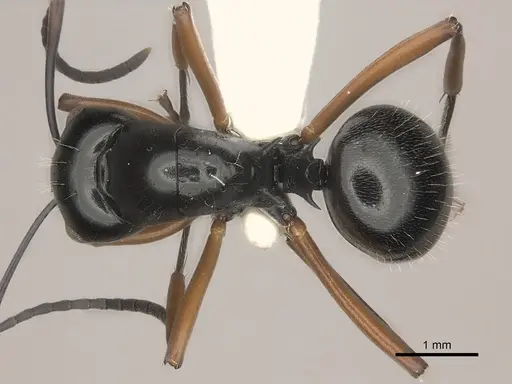
Literature
Loading distribution map...Loading products...