
Polyrhachis melpomene
- Sci. Name
- Polyrhachis melpomene
- Subgenus
- Myrmhopla
- Tribe
- Camponotini
- Subfamily
- Formicinae
- Author
- Emery, 1897
- Distribution
- Found in 1 countries
Introduction
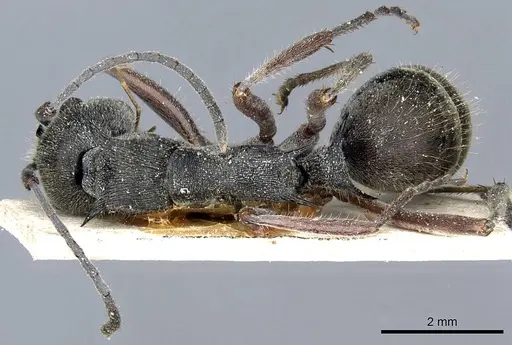
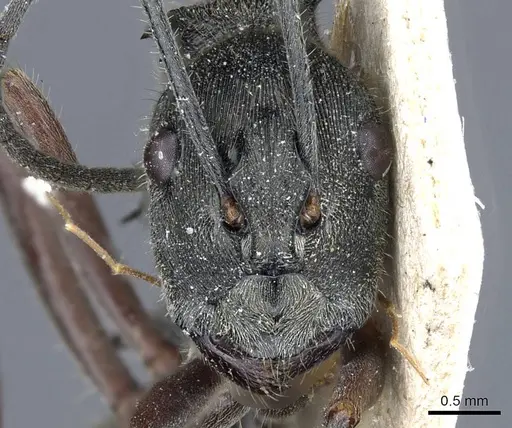
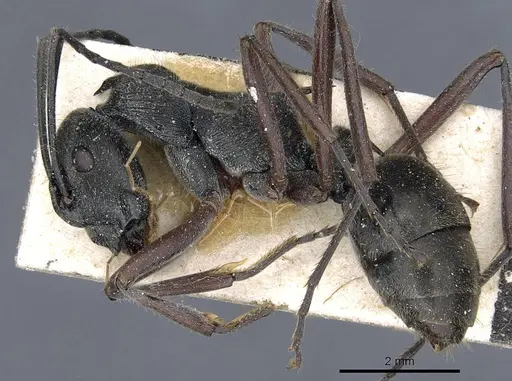
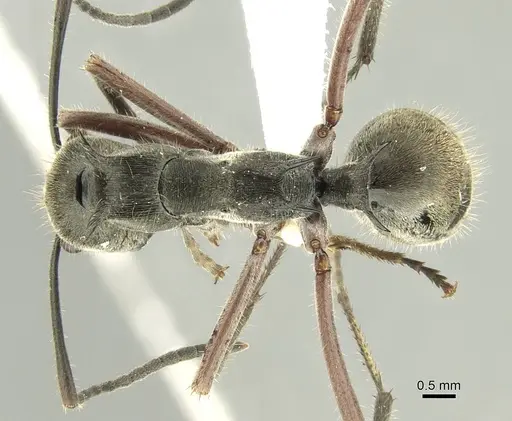
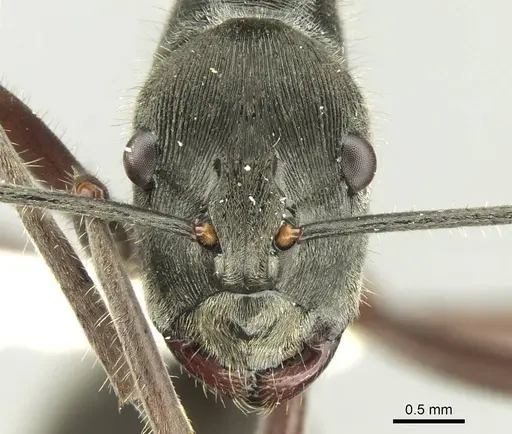
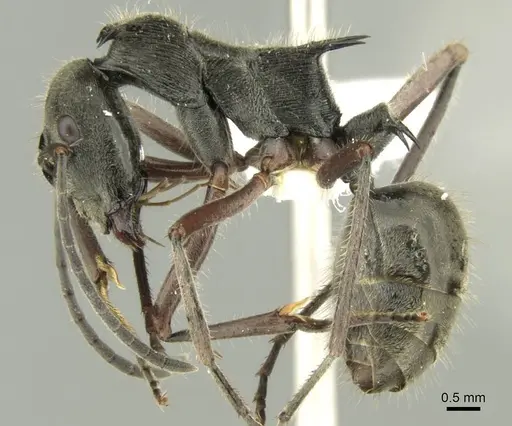
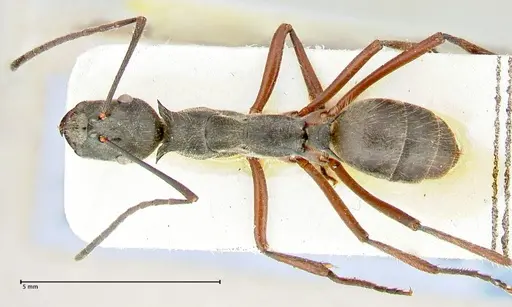
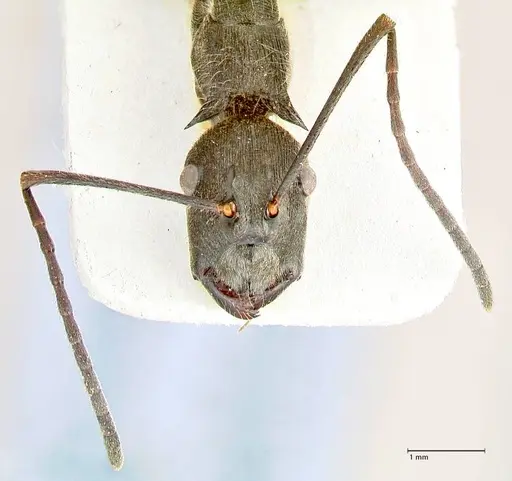
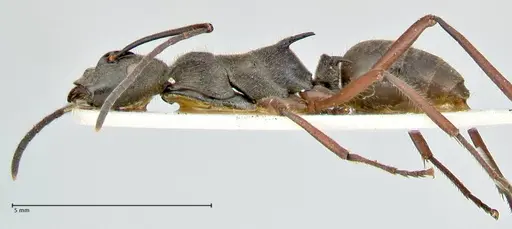
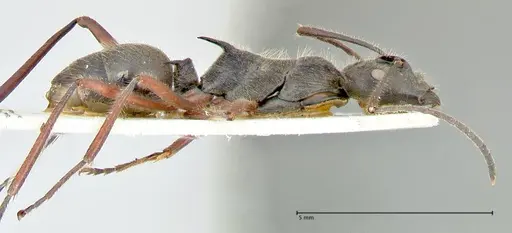
Polyrhachis melpomene is a species native to New Guinea, belonging to the subgenus Myrmhopla . Workers have a spiny appearance with prominent spines on the thorax and gaster . The species was originally described by Emery in 1897 and was previously known as Polyrhachis dolichocephala before being synonymized . This species inhabits tropical rainforest environments in New Guinea, where it nests in rotting wood (lignicolous) . Like other Formicinae, it has pupal cocoons . It is relatively obscure in antkeeping due to limited distribution.
Quick Summary
- Difficulty: Medium
- Origin & Habitat: New Guinea (Papua New Guinea and Indonesian Papua), tropical rainforest environment [1]
- Colony Type: Colony structure is unconfirmed. Research does not specify queen number.
- Size & Growth:
- Queen: Approximately 10-12 mm, inferred from Polyrhachis genus patterns.
- Worker: Approximately 6-9 mm, inferred from Polyrhachis genus patterns.
- Colony: Up to several hundred workers, inferred from genus patterns.
- Growth: Moderate, inferred from typical Polyrhachis development.
- Development: Estimated 6-8 weeks at tropical temperatures, inferred from related Polyrhachis species. (Cocoons are present, which is typical for the genus [2].)
- Antkeeping:
- Temperature: Keep at 24-28°C. This tropical species does not tolerate cool temperatures well.
- Humidity: Maintain moderate to high humidity. Keep the nest substrate moist but not waterlogged.
- Diapause: No, as a tropical species, they do not require hibernation.
- Nesting: Lignicolous in nature. In captivity, use wood-based nests like Y-tong or plaster with wood inclusions [2][3].
- Behavior: Polyrhachis ants are generally calm and will defend their nest if disturbed. Workers have spines for defense. As Formicinae, they use formic acid spray rather than stinging. Escape prevention is important due to their climbing ability.
- Common Issues: temperatures below 22°C can cause decline, keep them warm, wood-nesting species need appropriate nest material, test tubes may not be ideal long-term, limited availability makes this species difficult to acquire, high humidity requirements can lead to mold if ventilation is poor, wild-caught colonies may have parasites or diseases
Nest Preferences and Housing
Polyrhachis melpomene is a lignicolous species, meaning it naturally nests in rotting wood [2][3]. In captivity, provide nest conditions that mimic this. Y-tong (AAC) nests work well, or create a naturalistic setup with pieces of rotting wood embedded in soil or plaster. The wood should be soft enough for excavation but firm enough to hold tunnels. Some keepers use plaster nests with wood cavities. Test tubes can work for founding colonies, but transfer to a wood-based nest as the colony grows. Ensure humidity retention since wood-nesting ants prefer slightly moist conditions.
Feeding and Diet
Diet is not specified in research for this species. Based on general Polyrhachis habits, they are likely omnivores. Offer sugar water or honey constantly for energy, and provide small insects like fruit flies or mealworms for protein. Remove uneaten prey after 24-48 hours to prevent mold.
Temperature and Care
As a tropical species, P. melpomene requires warm conditions. Keep the nest area at 24-28°C, with a slight gradient if possible. Avoid temperatures below 22°C. Use heating cables or mats if needed, but monitor for overheating. Since they do not undergo diapause, maintain consistent temperatures year-round.
Humidity and Water
New Guinea has a humid climate, so maintain moderate to high humidity. Keep the nest substrate moist but not waterlogged. Provide a water source like a cotton wick. Balance humidity with ventilation to prevent mold growth.
Behavior and Temperament
Polyrhachis ants are generally calm. Workers forage methodically and defend the nest if disturbed. Spines serve as passive defense. As Formicinae, they use formic acid spray rather than stinging. They are good climbers, so escape prevention is important. Use barriers like Fluon on outworld rims.
Frequently Asked Questions
How long does it take for Polyrhachis melpomene to have first workers?
Based on related Polyrhachis species, expect first workers approximately 6-8 weeks after the queen lays eggs, when kept at optimal tropical temperatures of 25-28°C. This is an estimate since species-specific development data is not available.
What do Polyrhachis melpomene ants eat?
They are likely omnivores. Offer sugar water or honey constantly, and feed small insects like fruit flies or mealworms 2-3 times per week for protein. Remove uneaten prey after 24-48 hours.
Can I keep Polyrhachis melpomene in a test tube?
Test tubes work for founding colonies, but this wood-nesting species will do better long-term in a Y-tong nest, plaster nest with wood cavities, or a naturalistic setup with rotting wood [2][3]. Transfer to a more appropriate nest as the colony grows.
What temperature do Polyrhachis melpomene need?
Keep them warm at 24-28°C. This tropical species does not tolerate cool temperatures well, avoid dropping below 22°C.
Is Polyrhachis melpomene good for beginners?
This species is rated as Medium difficulty. It requires warm, humid conditions and wood-based nesting, which is slightly more specialized than common beginner species. However, experienced antkeepers should find it manageable. Availability may be the biggest challenge.
Do Polyrhachis melpomene need hibernation?
No, as a tropical species from New Guinea, they do not require hibernation or diapause. Keep temperatures stable year-round in the warm range (24-28°C).
How big do Polyrhachis melpomene colonies get?
Based on genus patterns, colonies likely reach up to several hundred workers. Exact maximum size is unknown for this specific species.
Why is my Polyrhachis melpomene colony dying?
Common causes include temperatures dropping below 22°C, low humidity drying out the nest, mold from excessive moisture with poor ventilation, or parasites from wild-caught colonies. Check environmental parameters and ensure the queen is still laying eggs.
Where is Polyrhachis melpomene found?
Polyrhachis melpomene is native to New Guinea, specifically Papua New Guinea and Indonesian Papua. They inhabit tropical rainforest environments where they nest in rotting wood [1].
Report an Issue
The current care sheet is based fully on literature. See inconsistencies, or something that's incorrect? Please , it will be resolved after review from an admin. Contributing to the blogs tab also helps providing information, to make us be able to further improve the caresheets. Thank you for your support!
References

This caresheet is licensed under CC BY-SA 4.0 .
Community Blogs
Literature
Loading distribution map...Loading products...