
Polyrhachis lownei
- Sci. Name
- Polyrhachis lownei
- Subgenus
- Chariomyrma
- Tribe
- Camponotini
- Subfamily
- Formicinae
- Author
- Forel, 1895
- Distribution
- Found in 1 countries
Introduction
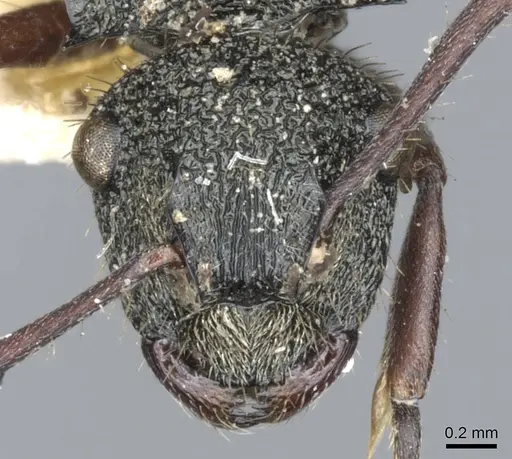
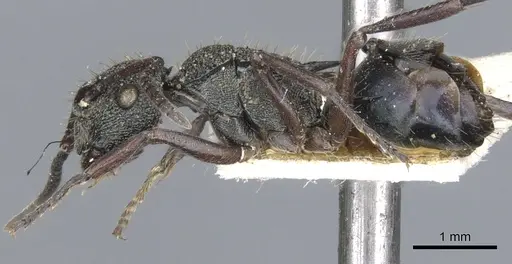
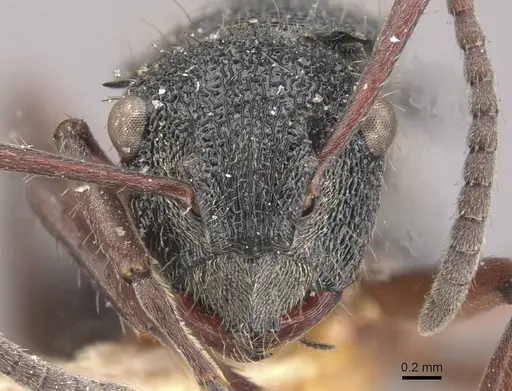
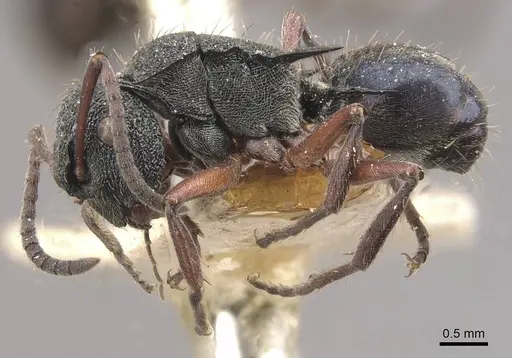
Polyrhachis lownei is an Australian ant species belonging to the subgenus Chariomyrma . Workers have spiny projections on their thorax and are dark brown to black. They nest subterranean and produce cocooned pupae . This species is notable for its underground nesting behavior, which differs from some arboreal Polyrhachis species.
Quick Summary
- Difficulty: Medium
- Origin & Habitat: Australia, found across various regions [1]. They inhabit subterranean nests in soil [2].
- Colony Type: Colony structure is not well documented. Based on typical Polyrhachis patterns, they are likely monogyne (single queen) colonies, though some related species can be polygyne. Ergatoid replacement reproductives have not been documented for this species.
- Size & Growth:
- Queen: Size data unavailable, inferred from Polyrhachis genus to be around 10-12mm
- Worker: Size data unavailable, inferred from Polyrhachis genus to be around 6-8mm
- Colony: Unknown for this species, related Polyrhachis species typically reach several hundred to a few thousand workers
- Growth: Moderate, inferred from genus patterns
- Development: Estimated 8-12 weeks based on genus-level data for similar Polyrhachis species (Development time is inferred from related species. Cocoon production adds time compared to species with naked pupae [2].)
- Antkeeping:
- Temperature: Temperature needs are unclear, start around 24-28°C and observe. Australian species generally tolerate a range from 22-30°C.
- Humidity: Keep substrate consistently moist but not waterlogged, based on subterranean nesting [2].
- Diapause: Likely required during Australian winter months, reduce temperature to 15-18°C for several months. Based on geographic range and genus patterns.
- Nesting: Subterranean nester, provide deep substrate for digging [2]. Use Y-tong, plaster, or naturalistic nests with at least 10-15cm depth.
- Behavior: Polyrhachis lownei workers are moderately active and show typical foraging behavior. They are not particularly aggressive but will defend their nest. They lack a functional sting and spray formic acid for defense, typical of Formicinae. Workers are medium-sized, making escape prevention straightforward with standard barriers.
- Common Issues: colonies may stagnate if temperature is too low, keep warm and stable, subterranean species need deep nesting areas, shallow nests cause stress and may lead to colony abandonment, cocoon-producing species have longer development times, growth may seem slow, wild-caught colonies may contain parasites, quarantine new colonies carefully, overwatering can drown founding queens, keep substrate moist but not saturated
Housing and Nest Setup
Polyrhachis lownei is a subterranean nester, meaning they naturally dig underground chambers [2]. For captive care, provide deep nesting space, at least 10-15cm of substrate depth is ideal. Y-tong (AAC) nests work well because they provide dark, enclosed chambers. Plaster nests with water reservoirs maintain humidity. Naturalistic setups with deep soil allow for digging behavior. For founding colonies, a test tube setup can work, but upgrade as the colony grows. The key is a dark, humid environment that stays consistently moist.
Feeding and Diet
Polyrhachis lownei is omnivorous and accepts a varied diet. Offer sugar sources like honey or sugar water regularly. Protein is essential for brood development: small insects like fruit flies or mealworms are ideal. Feed protein 2-3 times per week, adjusting based on consumption. Remove uneaten prey after 24-48 hours to prevent mold.
Temperature and Heating
As an Australian species, Polyrhachis lownei prefers warm conditions. Keep the nest area at 24-28°C for optimal brood development. Room temperature is acceptable, but colonies may grow faster with slight heating. Create a temperature gradient using a heat mat on one side, allowing ants to self-regulate. Avoid direct heat to prevent drying out the substrate.
Humidity and Moisture
Subterranean ants like Polyrhachis lownei need consistently moist substrate [2]. The nest material should feel damp but not waterlogged. Check moisture levels every few days and mist lightly if dry. Too much moisture causes mold, too little causes desiccation. Provide a moisture gradient for the colony to choose optimal conditions.
Seasonal Care and Overwintering
In Australia, Polyrhachis lownei experiences seasonal changes. During cooler months (roughly May-September in the southern hemisphere), reduce temperatures to 15-18°C to simulate winter diapause. This slows activity but benefits colony health. Do not feed during deep hibernation, but provide water. Gradually warm the colony in spring to restart activity.
Frequently Asked Questions
How long does it take for Polyrhachis lownei to produce first workers?
Based on typical Polyrhachis development, expect first workers approximately 8-12 weeks after egg laying. This is slower due to cocooned pupae [2]. Patience is key, avoid disturbing the founding chamber.
What is the best nest type for Polyrhachis lownei?
Y-tong (AAC) nests or plaster nests work best, providing dark, humid conditions for this subterranean species [2]. Naturalistic setups with deep soil are also suitable.
Can I keep multiple queens together?
Polyrhachis lownei likely forms single-queen colonies. Combining unrelated foundress queens is not recommended as they may fight. House founding queens alone until workers emerge.
How big do Polyrhachis lownei colonies get?
Exact colony size is unknown, but related Polyrhachis species typically reach several hundred to a few thousand workers. With proper care, expect growth to several hundred workers over 1-2 years.
What do Polyrhachis lownei eat?
They are omnivorous. Offer sugar sources regularly and protein like small insects 2-3 times per week. Remove uneaten food promptly to prevent mold.
Do they need hibernation?
Yes, based on their Australian origin, a winter cool-down period is likely beneficial. Reduce temperatures to 15-18°C for several months. If room temperature is consistent, hibernation is optional but may improve health.
Are Polyrhachis lownei good for beginners?
They are rated as medium difficulty. They require attention to humidity and warmth but are manageable for those with some experience.
When should I move my colony to a formicarium?
Move from a test tube when the colony reaches 20-30 workers and the test tube shows degradation. A Y-tong or plaster nest with multiple chambers accommodates growth.
Why is my colony growing slowly?
Slow growth may be due to low temperature, insufficient feeding, or low humidity. Cocooned pupae naturally take longer to develop, this is normal for the species [2].
Report an Issue
The current care sheet is based fully on literature. See inconsistencies, or something that's incorrect? Please , it will be resolved after review from an admin. Contributing to the blogs tab also helps providing information, to make us be able to further improve the caresheets. Thank you for your support!
References

This caresheet is licensed under CC BY-SA 4.0 .
Community Blogs
CASENT0903349
View on AntWeb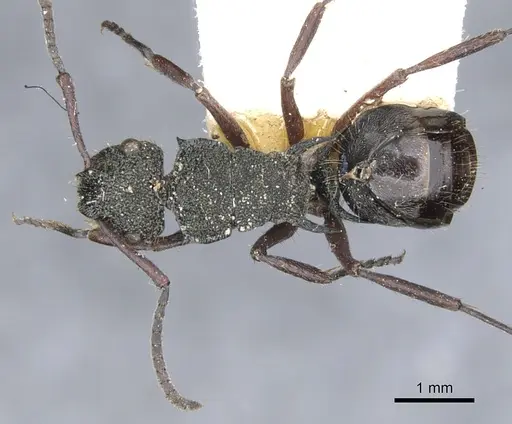
CASENT0910829
View on AntWeb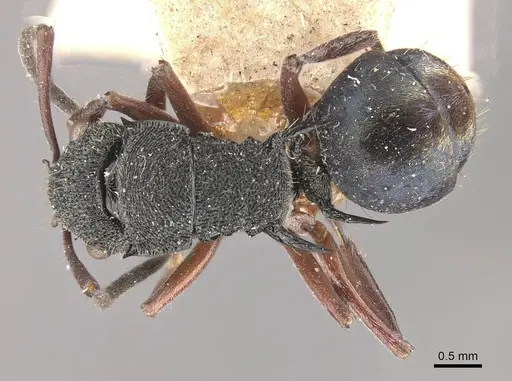
Literature
Loading distribution map...Loading products...