
Polyrhachis insularis
- Sci. Name
- Polyrhachis insularis
- Subgenus
- Campomyrma
- Tribe
- Camponotini
- Subfamily
- Formicinae
- Author
- Emery, 1887
- Distribution
- Found in 1 countries
Introduction
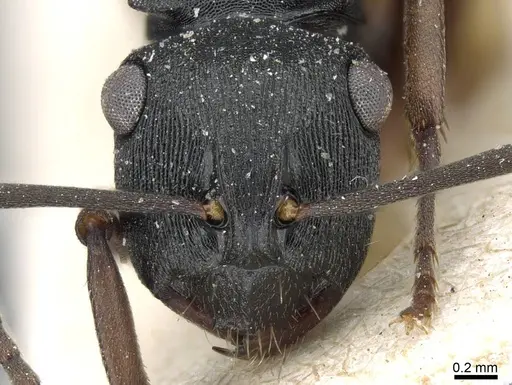
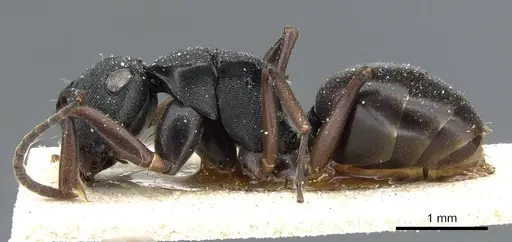
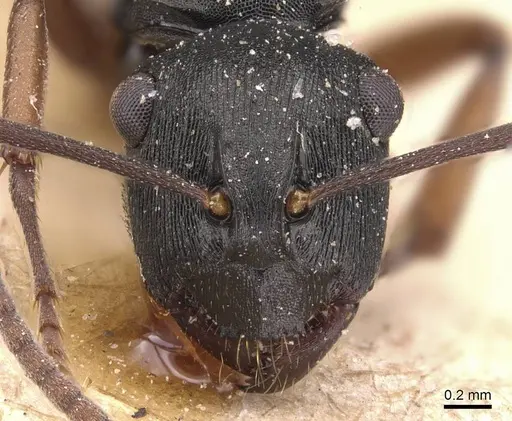
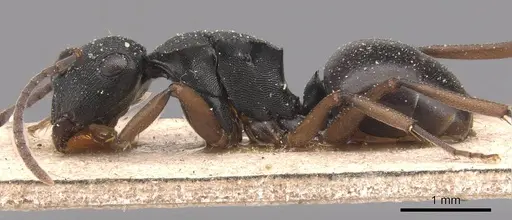
Polyrhachis insularis is a tropical ant species originally described by Emery and found throughout New Britain and the broader Oceania region . These ants belong to the subgenus Campomyrma, a group known for their subterranean nesting habits . Workers have spines protruding from the thorax, a characteristic of the Polyrhachis genus . Size data is unavailable for this species. The most interesting aspect is their subterranean nesting behavior, with colonies living underground and producing pupal cocoons .
Quick Summary
- Difficulty: Medium
- Origin & Habitat: New Britain, Papua New Guinea region, tropical islands with humid, warm climate. They nest underground in soil [2][1].
- Colony Type: Based on Polyrhachis patterns, likely monogyne (single queen), but unconfirmed for this species.
- Size & Growth:
- Queen: size data unavailable, inferred from Polyrhachis genus (~10-14 mm)
- Worker: size data unavailable, inferred from Polyrhachis genus (~6-10 mm)
- Colony: Maximum colony size unknown, but related Polyrhachis species can have up to several thousand workers.
- Growth: Moderate
- Development: Estimated 6-10 weeks at tropical temperatures (Development time is estimated from genus-level data, direct measurements for this species are unavailable)
- Antkeeping:
- Behavior: Polyrhachis ants are generally moderate in temperament, they are not extremely aggressive but will defend their nest if threatened. Escape risk is moderate due to their size, use standard barrier methods.
- Common Issues: tropical species are sensitive to temperature drops, sudden cooling can stress or kill colonies., subterranean nesting requires proper humidity management, too dry and brood desiccates, too wet and mold becomes a problem., slow founding phase, claustral queens may take months to produce first workers, and beginners often give up too soon., wild-caught colonies may carry parasites or diseases that manifest in captivity., tropical ants do not tolerate cold, keep them away from air conditioning vents and cold windows.
Nest Preferences and Housing
Polyrhachis insularis is a subterranean nester, meaning they naturally dig and live in underground chambers [2]. In captivity, this translates to needing a nest with soil or a soil-like substrate that can hold moisture. A naturalistic setup with a deep soil chamber works well, as does a Y-tong nest filled with moist substrate. Plaster nests can also work if kept adequately moistened. The key is providing a nest environment that stays damp but not waterlogged.
Feeding and Diet
Research does not specify diet for this species, but general ant keeping practices suggest offering a balanced diet of protein and carbohydrates. Protein sources include small insects like fruit flies or mealworms, and carbohydrates include sugar water or honey. Fresh water should always be available. [3]
Temperature and Seasonal Care
As a tropical species from New Britain, Polyrhachis insularis requires warm conditions year-round. Keep the nest area between 24-28°C. Use a heating cable or mat on one side to create a gentle temperature gradient. Avoid temperature fluctuations near air conditioning vents or cold windows.
Colony Founding
Founding behavior is unconfirmed for this species. Based on Polyrhachis patterns, queens may perform claustral founding, sealing themselves in a chamber to raise the first brood on stored fat reserves. This phase can take several months, so patience is essential.
Behavior and Temperament
Polyrhachis ants are generally not aggressive toward humans but will defend their nest if threatened. Workers are active foragers that search for food on the ground and may climb surfaces. Escape risk is moderate, use standard barrier methods like fluon on container rims. [3]
Frequently Asked Questions
How long does it take for Polyrhachis insularis to produce first workers?
This is unknown for this species, but based on related Polyrhachis, it may take 6-10 weeks at optimal temperatures.
Can I keep Polyrhachis insularis in a test tube?
Test tubes can work for founding colonies, but because this is a subterranean species that needs moisture, you may need to add a moist substrate area.
What temperature do Polyrhachis insularis need?
Keep them at 24-28°C. As a tropical species, they need consistent warmth year-round.
Are Polyrhachis insularis good for beginners?
This species is rated as medium difficulty. The main challenges are maintaining proper humidity and temperature consistently, and the slow founding phase requires patience.
How big do Polyrhachis insularis colonies get?
Colony size is not documented for this specific species, but related Polyrhachis species can have up to several thousand workers.
Do Polyrhachis insularis need hibernation?
No. As a tropical species, they do not require hibernation or winter rest.
What do Polyrhachis insularis eat?
They are generalist feeders. Offer small insects for protein and sugar water or honey for carbohydrates.
When should I move my colony to a formicarium?
You can keep them in a test tube setup as long as the colony is small. Transfer to a larger nest once the colony reaches 30-50 workers or the test tube becomes cramped.
Can I keep multiple queens together?
The colony structure of Polyrhachis insularis has not been documented. Most Polyrhachis species are monogyne, so it is not recommended to keep multiple unrelated queens together.
Report an Issue
The current care sheet is based fully on literature. See inconsistencies, or something that's incorrect? Please , it will be resolved after review from an admin. Contributing to the blogs tab also helps providing information, to make us be able to further improve the caresheets. Thank you for your support!
References

This caresheet is licensed under CC BY-SA 4.0 .
Community Blogs
CASENT0905560
View on AntWeb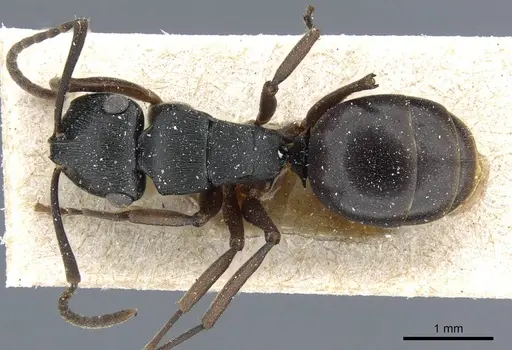
CASENT0905814
View on AntWeb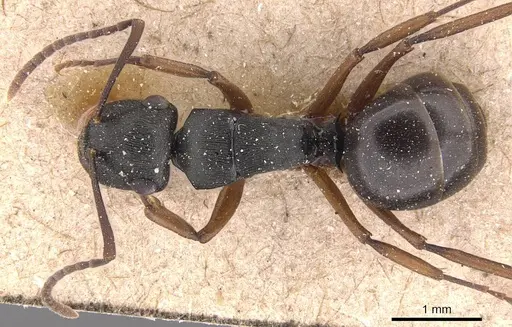
Literature
Loading distribution map...Loading products...