Polyrhachis illaudata shows a July to October flight window. Peak activity occurs in July and October, with nuptial flights distributed across 3 months.
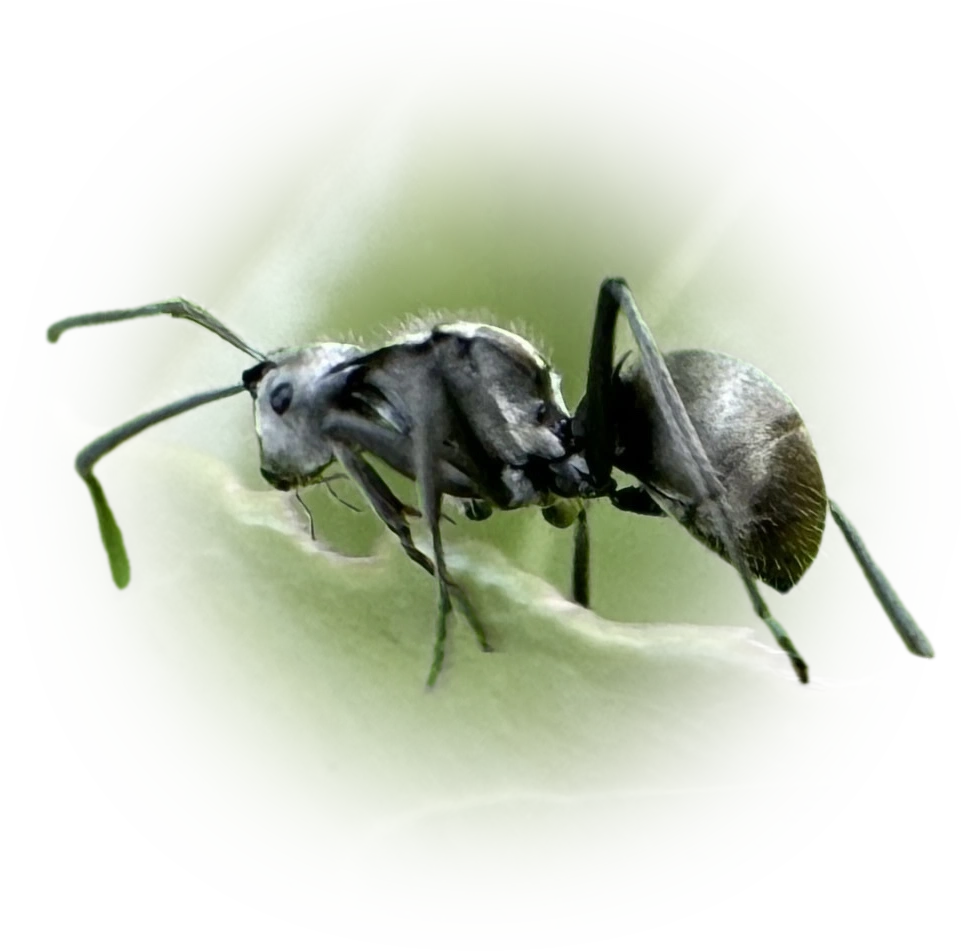
Polyrhachis illaudata
- Sci. Name
- Polyrhachis illaudata
- Subgenus
- Myrma
- Tribe
- Camponotini
- Subfamily
- Formicinae
- Author
- Walker, 1859
- Distribution
- Found in 10 countries
- Nuptial Flight
- From July to October
- Peak flight Time
- 10:00
AI Identifiable
try →
Introduction
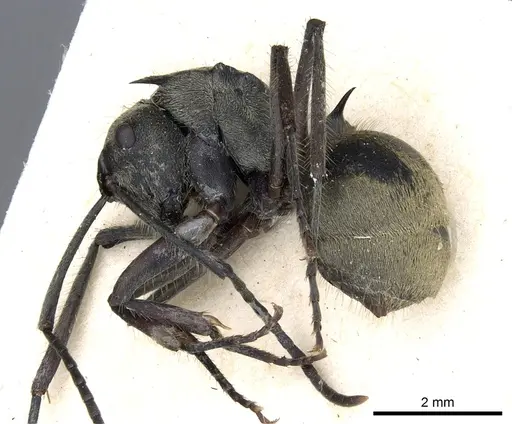
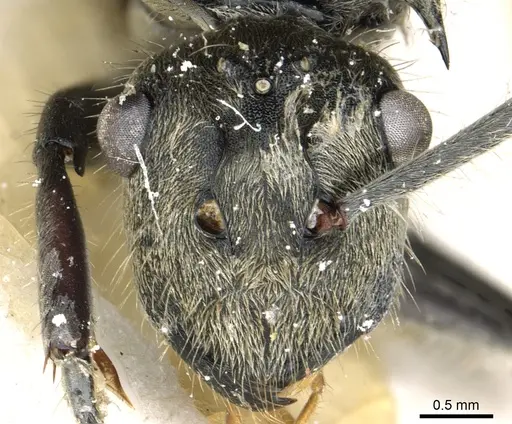
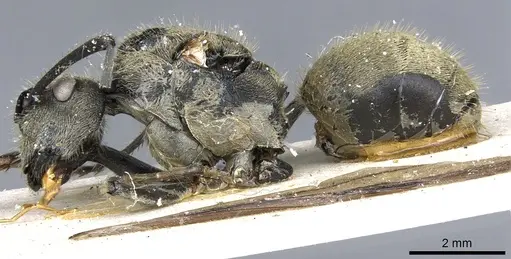
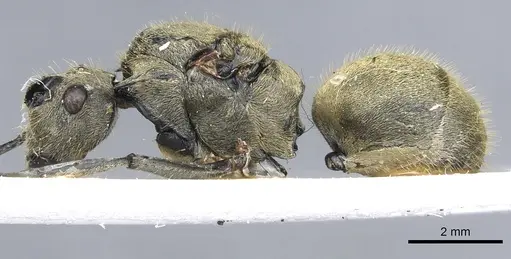
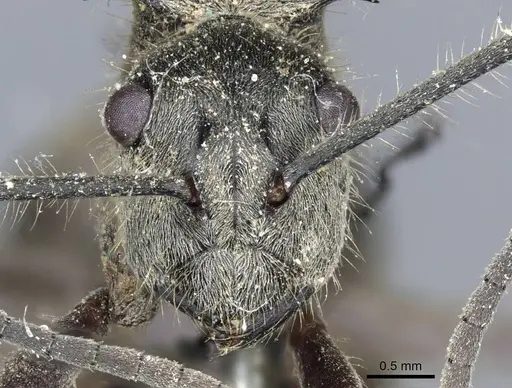
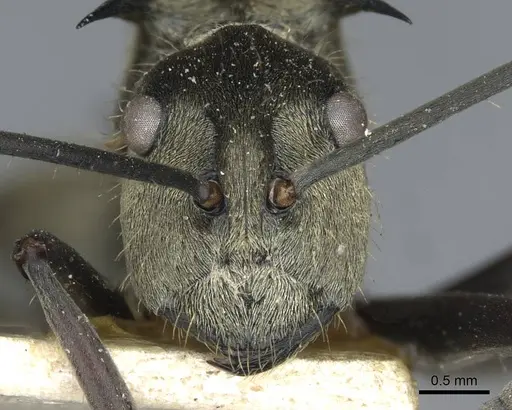
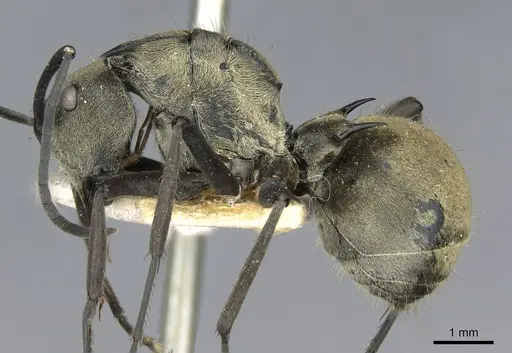
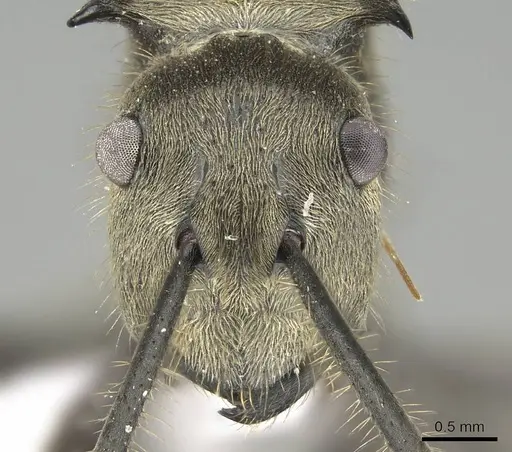
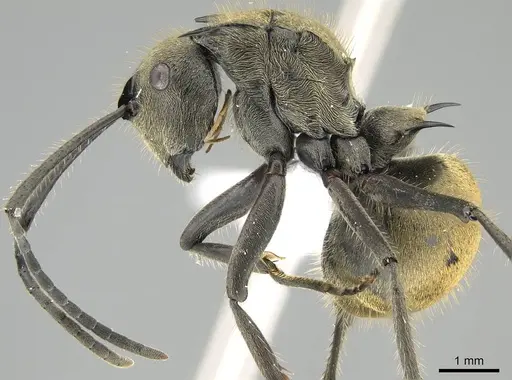
Polyrhachis illaudata is a medium-sized ant native to South and Southeast Asia, including Sri Lanka, India, Bangladesh, Nepal, Thailand, Malaysia, Indonesia, the Philippines, and southern China . Workers measure 8.7-10.5 mm and are black with dense golden hairs . They nest in soil or under tree bark in wet tropical forests, often in primary forest habitats . What makes P. illaudata interesting is its polydomous nesting behavior, where colonies maintain multiple connected nest sites across their territory . They forage during the day using group recruitment and tend homopterans for honeydew .
Quick Summary
- Difficulty: Medium
- Origin & Habitat: Native to South and Southeast Asia in wet tropical and subtropical forests, typically at elevations from 500-1200 meters. Found in primary forest habitats and restricted to these areas, not present in secondary forests or plantations [4][6][7].
- Colony Type: Monogyne (single queen per colony) with polydomous nesting, colonies spread across multiple connected nest sites rather than a single nest [3].
- Size & Growth:
- Queen: Size data unavailable, no direct measurements in research literature
- Worker: 8.7-10.5 mm [1][2]
- Colony: Up to several hundred workers, estimated based on polydomous nature [3]
- Growth: Moderate
- Development: Estimated 6-8 weeks at 24-28°C, inferred from genus patterns (Cocoon stage is present as confirmed by field observations [3]. Development time is inferred since direct measurements are not available.)
- Antkeeping:
- Temperature: Keep at 24-28°C as a starting point, this is a tropical species from warm forests [8].
- Humidity: Keep nest substrate consistently moist but not waterlogged, mimicking damp tropical forest conditions [8].
- Diapause: No, this is a tropical species that does not undergo hibernation [8].
- Nesting: Flexible nesting preferences, in nature they nest in soil or under tree bark. For captivity, use a test tube setup for founding colonies. As colonies grow, provide a formicarium with multiple connected chambers to accommodate polydomous behavior [3][8].
- Behavior: Workers are active during the day (diurnal) and forage on the ground, in shrubs, and in trees. They use group recruitment to food sources and are not particularly aggressive but will defend their nest. Escape risk is standard for medium-sized ants [5][9].
- Common Issues: colonies may fail if humidity drops too low, these are tropical ants adapted to consistently damp conditions, polydomous nesting means they may try to establish secondary nests outside the main formicarium if given the opportunity, wild-caught colonies may carry parasites including the zombie ant fungus (Ophiocordyceps) which has been documented infecting this species [11][12], slow growth compared to faster-developing tropical ants may frustrate beginners, they may not accept test tube setups long-term if they prefer the flexibility of multiple nest sites
Nuptial Flight Activity Analysis 81 observations
Flight Activity by Hour 81 observations
Polyrhachis illaudata nuptial flight activity peaks around 10:00 during the late morning to early afternoon. Activity is spread across a 23-hour window (00:00–22:00). Times may be influenced by human observation patterns.
Housing and Nest Setup
For founding colonies, use a standard test tube setup with damp cotton. Once workers arrive (typically 6-8 weeks), keep them in the test tube for several months. As the colony grows to 20+ workers, move to a formicarium with multiple connected chambers to accommodate their polydomous nature. Ensure nest material stays damp but not waterlogged [3][8].
Feeding and Diet
Polyrhachis illaudata is omnivorous with a preference for carbohydrates. Offer sugar water or honey water constantly, and provide protein sources like small insects 2-3 times per week. Feed during daylight hours for best acceptance [5][10].
Temperature and Seasonal Care
Keep temperatures at 24-28°C year-round, this species does not require diapause. If room temperature drops below 22°C, use a heating cable to create a gentle gradient [8].
Colony Structure and Polydomous Behavior
Colonies maintain multiple nest sites connected by trails. In captivity, workers may establish secondary nests within their enclosure, this is normal behavior. The colony has a single queen, but she may be in one nest while workers maintain others [3][5].
Health Concerns
This species is susceptible to the zombie ant fungus Ophiocordyceps unilateralis. Maintain good hygiene, avoid introducing wild ants or soil from infected areas, and quarantine new colonies [11][12].
Nuptial Flights and Reproduction
Nuptial flights occur after heavy rain, typically around midnight in July. Alates are observed near lights approximately 100 meters from nest entrances. Maintain warm temperatures and well-established colonies to encourage reproduction [8].
Frequently Asked Questions
How long does it take for Polyrhachis illaudata to produce first workers?
Based on related Polyrhachis species, expect 6-8 weeks from egg to first worker at optimal temperature (24-28°C). This is an estimate since direct development data is not available [8].
Can I keep multiple queens together?
No, this species is monogyne, meaning colonies have a single queen. While colonies are polydomous with multiple nest sites, each nest is part of the same colony with one queen [3].
What do Polyrhachis illaudata eat?
They are omnivorous but prefer carbohydrates. Offer sugar water constantly and provide protein like small insects 2-3 times per week [5][10].
Do they need hibernation?
No, this is a tropical species that does not undergo diapause. Keep temperatures stable year-round [8].
Are Polyrhachis illaudata good for beginners?
They are rated as medium difficulty. They require attention to humidity and warm temperatures but are rewarding to keep [8].
What size formicarium do they need?
Start with a test tube for founding. Once the colony reaches 20-30 workers, move to a small formicarium with multiple chambers to accommodate polydomous behavior [3].
Why are my ants dying?
Common causes include low humidity, temperatures below 22°C, mold from overwatering, or parasites like zombie ant fungus. Check for these issues and maintain proper care [11][12].
When should I move them to a formicarium?
Move from test tube to formicarium when the colony reaches 20-30 workers and the test tube is crowded. Ensure the formicarium has damp substrate [3].
How big do colonies get?
Colonies can reach up to several hundred workers, based on their polydomous nature [3].
When is the nuptial flight of Polyrhachis illaudata?
The nuptial flight of Polyrhachis illaudata typically occurs From July to October.
What time of day does Polyrhachis illaudata fly?
The nuptial flight of Polyrhachis illaudata peaks around 10:00 during the late morning to early afternoon, with most activity between 00:00 and 22:00. Times may be influenced by human observation patterns.
Report an Issue
The current care sheet is based fully on literature. See inconsistencies, or something that's incorrect? Please , it will be resolved after review from an admin. Contributing to the blogs tab also helps providing information, to make us be able to further improve the caresheets. Thank you for your support!
References

This caresheet is licensed under CC BY-SA 4.0 .
Community Blogs
CASENT0217775
View on AntWeb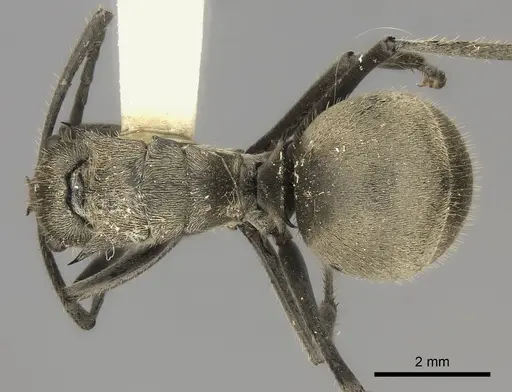
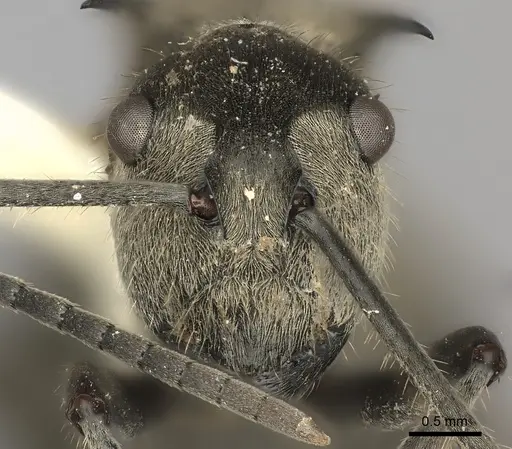
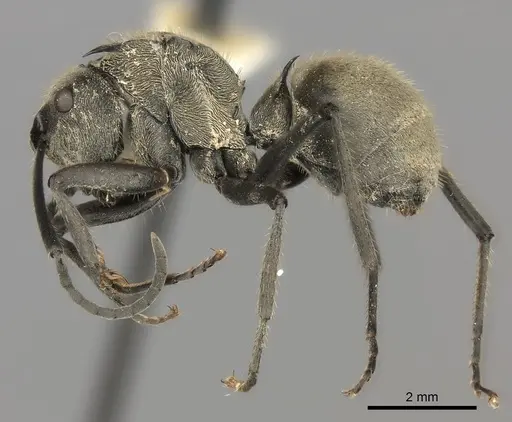
CASENT0217776
View on AntWeb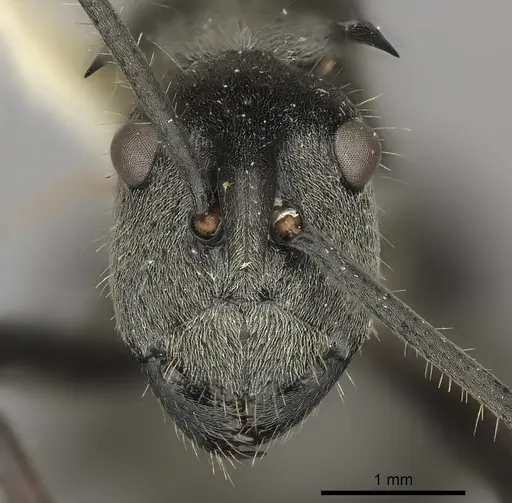
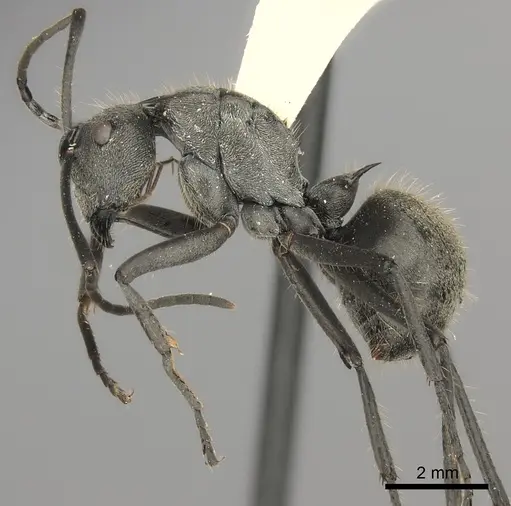
CASENT0903443
View on AntWeb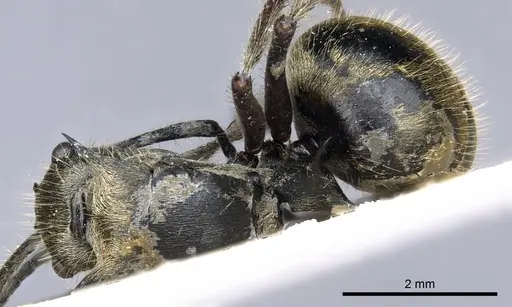
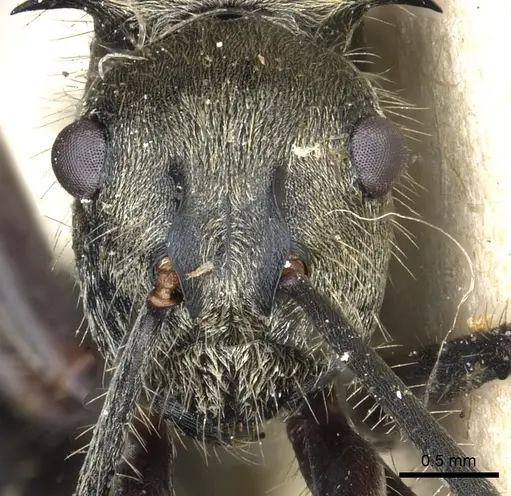
CASENT0903444
View on AntWeb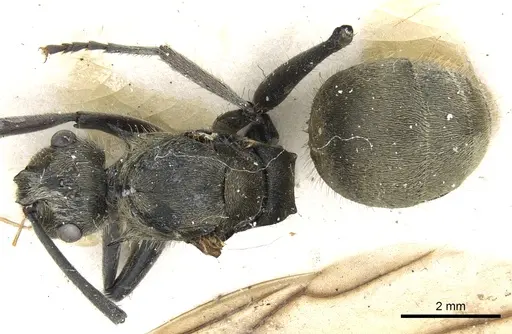
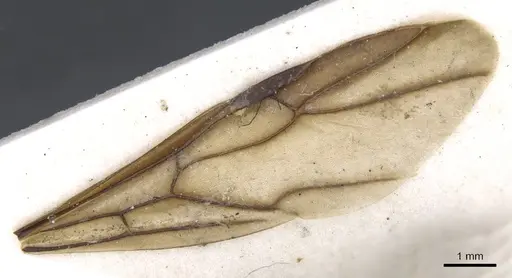
CASENT0903445
View on AntWeb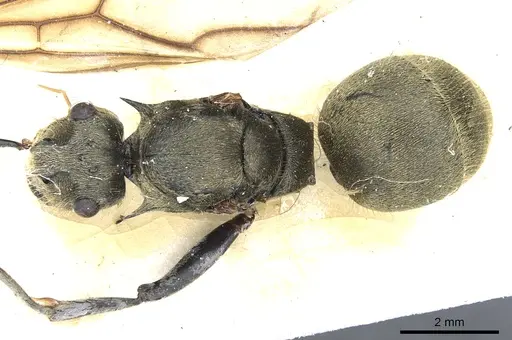
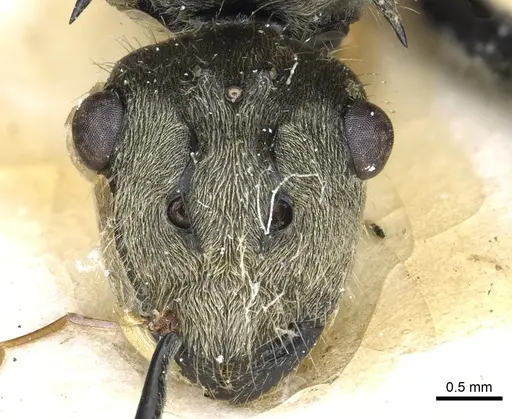
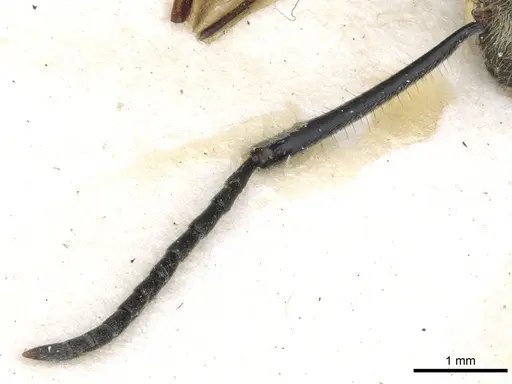
CASENT0905613
View on AntWeb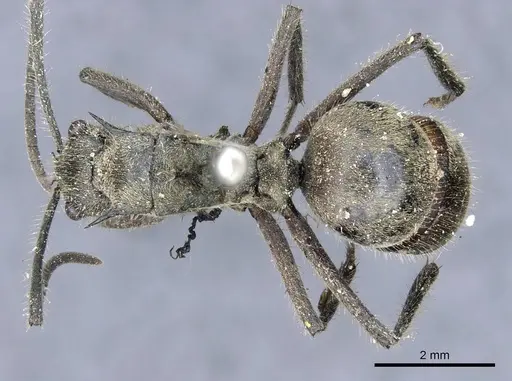
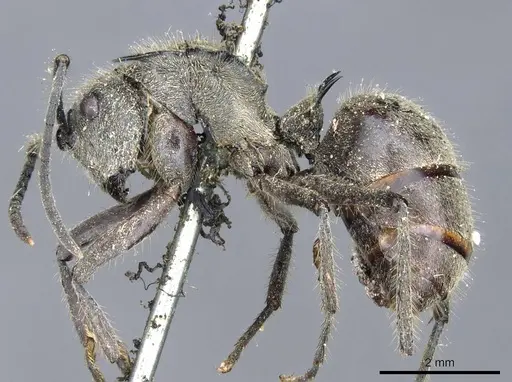
CASENT0910921
View on AntWeb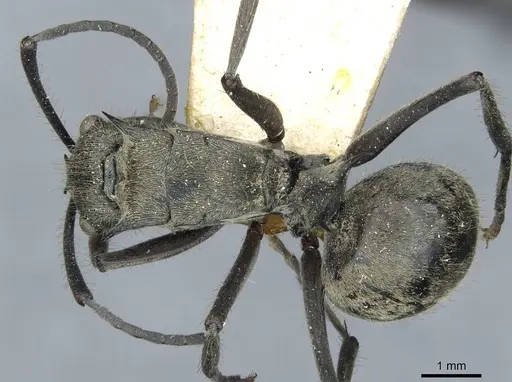
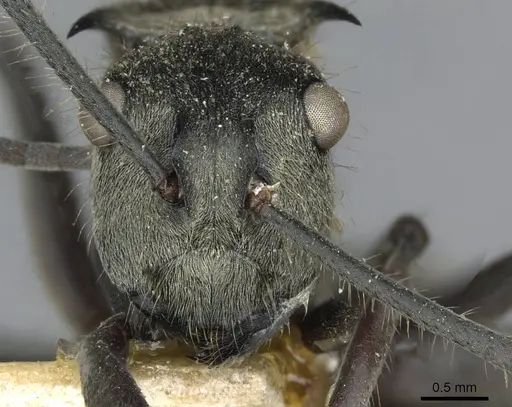
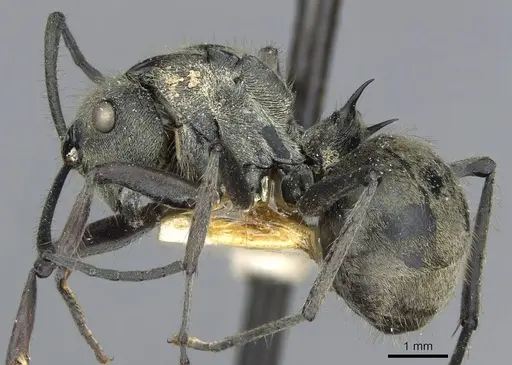
CASENT0910922
View on AntWeb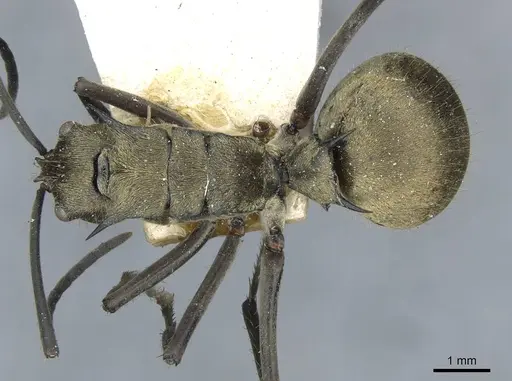
CASENT0919884
View on AntWeb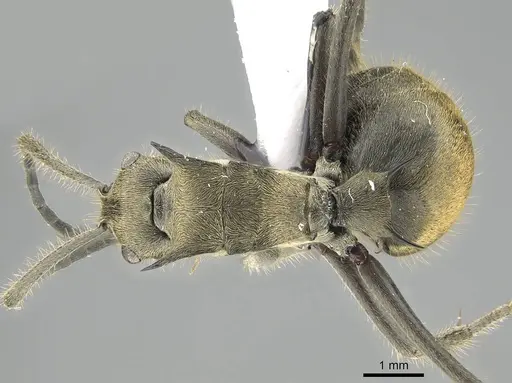
Literature
Loading distribution map...Loading products...