
Polyrhachis hostilis
- Sci. Name
- Polyrhachis hostilis
- Subgenus
- Chariomyrma
- Tribe
- Camponotini
- Subfamily
- Formicinae
- Author
- Smith, 1859
- Distribution
- Found in 1 countries
Introduction
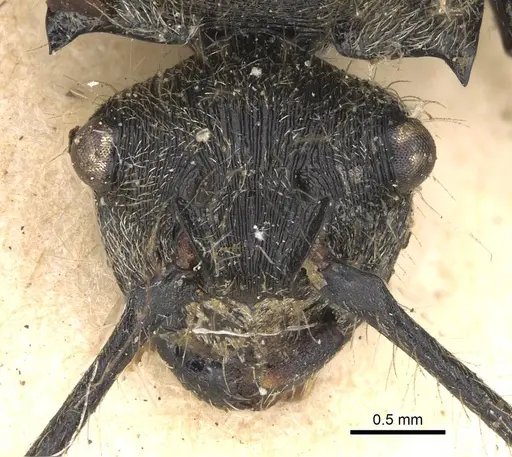
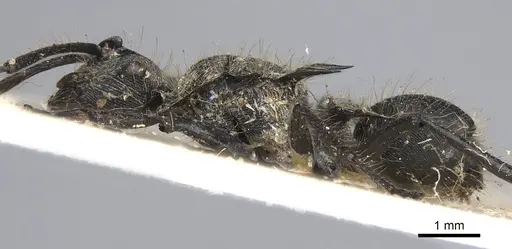
Polyrhachis hostilis is a species in the Formicinae subfamily, native to the Australasian region including New Guinea, the Aru Islands, and Australia . Size data is unavailable from the research, but based on Polyrhachis genus patterns, workers are typically medium-sized [inferred]. The species was described by Frederick Smith in 1859 . As a member of the subgenus Chariomyrma, it has relatively modest spines compared to other Polyrhachis groups . This species lacks a functional sting and uses formic acid spray for defense, typical of Formicinae ants.
Quick Summary
- Difficulty: Medium
- Origin & Habitat: Native to the Australasian region, including New Guinea, Aru Islands, and Australia, inhabiting tropical environments [1][2][3].
- Colony Type: Colony structure is unconfirmed. Based on typical Polyrhachis patterns, they are likely monogyne (single-queen colonies).
- Size & Growth:
- Queen: Size data unavailable, inferred from Polyrhachis genus to be around 8-10 mm.
- Worker: Inferred from Polyrhachis genus to be 5-8 mm.
- Colony: Up to several hundred workers, estimated from related species.
- Growth: Moderate.
- Development: Estimated 6-10 weeks at optimal temperatures. (Development time is estimated from genus patterns.)
- Antkeeping:
- Temperature: Keep warm and stable, roughly 24-28°C, as this is a tropical species.
- Humidity: Maintain high humidity, keep nest substrate consistently moist but not waterlogged.
- Diapause: No, they do not require hibernation.
- Nesting: Provide humid nest environment, Y-tong or plaster nests are suitable.
- Behavior: Generally calm and not aggressive, workers are active foragers. Escape risk is moderate due to their size.
- Common Issues: sensitivity to temperature drops, keep them warm year-round., high humidity requirements mean mold can be an issue if ventilation is poor., slow colony growth, patience is key., wild-caught colonies may carry parasites., small colony sizes make them vulnerable to stress.
Housing and Nest Setup
Polyrhachis hostilis is native to humid tropical forests [1][3]. Provide a humid nest environment with Y-tong or plaster nests. Connect the nest to an outworld for foraging. Keep the nest substrate moist but not waterlogged, and ensure darkness in the nest area.
Feeding Requirements
As an omnivorous forager, offer small insects like crickets or fruit flies 2-3 times per week, and provide sugar sources like diluted honey weekly. This is typical for Polyrhachis species [3].
Temperature and Seasonal Care
This is a tropical species that requires warm, stable temperatures around 24-28°C. Use a heating cable on one side of the nest to create a gradient. They do not need hibernation, as temperature drops below 22°C can stress them.
Colony Development and Patience
Colony growth is moderate, with estimated 6-10 weeks for first workers at optimal temperatures. A mature colony may reach several hundred workers over time. Minimize disturbances during founding to reduce stress.
Behavior and Handling
Workers are generally peaceful and may flee from disturbances. They use formic acid spray for defense, but this is mild in captivity. Escape risk is moderate due to their size.
Frequently Asked Questions
How long does it take for Polyrhachis hostilis to produce first workers?
Expect 6-10 weeks from egg to first worker at optimal temperatures, based on genus patterns.
Can I keep multiple Polyrhachis hostilis queens together?
Not recommended, as they are likely monogyne based on genus patterns. Combining queens may result in fighting.
What temperature do Polyrhachis hostilis need?
Keep them at 24-28°C, as they are a tropical species.
Do Polyrhachis hostilis need hibernation?
No, they do not require hibernation as a tropical species.
How big do Polyrhachis hostilis colonies get?
Up to several hundred workers, estimated from related species.
What do Polyrhachis hostilis eat?
They are omnivorous, offer small insects and sugar sources weekly.
Are Polyrhachis hostilis good for beginners?
They are rated medium difficulty due to humidity and warmth needs.
When should I move Polyrhachis hostilis to a formicarium?
Wait until the colony has at least 50-100 workers. Test tube setups work well for early stages.
Why is my Polyrhachis hostilis colony dying?
Common causes include low temperature, improper humidity, or parasites from wild-caught colonies. Check conditions first.
Report an Issue
The current care sheet is based fully on literature. See inconsistencies, or something that's incorrect? Please , it will be resolved after review from an admin. Contributing to the blogs tab also helps providing information, to make us be able to further improve the caresheets. Thank you for your support!
References

This caresheet is licensed under CC BY-SA 4.0 .
Community Blogs
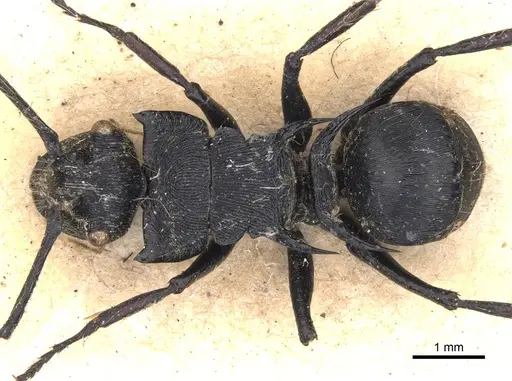
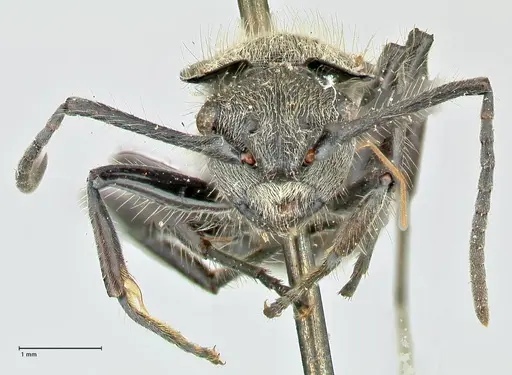
CASENT0901803
View on AntWeb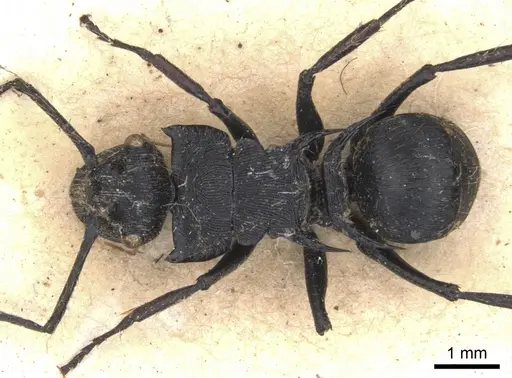
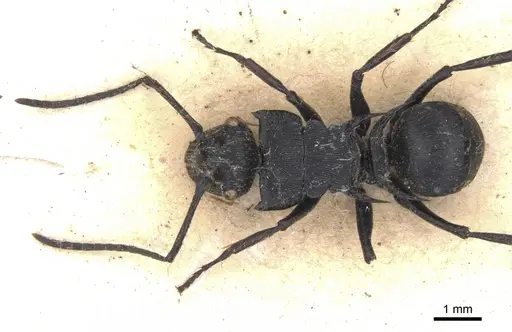
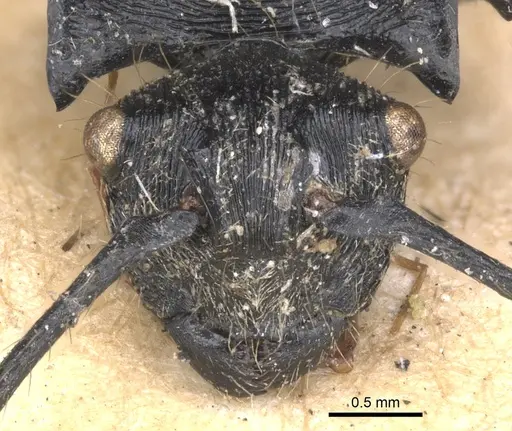
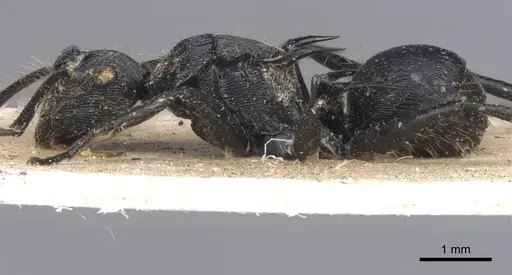
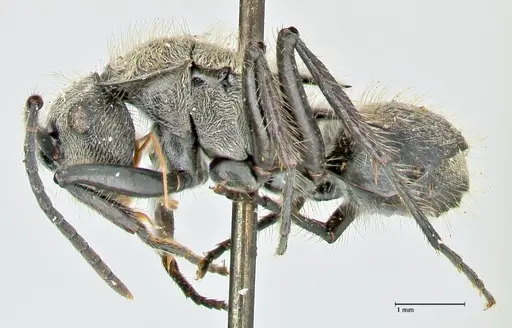
CASENT0903342
View on AntWeb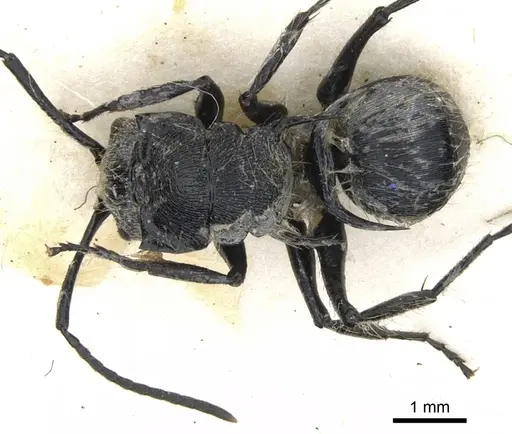
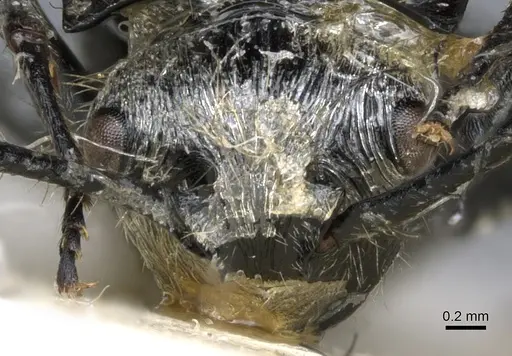
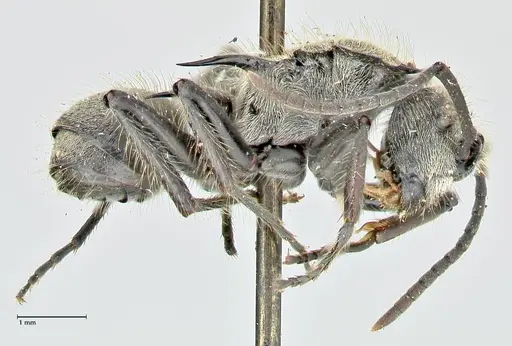
CASENT0906843
View on AntWeb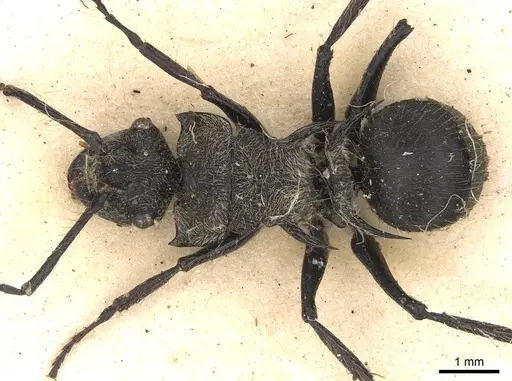
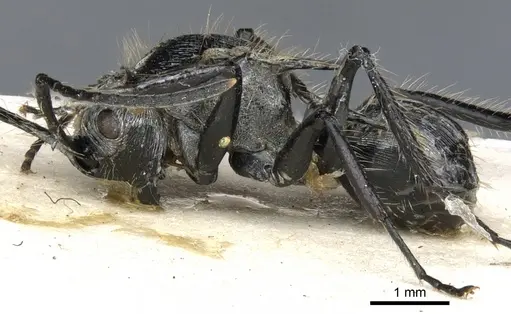
FOCOL2598
View on AntWeb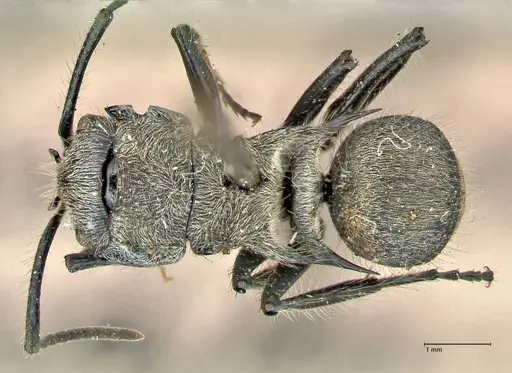
Literature
Loading distribution map...Loading products...