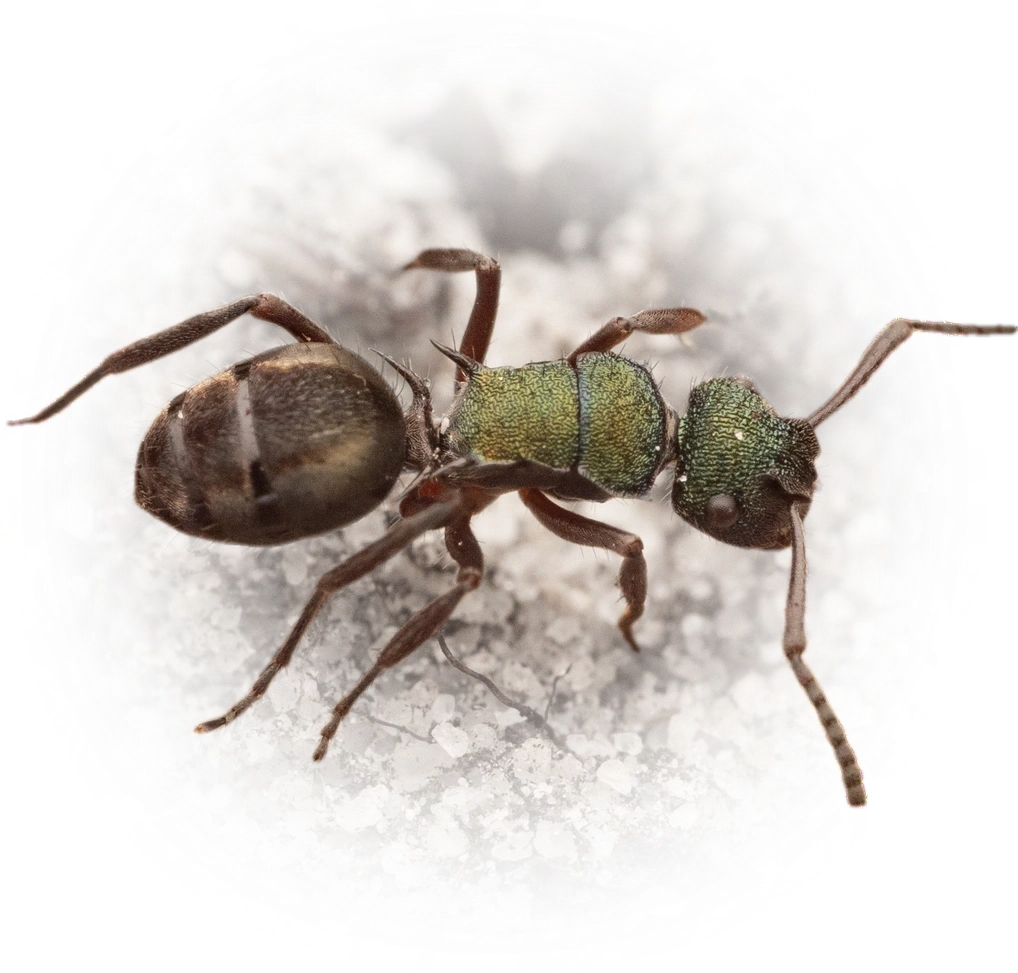
Polyrhachis hookeri
- Sci. Name
- Polyrhachis hookeri
- Subgenus
- Chariomyrma
- Tribe
- Camponotini
- Subfamily
- Formicinae
- Author
- Lowne, 1865
- Distribution
- Found in 1 countries
Introduction
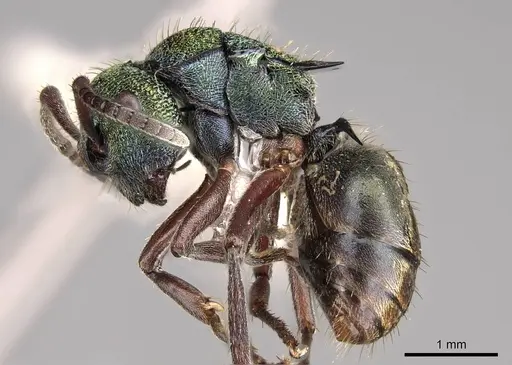
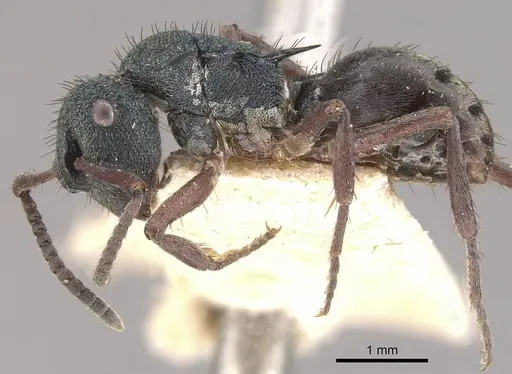
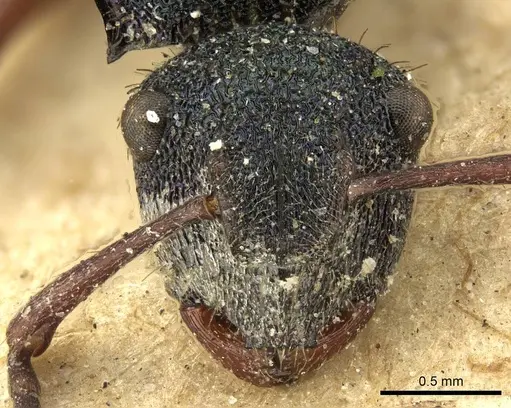
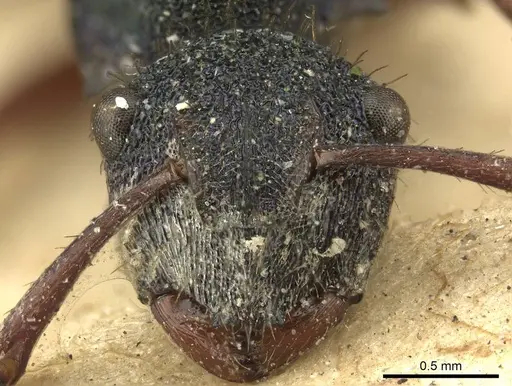
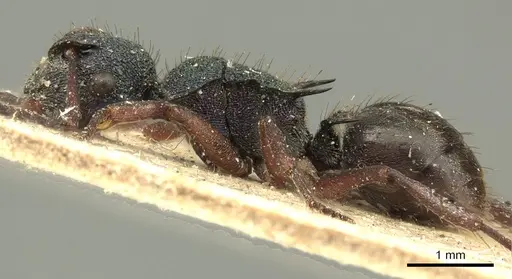
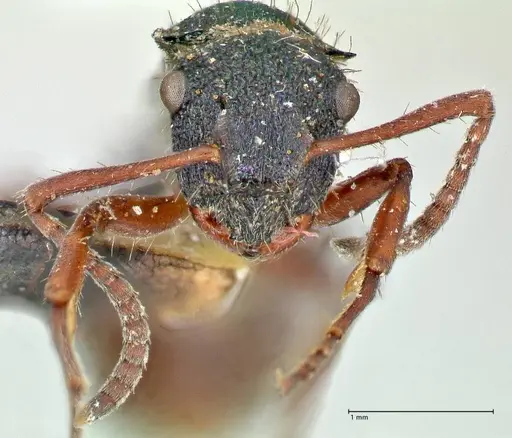
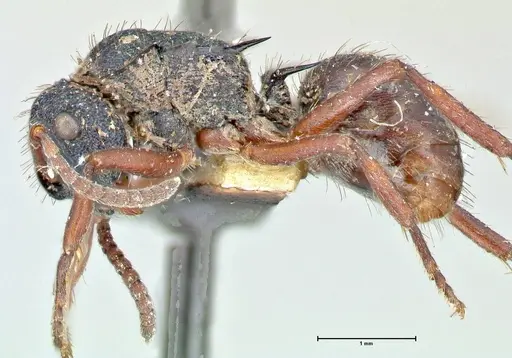
Polyrhachis hookeri is an Australian spiny ant belonging to the subgenus Chariomyrma. Workers are typically 6-8 mm and queens 10-12 mm, based on Polyrhachis genus patterns . They have a dark brown to black coloration with a matte appearance. This species is native to Australia, where it nests subterranean in soil or under stones . This species is known for its subterranean nesting habits and the presence of pupal cocoons, as documented in research on Polyrhachis socioecology .
Quick Summary
- Difficulty: Medium
- Origin & Habitat: Australia, found across various habitats, typically nesting subterranean [2][3].
- Colony Type: Unconfirmed, no specific data on queen number available.
- Size & Growth:
- Queen: ~10-12 mm, inferred from Polyrhachis genus
- Worker: ~6-8 mm, inferred from Polyrhachis genus
- Colony: Colony size data unavailable
- Growth: Moderate
- Development: Estimated 6-8 weeks at optimal temperature based on typical Formicinae development [1] (Development data not specifically available for this species)
- Antkeeping:
- Behavior: Workers spray formic acid for defense, are generally docile, and have moderate escape risk. Standard barrier precautions are sufficient.
- Common Issues: winter diapause must be provided to maintain colony health, subterranean nesting requires deeper nest setups than surface-nesting ants, colony growth may be slow, requiring patience
Housing and Nest Preferences
Polyrhachis hookeri is a subterranean nester, meaning they naturally dig chambers and tunnels in soil. In captivity, they do well in test tube setups with a dirt chamber attached, Y-tong nests, or plaster nests with soil-filled sections. The key is providing enough depth for them to create their tunnel systems. A good setup is a test tube connected to a container filled with moist soil or a purpose-built formicarium with a soil section. Make sure the nest humidity is maintained but avoid waterlogging the substrate [3][4][1].
Feeding and Diet
Polyrhachis hookeri is omnivorous. You should offer sugar sources like honey water constantly and protein foods such as insects 2-3 times per week. Remove uneaten prey after 24-48 hours to prevent mold [1].
Temperature and Seasonal Care
Keep the colony warm and stable, roughly in the low-to-mid 20s°C. During winter, provide a diapause period by reducing temperature to 10-15°C for 2-3 months to mimic natural seasonal cycles [1].
Behavior and Colony Dynamics
Workers are generally docile and not aggressive. They defend by spraying formic acid, as they lack a functional sting. Escape risk is moderate, so standard barrier precautions like Fluon on test tube rims are adequate. Colonies grow at a moderate pace [1].
Frequently Asked Questions
How long does it take for Polyrhachis hookeri to produce first workers?
Based on typical Formicinae development, expect first workers in about 6-8 weeks after the queen lays eggs, assuming optimal temperatures around 24-26°C [1].
What do I feed Polyrhachis hookeri?
They are omnivorous. Offer sugar water or honey constantly, and protein foods like small insects 2-3 times per week. Remove uneaten food after 24-48 hours [1].
Do Polyrhachis hookeri need hibernation?
Yes, as an Australian species, they benefit from a winter rest period. Provide 2-3 months at 10-15°C during winter months [1].
Can I keep multiple queens together?
The colony type is unconfirmed, but Polyrhachis species are typically monogyne. Combining unrelated queens is not recommended as they would likely fight.
What type of nest is best for Polyrhachis hookeri?
They are subterranean nesters and prefer soil-based setups. Test tubes with dirt chambers, Y-tong nests, or plaster nests with soil sections work well [3][4].
How big do Polyrhachis hookeri colonies get?
Colony size data is unavailable for this species.
Is Polyrhachis hookeri good for beginners?
This species is rated as medium difficulty. The lack of specific captive care data and the need for winter diapause make it better suited for keepers with some experience.
Where is Polyrhachis hookeri found?
This species is native to Australia, found across various habitats [2].
Why are my Polyrhachis hookeri not developing?
Check temperature (should be warm, roughly low-to-mid 20s°C), ensure proper humidity without waterlogging, and verify the queen is still alive and laying eggs. Poor growth can also result from inadequate nutrition or stress from excessive disturbance [1].
Report an Issue
The current care sheet is based fully on literature. See inconsistencies, or something that's incorrect? Please , it will be resolved after review from an admin. Contributing to the blogs tab also helps providing information, to make us be able to further improve the caresheets. Thank you for your support!
References

This caresheet is licensed under CC BY-SA 4.0 .
Community Blogs
CASENT0281424
View on AntWeb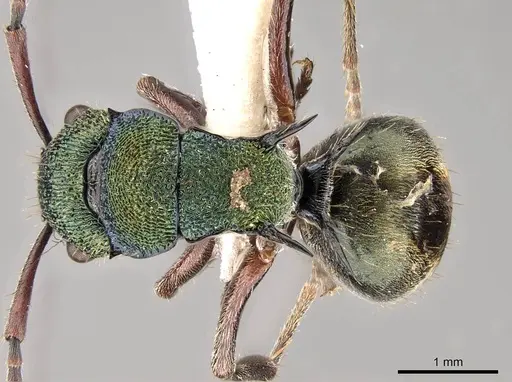
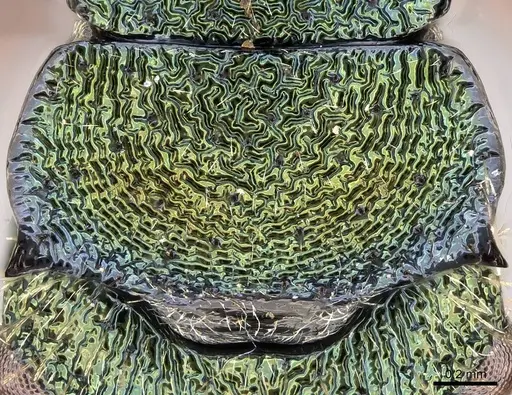
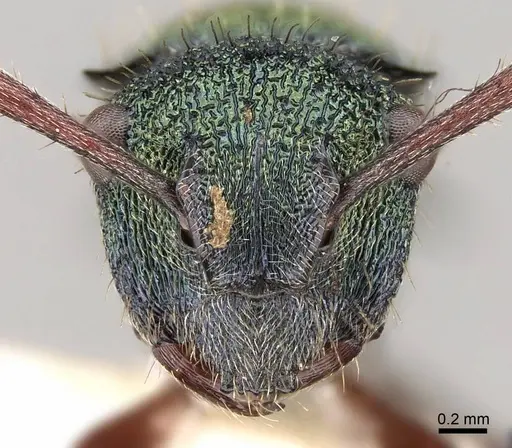
CASENT0910828
View on AntWeb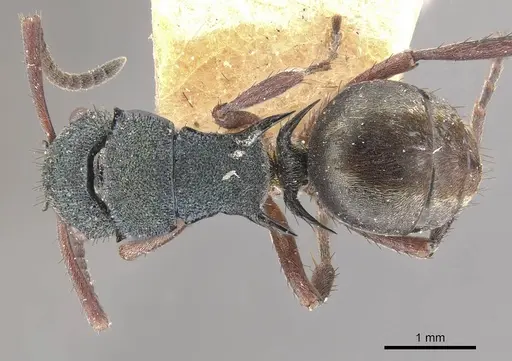
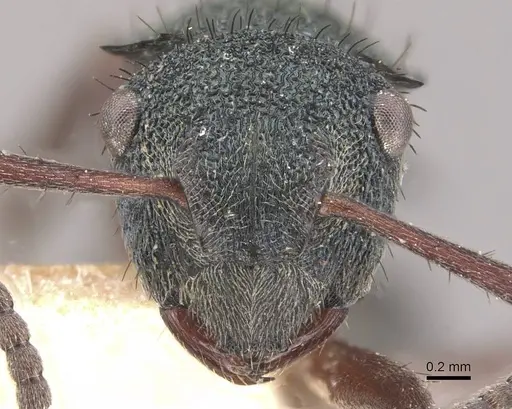
CASENT0915615
View on AntWeb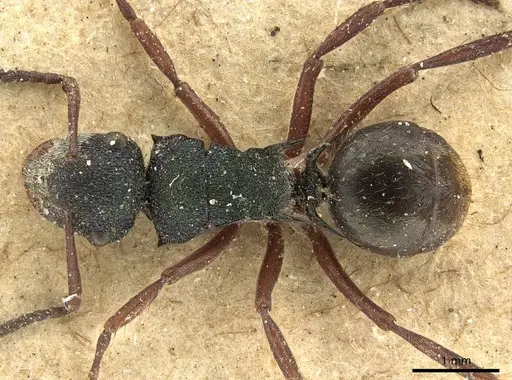
FOCOL2597
View on AntWeb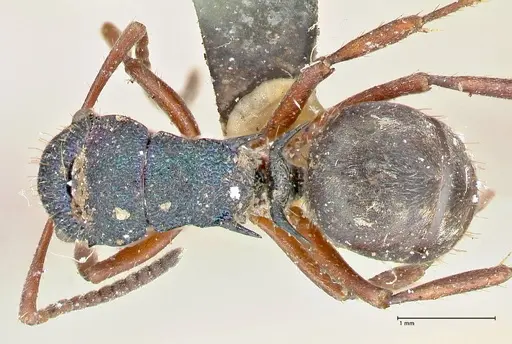
Literature
Loading distribution map...Loading products...