
Polyrhachis guerini
- Sci. Name
- Polyrhachis guerini
- Subgenus
- Chariomyrma
- Tribe
- Camponotini
- Subfamily
- Formicinae
- Author
- Roger, 1863
- Distribution
- Found in 2 countries
Introduction
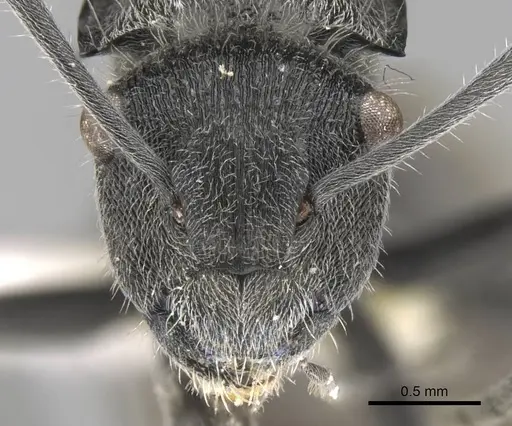
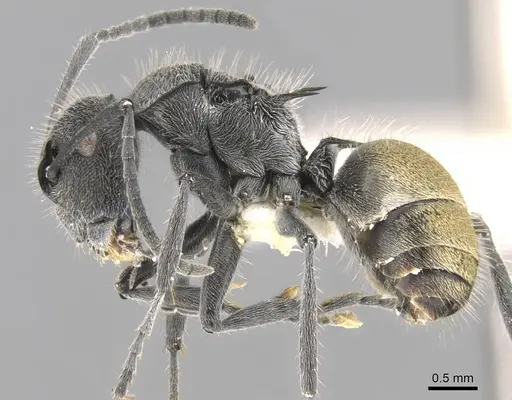
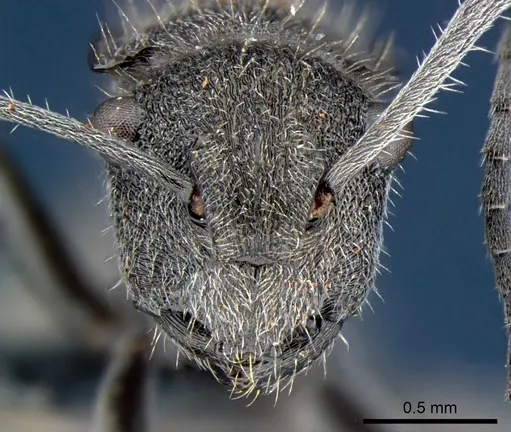
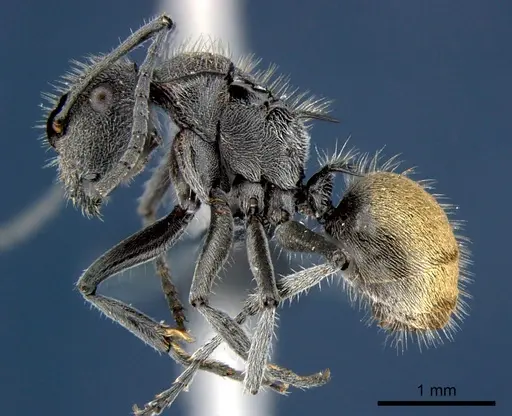
Polyrhachis guerini is a medium-sized ant species native to the Australasian region, found in Australia, New Caledonia, and the Loyalty Islands . Workers are dark with hooked spines on the thorax, characteristic of the Polyrhachis genus. This species belongs to the subgenus Chariomyrma, which includes arboreal nesting species. In New Caledonian sclerophyllous forest, it is a rare native species with peak abundance in April . The species was originally described in 1863,and Polyrhachis exul is a junior synonym .
Quick Summary
- Difficulty: Medium
- Origin & Habitat: Native to Australia, New Caledonia, and Loyalty Islands. Found in sclerophyllous forest habitats in New Caledonia, where it is considered rare with peak abundance in April [2].
- Colony Type: Colony structure is unconfirmed. Based on typical Polyrhachis patterns, likely single-queen (monogyne) colonies, though this has not been directly documented.
- Size & Growth:
- Queen: Size data unavailable, no total length measurements provided in research.
- Worker: Size data unavailable, no total length measurements provided in research.
- Colony: Unknown, no specific colony size data available.
- Growth: Moderate, inferred from Polyrhachis genus patterns.
- Development: Estimated 6-8 weeks at optimal temperature, based on typical Formicinae development patterns [3]. (Development time is estimated based on related Formicinae species. Specific data for Polyrhachis guerini is not available.)
- Antkeeping:
- Temperature: Keep warm, roughly 24-28°C, based on tropical climate inference [2].
- Humidity: Provide a humidity gradient, mostly dry nest chamber with one small moist area, as sclerophyllous forests have seasonal dryness [2].
- Diapause: No, species from tropical New Caledonia does not require diapause [2].
- Nesting: Based on subgenus Chariomyrma patterns, likely prefer arboreal nesting sites [3].
- Behavior: Polyrhachis ants are generally moderate in aggression and active foragers. Based on genus patterns, they likely forage for honeydew and small prey [3]. Escape prevention should be good due to their size, but they are agile and will explore gaps.
- Common Issues: limited availability, this species is rarely available in the antkeeping hobby due to its restricted native range., humidity management, balance between moist nesting areas and ventilation to prevent mold in tropical setups., escape risk, active foragers that will exploit any gaps in housing., diet acceptance, may be selective eaters, requiring variety in protein and sugar offerings., slow colony establishment, rare species may have lower fecundity, leading to slower colony growth.
Natural History and Distribution
Polyrhachis guerini is endemic to the Australasian region, specifically found in Australia, New Caledonia, and the Loyalty Islands [1]. In New Caledonia, this species inhabits sclerophyllous (dry) forest environments where it is considered a rare native species [2]. Research has documented peak abundance in April, suggesting seasonal patterns in activity or foraging behavior [2]. The species was originally described by Roger in 1863,with Polyrhachis guerini later recognized as a junior synonym [1]. This ant belongs to the subgenus Chariomyrma, which contains arboreal and semi-arboreal nesting species throughout their range.
Housing and Nest Preferences
Based on the subgenus Chariomyrma classification, Polyrhachis guerini likely prefers arboreal or semi-arboreal nesting sites in the wild [3]. In captivity, provide a naturalistic setup that mimics this preference. Vertical surfaces like cork bark or nests with chambers work well. Many Polyrhachis species attach their brood to vertical surfaces, so ensure adequate vertical space. A hybrid approach works well, a test tube setup for the founding colony, transitioning to a naturalistic or Y-tong formicarium as the colony grows. Ensure the nest has enough humidity retention while providing ventilation to prevent mold.
Feeding and Diet
Like other Polyrhachis species, Polyrhachis guerini likely has an omnivorous diet typical of Formicinae ants [3]. They probably consume honeydew from sap-sucking insects as a sugar source, along with small insects for protein. In captivity, offer a varied diet including sugar water or honey, and protein sources like small crickets or mealworms. Feed protein 2-3 times per week and maintain constant access to sugar water or honey.
Temperature and Seasonal Care
As a species from tropical New Caledonia, Polyrhachis guerini prefers warm conditions [2]. Maintain temperatures around 24-28°C for optimal colony activity. A gentle temperature gradient allows workers to self-regulate. Unlike temperate species, it does not require diapause due to the mild climate. Avoid temperatures below 20°C for extended periods.
Colony Establishment and Growth
Colony founding behavior has not been directly documented for this species. Based on Formicinae patterns, it is likely claustral, but this is unconfirmed. Initial colony growth is typically slow as the queen invests in her first brood. Once workers emerge, the colony enters a growth phase. Expect moderate growth rates, Polyrhachis colonies may reach several hundred workers over time under good conditions. Patience is essential, as this species may grow more slowly than common temperate ants.
Frequently Asked Questions
How long does it take for Polyrhachis guerini to produce first workers?
Based on typical Formicinae development, expect 6-8 weeks from egg to first worker at optimal temperature (24-28°C) [3]. This is an estimate as specific development data for this species is not available.
What do Polyrhachis guerini ants eat?
Like other Polyrhachis species, they are omnivorous. Offer sugar water or honey as a constant energy source, and protein (small insects like crickets) 2-3 times per week [3].
Do Polyrhachis guerini ants need hibernation?
No. As a species from tropical New Caledonia, they do not require hibernation or diapause [2]. Keep them at warm temperatures year-round.
What is the best nest type for Polyrhachis guerini?
Based on their subgenus Chariomyrma, they prefer arboreal-style nesting [3]. A naturalistic setup with vertical surfaces or a Y-tong/plaster nest with chambers works well.
Are Polyrhachis guerini ants aggressive?
Polyrhachis ants are generally moderate in temperament. Workers are robust defenders but not typically aggressive toward keepers [3].
How big do Polyrhachis guerini colonies get?
Specific colony size data is not available for this species. Based on genus patterns, colonies may reach several hundred workers over time.
Can I keep multiple Polyrhachis guerini queens together?
Colony structure is not documented for this species. Based on typical Polyrhachis patterns, they likely form single-queen colonies. Combining unrelated queens is not recommended without evidence of pleometrosis.
What temperature range is ideal for Polyrhachis guerini?
Keep them at warm temperatures around 24-28°C, based on their tropical habitat [2]. Avoid temperatures below 20°C.
Is Polyrhachis guerini a good species for beginners?
This species is rated as Medium difficulty. It is rarely available and requires warm, humid conditions. Not the best for complete beginners, but manageable with some experience.
Report an Issue
The current care sheet is based fully on literature. See inconsistencies, or something that's incorrect? Please , it will be resolved after review from an admin. Contributing to the blogs tab also helps providing information, to make us be able to further improve the caresheets. Thank you for your support!
References

This caresheet is licensed under CC BY-SA 4.0 .
Community Blogs
CASENT0887790
View on AntWeb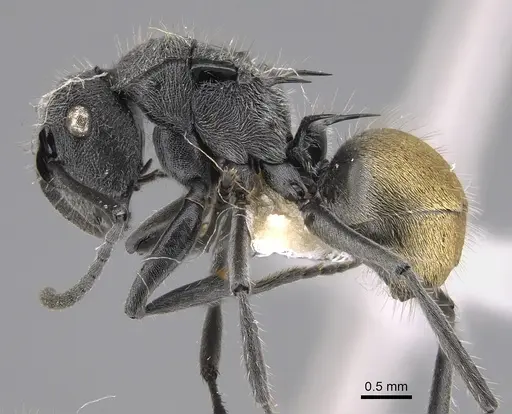
CASENT0905831
View on AntWeb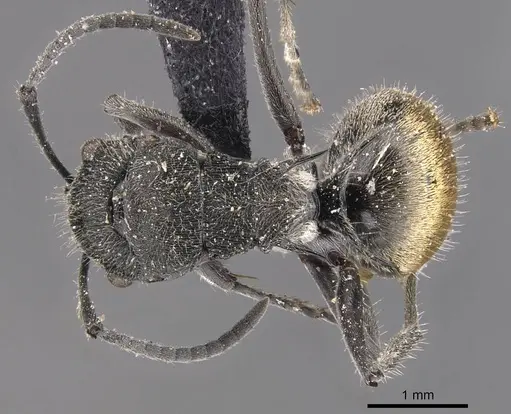
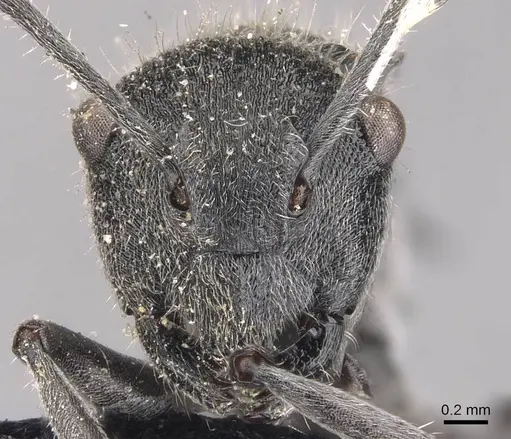
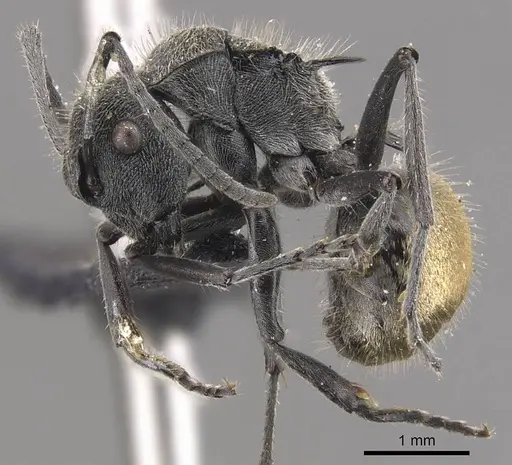
CASENT0906753
View on AntWeb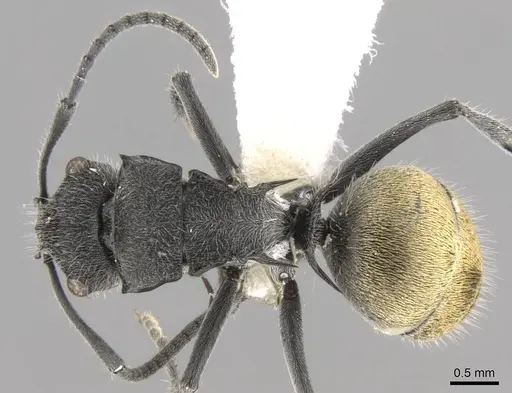
CASENT0923493
View on AntWeb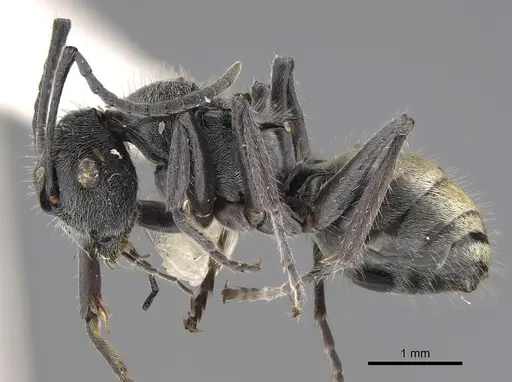
CSIRONC0185
View on AntWeb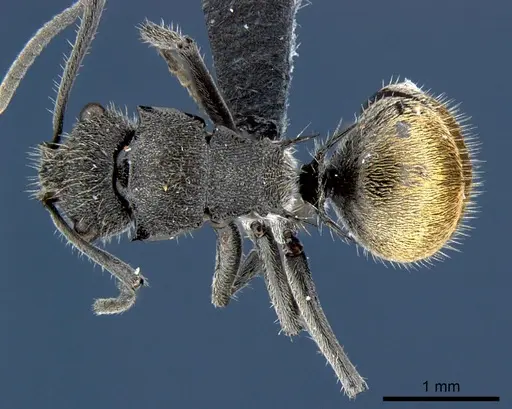
Literature
Loading distribution map...Loading products...