
Polyrhachis gab
- Sci. Name
- Polyrhachis gab
- Subgenus
- Chariomyrma
- Tribe
- Camponotini
- Subfamily
- Formicinae
- Author
- Forel, 1879
- Distribution
- Found in 1 countries
Introduction
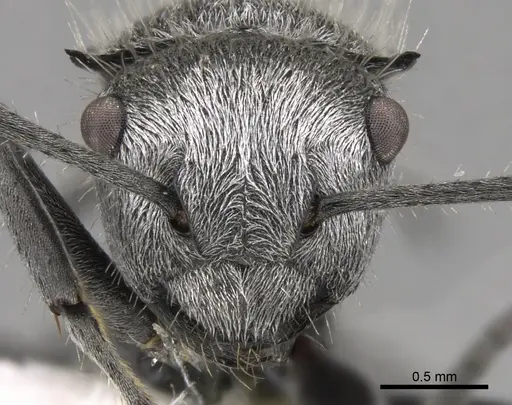
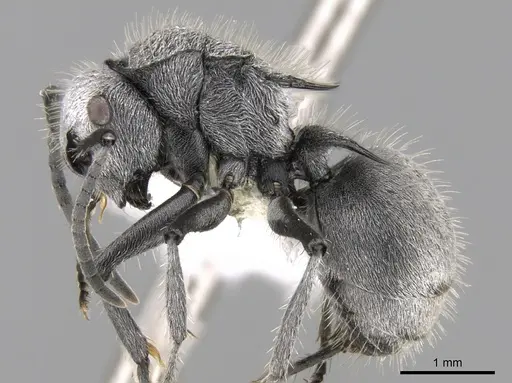
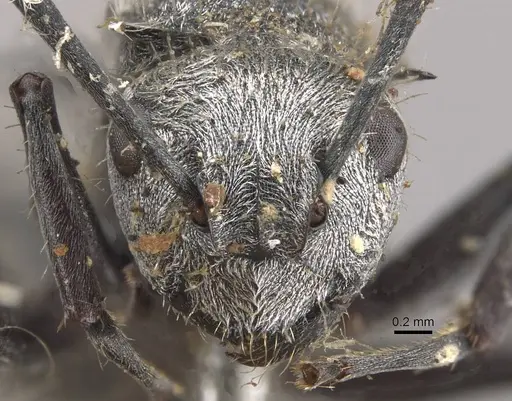
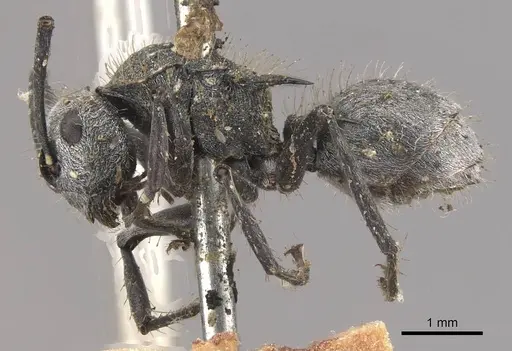
Polyrhachis gab is an ant species native to Australia and New Guinea, belonging to the subgenus Chariomyrma. Workers are typically around 5-8 mm, inferred from the Polyrhachis genus, and have spines on the thorax characteristic of 'spiny ants.' The species is part of the Subordinate Camponotini functional group . It was described by Forel in 1879 and is found in northern Australia and New Guinea, with records in Timor and surrounding islands . Polyrhachis gab is notable for its association with rocky habitats and laterite sites in savanna environments, and it shows a higher presence on low-lying islands .
Quick Summary
- Difficulty: Medium
- Origin & Habitat: Northern Australia and New Guinea in the Australasian region. This is a savanna species strongly associated with rocky habitats, commonly found in laterite and sandstone areas [1][2].
- Colony Type: Colony structure is not well-documented. Based on typical Polyrhachis patterns, colonies are likely monogyne (single queen), but this is not confirmed for P. gab.
- Size & Growth:
- Queen: Size data unavailable, inferred from Polyrhachis genus as ~8-10 mm
- Worker: Size data unavailable, inferred from Polyrhachis genus as ~5-8 mm
- Colony: Up to several hundred workers, estimated based on related species
- Growth: Moderate, inferred from typical Polyrhachis development patterns
- Development: Estimated 6-10 weeks at optimal temperature, inferred from genus-level data (Polyrhachis species typically have cocooned pupae, which may extend development time)
- Antkeeping:
- Temperature: Keep warm, roughly 24-28°C, based on tropical origin. A heating gradient is recommended [1].
- Humidity: Keep the nest substrate consistently moist but not waterlogged, as they nest in subterranean and lignicolous environments [4][5].
- Diapause: Unknown, as a tropical species, diapause is likely not required, but a cool period may be beneficial in temperate climates.
- Nesting: Prefer subterranean or lignicolous nests. Use Y-tong, plaster, or naturalistic setups with moist substrate [4][5].
- Behavior: Polyrhachis gab is a subordinate species within the Camponotini tribe, generally less aggressive and avoiding conflict. Workers are active foragers but not particularly aggressive toward keepers. They have a moderate escape risk due to their medium size, standard escape prevention measures are sufficient. As Formicinae, they lack a sting and spray formic acid for defense. They are manageable for intermediate keepers.
- Common Issues: colonies may be slow to establish, patience is needed during the founding phase., humidity control is important, too dry and brood dies, too wet and mold becomes an issue., cocooned pupae require stable conditions, disturbances during pupal stage can cause issues., limited availability in the antkeeping hobby means established colonies may be difficult to source.
Natural History and Distribution
Polyrhachis gab is endemic to the Australasian region, with a distribution spanning northern Australia and New Guinea. The species shows strong Australian affinity and has been recorded in Timor and surrounding Wallacean islands [2]. In Australia, they are classified as a savanna species associated with rocky habitats throughout the north. Research shows significant associations with laterite sites, and they are notably more common on low-lying islands compared to higher islands [1][3]. The species is part of the Subordinate Camponotini functional group, occupying a non-dominant ecological role.
Nesting Habits
Polyrhachis gab nests in subterranean and lignicolous (wood-inhabiting) locations, which is typical for the subgenus Chariomyrma [4][5]. In the wild, they likely nest in soil cavities, under rocks, or in rotting wood. For captive care, this translates well to Y-tong nests, plaster nests with water channels, or naturalistic setups with a soil mixture. The presence of pupal cocoons is notable, unlike many Formicinae that have naked pupae, Polyrhachis species spin cocoons around their pupae.
Temperature and Heating
As a species from tropical northern Australia and New Guinea, Polyrhachis gab requires warm conditions. Keep the nest area at roughly 24-28°C for optimal brood development. A heating cable placed on top of the nest can create a gentle temperature gradient. Room temperature may be sufficient in warm climates, but supplemental heating is often needed in temperate regions. Avoid temperatures below 20°C for extended periods as this can slow brood development [1].
Feeding and Diet
Polyrhachis ants are omnivorous, typically foraging for honeydew, nectar, and small insects. In captivity, offer a varied diet including sugar water or honey as a constant energy source, and protein sources such as small crickets or mealworms 2-3 times per week. Remove uneaten prey after 24-48 hours to prevent mold. Fresh water should always be available.
Colony Establishment and Growth
Establishing a Polyrhachis gab colony requires patience. Queens are likely to seal themselves in a chamber to raise the first brood alone, but this is not confirmed. The first workers may take 6-10 weeks to emerge at optimal temperature. Colony growth is moderate, expect the first year to produce up to 50 workers, with growth accelerating in subsequent years. Avoid disturbing founding colonies unnecessarily.
Frequently Asked Questions
How long does it take for Polyrhachis gab to raise first workers?
At optimal temperature, expect first workers to emerge in approximately 6-10 weeks. This is estimated based on typical Polyrhachis development patterns since specific timing for P. gab has not been documented.
What size nest do I need for Polyrhachis gab?
Start with a test tube setup for the founding queen. Once the colony reaches a small number of workers, move to a small formicarium like Y-tong or plaster. They prefer enclosed nests with moist substrate [4][5].
What temperature is ideal for Polyrhachis gab?
Keep them at roughly 24-28°C. This tropical species needs warmth for brood development. A heating gradient is recommended [1].
Is Polyrhachis gab good for beginners?
This species is rated as Medium difficulty. While not the most challenging, they require attention to temperature and humidity, so may not be ideal for complete beginners.
How big do Polyrhachis gab colonies get?
Colonies can reach up to several hundred workers over time, based on related species. They are not among the largest Polyrhachis species but can become substantial.
Does Polyrhachis gab need hibernation?
Diapause is unknown for this species. As a tropical species, they likely do not require true hibernation, but a cool period in winter may be beneficial in temperate climates.
What do Polyrhachis gab eat?
They are omnivorous. Offer sugar water or honey constantly, and protein like small insects 2-3 times per week.
Can I keep multiple Polyrhachis gab queens together?
This has not been documented for the species. Based on typical genus behavior, single-queen colonies are most common. Combining unrelated foundress queens is not recommended.
Why are my Polyrhachis gab pupae not hatching?
Polyrhachis species have cocooned pupae which take longer than naked pupae. Ensure temperature is warm, humidity is appropriate, and avoid disturbing the nest. If pupae mold or shrivel, adjust humidity.
Report an Issue
The current care sheet is based fully on literature. See inconsistencies, or something that's incorrect? Please , it will be resolved after review from an admin. Contributing to the blogs tab also helps providing information, to make us be able to further improve the caresheets. Thank you for your support!
References

This caresheet is licensed under CC BY-SA 4.0 .
Community Blogs
CASENT0281358
View on AntWeb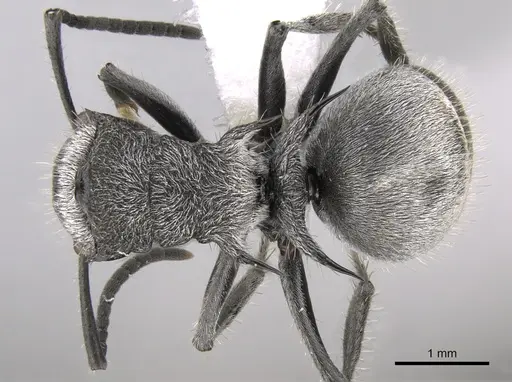
CASENT0910822
View on AntWeb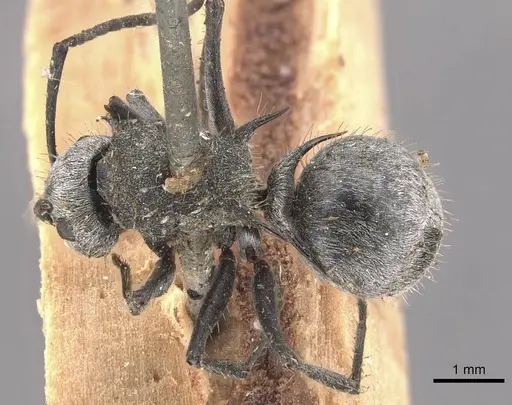
Literature
Loading distribution map...Loading products...