
Polyrhachis exercita
- Sci. Name
- Polyrhachis exercita
- Subgenus
- Campomyrma
- Tribe
- Camponotini
- Subfamily
- Formicinae
- Author
- Walker, 1859
- Distribution
- Found in 2 countries
Introduction
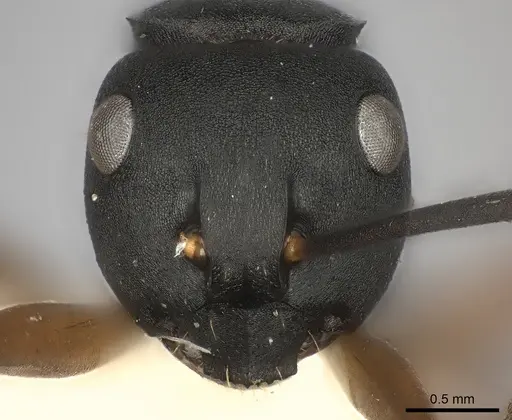
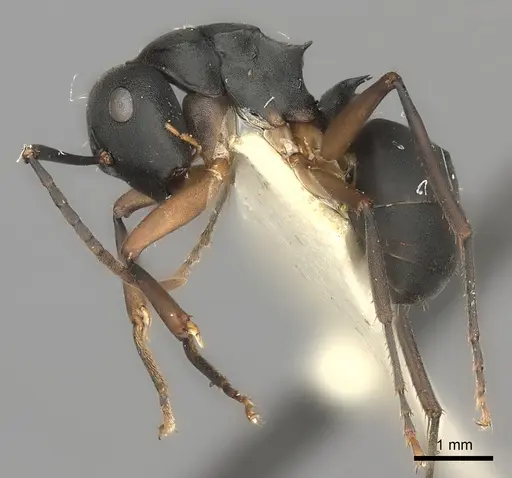
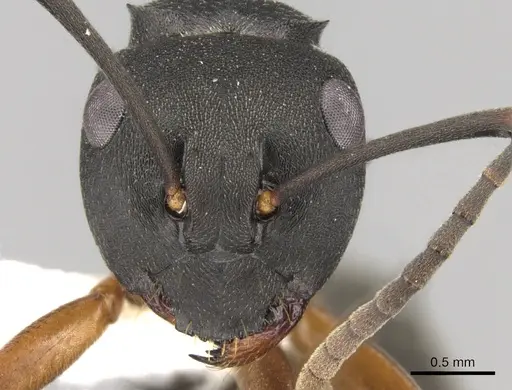
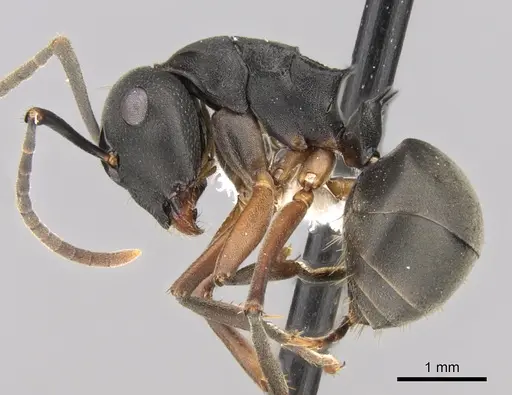
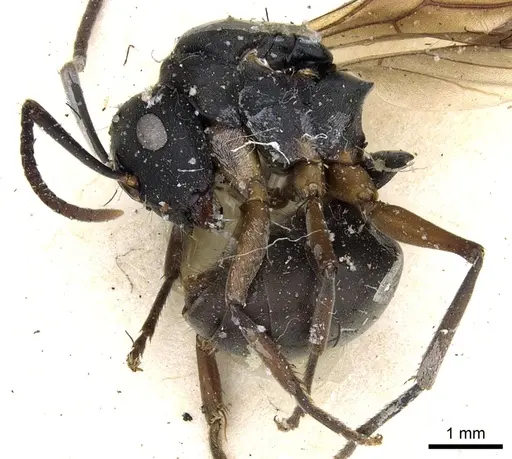
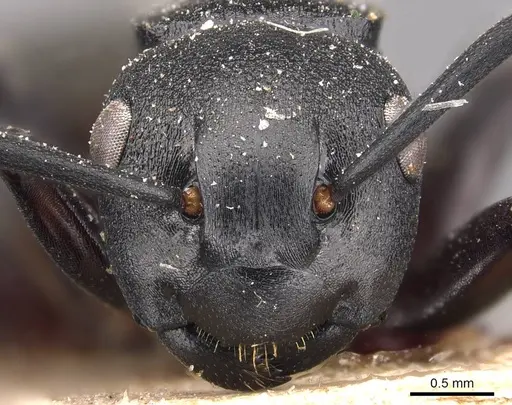
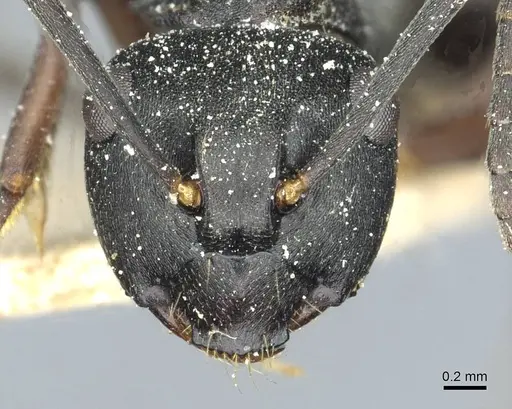
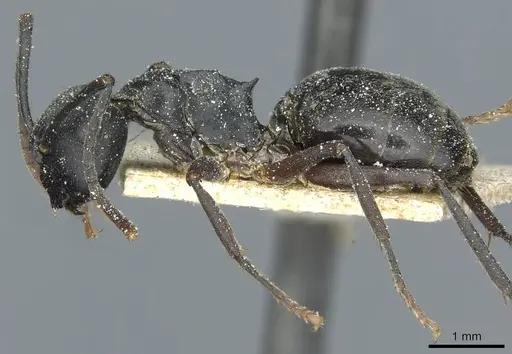
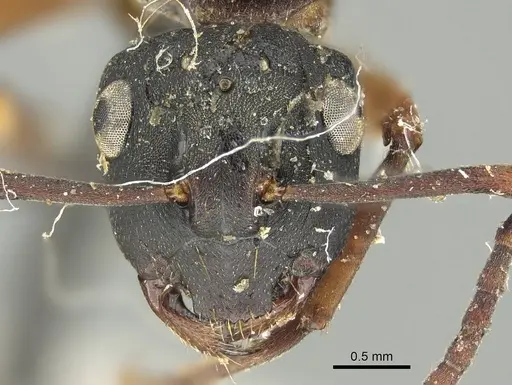
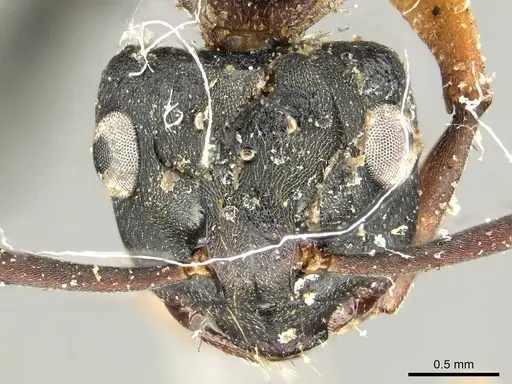
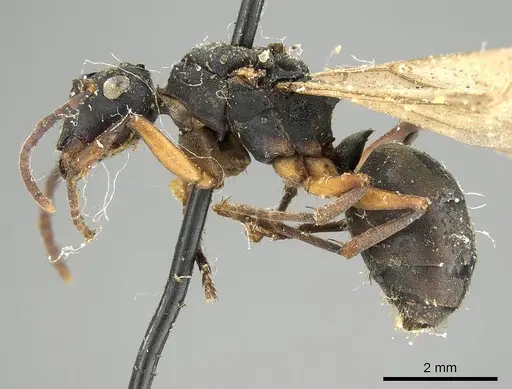
Polyrhachis exercita is a medium-sized arboreal ant native to South Asia, found across India, Sri Lanka, and Bangladesh . Workers have a total body length of approximately 7.7 mm, with a black body and dark brown appendages . They belong to the subgenus Campomyrma and are characterized by a trapezoidal petiole with two prominent spines . Unlike ground-nesting ants, this species builds carton nests in trees and shrubs using papery material . This ant is part of the subordinate Camponotini functional group, meaning they are generally less aggressive and more tolerant of other species . They thrive in wet tropical zones, including coconut plantations and forested areas , and are active foragers that climb vertical structures.
Quick Summary
- Difficulty: Medium
- Origin & Habitat: Native to the Indomalaya region, India, Sri Lanka, and Bangladesh. Recorded across multiple Indian states including Karnataka, Kerala, Tamil Nadu, West Bengal, Maharashtra, Gujarat, Goa, Orissa, Tripura, and Jammu & Kashmir [1]. Inhabits wet tropical zones such as coconut plantations and natural forests [6].
- Colony Type: Likely monogyne (single queen) based on typical Polyrhachis patterns, though not specifically documented for this species.
- Size & Growth:
- Queen: Size data unavailable, no measurements found in research context.
- Worker: ~7.7 mm total length [2]
- Colony: Unknown, estimated based on related Polyrhachis species
- Growth: Moderate, inferred from tropical Formicinae patterns
- Development: Unknown, no specific data available for this species (Development time is unconfirmed, tropical species typically develop faster than temperate ones.)
- Antkeeping:
- Temperature: Keep warm, roughly 24-28°C, based on tropical habitat inference [1][6].
- Humidity: Keep substrate consistently moist but not waterlogged, as they inhabit wet tropical zones [6].
- Diapause: No, tropical species do not require hibernation.
- Nesting: Arboreal carton nesters, provide vertical structures like cork bark or branches for nest building [4].
- Behavior: Generally calm and non-aggressive due to subordinate functional group [5]. Arboreal by nature, they climb and explore vertical spaces. Workers are active foragers but may defend nest if disturbed. Escape risk is medium due to climbing ability.
- Common Issues: arboreal nesting requirements, need vertical space and structures, not ground nests., tropical warmth needed year-round, room temperature may be too cold in winter., carton nest building may clog formicaria if humidity is too high., escape prevention necessary, they can climb smooth surfaces like glass., limited availability in antkeeping hobby, may be hard to find.
Housing and Nest Setup
Polyrhachis exercita requires an arboreal setup with vertical space. They naturally build carton nests in trees using papery material [4]. In captivity, use cork bark, vertical formicaria, or naturalistic terrariums with branches and elevated platforms. Provide climbing surfaces like vines or mesh. Escape prevention is important, apply fluon or barrier tape to smooth surfaces, as workers can climb glass [4].
Feeding and Diet
As omnivores, they accept sugar sources like honey water and protein from insects. Offer small crickets, mealworms, or fruit flies twice weekly [7]. In the wild, they forage on trees for honeydew and prey, and are preyed upon by tiger beetles [7]. Place food on elevated platforms to match arboreal foraging habits.
Temperature and Seasonal Care
Maintain warm conditions around 24-28°C based on tropical habitat inference [1][6]. No diapause needed, they remain active year-round. Humidity should be moderate to high, with moist substrate but not waterlogged [6].
Colony Development and Growth
Colony growth is moderate, with workers measuring approximately 7.7 mm total length [2]. Development timeline is unknown, but tropical species typically develop faster. Queens are larger but size data is unavailable.
Behavior and Temperament
This species is generally calm due to its subordinate functional group [5]. Workers are arboreal and active foragers. They may defend nests but are not aggressively territorial.
Frequently Asked Questions
Can I keep Polyrhachis exercita in a test tube setup?
Test tubes are not ideal for long-term housing. They need vertical space for arboreal nesting [4]. Use cork bark or arboreal formicaria for established colonies.
What is the best nest type for Polyrhachis exercita?
Arboreal setups with vertical structures like cork bark or branches are best, as they build carton nests in trees [4].
How long until first workers with Polyrhachis exercita?
Development timeline is unknown, no specific data available for this species.
Are Polyrhachis exercita good for beginners?
They are intermediate due to arboreal setup needs. Not recommended for absolute beginners.
Do Polyrhachis exercita need hibernation?
No, as a tropical species, they do not require diapause.
How big do Polyrhachis exercita colonies get?
Colony size is unknown, but estimated to reach several hundred workers based on related species.
What do Polyrhachis exercita eat?
They are omnivorous, offer sugar sources constantly and protein insects twice weekly [7].
Can I keep multiple queens together?
Not recommended, as Polyrhachis species are typically monogyne. Combining queens may cause fighting.
Where is Polyrhachis exercita found?
Native to South Asia, India, Sri Lanka, and Bangladesh, with records across multiple Indian states [1].
Why is my Polyrhachis exercita colony declining?
Check temperature (needs 24-28°C), humidity (moist but not waterlogged), and vertical space for nesting [6][4].
Is Polyrhachis exercita invasive anywhere?
No, this species is not known to be invasive and is native to the Indomalaya region [1].
Report an Issue
The current care sheet is based fully on literature. See inconsistencies, or something that's incorrect? Please , it will be resolved after review from an admin. Contributing to the blogs tab also helps providing information, to make us be able to further improve the caresheets. Thank you for your support!
References

This caresheet is licensed under CC BY-SA 4.0 .
Community Blogs
CASENT0217770
View on AntWeb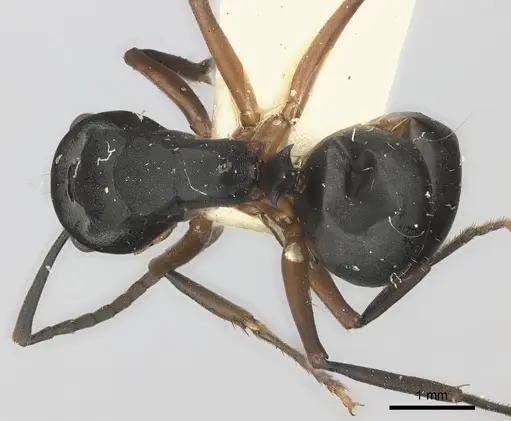
CASENT0281352
View on AntWeb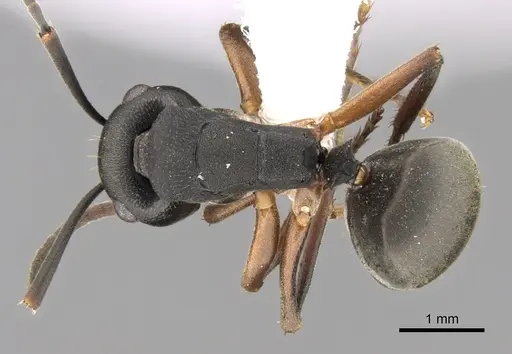
CASENT0903298
View on AntWeb
CASENT0905829
View on AntWeb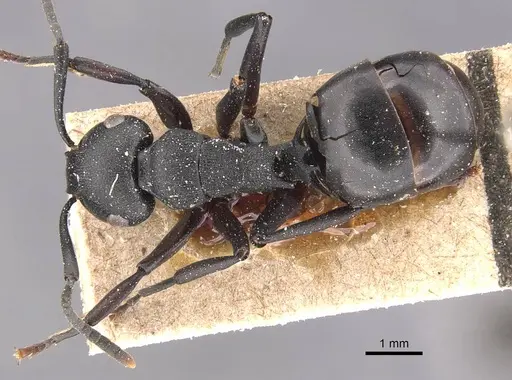
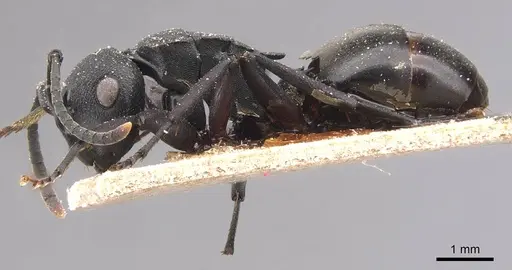
CASENT0910765
View on AntWeb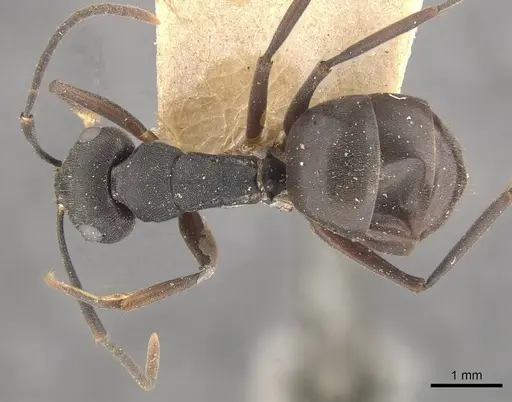
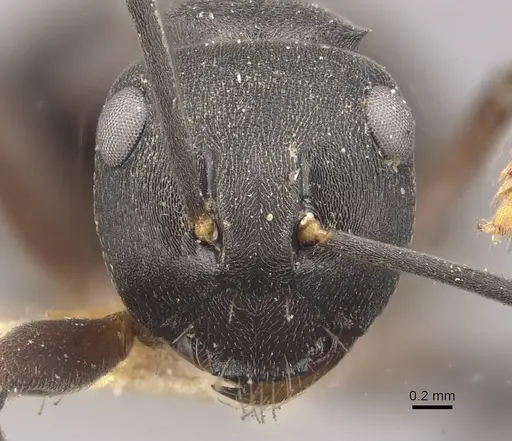
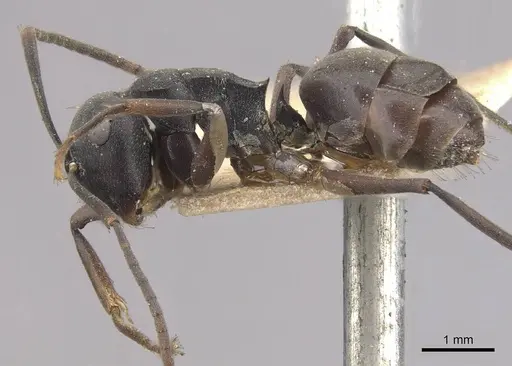
CASENT0910766
View on AntWeb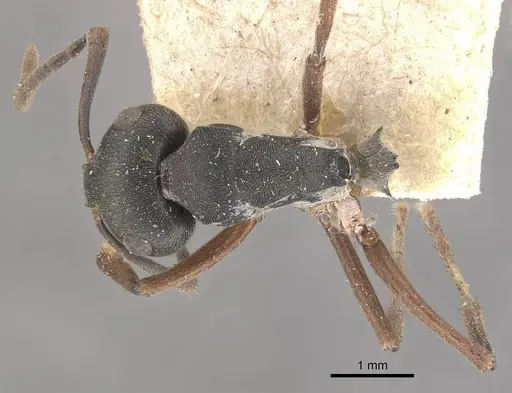
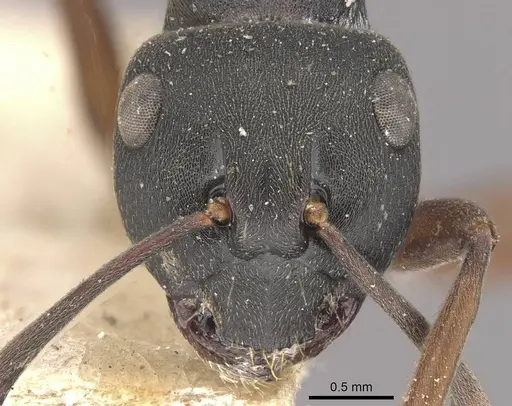
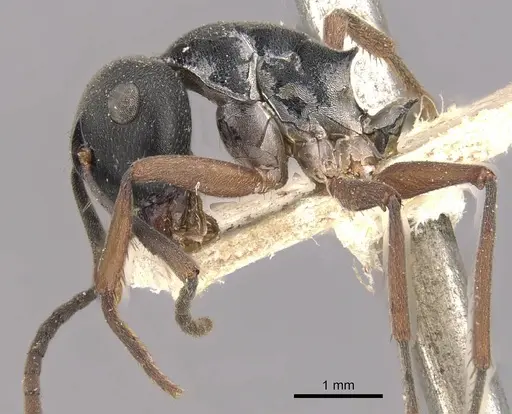
CASENT0912092
View on AntWeb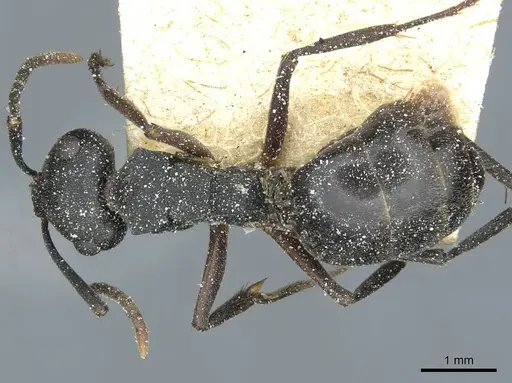
CASENT0915819
View on AntWeb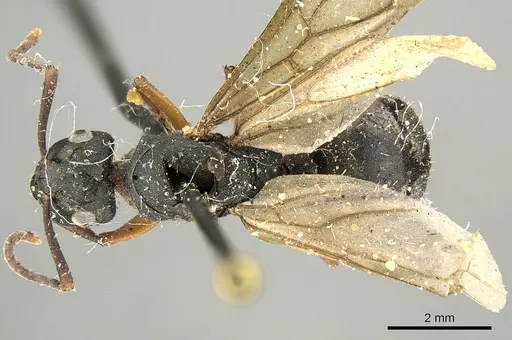
Literature
Loading distribution map...Loading products...