
Polyrhachis erato
- Sci. Name
- Polyrhachis erato
- Subgenus
- Hedomyrma
- Tribe
- Camponotini
- Subfamily
- Formicinae
- Author
- Forel, 1902
- Distribution
- Found in 1 countries
Introduction
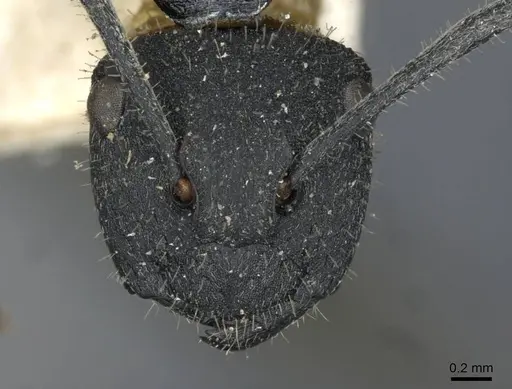
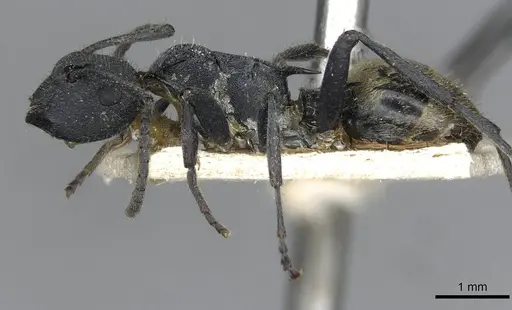
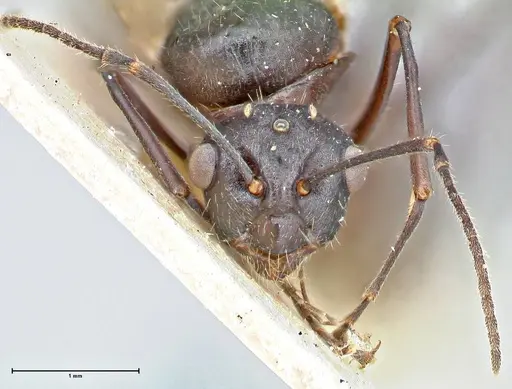
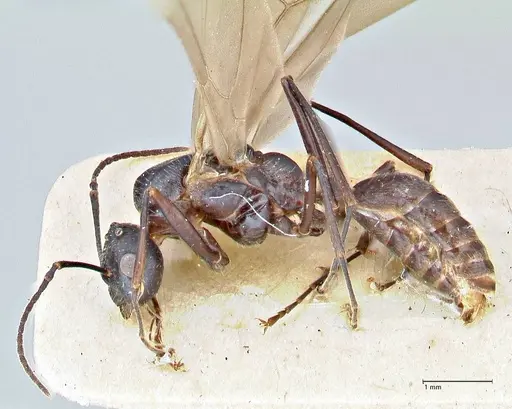
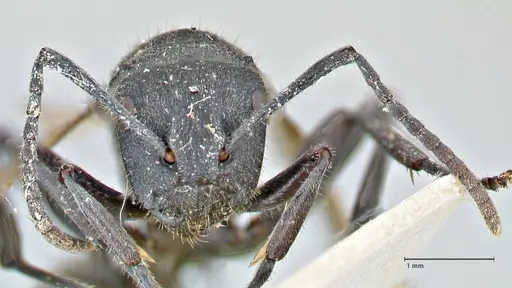
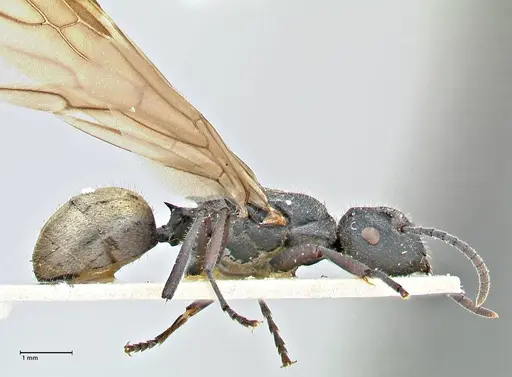
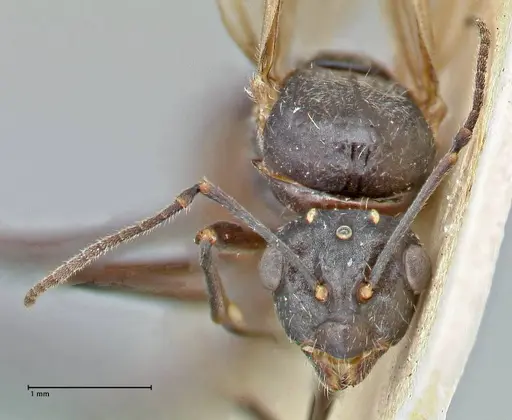
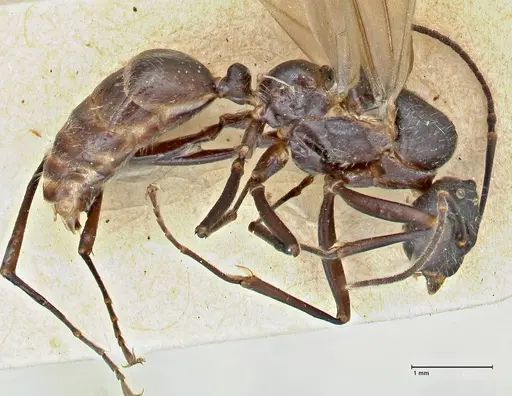
Polyrhachis erato is a medium-sized ant native to eastern Queensland, Australia. Workers have a spiny appearance and dark coloration, typical of the Polyrhachis genus. Size data is unavailable for this species. They nest in tree cavities and under loose bark on tree trunks, making them arboreal-adapted ants . They occur across a wide elevation range from 200-600m in the Great Dividing Range region, inhabiting open Eucalyptus forests to coastal wallum communities . This species is lignicolous, meaning it depends on decaying wood for nesting, and it spins protective cocoons for its pupae, which is unusual for Formicinae .
Quick Summary
- Difficulty: Medium
- Origin & Habitat: Eastern Queensland, Australia, from north to south on the eastern side of the Great Dividing Range. They inhabit diverse environments from open Eucalyptus forests to coastal wallum communities, at elevations from 200-600m [1].
- Colony Type: Likely single-queen colonies based on genus patterns, but unconfirmed in research [2].
- Size & Growth:
- Queen: Size data unavailable.
- Worker: Size data unavailable.
- Colony: Unknown, no data on colony size from research.
- Growth: Moderate, inferred from genus patterns with cocoon development.
- Development: Estimated 6-8 weeks based on related Polyrhachis species, but no specific data for P. erato [2][3]. (Cocoon stage may extend development time compared to naked-pupae Formicinae.)
- Antkeeping:
- Temperature: Keep warm, roughly 24-28°C, based on genus patterns [1].
- Humidity: Provide a humidity gradient, mostly dry nest chamber with one small moist area, as they inhabit varied habitats [1].
- Diapause: Unknown, Queensland is subtropical, so diapause may not be necessary, but a mild winter slowdown might benefit colonies based on genus patterns.
- Nesting: Lignicolous, they need wood-based nests such as Y-tong, wooden formicaria, or plaster nests with wood inclusions [2][3].
- Behavior: Workers are generally calm and non-aggressive. Their primary defense is their spiny exoskeleton, and as Formicinae, they can spray formic acid, though specific behavior for P. erato is not documented [1]. Escape risk is moderate due to climbing ability, standard barrier methods are sufficient.
- Common Issues: wood-nesting requirement means they cannot be kept in test tubes or soil formicaria [2][3]., cocoon-raising means longer development time than typical Formicinae, don't panic if pupae take longer than expected [2][3]., moderate escape risk due to climbing ability, ensure enclosures have tight-fitting lids., wild-caught colonies may carry parasites, quarantine and observe new colonies.
Nest Preferences and Housing
Polyrhachis erato is strictly lignicolous, meaning they nest in decaying wood [2][3]. In the wild, they inhabit tree cavities and the spaces under loose bark on tree trunks. This is non-negotiable for captive care, they will not thrive in test tubes, soil formicaria, or purely acrylic setups. The best housing options are Y-tong (AAC) nests, wooden formicaria, or plaster nests with wood inclusions. The nest chamber should be dark since these ants prefer enclosed spaces. Provide a water source via test tube connected to the nest. The outworld should include climbing structures like branches or cork since they are arboreal-adapted.
Feeding and Diet
P. erato is omnivorous with a preference for protein. In captivity, they accept small insects like fruit flies or mealworms, and sugar water or honey. Feed them small insects 2-3 times per week and keep a constant sugar source available. Remove uneaten prey after 24-48 hours to prevent mold. During founding, the queen relies on stored reserves, once workers arrive, they forage in the outworld. [1]
Temperature and Seasonal Care
Keep the nest area at 24-28°C for optimal brood development. Use a heating cable on one side to create a gentle gradient, but avoid direct heat. Queensland has mild winters, so reduce temperatures to around 18-20°C and feeding frequency during winter months for a mild slowdown period. [1]
Behavior and Defense
Polyrhachis erato has a calm temperament. Their primary defense is their spiny exoskeleton, and as Formicinae, they can spray formic acid, though specific behavior is not documented [1]. Workers are active foragers but move at a moderate pace. They are good climbers, so escape prevention is important but not critical for tiny species.
Frequently Asked Questions
Can I keep Polyrhachis erato in a test tube?
No. Polyrhachis erato is lignicolous and needs a wooden nest, Y-tong nest, or plaster nest with wood inclusions. They will not thrive in test tubes or soil formicaria [2][3].
What do Polyrhachis erato ants eat?
They are omnivorous. Feed small insects like fruit flies or mealworms 2-3 times per week and keep a constant sugar source available [1].
How long does it take for first workers to emerge?
Estimated 6-8 weeks from egg to worker at warm temperatures, based on related species, but no specific data for P. erato [2][3].
Are Polyrhachis erato good for beginners?
They are medium difficulty due to wood-nesting requirements. Once housing needs are met, they are relatively straightforward to care for.
Do Polyrhachis erato need hibernation?
Diapause is unknown, but a mild winter slowdown at 18-20°C for 2-3 months may benefit colonies based on genus patterns.
How big do Polyrhachis erato colonies get?
Colony size is unknown from research.
When should I move them to a formicarium?
You can keep them in a Y-tong or wooden nest from the start. If starting with a founding queen in a test tube, move them once workers arrive, but ensure the new nest is wood-based.
Can I keep multiple Polyrhachis erato queens together?
Queen number is unconfirmed, but Polyrhachis species typically have single queens. Combining multiple unrelated queens is not recommended.
Why are my Polyrhachis erato dying?
Common causes include wrong nesting material (not wood-based), improper humidity, temperatures outside 24-28°C range, or stress during founding. Check housing first.
Report an Issue
The current care sheet is based fully on literature. See inconsistencies, or something that's incorrect? Please , it will be resolved after review from an admin. Contributing to the blogs tab also helps providing information, to make us be able to further improve the caresheets. Thank you for your support!
References

This caresheet is licensed under CC BY-SA 4.0 .
Community Blogs
CASENT0887801
View on AntWeb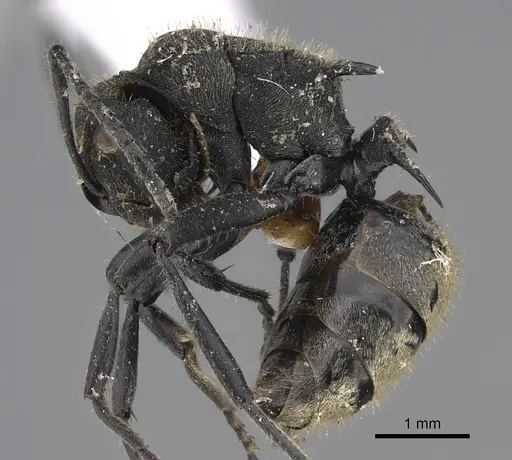
CASENT0906602
View on AntWeb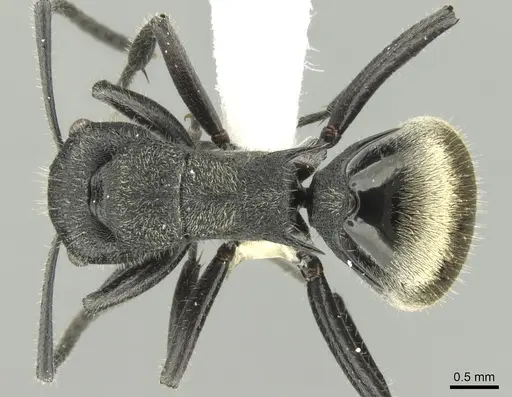
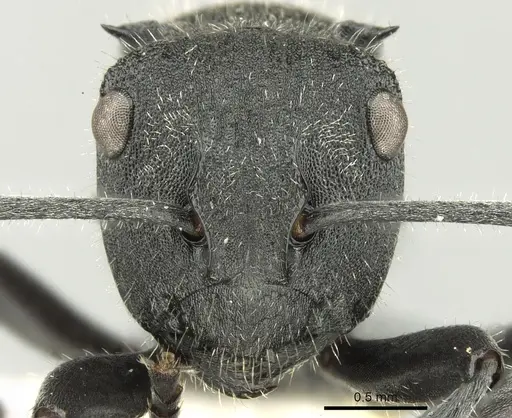
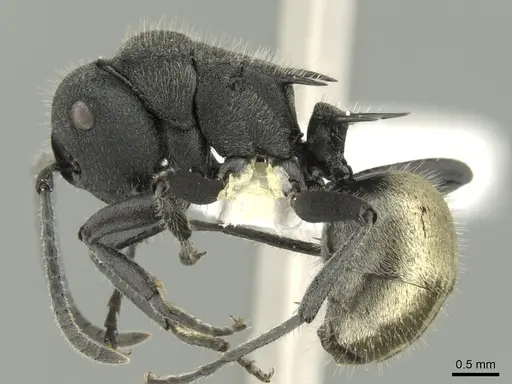
CASENT0910845
View on AntWeb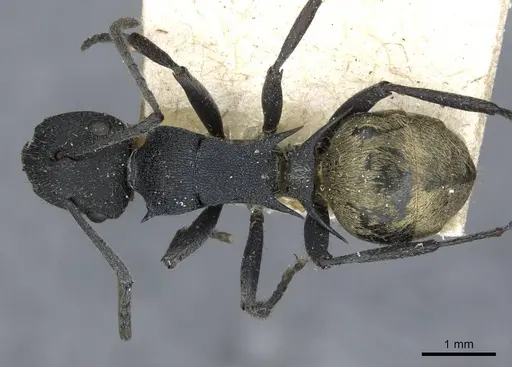
FOCOL2935
View on AntWeb
FOCOL2936
View on AntWeb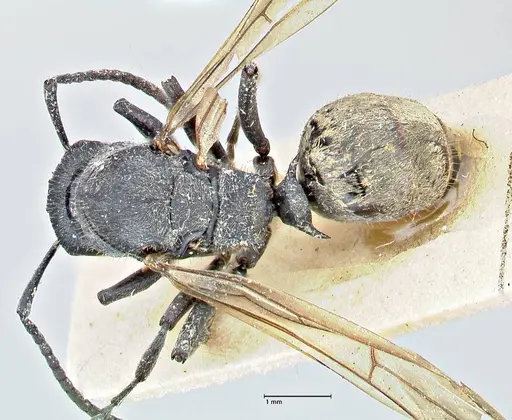
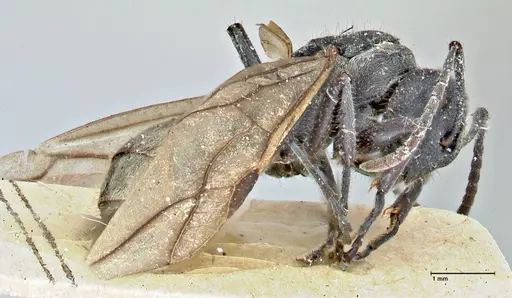
FOCOL2937
View on AntWeb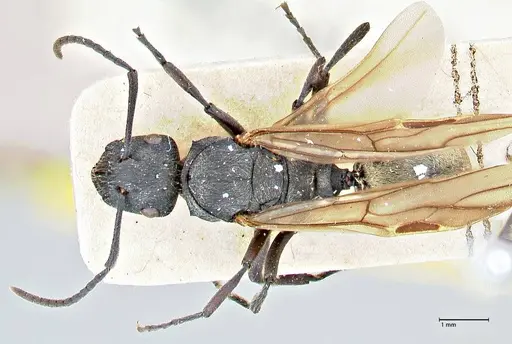
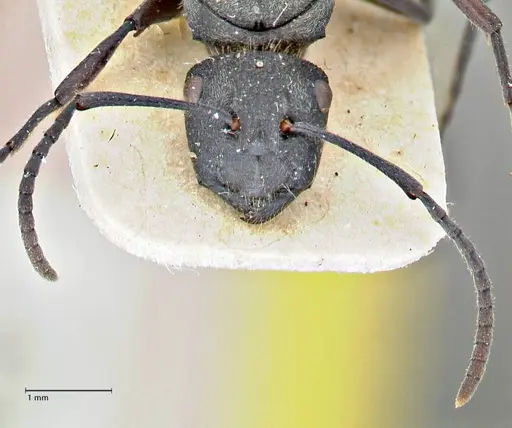
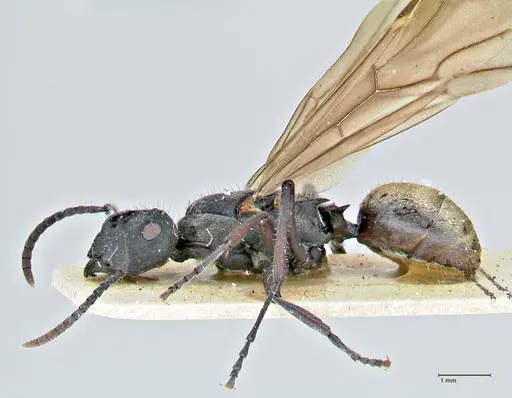
FOCOL2938
View on AntWeb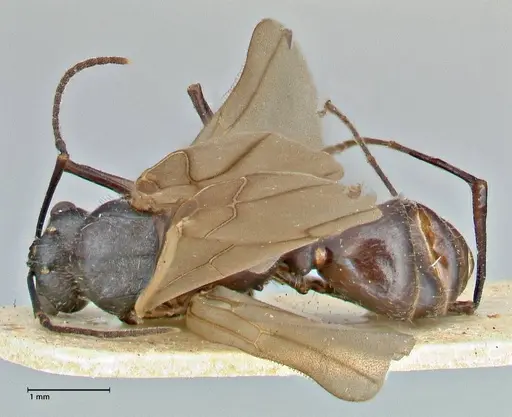
Literature
Loading distribution map...Loading products...