
Polyrhachis dohrni
- Sci. Name
- Polyrhachis dohrni
- Subgenus
- Aulacomyrma
- Tribe
- Camponotini
- Subfamily
- Formicinae
- Author
- Forel, 1901
- Distribution
- Found in 1 countries
Introduction
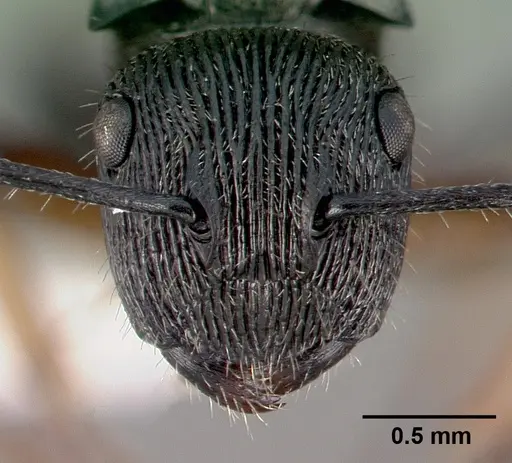
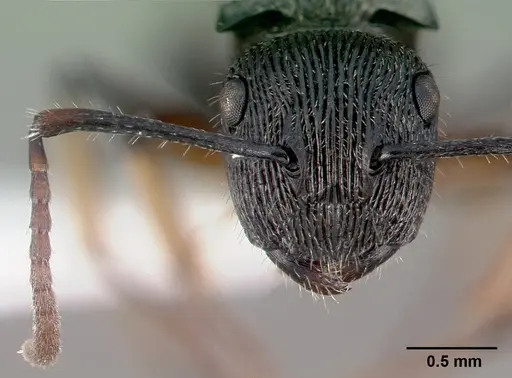
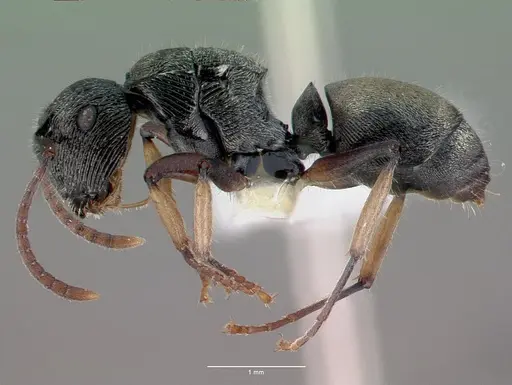
Polyrhachis dohrni is a small to medium-sized ant native to the Bismarck Archipelago in Papua New Guinea. Workers have a total length of 4.74-5.80 mm, and queens reach 6.50-6.95 mm . They are black with reddish-brown markings on the mandibles, antennal tips, distal femora, and tarsi. This species nests in dry hollow twigs on living trees in lowland areas . Unlike many Formicinae, P. dohrni has cocooned pupae and uses larval silk to construct nests . Defense is by spraying formic acid, as typical for Formicinae.
Quick Summary
- Difficulty: Medium
- Origin & Habitat: Bismarck Archipelago, New Britain, neighboring islands, and low altitude coastal areas of New Ireland. They nest in dry hollow twigs on living trees around 50m elevation [4][2][1].
- Colony Type: Colony structure unconfirmed, no specific data on queen number available.
- Size & Growth:
- Antkeeping:
- Temperature: Keep warm, around 24-28°C, as they are from tropical lowlands [4][1]
- Humidity: Keep nest relatively dry, as they nest in dry twigs, provide a humidity gradient [2]
- Diapause: No, tropical species do not require hibernation
- Nesting: Use Y-tong or test tube setups with narrow chambers, provide climbing structures to mimic arboreal habitat [2][1]
- Behavior: Generally calm and non-aggressive. Workers are small (4-6 mm), so escape prevention is important.
- Common Issues: cold temperatures can kill the colony, keep warm year-round, need vertical space for arboreal nature, provide climbing structures, small colony sizes mean losses impact growth, start with healthy queen, cocooned pupae need stable conditions, avoid disturbing nest during pupal stage [2], escape risk due to small worker size, use fine mesh and secure lids
Housing and Nest Setup
Polyrhachis dohrni is an arboreal species that naturally nests in dry hollow twigs. In captivity, use Y-tong (AAC) nests or test tube setups with narrow chambers to mimic their habitat [2][1]. Provide climbing structures in the outworld for vertical space.
Temperature and Heating
Keep the nest area warm, around 24-28°C, as they are from tropical lowlands [4][1]. Use a heating cable on one side to create a gentle gradient if room temperature is insufficient.
Feeding and Diet
Diet is unconfirmed, but based on Polyrhachis genus patterns, they are likely omnivores. Offer sugar water or honey for energy and small insects for protein.
Humidity and Water
Keep nest relatively dry, as they nest in dry twigs, provide a humidity gradient with a water tube [2]. Mist the outworld occasionally rather than the nest itself.
Colony Development
Queens are claustral, but founding behavior is unconfirmed. Development from egg to worker takes an estimated 6-10 weeks at optimal temperature. Cocooned pupae require stable conditions [2].
Unique Behaviors
This species uses larval silk to construct nests and has cocooned pupae, which is unusual for Formicinae [2][3]. Workers have distinctive spines but are generally calm.
Frequently Asked Questions
Is Polyrhachis dohrni good for beginners?
This species is rated as medium difficulty. It requires stable warm temperatures year-round since it's tropical [4][1].
How long does it take for the first workers to emerge?
Expect an estimated 6-10 weeks from egg to first worker at optimal temperature.
What size nest should I use for Polyrhachis dohrni?
Use a nest with narrow chambers scaled to their worker size. Y-tong or test tube setups work well [2][1].
Can I keep multiple queens together?
Colony structure is unconfirmed, but based on Polyrhachis patterns, single-queen colonies are typical. Combining queens is not recommended.
Do they need hibernation?
No, being a tropical species, they do not require diapause.
What do they eat?
Diet is unconfirmed, but they likely eat insects and sugar water based on genus patterns.
How big do colonies get?
Colony size data is unavailable.
Why do they have cocoons?
Unlike most Formicinae, P. dohrni encloses pupae in silk cocoons, which is a primitive trait [2].
When should I move them to a formicarium?
Start with a test tube setup. Once the colony has consistent brood, move to a Y-tong nest [2][1].
Report an Issue
The current care sheet is based fully on literature. See inconsistencies, or something that's incorrect? Please , it will be resolved after review from an admin. Contributing to the blogs tab also helps providing information, to make us be able to further improve the caresheets. Thank you for your support!
References

This caresheet is licensed under CC BY-SA 4.0 .
Community Blogs
CASENT0009230
View on AntWeb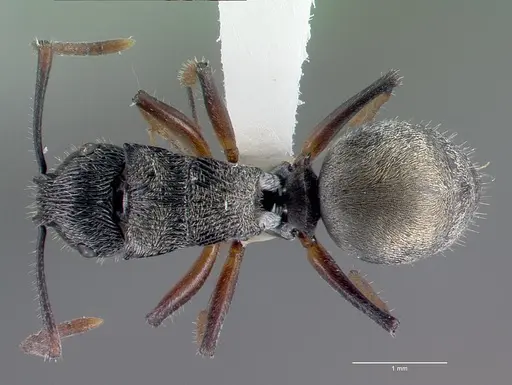
Literature
Loading distribution map...Loading products...