Polyrhachis daemeli shows a January to December flight window. Peak activity occurs in January, with nuptial flights distributed across 4 months.
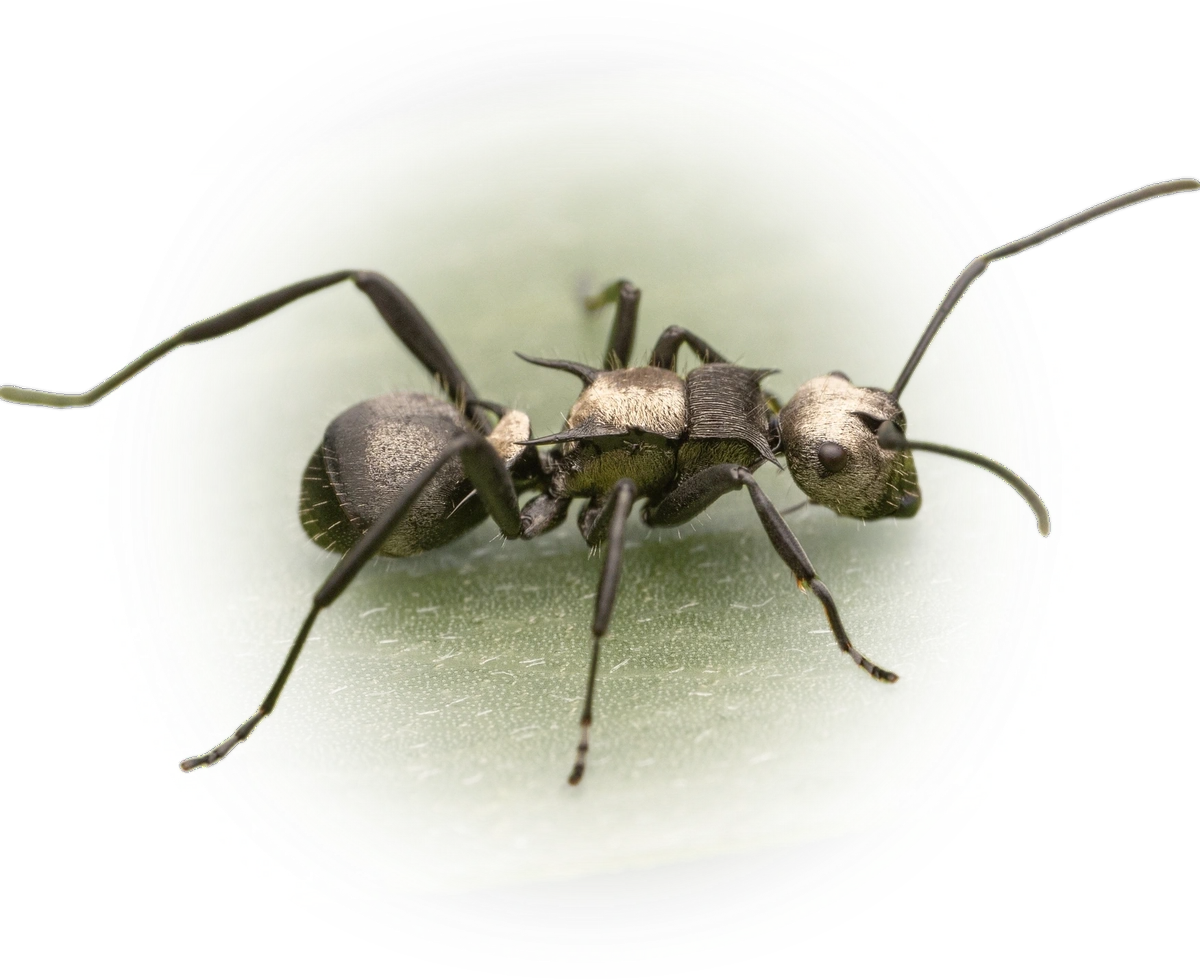
Daemel's Spiny Ant
Polyrhachis daemeli
- Sci. Name
- Polyrhachis daemeli
- Subgenus
- Hedomyrma
- Tribe
- Camponotini
- Subfamily
- Formicinae
- Author
- Mayr, 1876
- Common Name
- Daemel's Spiny Ant
- Distribution
- Found in 1 countries
- Nuptial Flight
- From January to December
- Peak flight Time
- 10:00
AI Identifiable
try →
Introduction
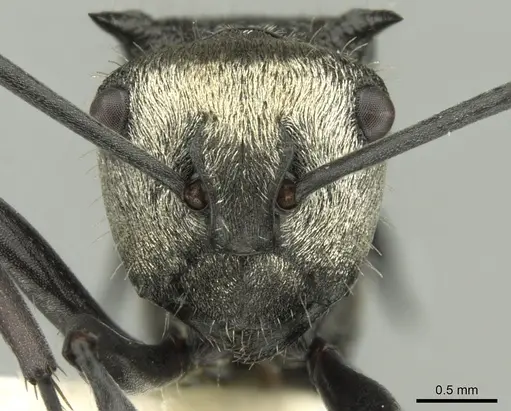
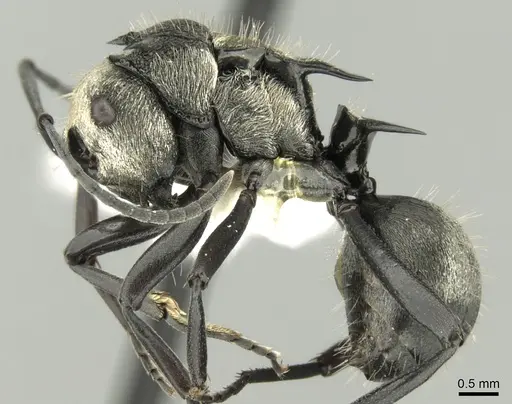
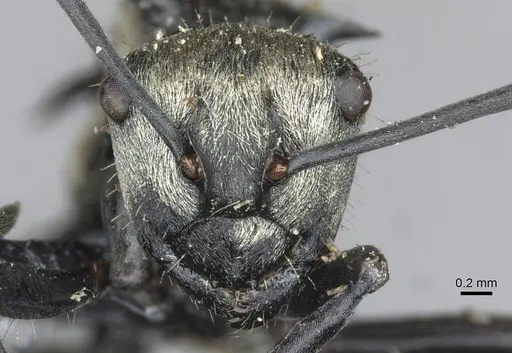
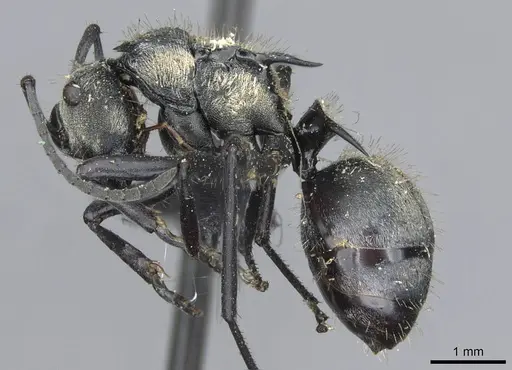
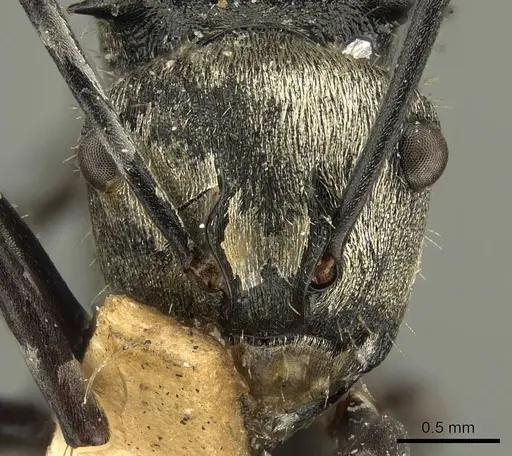
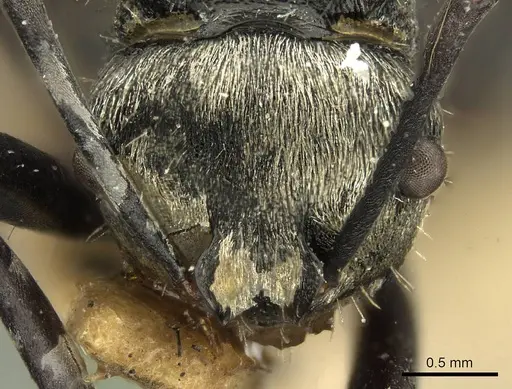
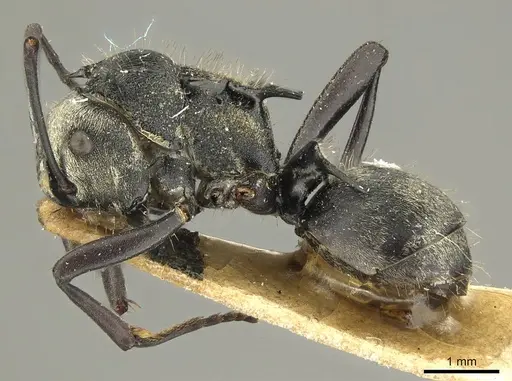
Polyrhachis daemeli is an Australian spiny ant species belonging to the subgenus Hedomyrma. Workers are medium-sized ants with characteristic spines on the thorax. They are native to eastern Australia , where they nest in decaying wood, under bark, and in hollow twigs . This species produces cocooned pupae , which is common among Polyrhachis. One notable aspect is their lignicolous nesting behavior, where they inhabit decaying wood, and their production of cocooned pupae, which differs from many tropical ants that have naked pupae.
Quick Summary
- Difficulty: Medium
- Origin & Habitat: Eastern Australia in forest and woodland habitats, nesting in decaying wood, under bark, and in hollow twigs [1][2][3]
- Colony Type: Colony structure is unconfirmed for this species.
- Size & Growth:
- Queen: Size data unavailable, inferred from Polyrhachis genus as approximately 10-12 mm [4]
- Worker: Size data unavailable, inferred from Polyrhachis genus as approximately 6-9 mm [4]
- Colony: Up to several hundred workers, estimated from genus patterns [4]
- Growth: Moderate
- Development: Estimated 6-10 weeks at optimal temperatures, based on related Polyrhachis species [4] (Development time is inferred from genus patterns, specific data for P. daemeli is unavailable.)
- Antkeeping:
- Temperature: Keep warm, roughly low-to-mid 20s°C, as inferred from wood-nesting habitat [2]
- Humidity: Keep nest substrate consistently moist but not waterlogged, as they nest in damp wood [2][3]
- Diapause: Unknown, based on geographic range and genus patterns, some Australian Polyrhachis may require mild winter rest [2]
- Nesting: Lignicolous, nest in wood, so use wood nests, cork setups, or 3D-printed nests with wood sections. Provide moisture and ventilation [2][3]
- Behavior: Generally docile and non-aggressive. Defense: As a Formicinae, they lack a sting and spray formic acid from an acidopore. Escape risk is moderate, they can climb well, so standard barrier precautions apply.
- Common Issues: colonies can stall if temperatures drop below optimal range, keep warm., wood-nesting species need appropriate nest material that allows for proper humidity without mold., cocoon-producing species are sensitive to excessive moisture, ensure ventilation prevents mold growth in the nest., wild-caught colonies may carry parasites that can devastate captive colonies., slow initial growth during founding phase can lead to overfeeding and mold problems.
Nuptial Flight Activity Analysis 124 observations
Flight Activity by Hour 124 observations
Polyrhachis daemeli nuptial flight activity peaks around 10:00 during the late morning to early afternoon. Activity is spread across a 12-hour window (06:00–17:00). Times may be influenced by human observation patterns.
Housing and Nest Setup
Polyrhachis daemeli is a lignicolous (wood-nesting) species, so your setup should reflect their natural preferences. They do well in cork nests, wood formicaria, or 3D-printed nests with wood inserts. The nesting area should be kept moist but never waterlogged, these ants naturally inhabit damp decaying wood in the wild. Provide a water tube or moisture reservoir connected to the nest area to maintain humidity. Since they produce cocoons [2][3], the nest must have adequate space for pupal cases and proper ventilation to prevent mold. An outworld for foraging allows you to feed and observe the colony.
Feeding and Diet
Polyrhachis ants are omnivorous, similar to most species in the genus. They will accept sugar sources like honey water or sugar water, and protein sources like insects (fruit flies, small crickets, mealworms). In the wild, they forage for honeydew from aphids and scale insects, plus small arthropods. Feed protein 2-3 times per week and keep sugar water available at all times. Remove uneaten prey after 24-48 hours to prevent mold. Young colonies should be fed small amounts more frequently rather than large prey items they cannot consume. [4]
Temperature and Heating
As an Australian species from eastern regions, Polyrhachis daemeli prefers warm conditions. Keep the nest area at roughly low-to-mid 20s°C for optimal colony development and brood production. A temperature gradient is ideal, allow workers to move between warmer and cooler areas of the nest to self-regulate. You can achieve this with a heating cable on one side of the nest or a low-wattage heat mat under part of the setup. Avoid temperatures below 20°C for extended periods, as this can slow colony growth significantly. [2]
Humidity and Water
These wood-nesting ants need moderate to high humidity to thrive. The nest substrate or moisture reservoir should maintain damp conditions, think of the inside of a rotting log in a forest. Aim for consistently moist but not waterlogged conditions. However, ventilation is crucial because excessive moisture combined with poor airflow leads to mold, which can kill cocoons and larvae. Provide a water tube with a cotton plug as a constant water source. [2][3]
Seasonal Care and Winter Rest
While specific data for P. daemeli is lacking, many Australian Polyrhachis species from temperate regions may benefit from a mild winter rest period. If your colony is from a cooler part of their range, consider providing 2-3 months at 15-18°C during winter. Reduce feeding during this period and allow the colony to slow down naturally. This rest period may help trigger reproductive cycles in spring. Tropical populations may not require hibernation, observe your colony's behavior and adjust accordingly. [2]
Behavior and Colony Dynamics
Polyrhachis daemeli workers are active foragers that will search the outworld for food. They are generally docile and not particularly aggressive, you can observe them without major defensive responses. Workers communicate through chemical trails and will recruit nestmates to good food sources. The colony will grow gradually over time, with the queen producing workers continuously once established. Unlike some tropical ants, this species produces cocooned pupae [2][3], which means you may see white cocoons in the nest rather than naked pupae. This is normal and indicates healthy brood development.
Frequently Asked Questions
How long does it take for Polyrhachis daemeli to produce first workers?
First workers (nanitics) typically appear 6-10 weeks after the queen lays her first eggs, assuming optimal temperatures around 26°C. This is an estimate based on related Polyrhachis species, specific development data for P. daemeli is not available. Patience is key during the founding phase.
Can I keep Polyrhachis daemeli in a test tube setup?
Test tubes can work for founding queens, but wood-nesting species like P. daemeli often do better in cork or wood-based nests once the colony establishes. You can start with a test tube setup for the founding queen, then transfer to a more appropriate nest as the colony grows.
What do I feed Polyrhachis daemeli?
They are omnivorous, offer sugar water or honey water constantly, and protein sources like fruit flies, small crickets, or mealworms 2-3 times per week. Remove uneaten prey after 24-48 hours to prevent mold.
Are Polyrhachis daemeli good for beginners?
They are considered medium difficulty. They are more forgiving than some species but require proper wood-nesting setups and warm temperatures. They are generally docile and less aggressive than many ant species, making them suitable for intermediate keepers.
Do Polyrhachis daemeli need hibernation?
It depends on the population origin. Australian temperate populations likely benefit from a mild winter rest (2-3 months at 15-18°C), while tropical populations may not need hibernation. Observe your colony and adjust accordingly.
When should I move my colony to a formicarium?
Move to a formicarium when the test tube setup becomes crowded or the colony reaches a substantial size. Wood-nesting species do well in cork nests or 3D-printed nests with wood sections. Ensure the new setup has proper humidity control.
How big do Polyrhachis daemeli colonies get?
Based on genus patterns, colonies can reach up to several hundred workers over time. They are not among the largest Polyrhachis species but can still become substantial colonies with proper care.
Why are my Polyrhachis daemeli dying?
Common causes include temperatures too low (below 20°C), excessive humidity causing mold, poor ventilation, or parasites from wild-caught colonies. Review your temperature, humidity, and ventilation settings. Wild-caught colonies often carry parasites that can wipe out colonies in captivity.
Can I keep multiple queens together?
Polyrhachis daemeli colony structure is not well documented. Combining unrelated queens is generally not recommended unless the species is known to be polygynous. Single-queen setups are safest for this species.
When is the nuptial flight of Polyrhachis daemeli?
The nuptial flight of Polyrhachis daemeli typically occurs From January to December.
What time of day does Polyrhachis daemeli fly?
The nuptial flight of Polyrhachis daemeli peaks around 10:00 during the late morning to early afternoon, with most activity between 06:00 and 17:00. Times may be influenced by human observation patterns.
Report an Issue
The current care sheet is based fully on literature. See inconsistencies, or something that's incorrect? Please , it will be resolved after review from an admin. Contributing to the blogs tab also helps providing information, to make us be able to further improve the caresheets. Thank you for your support!
References

This caresheet is licensed under CC BY-SA 4.0 .
Community Blogs
CASENT0281429
View on AntWeb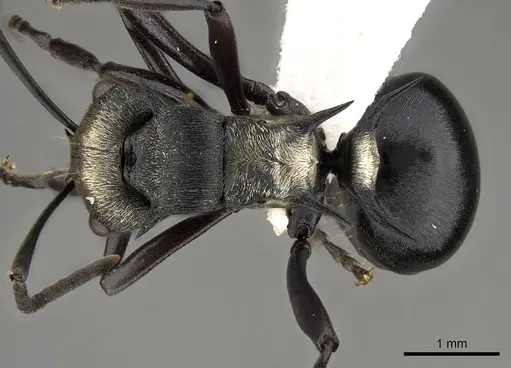
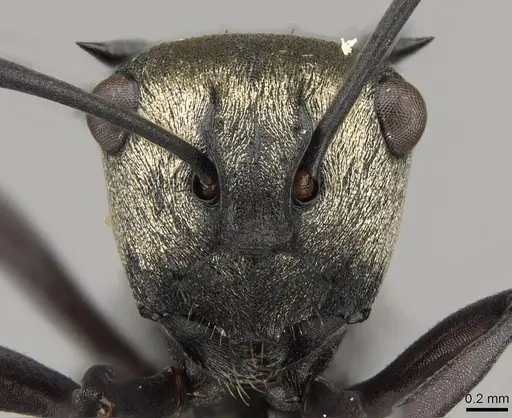
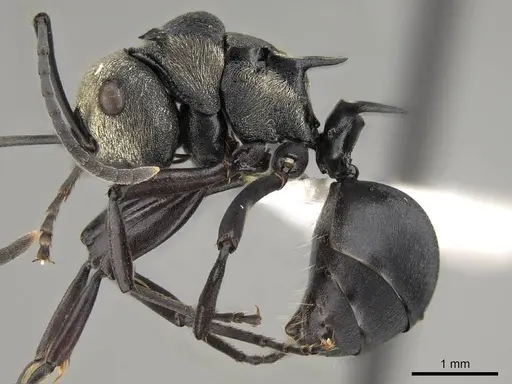
CASENT0887800
View on AntWeb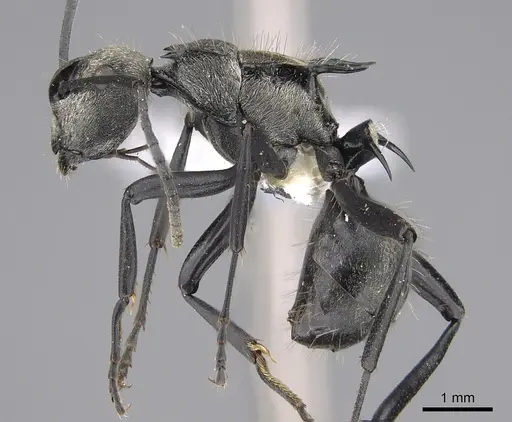
CASENT0906599
View on AntWeb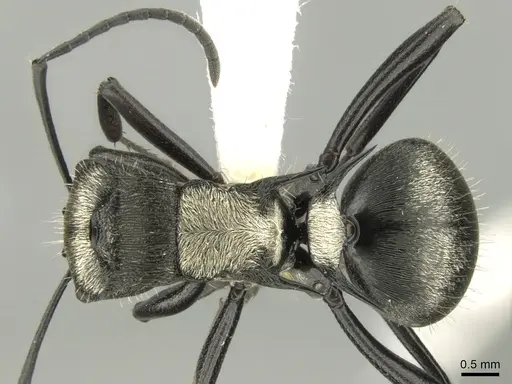
CASENT0910843
View on AntWeb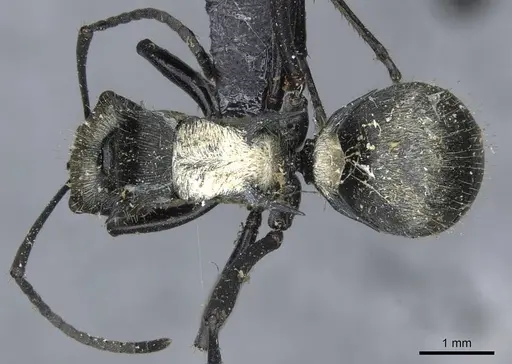
CASENT0915611
View on AntWeb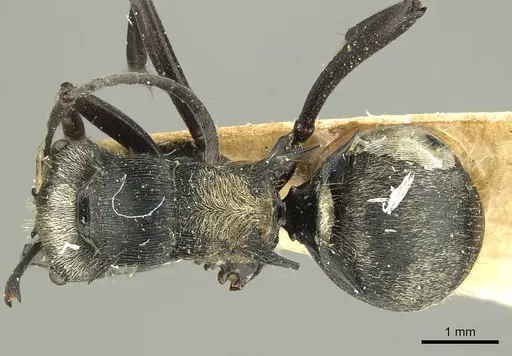
Literature
Loading distribution map...Loading products...