
Polyrhachis cydista
- Sci. Name
- Polyrhachis cydista
- Subgenus
- Chariomyrma
- Tribe
- Camponotini
- Subfamily
- Formicinae
- Author
- Kohout, 2008
- Distribution
- Found in 1 countries
Introduction
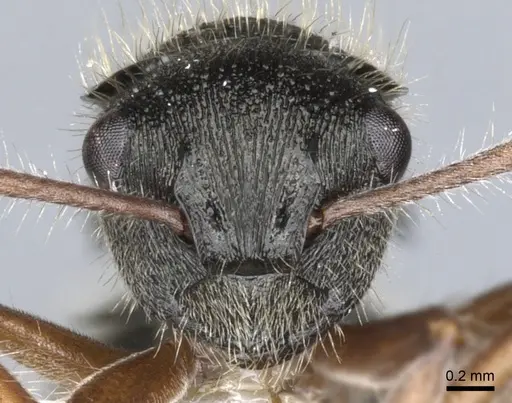
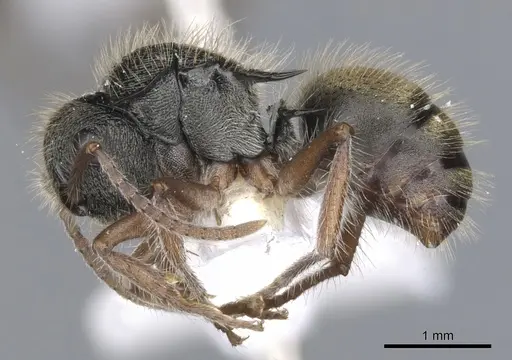
Polyrhachis cydista is a medium-sized ant native to Queensland's Wet Tropics in Australia. Workers measure 4.28-5.59 mm in total length, and queens reach about 6.10 mm . They have a black body with very light orange antennae, pronotal humeri, and legs . Their propodeum and petiole have strong, curved spines . This species is ground-nesting and lives in humid rainforest environments . Polyrhachis cydista is endemic to the Queensland Wet Tropics, meaning it is found only in this region . It was formally described in 2008 and is closely related to other Australian Polyrhachis species such as Polyrhachis hookeri, Polyrhachis lownei, and Polyrhachis obscura .
Quick Summary
- Difficulty: Medium
- Origin & Habitat: Queensland Wet Tropics, Australia, rainforest environments at elevations from 200-300m and below 10m [1][2]
- Colony Type: Unconfirmed
- Size & Growth:
- Antkeeping:
- Temperature: Based on rainforest habitat, keep at warm temperatures around 24-28°C [1][2]
- Humidity: Keep nest substrate consistently moist but not waterlogged, based on rainforest habitat [1][2]
- Diapause: Unknown, tropical species may not require hibernation
- Nesting: Apparently ground-nesting in nature [1]. In captivity, use moist substrate or Y-tong/plaster nests to maintain humidity.
- Behavior: Workers are medium-sized with a calm temperament. They lack a functional sting and use formic acid spray for defense. Escape risk is moderate due to size, use standard barriers.
- Common Issues: high humidity maintenance is critical for survival., tropical species may struggle in cool environments., escape prevention is needed as workers can climb smooth surfaces., founding colonies are vulnerable due to slow growth., parasites may be present in wild-caught colonies.
Housing and Nest Preferences
Polyrhachis cydista is an apparently ground-nesting species from Queensland's rainforests [1]. In captivity, they do well in naturalistic setups with moist substrate or in Y-tong/plaster nests that hold humidity well. The key is providing tight, humid chambers that mimic their natural underground environment. Because they're rainforest dwellers, they need consistent moisture, the nest material should feel damp to the touch but never become waterlogged. A small water reservoir or moisture chamber connected to the nest helps maintain stable humidity [1][2].
Feeding and Diet
Diet is unconfirmed for this species. Based on related Polyrhachis species, they likely feed on honeydew from aphids and scale insects, plus small insects and arthropods. In captivity, offer a varied diet: sugar water or honey as a constant energy source, and protein sources like small crickets, mealworms, or fruit flies every few days. Since they're medium-sized ants, prey items should be appropriately sized. Remove uneaten prey after 24-48 hours to prevent mold.
Temperature and Humidity Requirements
As a rainforest species from Queensland's Wet Tropics, P. cydista needs warm and humid conditions. Keep temperatures around 24-28°C based on habitat data [1][2]. Use a heating cable on one side of the nest if your room temperature falls below this range. Humidity should be maintained by keeping the nest substrate consistently moist but not waterlogged [1][2].
Behavior and Colony Dynamics
Polyrhachis cydista workers are medium-sized with a distinctive appearance, black body with very light orange legs and antennae, plus prominent spines on the propodeum and petiole [1]. They are generally calm and not particularly aggressive. Their main defense is formic acid spray, as they lack a functional sting. Colony growth is unconfirmed, but based on genus patterns, it may be moderate.
Seasonal Care and Overwintering
As a tropical rainforest species, P. cydista does not experience true hibernation in the wild. Diapause is unknown for this species. Maintain stable warm temperatures year-round. If room temperature drops, colonies may become less active but should survive as long as temperatures stay above 18-20°C.
Frequently Asked Questions
How long does it take for Polyrhachis cydista queens to raise their first workers?
Exact development time is unknown for this species. No direct data is available, so keepers should monitor colony progress [1].
What temperature do Polyrhachis cydista ants need?
Keep them at warm temperatures around 24-28°C, based on their rainforest habitat [1][2].
Are Polyrhachis cydista ants good for beginners?
They are rated as medium difficulty. They require specific conditions: high humidity and warm temperatures. If you can maintain these stable conditions, they can be a rewarding species to keep [1][2].
How big do Polyrhachis cydista colonies get?
Colony size is unknown for this species. No data is available on maximum colony size [1].
What should I feed my Polyrhachis cydista colony?
Diet is unconfirmed, but based on related species, offer sugar water or honey for energy and small insects for protein. Remove uneaten prey after 24-48 hours.
Can I keep multiple Polyrhachis cydista queens together?
Colony structure is unconfirmed. Do not combine unrelated queens, as they may fight. Only keep one queen per colony unless data confirms otherwise [1].
Why is humidity so important for Polyrhachis cydista?
This is a rainforest species from Queensland's Wet Tropics. Low humidity causes desiccation and will kill colonies quickly. Maintain moist substrate based on habitat data [1][2].
Report an Issue
The current care sheet is based fully on literature. See inconsistencies, or something that's incorrect? Please , it will be resolved after review from an admin. Contributing to the blogs tab also helps providing information, to make us be able to further improve the caresheets. Thank you for your support!
References

This caresheet is licensed under CC BY-SA 4.0 .
Community Blogs
CASENT0903350
View on AntWeb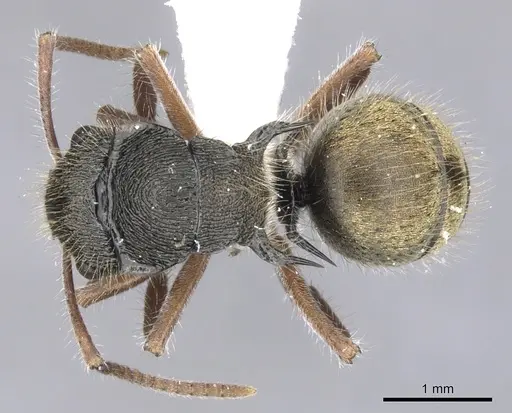
Literature
Loading distribution map...Loading products...