
Polyrhachis cybele
- Sci. Name
- Polyrhachis cybele
- Subgenus
- Myrma
- Tribe
- Camponotini
- Subfamily
- Formicinae
- Author
- Wheeler, 1919
- Distribution
- Found in 1 countries
Introduction
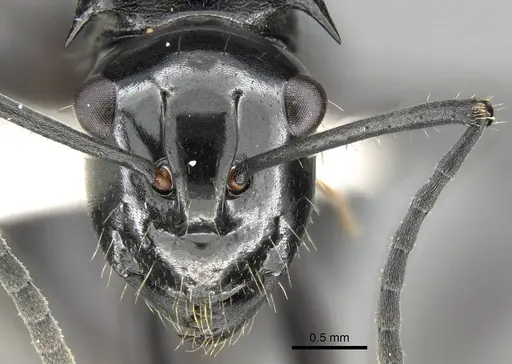
Polyrhachis cybele is a medium-sized spiny ant from Southeast Asia. Workers measure 5.95-7.96 mm in total length, and queens about 8.26 mm . They belong to the Polyrhachis aculeata species-group, with broader bodies and shorter, thicker pronotal and petiolar spines compared to related species . This species occurs in Borneo, Sumatra, Java, Sulawesi, and the Philippines, inhabiting tropical forests . Populations vary: Sulawesi specimens have broader pronotums and shorter antennal scapes, while Java specimens are more slender .
Quick Summary
- Difficulty: Medium
- Origin & Habitat: Southeast Asia, Borneo, Sumatra, Java, Sulawesi, and Philippines. Inhabits tropical forest environments [1][2].
- Colony Type: Colony structure is unconfirmed, no specific literature on queen number or social structure for this species.
- Size & Growth:
- Queen: 8.26 mm [1][2]
- Worker: 5.95-7.96 mm [1][2]
- Colony: Unknown, no data on maximum colony size
- Growth: Moderate, inferred from tropical Polyrhachis patterns
- Development: Unknown, no specific study exists for this species (Development time is estimated based on related tropical Formicinae species, but exact data is lacking.)
- Antkeeping:
- Temperature: Keep warm, roughly 24-28°C, based on tropical habitat inference. A temperature gradient helps ants self-regulate.
- Humidity: Keep nest substrate consistently moist but not waterlogged, inferred from tropical forest habitat.
- Diapause: No, as a tropical species, they do not require hibernation. Keep temperatures stable year-round.
- Nesting: Inferred from genus patterns, prefer tight, enclosed spaces like rotting wood or cavities. In captivity, use Y-tong or naturalistic setups with moist substrate.
- Behavior: Based on genus patterns, workers are moderately active and calm in temperament. They use spines for defense and are not highly aggressive. Escape risk is moderate due to medium size, standard prevention measures are sufficient.
- Common Issues: mold can develop if humidity is too high and ventilation poor, balance moisture and airflow, wild-caught colonies may carry parasites that harm the colony in captivity, temperature drops below 22°C can slow brood development, queens may need protein access during founding if semi-claustral, but this is unconfirmed
Nest Preferences
Polyrhachis cybele naturally nests in rotting wood, under bark, or in cavities in tropical forests [3]. In captivity, they do well in Y-tong nests or naturalistic setups that mimic these conditions. They prefer snug chambers rather than spacious ones. Use damp soil or coco fiber as substrate to retain moisture. Avoid dry setups, they need some humidity.
Feeding and Diet
In the wild, Polyrhachis ants are omnivorous, feeding on honeydew, small insects, and nectar [3]. In captivity, offer sugar water or honey constantly, and protein like mealworms or fruit flies twice weekly. Remove uneaten prey after 24-48 hours to prevent mold.
Temperature and Care
As a tropical species, keep temperatures around 24-28°C for optimal care. Use a heating cable on one side of the nest to create a gradient. Room temperature alone may be too cool and slow growth.
Behavior and Temperament
Workers are day-active foragers with a calm temperament. They use spines for defense when threatened. Escape risk is moderate, use Fluon barriers on formicaria rims.
Colony Founding
Founding behavior is unconfirmed for this species. Based on genus patterns, queens may be semi-claustral and need protein access during founding. Provide a small hunting area with prey items like fruit flies.
Growth and Development
Colony growth is moderate. Brood development time is unknown, but tropical species typically develop faster than temperate ones. Feed regularly and maintain stable conditions for healthy growth.
Frequently Asked Questions
How long does it take for Polyrhachis cybele to produce first workers?
Development time is unknown, no specific study exists. Based on related tropical species, it may take 6-10 weeks under optimal conditions, but this is an estimate.
What do Polyrhachis cybele ants eat?
They are omnivorous. Offer sugar water or honey constantly, and protein sources like small insects twice weekly [3].
What temperature do Polyrhachis cybele need?
Keep them warm at 24-28°C, inferred from their tropical habitat. A temperature gradient is beneficial.
Are Polyrhachis cybele good for beginners?
They are rated medium difficulty due to tropical care requirements. Not aggressive, but maintaining humidity and temperature can be challenging.
Do Polyrhachis cybele need hibernation?
No, as a tropical species, they do not require diapause. Keep temperatures stable year-round.
Can I keep multiple Polyrhachis cybele queens together?
Colony structure is unconfirmed. Based on genus patterns, they are likely single-queen, but combining queens is not recommended without evidence.
When should I move Polyrhachis cybele to a formicarium?
Keep founding colonies in test tubes until crowded. Transfer to a Y-tong or naturalistic setup when the colony grows, but exact timing is unknown.
Why is my Polyrhachis cybele colony not growing?
Common causes include low temperature, low humidity, insufficient protein, or parasites. Check these parameters and adjust accordingly.
What size colony do Polyrhachis cybele reach?
Colony size is unknown, no data exists on maximum size for this species.
Report an Issue
The current care sheet is based fully on literature. See inconsistencies, or something that's incorrect? Please , it will be resolved after review from an admin. Contributing to the blogs tab also helps providing information, to make us be able to further improve the caresheets. Thank you for your support!
References

This caresheet is licensed under CC BY-SA 4.0 .
Community Blogs
CASENT0906802
View on AntWeb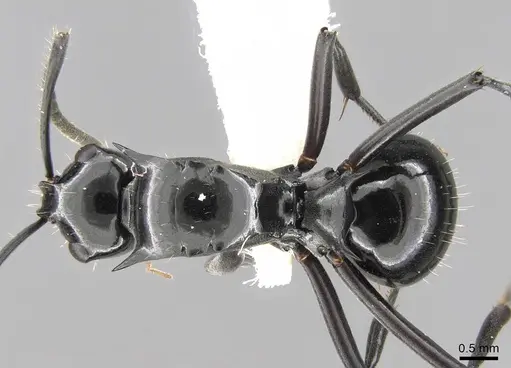
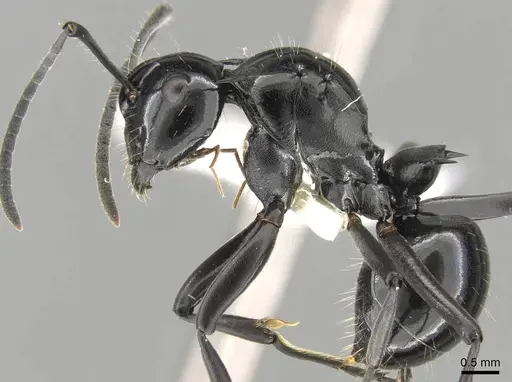
Literature
Loading distribution map...Loading products...