
Polyrhachis creusa
- Sci. Name
- Polyrhachis creusa
- Subgenus
- Campomyrma
- Tribe
- Camponotini
- Subfamily
- Formicinae
- Author
- Emery, 1897
- Distribution
- Found in 2 countries
Introduction
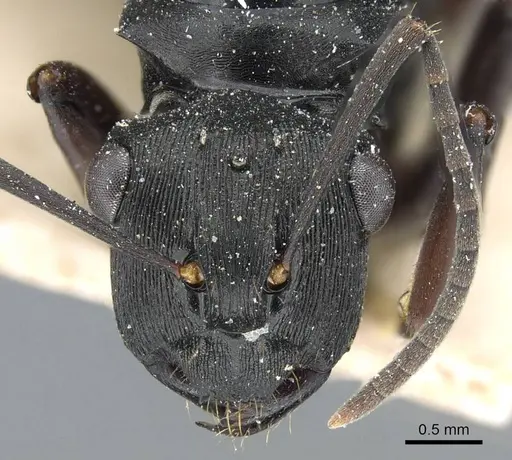
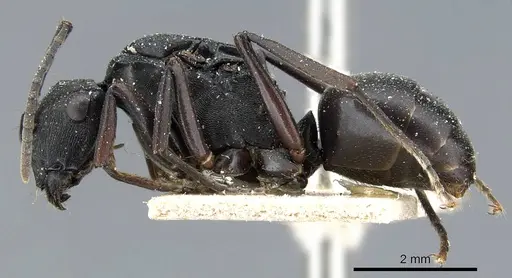
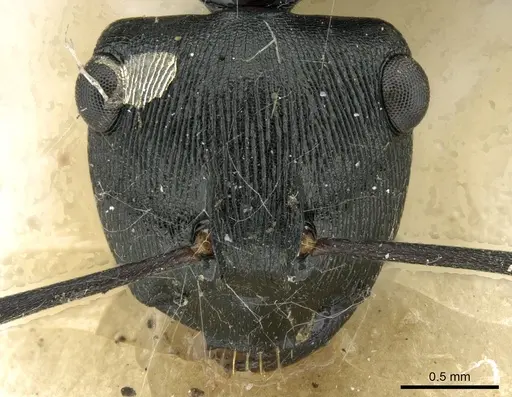
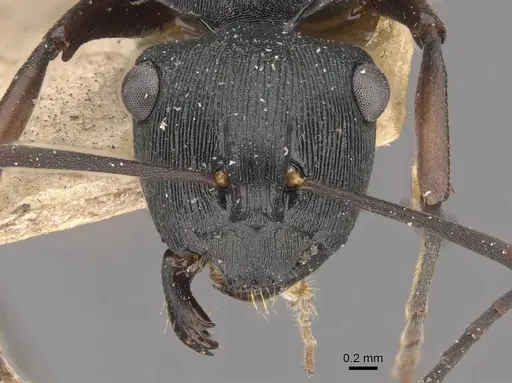
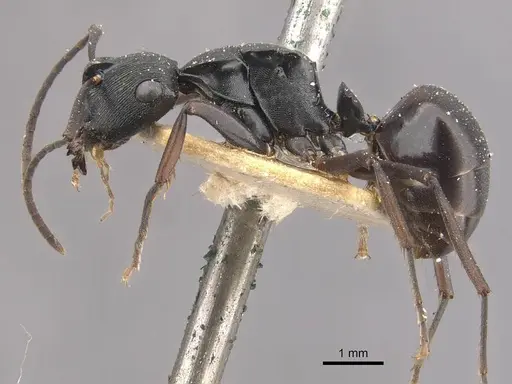
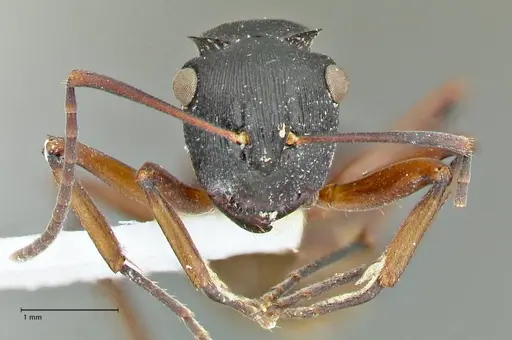
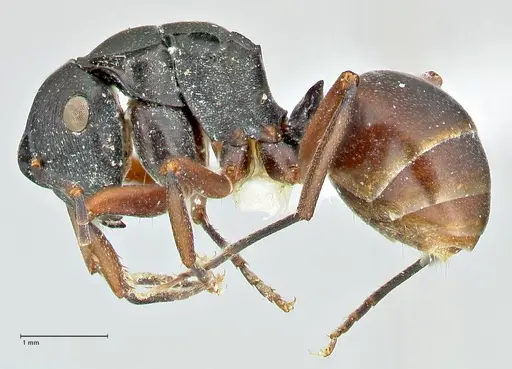
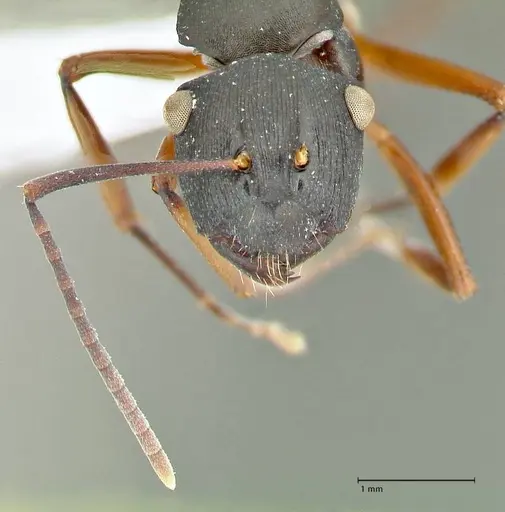
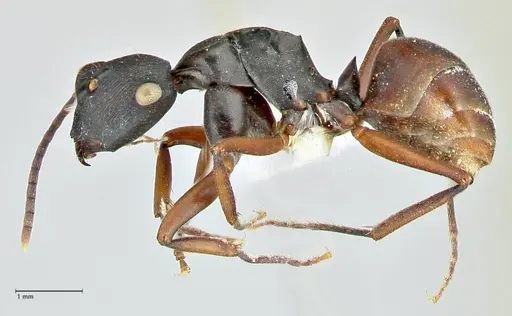
Polyrhachis creusa is a medium-sized ant in the subgenus Campomyrma, described by Emery in 1897 from New Guinea . It is found in the Australasian region, including Australia, New Guinea, and Indonesian islands, often in undisturbed forests . This species nests subterranean and produces pupal cocoons . Unlike some Polyrhachis that build arboreal silk nests, P. creusa follows the typical subterranean habit of its subgenus.
Quick Summary
- Difficulty: Medium
- Origin & Habitat: Native to the Australasian region, including northern Australia, New Guinea, and Indonesian islands, in undisturbed forest habitats [2][1].
- Colony Type: Based on typical Polyrhachis patterns, likely monogyne (single-queen colonies), but not specifically documented for this species.
- Size & Growth:
- Queen: Size data unavailable
- Worker: Size data unavailable
- Colony: Up to a few thousand workers, inferred from genus patterns
- Growth: Moderate
- Development: Estimated 6-8 weeks at optimal temperature, based on related species [3][4] (Development is temperature-dependent, warmer conditions accelerate growth. Cocoon stage is present [3][4].)
- Antkeeping:
- Temperature: Keep warm, roughly 24-28°C, based on tropical habitat [2].
- Humidity: Keep nest substrate consistently moist but not waterlogged, as they are from humid forests [2].
- Diapause: No, tropical species do not require hibernation [2].
- Nesting: Subterranean nests, use Y-tong, plaster, or soil nests with deep chambers [3][4].
- Behavior: Moderate temperament, not aggressive toward keepers but will defend the nest if threatened. Escape risk is moderate due to size, use standard barriers like fluon.
- Common Issues: temperatures below 22°C can slow activity and stress the colony, subterranean nesting requires deeper nest chambers for security, cocoon production needs adequate space for pupal development, high humidity can lead to mold if ventilation is poor, balance moisture with airflow, wild-caught colonies may have parasites, quarantine new colonies
Nest Preferences and Housing
Polyrhachis creusa is a subterranean nester, meaning they naturally dig and live in underground chambers [3][4]. In captivity, provide deeper nest spaces like Y-tong (AAC) nests, plaster nests, or soil-based setups. They prefer dark, enclosed chambers similar to their natural habitat. Test tubes work for founding colonies, but move to larger formicariums as the colony grows.
Feeding and Diet
Like most Polyrhachis, this species is omnivorous. Offer a constant sugar source like diluted honey or sugar water, and protein from small insects such as fruit flies or mealworms 2-3 times per week. Fresh water should always be available. Observe your colony's preferences for specific foods.
Temperature and Seasonal Care
As a tropical species, keep the nest area warm at 24-28°C [2]. Use a heating cable on one side to create a gradient if room temperature is lower. They do not require hibernation, but activity may slow slightly in cooler periods.
Behavior and Temperament
Workers are active foragers and will defend the nest if disturbed. They are not highly aggressive but require standard escape prevention due to their moderate size. Colonies establish clear foraging patterns once settled.
Colony Development
This species produces cocoons during development [3][4]. Growth is moderate, with first workers appearing after an estimated 6-8 weeks at optimal temperature. Patience is key during the founding phase.
Frequently Asked Questions
How long does it take for Polyrhachis creusa to produce first workers?
Based on related species, expect 6-8 weeks from egg to first worker at 24-28°C [3][4]. The queen seals herself in during founding.
What is the best nest type for Polyrhachis creusa?
Y-tong or plaster nests with deep chambers work best, as they are subterranean nesters [3][4].
Do Polyrhachis creusa ants need hibernation?
No, as a tropical species, they do not require hibernation [2].
What do Polyrhachis creusa ants eat?
They are omnivorous, feeding on sugar sources and small insects for protein. Offer fresh water always.
Are Polyrhachis creusa ants aggressive?
They have a moderate temperament and will defend the nest but are not typically aggressive toward keepers.
How big do Polyrhachis creusa colonies get?
Up to a few thousand workers, inferred from genus patterns.
Can I keep multiple Polyrhachis creusa queens together?
Not recommended, as they are likely monogyne. Combining queens may cause aggression.
What temperature range is ideal for Polyrhachis creusa?
Keep them at 24-28°C, based on their tropical habitat [2].
Are Polyrhachis creusa ants good for beginners?
They are rated medium difficulty due to warmth and humidity needs, suitable for hobbyists with some experience.
Why is my Polyrhachis creusa colony declining?
Common causes include low temperatures, improper humidity, mold from poor ventilation, or parasites. Check all parameters.
When should I move my Polyrhachis creusa colony to a formicarium?
Move when the test tube is crowded (around 30+ workers) or water is depleted, providing deeper nest spaces.
Report an Issue
The current care sheet is based fully on literature. See inconsistencies, or something that's incorrect? Please , it will be resolved after review from an admin. Contributing to the blogs tab also helps providing information, to make us be able to further improve the caresheets. Thank you for your support!
References

This caresheet is licensed under CC BY-SA 4.0 .
Community Blogs
CASENT0740817
View on AntWeb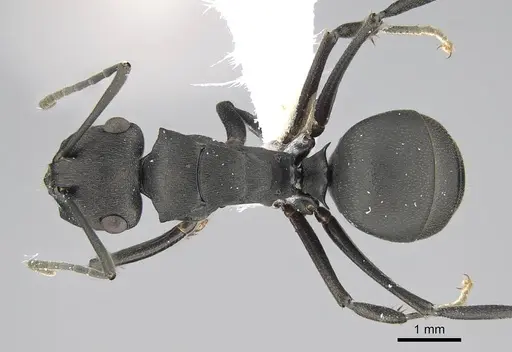
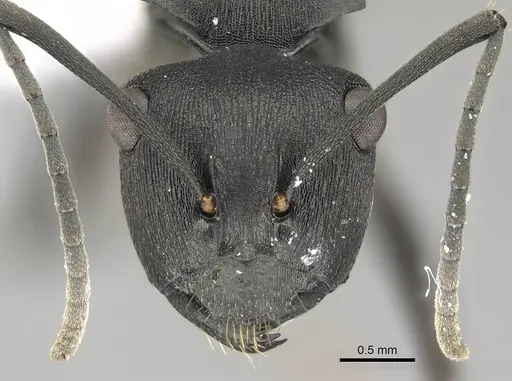
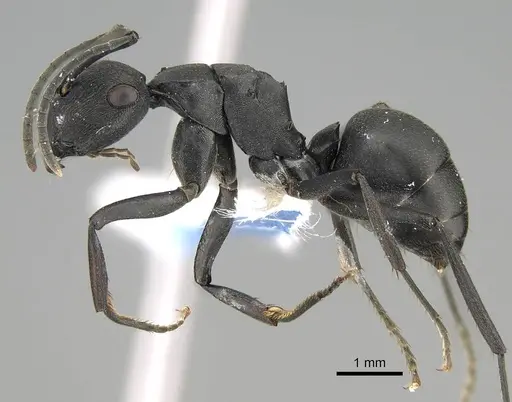
CASENT0905558
View on AntWeb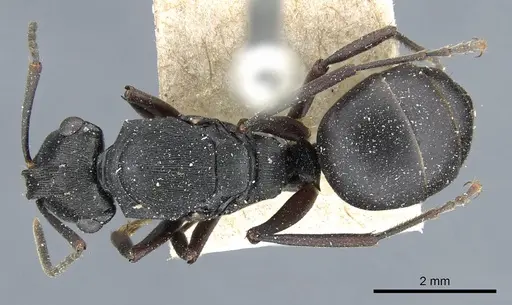
CASENT0906325
View on AntWeb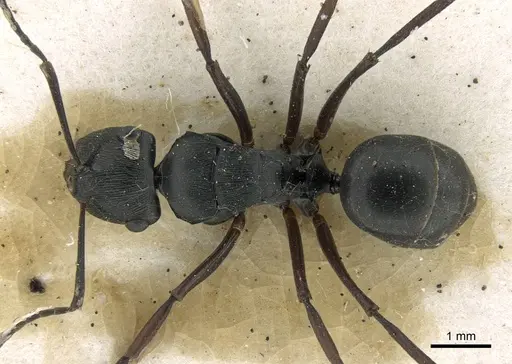
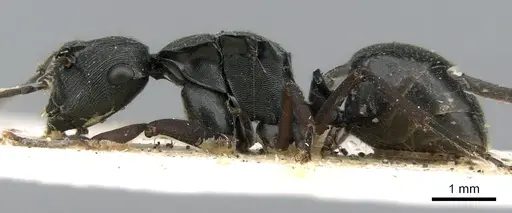
CASENT0910767
View on AntWeb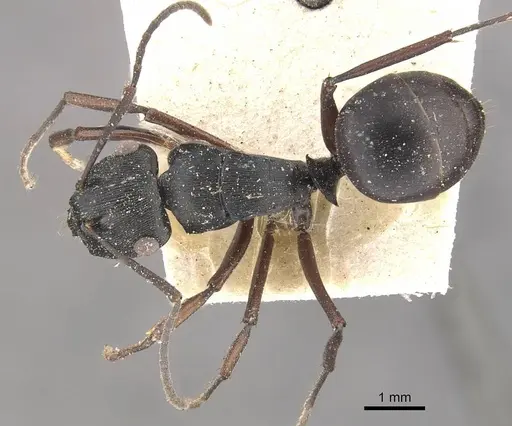
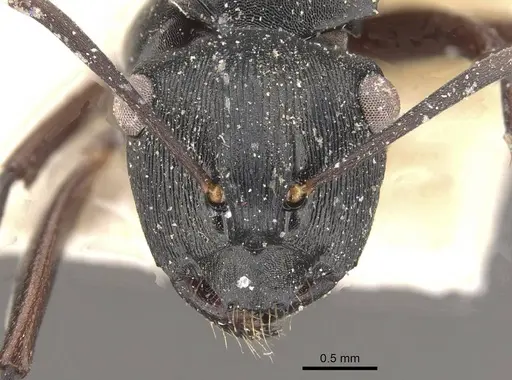
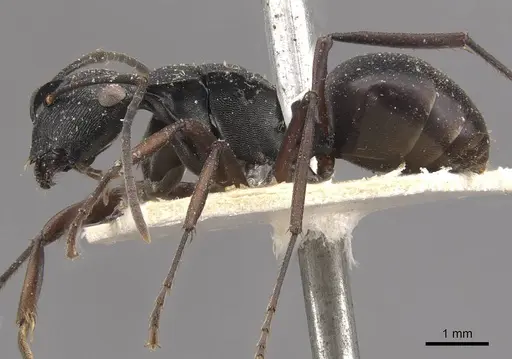
CASENT0910770
View on AntWeb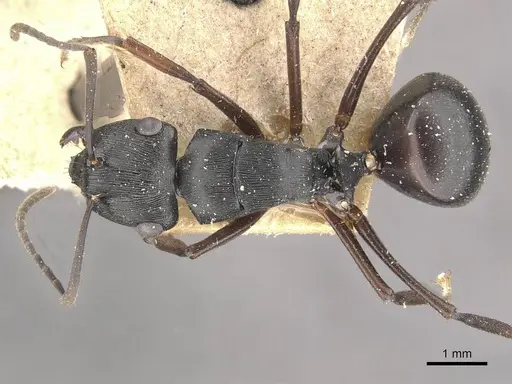
FOCOL2542-1
View on AntWeb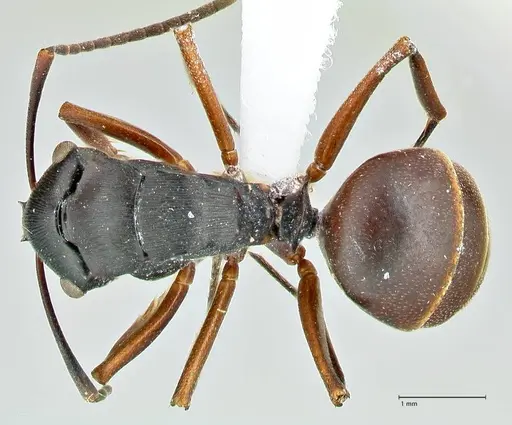
FOCOL2542-2
View on AntWeb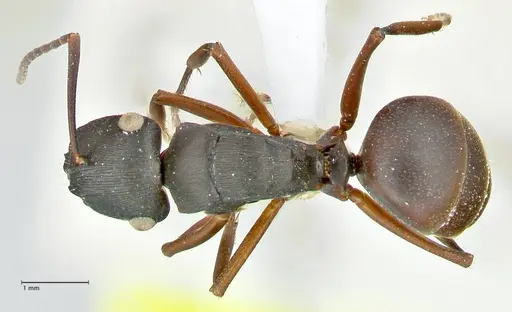
Literature
Loading distribution map...Loading products...