
Polyrhachis contemta
- Sci. Name
- Polyrhachis contemta
- Subgenus
- Chariomyrma
- Tribe
- Camponotini
- Subfamily
- Formicinae
- Author
- Mayr, 1876
- Distribution
- Found in 1 countries
Introduction
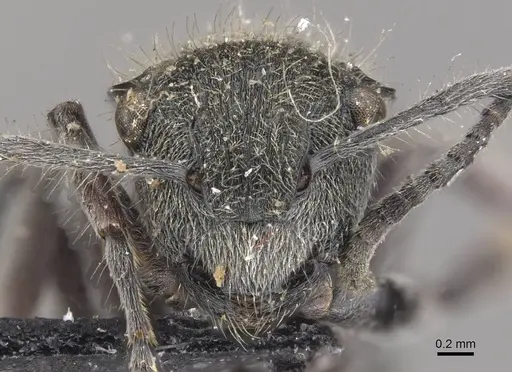
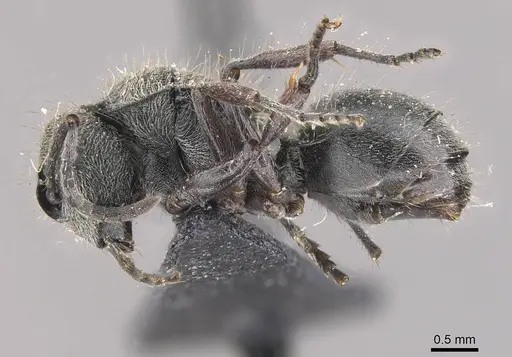
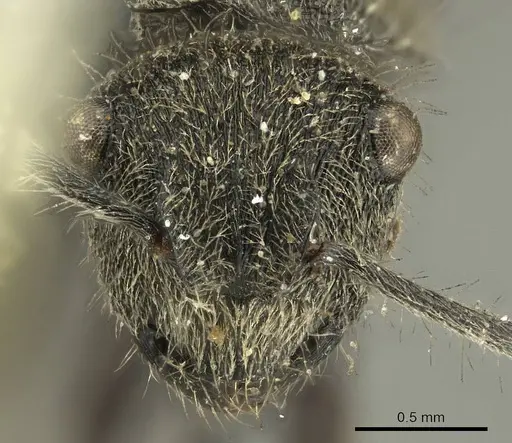
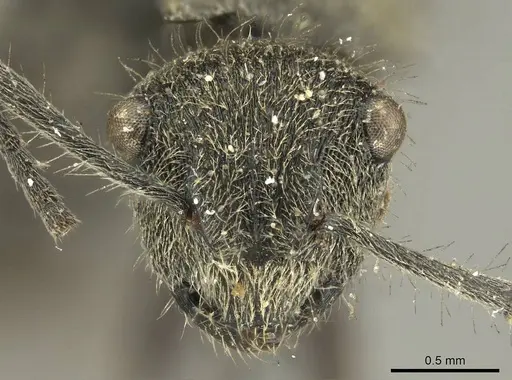
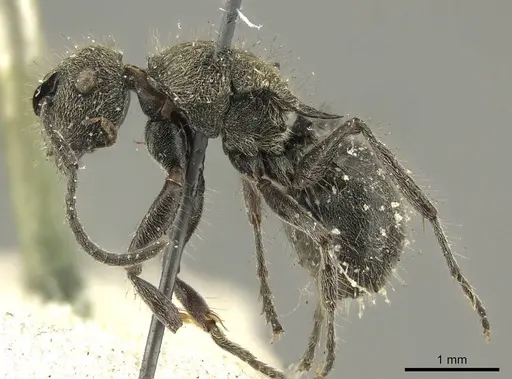
Polyrhachis contemta is a small to medium-sized ant in the genus Polyrhachis, known for spiny projections on the thorax. Worker size is approximately 5-7 mm, but exact measurements are unavailable; this is inferred from Polyrhachis genus patterns . The species is native to New Caledonia , inhabiting forested areas. A key feature is their spiny morphology, which serves as a primary defense mechanism against predators .
Quick Summary
- Difficulty: Medium
- Origin & Habitat: New Caledonia, forested habitats [2]
- Colony Type: Unconfirmed
- Size & Growth:
- Queen: Size data unavailable, inferred from Polyrhachis genus [1]
- Worker: Size data unavailable, inferred from Polyrhachis genus [1]
- Colony: Colony size data unavailable, based on Polyrhachis genus patterns, may reach several hundred workers [1]
- Growth: Moderate, inferred from tropical Formicinae patterns [1]
- Development: 6-10 weeks at 25-28°C, inferred from tropical Formicinae patterns [1] (Development time is estimated, specific data for P. contemta is unavailable.)
- Antkeeping:
- Behavior: Generally peaceful and not aggressive, inferred from Polyrhachis genus [1]. Escape risk is moderate due to size, ensure secure enclosures.
- Common Issues: high humidity can lead to mold growth if ventilation is inadequate, balance is key, tropical species may struggle if room temperature drops below 22°C during winter, arboreal nesting preferences may require specialized housing like Y-tong or cork nests
Housing and Nest Preferences
Polyrhachis contemta is native to New Caledonia [2]. In the wild, Polyrhachis species often nest arboreally in hollow branches or under bark [1]. For captive care, provide Y-tong, cork, or naturalistic nests with wood structures. Test tube setups can work if humidity is maintained, but arboreal-style housing better matches their natural preferences [1]. Ensure the nest has multiple chambers and an outworld for foraging.
Feeding and Diet
Polyrhachis species are omnivorous, feeding on small insects and sugar sources [1]. Offer protein like fruit flies or pinhead crickets 2-3 times per week, and provide constant sugar water or honey. Remove uneaten prey after 24-48 hours to prevent mold in humid conditions [1].
Temperature and Seasonal Care
Maintain temperatures between 24-28°C year-round, as this species is tropical [1]. Use a heating cable to create a gentle gradient. Avoid temperatures below 22°C for extended periods. No diapause is required [1].
Humidity Management
High humidity is critical, aim for 70-85% [1]. Keep nest substrate consistently moist but not waterlogged. Balance humidity with ventilation to prevent mold growth, which can be deadly [1].
Behavior and Handling
Polyrhachis contemta is generally calm and not aggressive toward keepers [1]. Their spiny morphology is used for defense against predators [1]. Workers are moderate in size, so escape risk is manageable with secure lids [1].
Frequently Asked Questions
How long does it take for Polyrhachis contemta to produce first workers?
Based on tropical Formicinae patterns, expect first workers in 6-10 weeks at 25-28°C [1]. Specific data for this species is unavailable.
Can I keep Polyrhachis contemta in a test tube setup?
Yes, but maintain high humidity and consider transitioning to arboreal-style housing like Y-tong or cork nests once the colony grows [1].
What temperature range is best for Polyrhachis contemta?
Keep them at 24-28°C consistently, as they are tropical and do not tolerate cool temperatures well [1].
How often should I feed Polyrhachis contemta?
Offer protein 2-3 times per week and keep sugar sources available at all times [1].
Do Polyrhachis contemta need hibernation?
No, as a tropical species, they do not require diapause [1].
How big do Polyrhachis contemta colonies get?
Colony size data is unavailable, but based on Polyrhachis genus patterns, they may reach several hundred workers [1].
Is Polyrhachis contemta good for beginners?
This species is rated Medium difficulty due to humidity and housing needs [1].
Can I keep multiple Polyrhachis contemta queens together?
Colony type is unconfirmed, but combining unrelated queens is not recommended as they may fight [1].
Why is my Polyrhachis contemta colony declining?
Common causes include low temperature, improper humidity, or insufficient diet. Review conditions first [1].
Report an Issue
The current care sheet is based fully on literature. See inconsistencies, or something that's incorrect? Please , it will be resolved after review from an admin. Contributing to the blogs tab also helps providing information, to make us be able to further improve the caresheets. Thank you for your support!
References

This caresheet is licensed under CC BY-SA 4.0 .
Community Blogs
CASENT0910820
View on AntWeb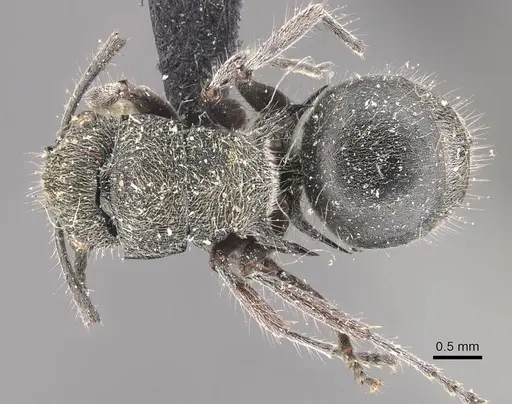
CASENT0915610
View on AntWeb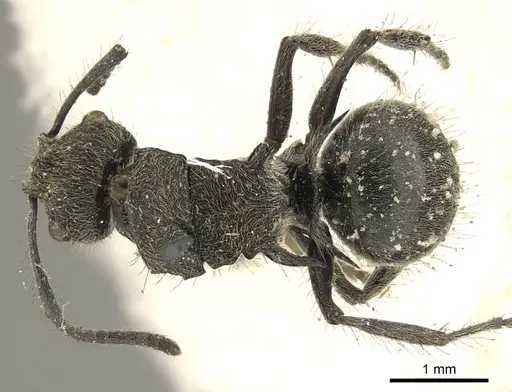
Literature
Loading distribution map...Loading products...