
Polyrhachis cephalotes
- Sci. Name
- Polyrhachis cephalotes
- Subgenus
- Myrmhopla
- Tribe
- Camponotini
- Subfamily
- Formicinae
- Author
- Emery, 1893
- Distribution
- Found in 1 countries
Introduction
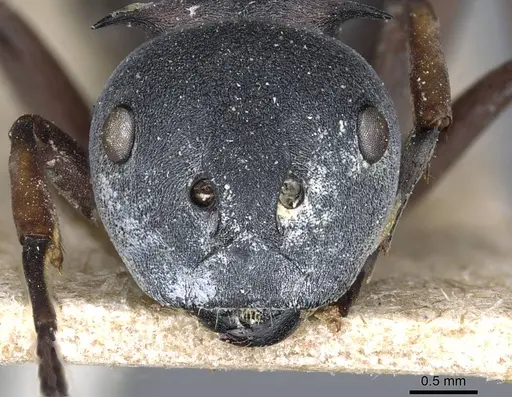
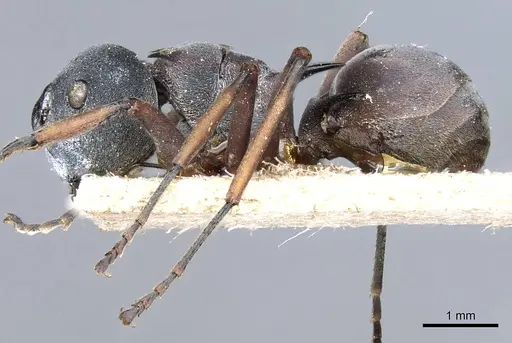
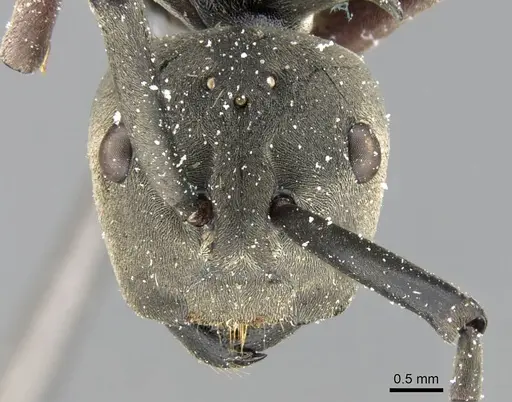
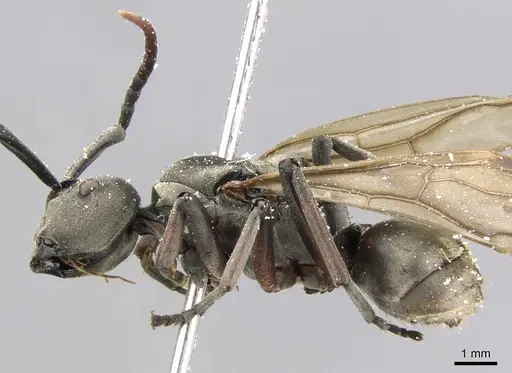
Polyrhachis cephalotes is a tropical ant species from the subgenus Myrmhopla, part of the spiny ant genus. Workers are dark brown to black with a robust build and distinctive backward-curving spines on the thorax. It's found in the Indomalaya region - specifically Borneo, Indonesia, and Malaysia - where it lives in lowland tropical rainforests . This species has been recorded in the tree canopy, suggesting it nests above ground rather than in soil . The genus Polyrhachis is known for being docile and non-aggressive, making them interesting to observe. However, very little specific research exists on this species, so most care advice comes from general knowledge about the genus.
Quick Summary
- Difficulty: Medium
- Origin & Habitat: Borneo, Indonesia, and Malaysia, tropical rainforest environments [1][3][4]. Recorded at Ginseng Camp in the Maliau Basin Conservation Area, Sabah, Borneo [3][4].
- Colony Type: Colony structure is unconfirmed. Based on typical Polyrhachis patterns, it's likely monogyne (single queen), but this hasn't been studied for this species.
- Size & Growth:
- Queen: Size data unavailable, inferred from Polyrhachis genus (~10-12 mm)
- Worker: Size data unavailable, inferred from Polyrhachis genus (~6-9 mm)
- Colony: Likely moderate, up to several hundred workers based on genus patterns
- Growth: Moderate, inferred from genus patterns
- Development: Estimated 6-8 weeks at 25-28°C based on related Formicinae species, but species-specific data is missing (Development time is a rough estimate, actual time could vary.)
- Antkeeping:
- Temperature: 24-28°C year-round. As a tropical species, they need warm, stable conditions. Use a heating cable on one side of the nest to create a gradient.
- Humidity: High humidity (70-85%), keep the nest substrate consistently moist but not waterlogged. Mist the outworld occasionally and provide a water source. Since they're canopy dwellers, they need good airflow but protection from direct rain.
- Diapause: No, tropical species from Borneo/Malaysia, no hibernation needed. Keep warm all year.
- Nesting: They're canopy-dwelling [2], so they prefer elevated nests. In captivity, use Y-tong (AAC), plaster, or cork bark setups with vertical space. Avoid soil-based formicariums, they like to stay above ground. Provide multiple connected chambers so they can move brood to their preferred humidity zone.
- Behavior: Generally docile and non-aggressive. Workers are active foragers looking for honeydew and small prey. They don't have a sting, they bite and spray formic acid, but this isn't a threat to keepers. Escape risk is moderate, standard barriers work fine for this size class.
- Common Issues: tropical species struggles in cool or dry environments, keep warmth and humidity high, canopy-nesting behavior [2] means they may not adapt well to soil-based formicariums, very little species-specific data exists, so some care advice is based on genus-level inference, wild-caught colonies may bring in unknown parasites or diseases due to limited documentation
Nest Preferences and Housing
Since Polyrhachis cephalotes is a canopy-dwelling species [2], they naturally nest above ground in tree hollows, under bark, or in crevices. In captivity, Y-tong (AAC) nests, plaster nests, or setups with cork bark work well because they provide vertical surfaces. Avoid soil-based formicariums, this ant likes to stay off the ground. Make sure the nest has multiple connected chambers so the colony can move brood to areas with the right humidity. A small water tube attached to the nest helps maintain moisture.
Feeding and Diet
Like most Polyrhachis, P. cephalotes is omnivorous. In the wild they forage for honeydew from aphids and small insects. In captivity, provide a constant supply of sugar water or honey for energy, and offer small crickets, mealworms, or fruit flies as protein two to three times a week. Remove uneaten prey after 24-48 hours to prevent mold. Fresh fruit is also appreciated now and then.
Temperature and Humidity Requirements
Keep the temperature between 24-28°C all year. As a tropical species from Borneo and Malaysia, they need warm, stable conditions. A heating cable on one side of the nest lets workers choose their preferred warmth. Humidity should be kept high (70-85%). Keep the nest substrate moist but not waterlogged, and mist the outworld every few days. Since they're canopy dwellers, they do well with good airflow but protection from direct rainfall.
Behavior and Colony Dynamics
Polyrhachis cephalotes is generally docile and calm. Workers actively forage and will explore their outworld for food. They don't have a sting, they defend themselves by biting and spraying formic acid, which isn't dangerous to you. The colony grows at a moderate pace once established, likely reaching several hundred workers. Workers recruit nestmates to food sources using chemical signals.
Frequently Asked Questions
How long does it take for Polyrhachis cephalotes to produce first workers?
Species-specific data isn't available. Based on related Formicinae species, it likely takes about 6-8 weeks from egg to worker at optimal temperatures (25-28°C). Cooler conditions slow development.
What is the best nest type for Polyrhachis cephalotes?
Use Y-tong (AAC) nests, plaster nests, or setups with cork bark, anything with vertical space. This is a canopy-dwelling species [2] that prefers elevated nesting. Avoid soil-based formicariums.
What do Polyrhachis cephalotes eat?
They're omnivorous. Provide constant sugar water or honey for energy, and protein like small crickets, mealworms, or fruit flies two or three times a week. They'll also accept small pieces of fruit.
Do Polyrhachis cephalotes need hibernation?
No. As a tropical species from Borneo and Malaysia, they don't hibernate. Keep temperatures at 24-28°C year-round.
How big do Polyrhachis cephalotes colonies get?
Species-specific data is missing. Based on typical Polyrhachis patterns, they likely grow to several hundred workers over time.
Are Polyrhachis cephalotes good for beginners?
They're rated medium difficulty. They're docile and interesting, but need high humidity and stable tropical temperatures. That requires some attention, so they're better for intermediate keepers rather than total beginners.
Can I keep multiple Polyrhachis cephalotes queens together?
This isn't recommended. Colony structure is unconfirmed, but the genus Polyrhachis is typically monogyne (single queen). Trying to combine unrelated queens hasn't been documented and could lead to aggression.
Why is my Polyrhachis cephalotes colony not growing?
Check temperature (24-28°C) and humidity (70-85%). They struggle in cool or dry conditions. Also make sure the queen is laying and you're providing enough protein. Slow growth often means suboptimal conditions.
Where is Polyrhachis cephalotes found in the wild?
In the Indomalaya region: Borneo, Indonesia, and Malaysia. They live in tropical rainforests and are often found in the canopy rather than on the ground [1][3][4].
Report an Issue
The current care sheet is based fully on literature. See inconsistencies, or something that's incorrect? Please , it will be resolved after review from an admin. Contributing to the blogs tab also helps providing information, to make us be able to further improve the caresheets. Thank you for your support!
References

This caresheet is licensed under CC BY-SA 4.0 .
Community Blogs
CASENT0905604
View on AntWeb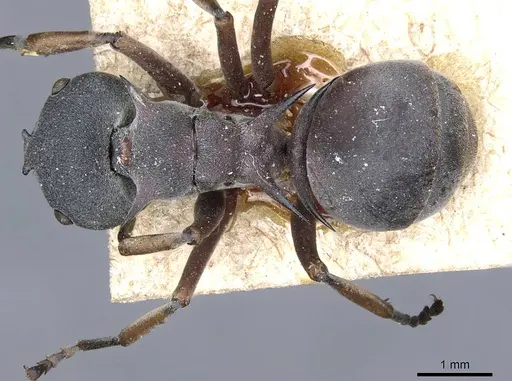
CASENT0906779
View on AntWeb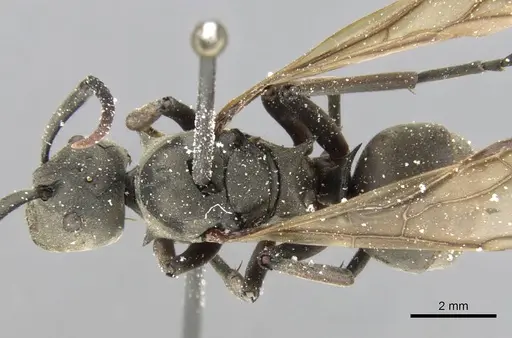
Literature
Loading distribution map...Loading products...