
Polyrhachis batesi
- Sci. Name
- Polyrhachis batesi
- Subgenus
- Myrmhopla
- Tribe
- Camponotini
- Subfamily
- Formicinae
- Author
- Forel, 1911
- Distribution
- Found in 1 countries
Introduction
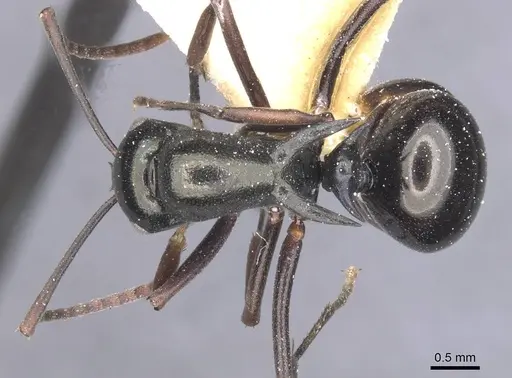
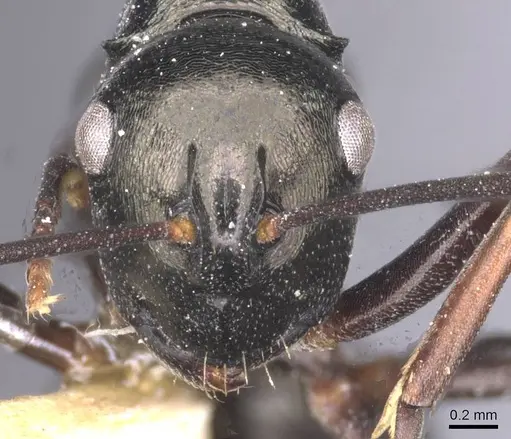
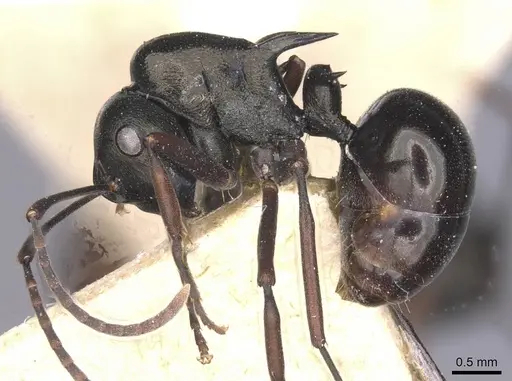
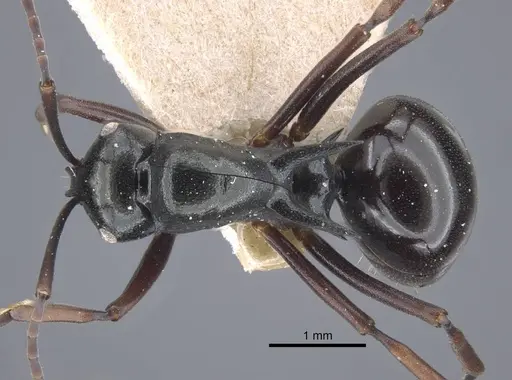
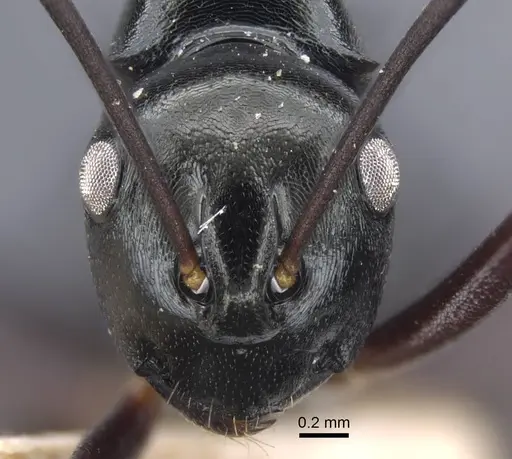
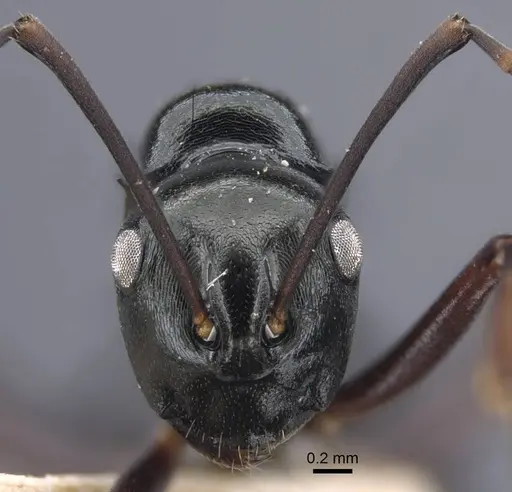
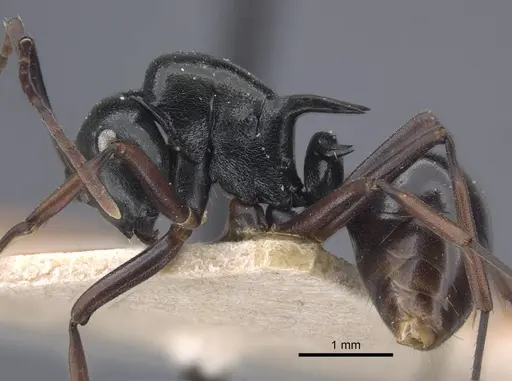
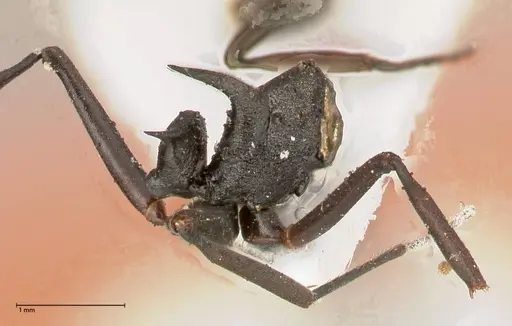
Polyrhachis batesi is a medium-sized ant species native to the Maluku Islands of Indonesia, specifically Ambon and Seram . Workers have the characteristic hooked spines typical of the genus Polyrhachis, often called 'spiny ants.' The species was described by Forel in 1911 and later synonymized with Polyrhachis distincta . It is endemic to these islands, meaning it is found nowhere else on Earth . This species is notable for its limited distribution in undisturbed forest habitats, making it a specialized ant that is vulnerable to habitat loss .
Quick Summary
- Difficulty: Medium
- Origin & Habitat: Native to the Maluku Islands of Indonesia, specifically Seram and Ambon, recorded in undisturbed forest habitats [1].
- Colony Type: Colony structure is unconfirmed. Based on Polyrhachis genus patterns, most species are monogyne (single queen colonies), but this is not confirmed for P. batesi.
- Size & Growth:
- Queen: Size data unavailable, no total length measurements in research. Inferred from Polyrhachis genus as approximately 10-12 mm [2].
- Worker: Size data unavailable, no total length measurements in research. Inferred from Polyrhachis genus as approximately 6-9 mm [2].
- Colony: Up to several hundred workers, estimated from related Polyrhachis species [2].
- Growth: Moderate, inferred from tropical Formicinae patterns.
- Development: Estimated 6-8 weeks at tropical temperatures (25-28°C) based on related Formicinae species [2]. (Development time is estimated from genus-level data since specific studies are lacking for this species.)
- Antkeeping:
- Temperature: Keep warm and stable, roughly 24-28°C, as this species comes from tropical islands. A heating cable can create a gradient for self-regulation [2].
- Humidity: Keep the nest substrate consistently moist but not waterlogged, as this species is forest-dwelling. Mist occasionally and ensure a water tube is filled [2].
- Diapause: No, as a tropical species, it does not require hibernation. Slight temperature reductions in winter are optional but not necessary [2].
- Nesting: Likely nests in vegetation or rotting wood in nature. In captivity, use Y-tong (AAC) or plaster nests with appropriate chamber sizes. Provide vertical space for arboreal behaviors [2].
- Behavior: Polyrhachis ants are generally defensive when threatened but not aggressive toward keepers. Workers are active foragers and explore outworlds regularly. Escape risk is moderate due to their size and climbing ability, so standard barriers are recommended.
- Common Issues: temperatures below 22°C can harm this tropical species., high humidity requirements may lead to mold if ventilation is poor., wild-caught colonies may have parasites affecting survival., moderate growth rate requires patience compared to faster-growing species.
Natural History and Distribution
Polyrhachis batesi is endemic to the Maluku Islands of Indonesia, found only on Seram and Ambon [1]. It was first described by Forel in 1911 from Seram and later synonymized with Polyrhachis batesi from Ambon [2]. The species inhabits undisturbed forest environments, indicating a preference for mature ecosystems [1]. This limited range makes wild colonies vulnerable to habitat loss.
Housing and Nest Preferences
In captivity, use Y-tong (AAC) or plaster nests with appropriately sized chambers. Since this species likely nests in vegetation or rotting wood, provide vertical space and anchor points. A connected outworld allows foraging, and escape prevention with Fluon barriers is recommended due to their climbing ability [2].
Feeding and Diet
Polyrhachis batesi is omnivorous. Offer sugar water or honey water constantly, and provide protein sources like small insects 2-3 times per week. Remove uneaten prey to prevent mold [2].
Temperature and Seasonal Care
Keep temperatures at 24-28°C for optimal growth. A heating cable can create a gradient. No diapause is needed, but slight winter reductions to 22°C are optional [2].
Humidity Requirements
Maintain high humidity with moist substrate, but avoid waterlogging. Use a water tube and monitor for condensation to prevent mold [2].
Frequently Asked Questions
How long does it take for Polyrhachis batesi to produce first workers?
Based on related Formicinae species, expect first workers around 6-8 weeks after egg-laying at 25-28°C. This is an estimate due to lack of specific data [2].
Can I keep multiple Polyrhachis batesi queens together?
Colony structure is unconfirmed. Most Polyrhachis species are monogyne, so combining queens is not recommended as they may fight. House them separately.
What is the best nest type for Polyrhachis batesi?
Y-tong (AAC) or plaster nests work well, with chambers scaled to their medium size. Provide humidity retention and an outworld for foraging [2].
Do Polyrhachis batesi need hibernation?
No, as a tropical species from Indonesia, they do not require hibernation. Keep temperatures above 20°C year-round [1].
How big do Polyrhachis batesi colonies get?
Colony size is not specifically documented, but related species suggest up to several hundred workers. Growth is moderate.
What do Polyrhachis batesi eat?
They are omnivorous. Offer sugar water constantly and protein like small insects 2-3 times per week [2].
Is Polyrhachis batesi a good species for beginners?
This species is rated Medium difficulty due to specific humidity and temperature needs. Beginners should be prepared to maintain these conditions.
Where is Polyrhachis batesi found naturally?
Endemic to the Maluku Islands of Indonesia, specifically Seram and Ambon, in undisturbed forest habitats [1].
Why are my Polyrhachis batesi dying?
Common causes include temperatures below 22°C, low humidity, mold from excess moisture, or stress from wild-caught origins. Check temperature and humidity first.
Report an Issue
The current care sheet is based fully on literature. See inconsistencies, or something that's incorrect? Please , it will be resolved after review from an admin. Contributing to the blogs tab also helps providing information, to make us be able to further improve the caresheets. Thank you for your support!
References

This caresheet is licensed under CC BY-SA 4.0 .
Community Blogs
Literature
Loading distribution map...Loading products...