Polyrhachis armata exhibits a clear seasonal activity window. Peak activity is concentrated in November, with the overall period spanning January to December. This extended season suggests multiple flight events or varying conditions across its range.
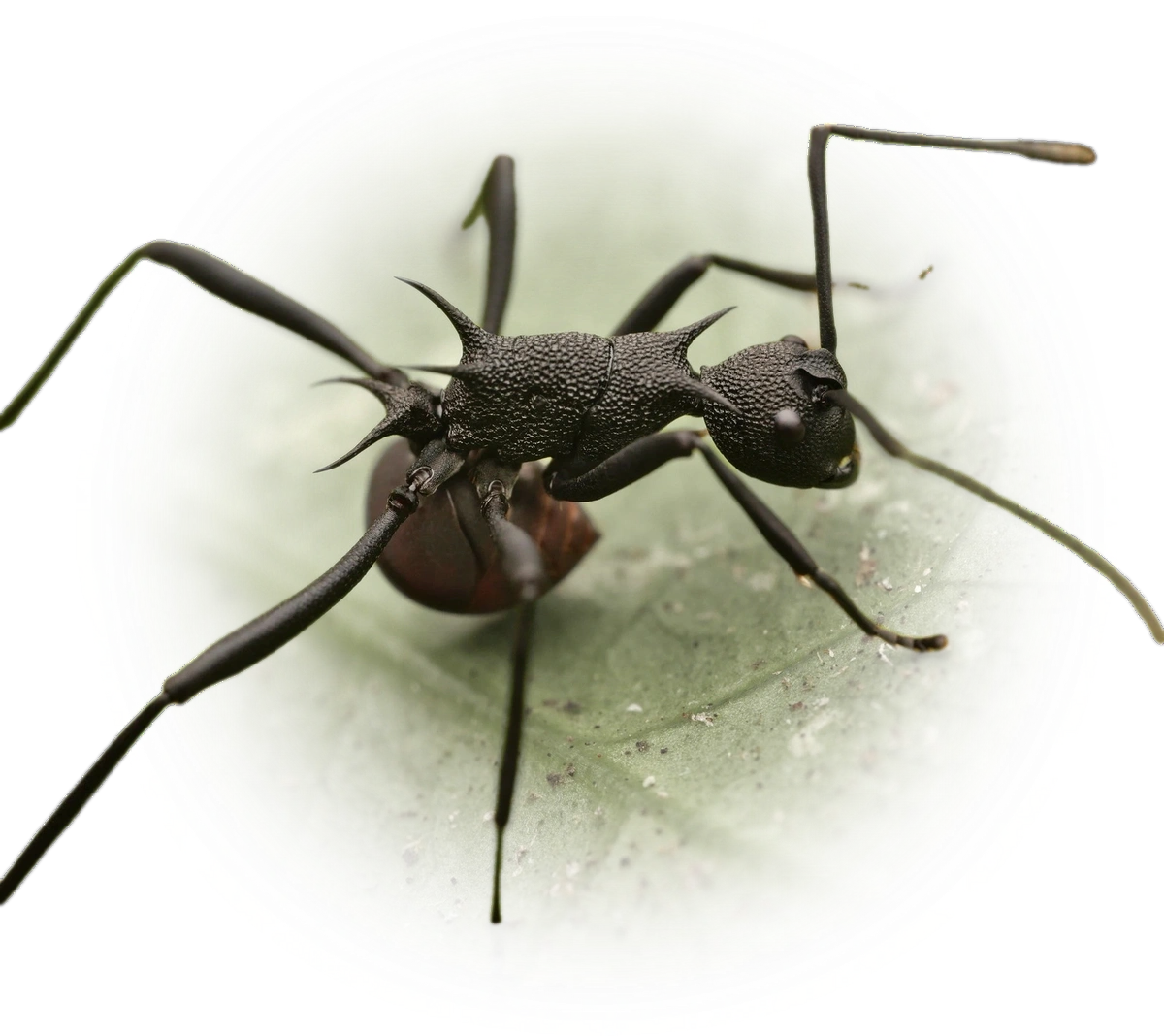
Armed Spiny Ant
Polyrhachis armata
- Sci. Name
- Polyrhachis armata
- Subgenus
- Myrmhopla
- Tribe
- Camponotini
- Subfamily
- Formicinae
- Author
- Le Guillou, 1842
- Common Name
- Armed Spiny Ant
- Distribution
- Found in 11 countries
- Queen Activity
- From January to December
- Peak Time
- 11:00
AI Identifiable
try →
Introduction
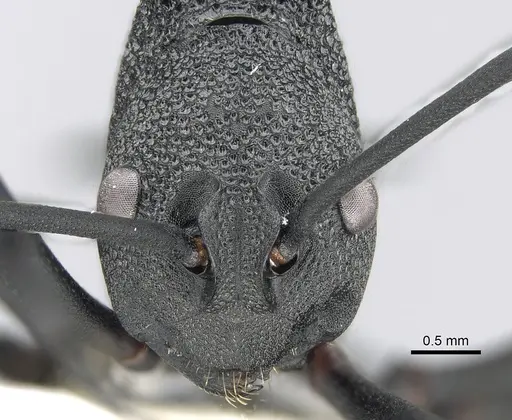
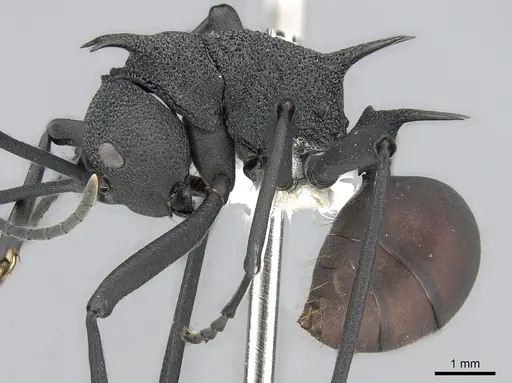
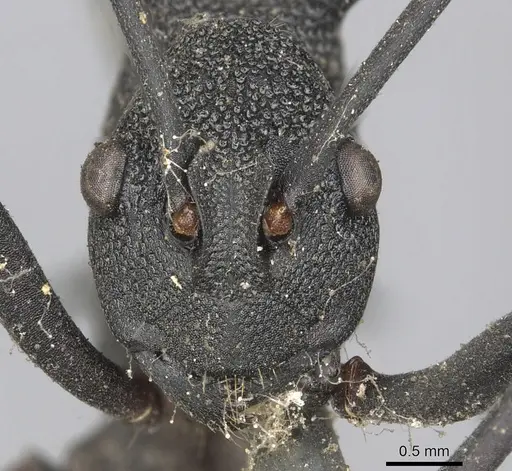
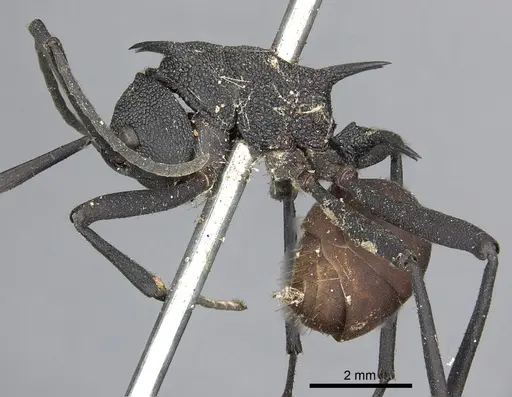
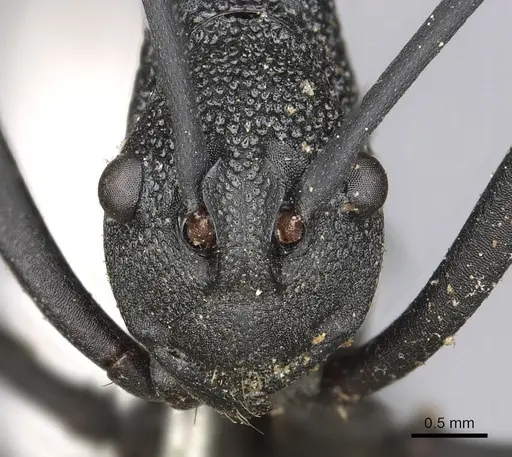
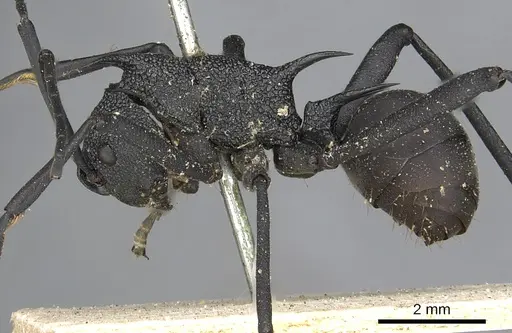
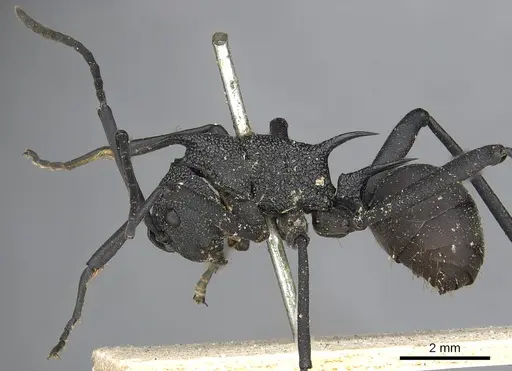
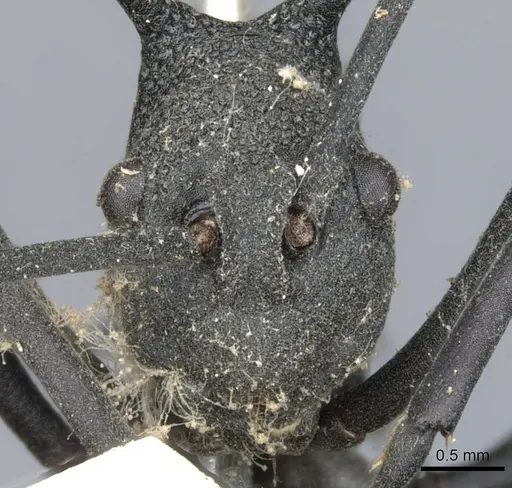
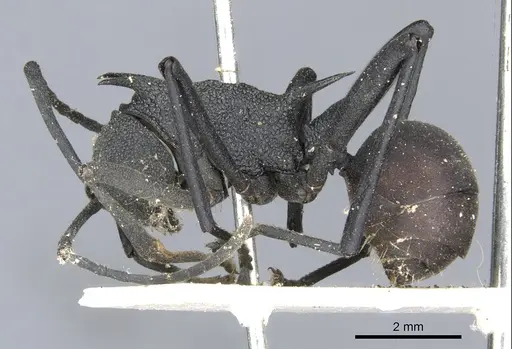
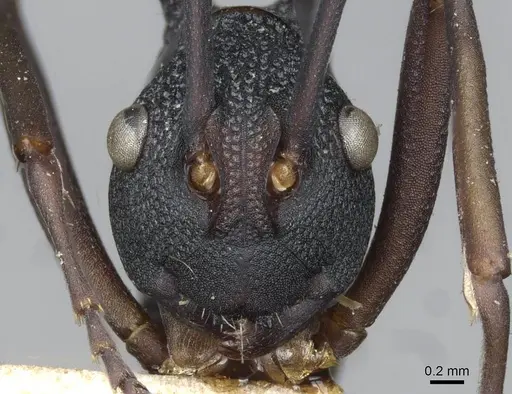
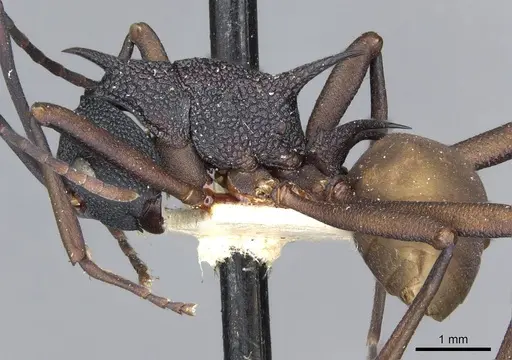
Polyrhachis armata is a distinctive spiny ant native to Southeast Asia, ranging from India through the Philippines, Thailand, Malaysia, Indonesia, and into southern China . Workers are robust ants measuring approximately 9-11 mm in total length with a black body and distinctive spines on the thorax and petiole . They belong to the subgenus Myrmhopla and are known for their arboreal nesting habits, using silk to construct nests in trees and vegetation . This species is a primary forest specialist and is rarely found in disturbed areas or secondary growth . A unique feature of Polyrhachis armata is its defensive mechanism: when threatened, workers secrete a bubble acid foam from the tip of their abdomen .
Quick Summary
- Difficulty: Medium
- Origin & Habitat: Southeast Asian tropical rainforests, from India through the Philippines, Borneo, Sumatra, Java, Thailand, Vietnam, Malaysia, Singapore, Laos, Cambodia, and southern China. Found primarily in primary lowland dipterocarp forests and canopy environments [1][7].
- Colony Type: Colony structure is unconfirmed. Based on genus patterns, likely single-queen colonies.
- Size & Growth:
- Antkeeping:
- Temperature: Keep warm and stable, roughly 24-28°C, based on tropical rainforest habitat [9].
- Humidity: Keep nest substrate consistently moist but not waterlogged, with some drier areas available, as they are from humid environments [9].
- Diapause: No, as a tropical species, they do not require hibernation [9].
- Nesting: Arboreal ants that naturally nest in trees using silk. In captivity, provide naturalistic setups with plants or Y-tong nests with climbing structures [6].
- Behavior: Workers are generally calm but will defend themselves by secreting bubble acid foam when threatened [8]. They are good climbers and may attempt to escape if housing is not secure. Escape prevention should be moderate due to their size and climbing ability.
- Common Issues: primary forest specialist may struggle in suboptimal captive environments., arboreal nature requires vertical space and climbing structures., defensive foam secretion can be startling but is harmless to humans., sensitive to temperature drops, keep consistently warm., may be difficult to establish if wild-caught from degraded habitats.
Queen Ant Activity Analysis 376 observations
Queen Activity by Hour 376 observations
Polyrhachis armata queen activity peaks around 11:00 during the late morning to early afternoon. Activity is spread across a 17-hour window (07:00–23:00). Times may be influenced by human observation patterns.
Housing and Nest Setup
Polyrhachis armata is an arboreal species, so provide a setup with vertical space for climbing. Use naturalistic arrangements with live plants, branches, or leaves that they can bind with silk [6]. Alternatively, a Y-tong nest with multiple chambers works well. Add materials like cotton or fabric for silk binding. Ensure the setup is secure to prevent escapes.
Feeding and Diet
These ants are omnivorous. Offer sugar water or honey constantly for energy, and provide protein sources like small insects 2-3 times per week [9]. Remove uneaten food after 24-48 hours to prevent mold.
Temperature and Humidity
Keep temperatures between 24-28°C consistently, as they are from tropical rainforests [9]. Maintain humidity by keeping the nest substrate moist but not waterlogged, with some drier areas available [9].
Behavior and Defense
Workers secrete a bubble acid foam from the abdomen when threatened, which is a unique defensive trait [8]. They are not aggressive but will defend their nest. Use standard escape prevention measures due to their climbing ability.
Colony Development
Colony growth is moderate. First workers may emerge in about 6-8 weeks at optimal temperatures, based on typical Polyrhachis patterns [9]. Provide adequate space as the colony expands.
Ecological Notes
Polyrhachis armata is a primary forest specialist, found almost exclusively in intact rainforest and absent from disturbed areas [7]. It can be host to the fungus Ophiocordyceps unilateralis in Asia [10][11]. This specialization means captive colonies may be sensitive to environmental conditions.
Frequently Asked Questions
How long does it take for Polyrhachis armata to have first workers?
Expect first workers in about 6-8 weeks at optimal temperatures of 25-28°C, based on typical Polyrhachis development patterns [9].
What do Polyrhachis armata ants eat?
They are omnivorous. Offer sugar water or honey constantly, and provide protein like small insects 2-3 times per week [9].
Do Polyrhachis armata ants need hibernation?
No, they do not need hibernation as a tropical species. Keep warm conditions year-round [9].
What size colony do Polyrhachis armata reach?
Colonies can reach up to 500 workers, based on estimated arboreal patterns [9].
Are Polyrhachis armata good for beginners?
They are rated medium difficulty due to needs for high humidity, warm temperatures, and arboreal setup [9].
What type of nest is best for Polyrhachis armata?
A naturalistic setup with plants or branches works best, as they are arboreal and use silk for nesting [6].
Why is my Polyrhachis armata colony struggling?
This species is a primary forest specialist and may struggle with low humidity, temperatures below 24°C, or suboptimal nesting materials [7].
Can I keep multiple queens together?
Colony structure is unconfirmed, it is not recommended to combine unrelated queens as polygyny has not been documented [9].
Where is Polyrhachis armata found in the wild?
Native to Southeast Asia, including India, Philippines, Borneo, Thailand, and southern China, in primary rainforest canopies [1][2][3].
What makes Polyrhachis armata unique?
They are spiny ants with arboreal silk nesting and a defensive bubble acid foam secretion [8][6].
Are Polyrhachis armata escape artists?
They are moderate escape risks due to climbing ability, use secure housing with tight lids [9].
When do Polyrhachis armata queens forage?
Queen activity of Polyrhachis armata typically occurs From January to December. Times may be influenced by human observation patterns.
What time of day are Polyrhachis armata queens most active?
Queen activity of Polyrhachis armata peaks around 11:00 during the late morning to early afternoon, with most activity between 07:00 and 23:00. Times may be influenced by human observation patterns.
Report an Issue
The current care sheet is based fully on literature. See inconsistencies, or something that's incorrect? Please , it will be resolved after review from an admin. Contributing to the blogs tab also helps providing information, to make us be able to further improve the caresheets. Thank you for your support!
References

This caresheet is licensed under CC BY-SA 4.0 .
Community Blogs
CASENT0217747
View on AntWeb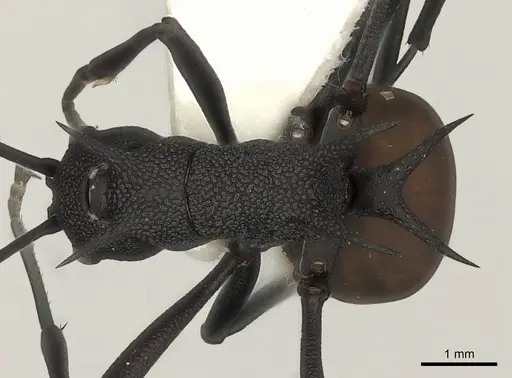
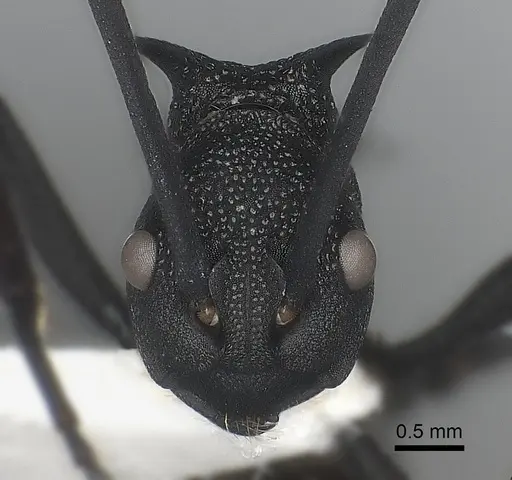
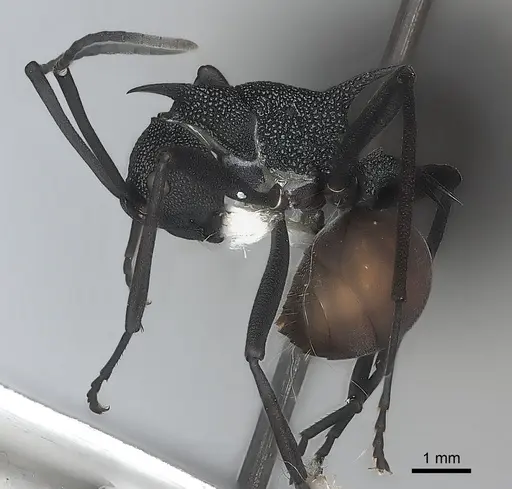
CASENT0281398
View on AntWeb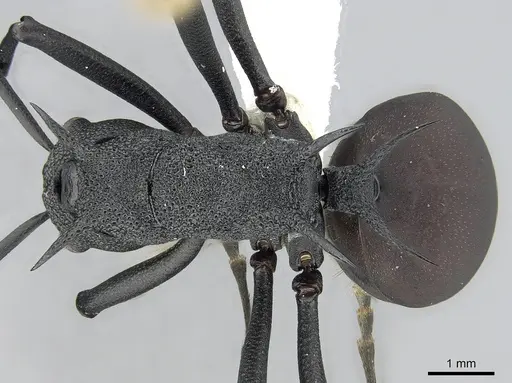
CASENT0901845
View on AntWeb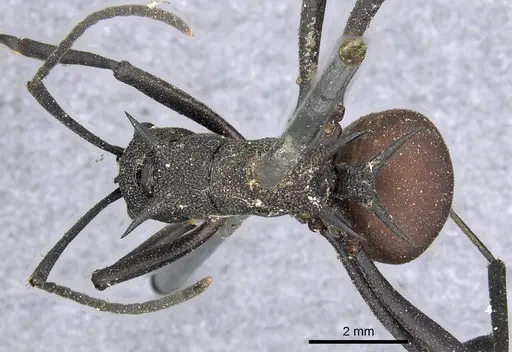
CASENT0901854
View on AntWeb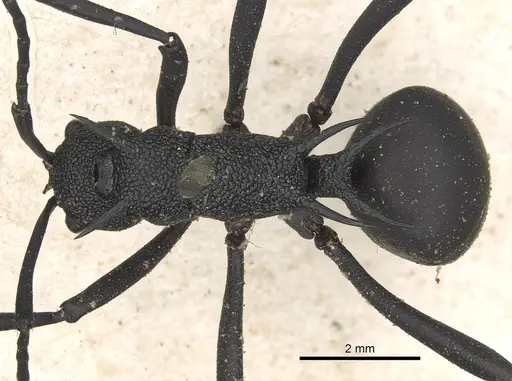
CASENT0903381
View on AntWeb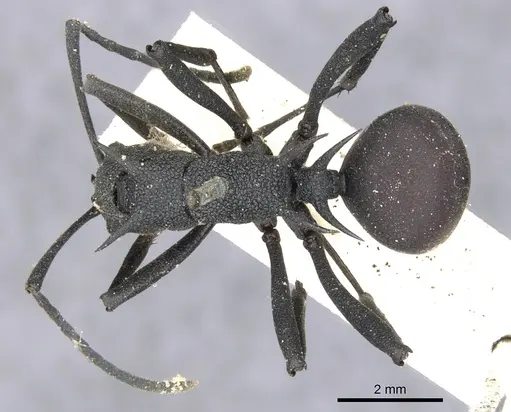
CASENT0910861
View on AntWeb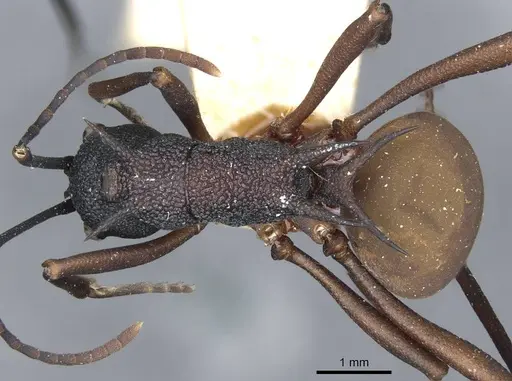
Literature
Loading distribution map...Loading products...