
Polyrhachis annae
- Sci. Name
- Polyrhachis annae
- Subgenus
- Hedomyrma
- Tribe
- Camponotini
- Subfamily
- Formicinae
- Author
- Mann, 1919
- Distribution
- Found in 1 countries
Introduction
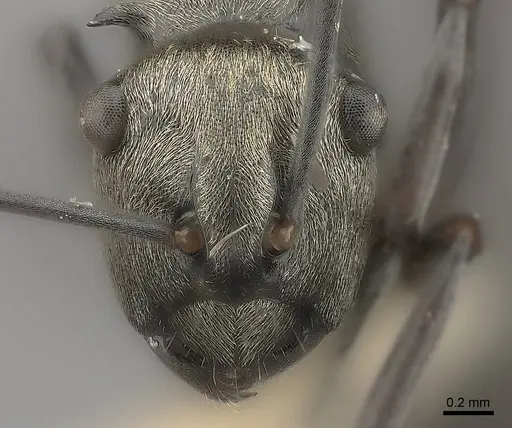
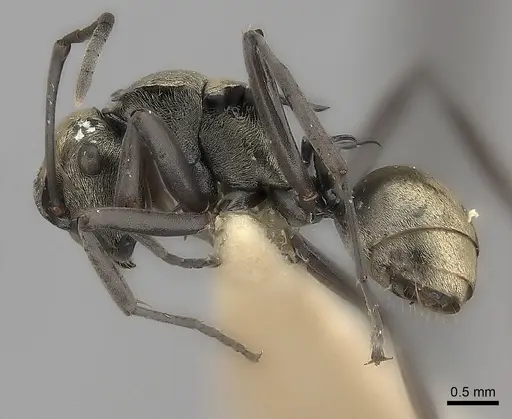
Polyrhachis annae is a medium-sized ant species native to the Solomon Islands and Santa Cruz Islands in the South Pacific . Workers have characteristic spines on their thorax and petiole, and queens measure 6-6.5 mm . This species nests in soil and rotting wood, and pupae develop inside protective cocoons . They inhabit tropical island environments with warm, humid conditions. This species belongs to the Hedomyrma subgenus, known for spiny morphology and flexible nesting habits .
Quick Summary
- Difficulty: Medium
- Origin & Habitat: Solomon Islands and Santa Cruz Islands, tropical Pacific islands with warm, humid climate [1][2]
- Colony Type: Unconfirmed, no specific data on queen number or social structure
- Size & Growth:
- Queen: 6-6.5 mm [3]
- Worker: Size data unavailable
- Colony: Up to several hundred workers (estimated from related Polyrhachis species)
- Growth: Moderate
- Development: Estimated 6-8 weeks at optimal temperatures (inferred from tropical species patterns) (Development likely faster than temperate species due to tropical origin)
- Antkeeping:
- Temperature: Keep warm around 24-28°C based on tropical origin
- Humidity: Keep nest substrate consistently moist but not waterlogged
- Diapause: No, tropical species do not require hibernation
- Nesting: Prefers moist substrate with access to wood, Y-tong, plaster, or naturalistic setups work well [4][5]
- Behavior: Generally calm temperament based on Polyrhachis genus patterns. Escape risk is moderate, use standard barrier methods.
- Common Issues: temperatures too low can cause colony decline, keep consistently warm, high humidity needs may lead to mold if ventilation is poor, limited availability in the antkeeping hobby means established colonies are rare, wild-caught queens may be difficult to find outside their native range, slow establishment phase, founding colonies take time to grow
Nest Preferences
Polyrhachis annae is a subterranean and lignicolous species, meaning it nests in both soil and rotting wood [4][5]. In captivity, they do well in Y-tong (AAC) nests, plaster nests, or naturalistic setups that provide moist substrate. The key is maintaining consistently damp conditions without waterlogging. Add some rotting wood pieces or wood-like materials to the setup to mimic their natural nesting preferences. A water tube should always be available since they need access to drinking water. Avoid dry, airy nests, these ants come from humid tropical islands and will struggle in dry conditions.
Feeding and Diet
Diet details are not specified in the research, but based on genus patterns, Polyrhachis annae is likely omnivorous, consuming honeydew and small insects. In captivity, offer sugar sources (e.g., honey water) and protein (e.g., small insects) regularly. Remove uneaten food after 24-48 hours to prevent mold.
Temperature and Care
Being from the Solomon Islands, Polyrhachis annae requires warm conditions year-round. Keep the nest area at 24-28°C based on tropical origin. A heating cable placed on one side of the nest creates a temperature gradient. Never let temperatures drop below 22°C for extended periods, especially during founding. Unlike temperate species, they do not require hibernation.
Behavior and Temperament
Polyrhachis ants are generally calm and not prone to aggression based on genus patterns. Workers are active foragers but can be somewhat shy. Escape risk is moderate, they are not tiny ants and standard barrier methods work well. Always use fluon or other barriers as a precaution.
Frequently Asked Questions
How long does it take for Polyrhachis annae to produce first workers?
Expect first workers in approximately 6-8 weeks after the queen lays eggs, assuming optimal temperatures around 26°C. This is estimated based on tropical species patterns.
Can I keep Polyrhachis annae in a test tube?
Test tubes can work for founding colonies, but monitor humidity closely as these ants need higher humidity. Consider moving to a proper nest once the colony reaches 20-30 workers.
What temperature do Polyrhachis annae need?
Keep them warm at 24-28°C based on their tropical origin. A heating cable helps maintain these temperatures.
Are Polyrhachis annae good for beginners?
They are rated medium difficulty due to specific humidity and temperature requirements. Their limited availability in the hobby is also a factor.
How big do Polyrhachis annae colonies get?
Based on related species, colonies likely reach up to several hundred workers. They are not among the largest Polyrhachis species.
Do Polyrhachis annae need hibernation?
No. Being a tropical species, they do not require hibernation. Keep them warm year-round.
What do Polyrhachis annae eat?
They are likely omnivorous. Offer sugar sources constantly and protein roughly twice weekly.
When should I move Polyrhachis annae to a formicarium?
Move them when the colony reaches around 30-50 workers. Ensure the formicarium provides adequate humidity and nesting material.
Why are my Polyrhachis annae dying?
Common causes include temperatures too low, humidity too low, or poor ventilation causing mold. Check these parameters first.
Report an Issue
The current care sheet is based fully on literature. See inconsistencies, or something that's incorrect? Please , it will be resolved after review from an admin. Contributing to the blogs tab also helps providing information, to make us be able to further improve the caresheets. Thank you for your support!
References

This caresheet is licensed under CC BY-SA 4.0 .
Community Blogs
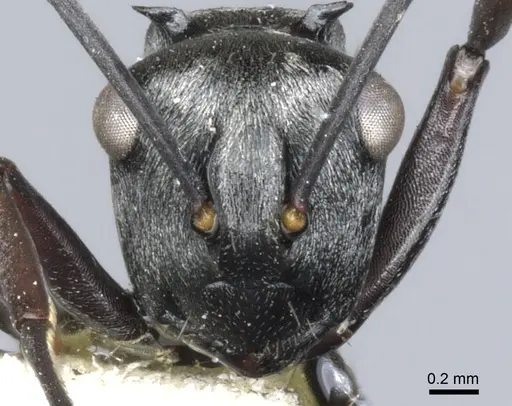
CASENT0217743
View on AntWeb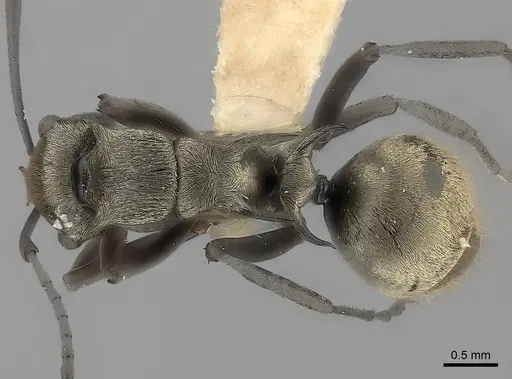
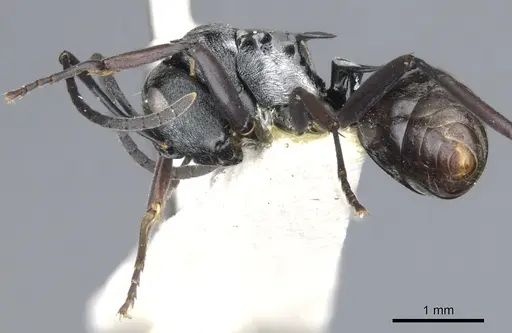
CASENT0903340
View on AntWeb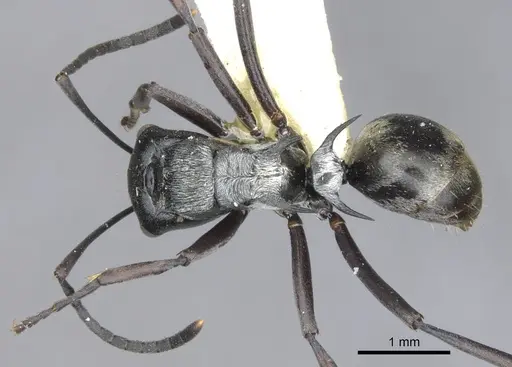
CASENT0905576
View on AntWeb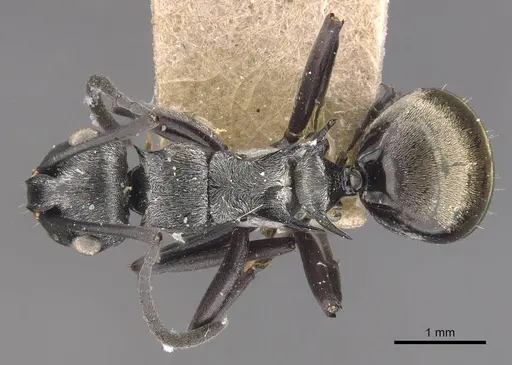
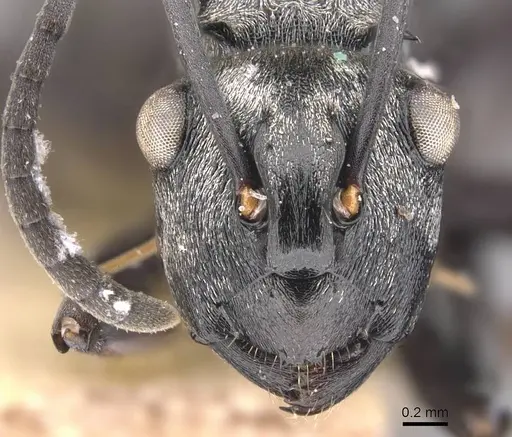
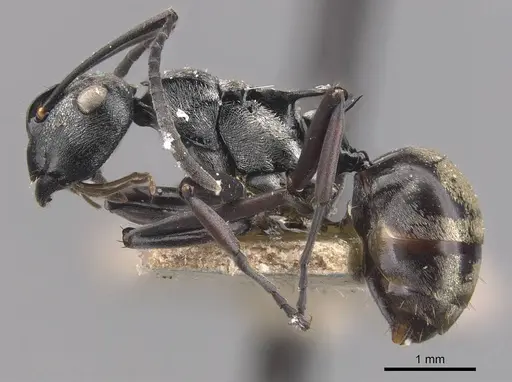
CASENT0923481
View on AntWeb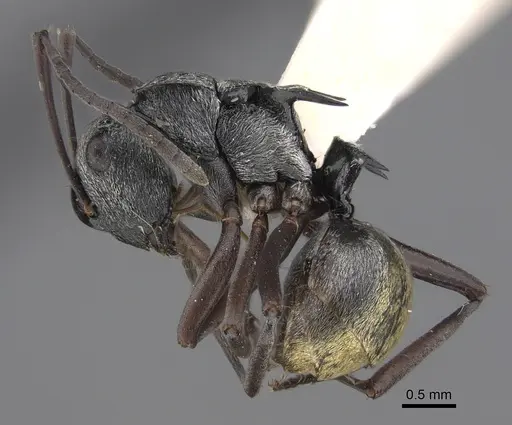
Literature
Loading distribution map...Loading products...