
Pure Gold Spiny Sugar ant
Polyrhachis andromache
- Sci. Name
- Polyrhachis andromache
- Subgenus
- Myrma
- Tribe
- Camponotini
- Subfamily
- Formicinae
- Author
- Roger, 1863
- Common Name
- Pure Gold Spiny Sugar ant
- Distribution
- Found in 3 countries
Introduction
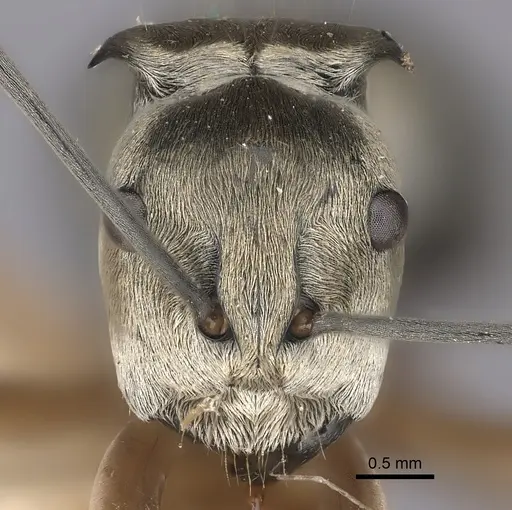
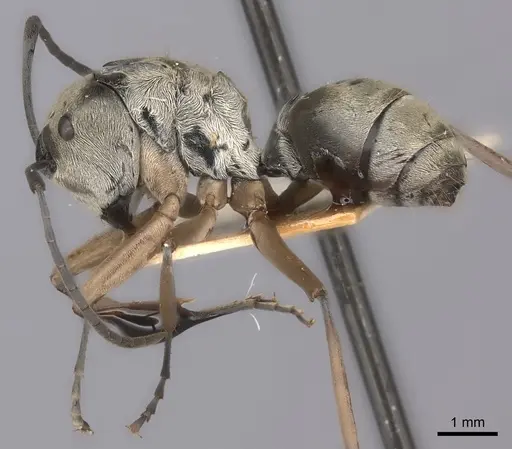
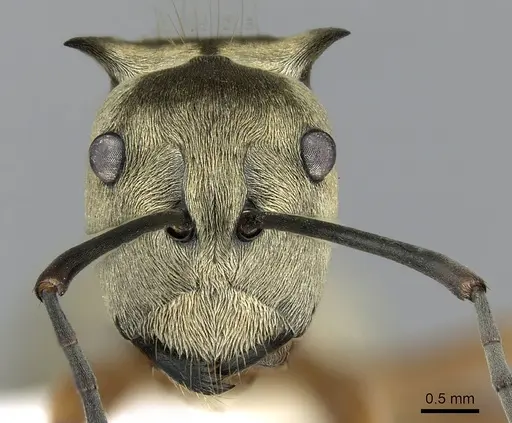
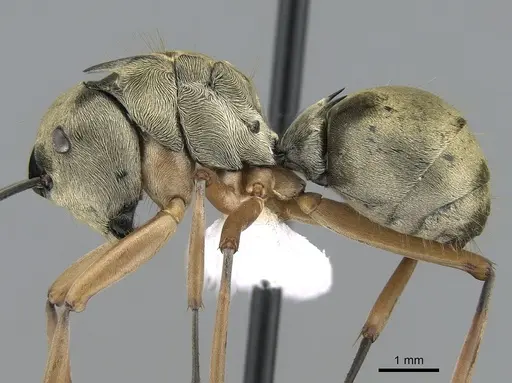
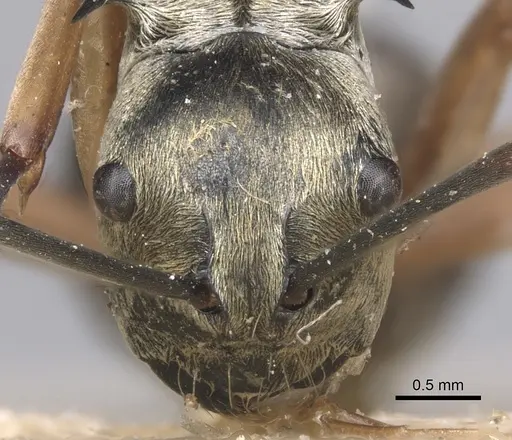
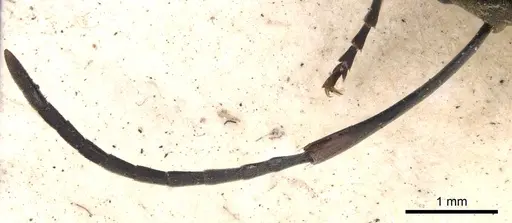
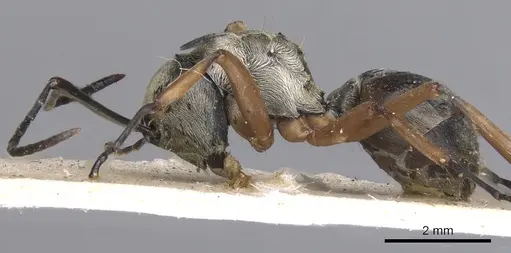
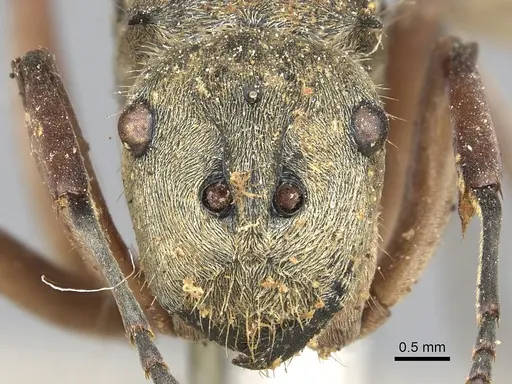
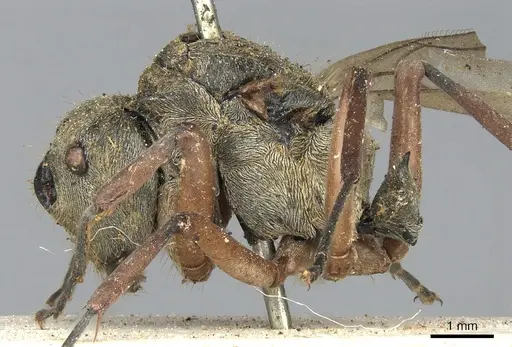
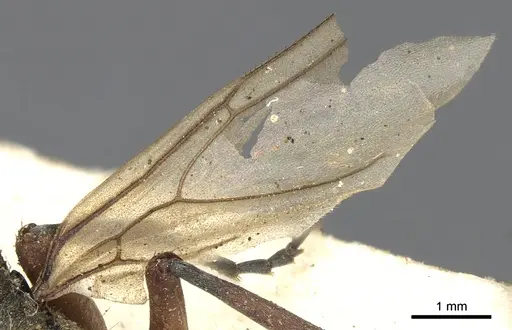
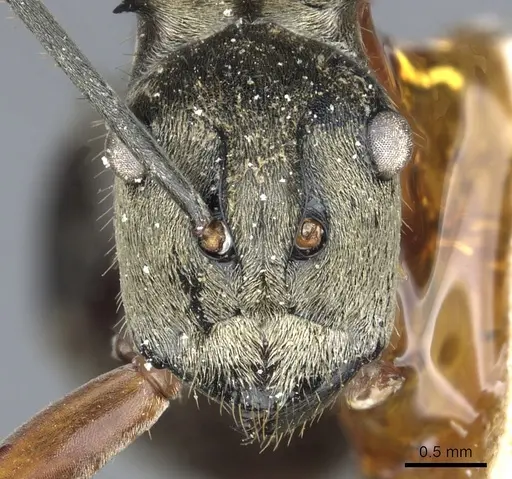
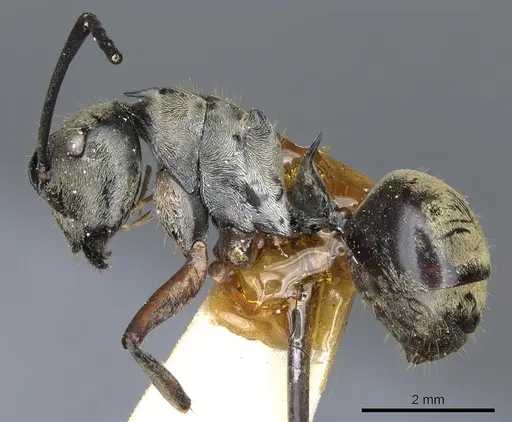
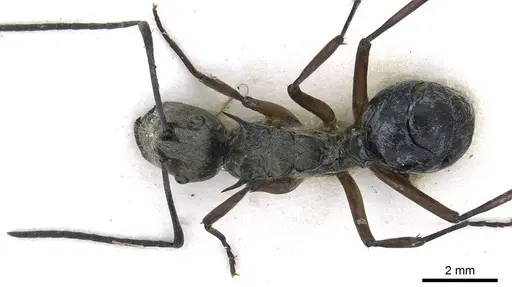
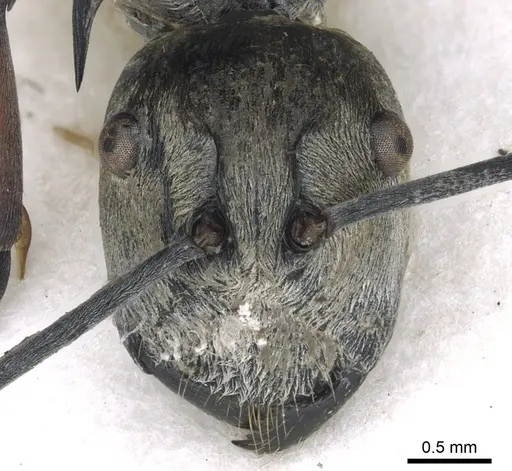
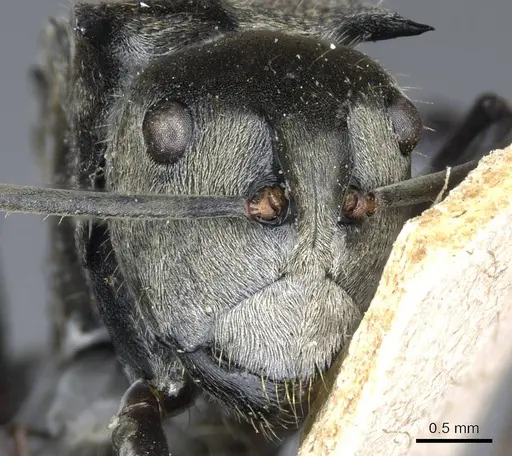
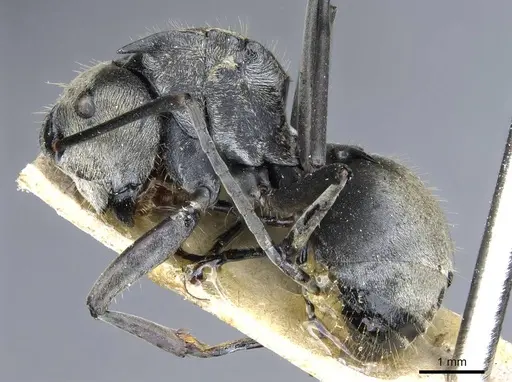
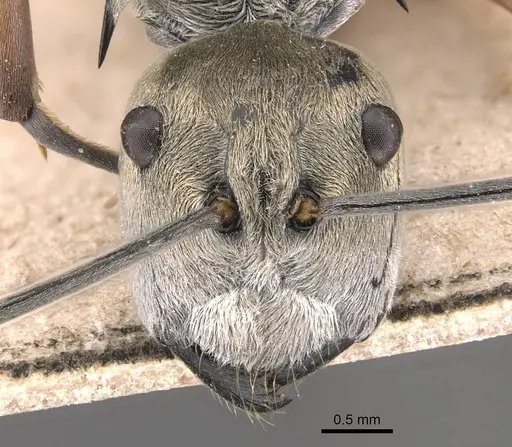
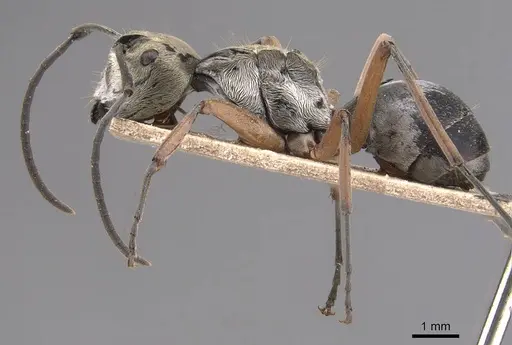
Polyrhachis andromache is an arboreal ant species found in northern Australia, New Guinea, Indonesia, and the Solomon Islands . Workers measure 7.58-9.73 mm in total length and have abundant golden to silvery pubescence with yellow or orange appendages . They build nests of silk and vegetation debris in tree cavities and hollow bamboo stems . This species is relatively common in Australian lowland rainforests north of the 14th parallel and exhibits silk-weaving behavior using larval silk .
Quick Summary
- Difficulty: Medium
- Origin & Habitat: Northern Australia (Cape York Peninsula north of 14° latitude), New Guinea, Torres Strait Islands, Solomon Islands, and Indonesia. Found in tree cavities and hollow bamboo stems [1][3].
- Colony Type: Single-queen colonies (monogyne). Colonies are polydomous, with multiple connected nests in different tree locations [3].
- Size & Growth:
- Antkeeping:
- Temperature: Keep warm, roughly 24-28°C, as they are from tropical regions.
- Humidity: Keep nest substrate consistently moist but not waterlogged, as they are from humid rainforests.
- Diapause: No diapause required, as they are tropical.
- Nesting: Arboreal setup is essential. Provide vertically oriented nests with chambers they can line with silk. Y-tong (AAC) nests or naturalistic setups with cork bark work well [1][4].
- Behavior: They are generally calm and non-aggressive. They lack a functional sting and spray formic acid for defense. Escape risk is moderate due to their size and climbing ability.
- Common Issues: arboreal setup is essential, ground-based nests will cause stress [1]., low humidity leads to desiccation, keep substrate moist., temperature drops below 20°C can slow brood development., inadequate climbing structures result in workers clustering at the bottom., poor ventilation with high humidity can cause mold.
Housing and Nest Setup
Polyrhachis andromache requires an arboreal setup. In the wild, they nest in tree cavities and hollow bamboo stems, often building silk-lined chambers [1][4]. For captivity, use a vertically oriented Y-tong (AAC) formicarium or naturalistic setups with cork bark or artificial bamboo. Provide elevated chambers and climbing structures like branches or vines. The outworld should include climbing surfaces. Keep the nest substrate moist but not flooded [3].
Colony Development
Queens measure 9.98-11.59 mm and workers 7.58-9.73 mm [1]. As a claustral species unconfirmed, queens may seal themselves in to raise the first brood. The first workers (nanitics) will be smaller. Based on related species, expect 6-10 weeks from egg to first worker at optimal temperature. Colonies grow moderately and may produce multiple connected nests [3]. Pupae are cocooned, typical for the subgenus Myrma [3].
Unique Behaviors
Polyrhachis andromache weaves silk using larval secretions to construct nests, an ancestral behavior in the genus [4]. Colonies are polydomous, with workers moving between multiple nest sites [3]. Their golden/silvery pubescence may aid camouflage in rainforest canopies [1].
Frequently Asked Questions
Can I keep Polyrhachis andromache in a test tube setup?
Test tubes are not ideal long-term. They are arboreal and need vertical space and climbing structures. A Y-tong or naturalistic arboreal setup is more appropriate [1].
How long does it take for the first workers to emerge?
Estimated 6-10 weeks from egg to first worker at optimal temperature, based on genus patterns.
Can I keep multiple queens together?
No. This species is monogyne, colonies have a single queen [3]. Multiple queens will fight.
What temperature should I keep my colony at?
Keep them warm, roughly 24-28°C, as they are from tropical regions.
Do they need hibernation or diapause?
No. As a tropical species, they do not require diapause.
Why are my ants not using the nest I provided?
This is likely because the nest is not arboreal. They need vertically oriented chambers with climbing access [1][4].
Are Polyrhachis andromache good for beginners?
They are intermediate difficulty due to specific arboreal and humidity requirements.
How big do colonies get?
Size data is unavailable for this species, but related Polyrhachis typically reach several hundred workers.
What makes Polyrhachis andromache different from other ants?
They weave silk nests using larval secretions [4] and are arboreal with distinctive pubescence [1].
Report an Issue
The current care sheet is based fully on literature. See inconsistencies, or something that's incorrect? Please , it will be resolved after review from an admin. Contributing to the blogs tab also helps providing information, to make us be able to further improve the caresheets. Thank you for your support!
References

This caresheet is licensed under CC BY-SA 4.0 .
Community Blogs
CASENT0217742
View on AntWeb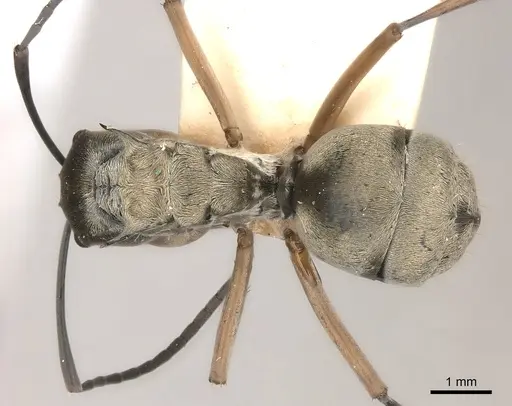
CASENT0281393
View on AntWeb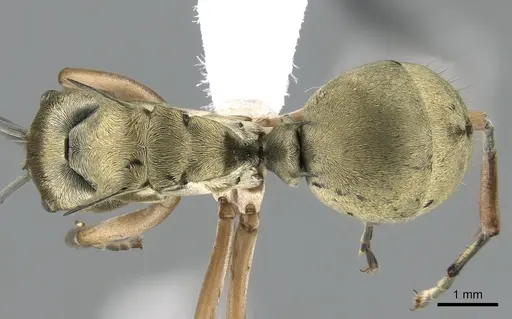
CASENT0901812
View on AntWeb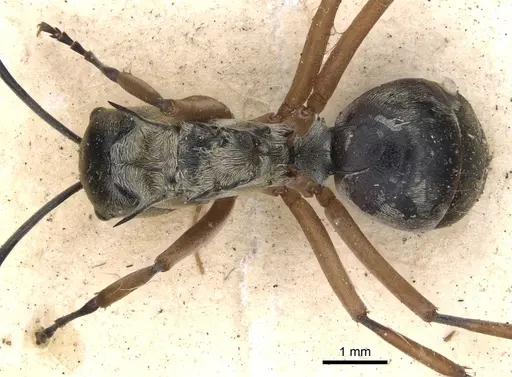
CASENT0901871
View on AntWeb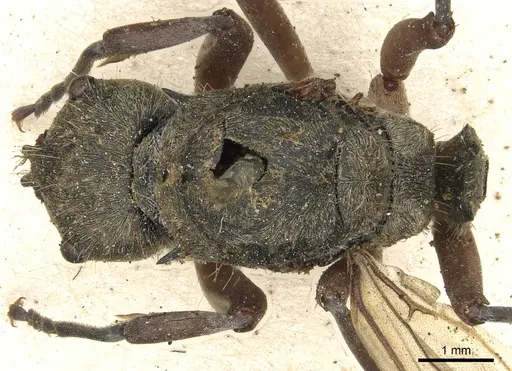
CASENT0903436
View on AntWeb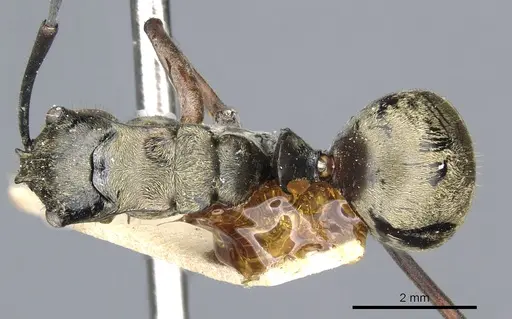
CASENT0903437
View on AntWeb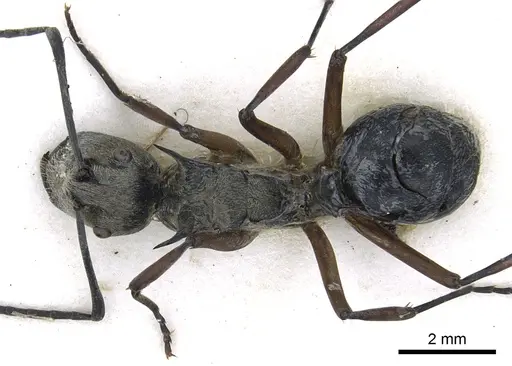
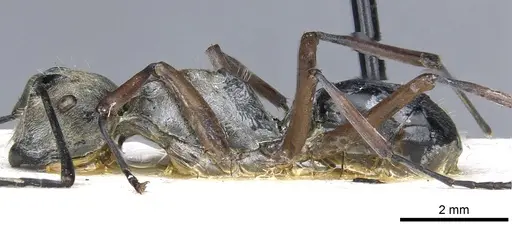
CASENT0905607
View on AntWeb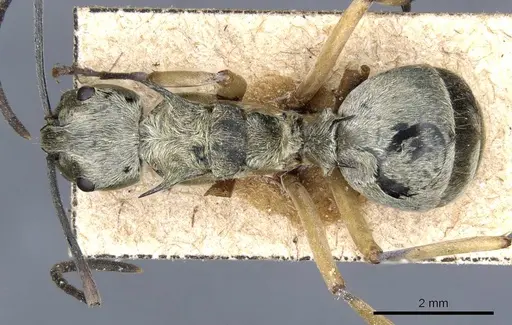
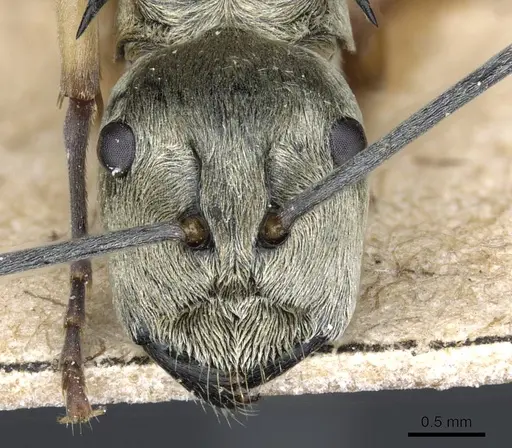
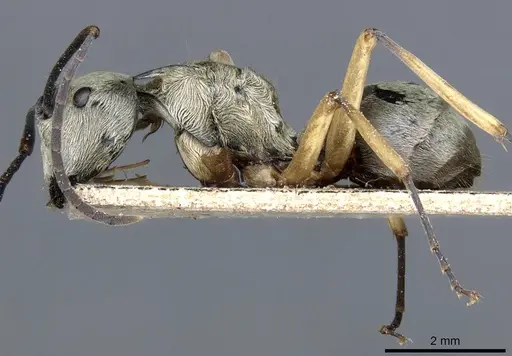
CASENT0905610
View on AntWeb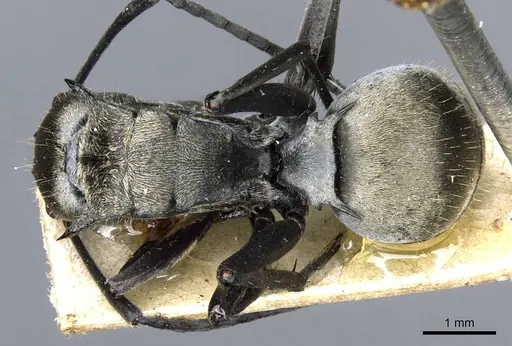
CASENT0905816
View on AntWeb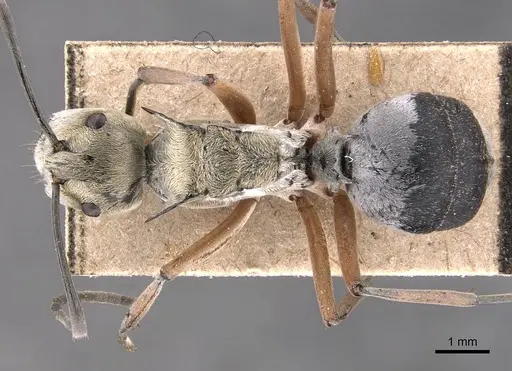
Literature
Loading distribution map...Loading products...