
Wine-red Amazon Ant
Polyergus vinosus
- Sci. Name
- Polyergus vinosus
- Tribe
- Formicini
- Subfamily
- Formicinae
- Author
- Trager, 2013
- Common Name
- Wine-red Amazon Ant
- Distribution
- Found in 1 countries
Introduction
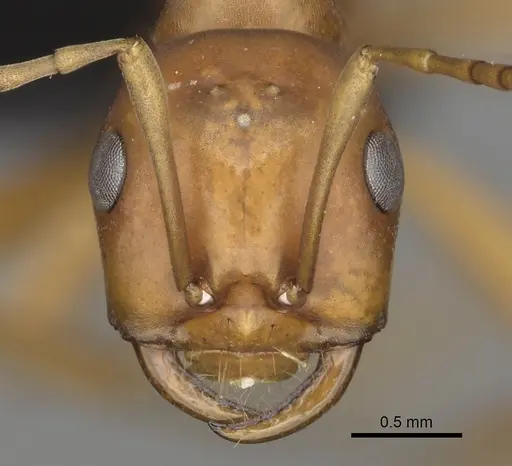
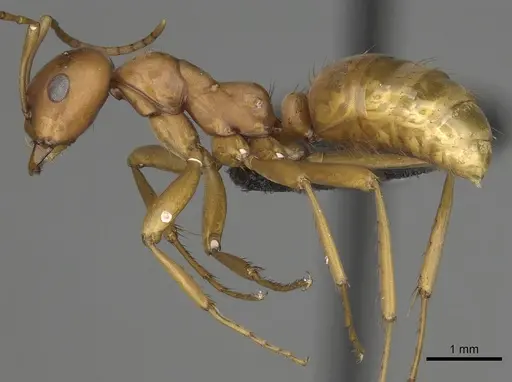
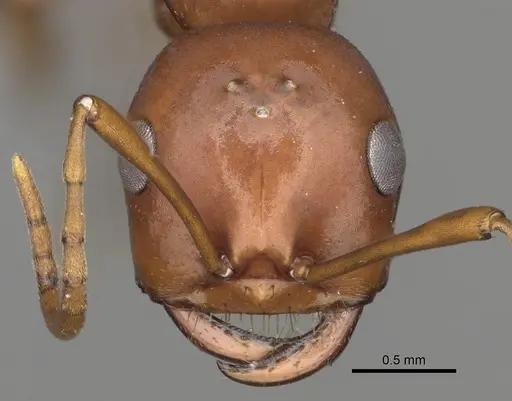
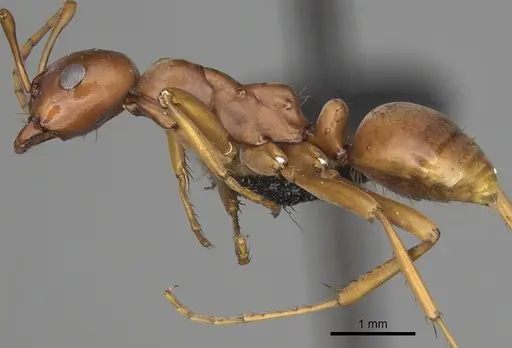
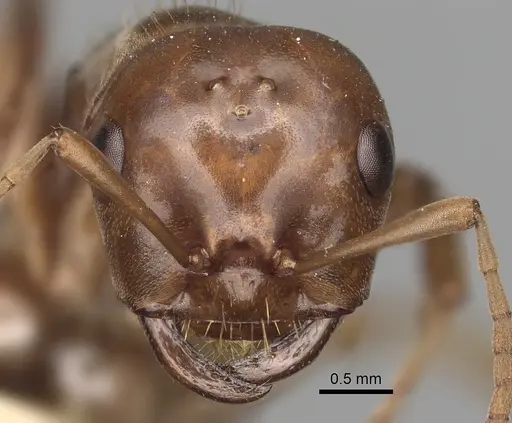
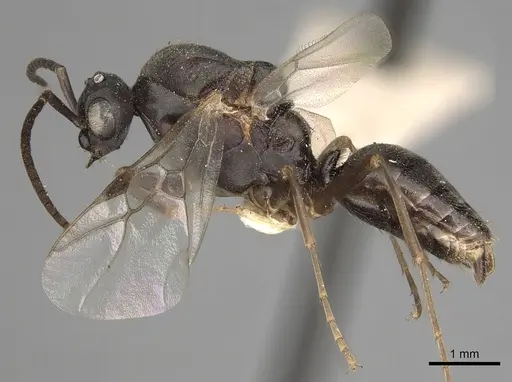
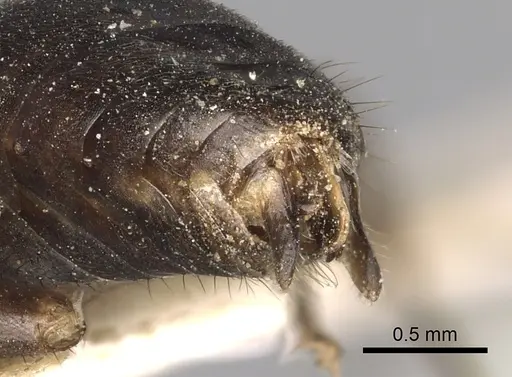
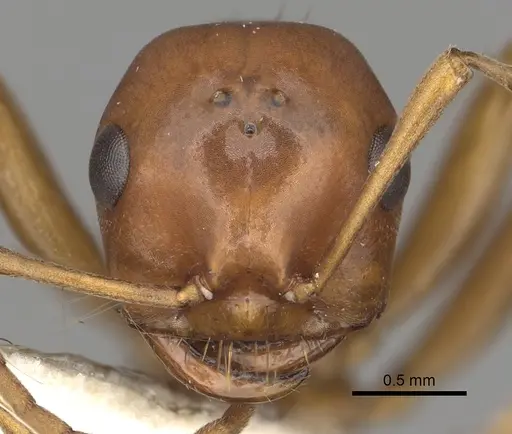
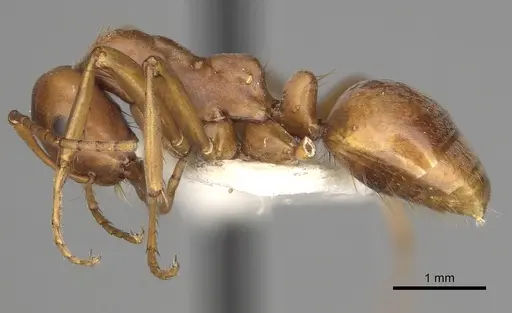
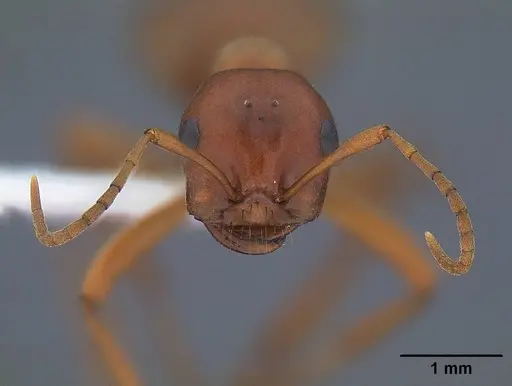
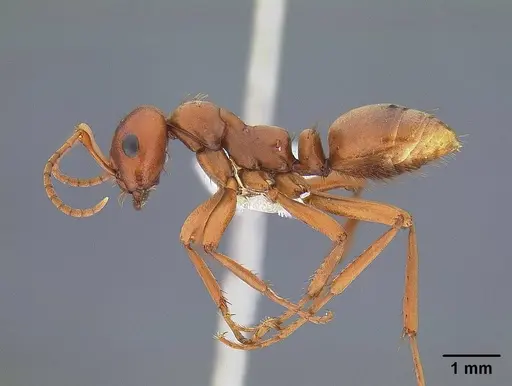
Polyergus vinosus is a small to medium-sized dulotic ant native to southern California and northern Baja California, including Santa Cruz Island . Workers reach up to 7 mm in total length and have a distinctive orange-red to wine-red coloration . This species belongs to the breviceps complex and practices obligate slave-making behavior, raiding colonies of Formica moki to steal pupae that become enslaved workers . They inhabit mature chaparral, coast live oak woodlands, and rocky canyons, often nesting cryptically among rocks near streams .
Quick Summary
- Difficulty: Expert
- Origin & Habitat: Southern California and northern Baja California, including Santa Cruz Island. Inhabits mature chaparral, coast live oak woodlands, and rocky canyons [1].
- Colony Type: Dulotic species with enslaved Formica moki workers. Colonies likely have a single queen, but structure is not fully documented [3][1].
- Size & Growth:
- Antkeeping:
- Temperature: Keep at room temperature, as they are from temperate southern California [1].
- Humidity: Provide moderate humidity, mimicking their coastal habitat [1].
- Diapause: Likely requires winter diapause based on temperate range [1].
- Nesting: Natural nesting among rocks near streams [1]. In captivity, use a formicarium connected to an outworld with multiple chambers.
- Behavior: Workers lack a sting and spray formic acid for defense. They are specialized raiders, not aggressive toward humans. Escape risk is moderate due to medium size.
- Common Issues: obtaining host colonies, you must also keep Formica moki for the colony to survive., colonies fail without enslaved workers, slave-making is obligate., slow colony growth, dependent on successful raids., difficulty finding Formica moki due to limited range., expert-level species, not suitable for beginners.
Understanding Dulotic Behavior
Polyergus vinosus is an obligately dulotic ant, meaning it cannot survive without enslaved Formica moki workers [3]. Polyergus workers have lost the ability to care for brood or forage, they exclusively raid host colonies to steal pupae, which emerge as enslaved workers that handle all colony tasks [1][3]. This makes keeping P. vinosus challenging, as you must maintain both species.
Housing and Nest Setup
House Polyergus vinosus with a formicarium connected to an outworld, mimicking their natural cryptic nesting among rocks [1]. Use a substrate that holds moisture but drains well, and provide multiple chambers. Since they nest near streams in the wild, keep the nest moderately humid. Escape prevention is straightforward with standard barriers for medium-sized ants.
Feeding and Nutrition
The enslaved Formica moki workers handle all foraging, so feed the colony with sugar sources (e.g., honey water) and protein (e.g., dead insects) [1]. Polyergus workers rely on host workers for nutrition and do not need direct feeding. Fresh water must always be available.
Raiding Behavior and Colony Growth
Raids occur in early to mid summer, during the latter half of the afternoon [1]. Polyergus workers locate Formica moki colonies, overwhelm defenders, and steal pupae. Successful raids add enslaved workers, increasing foraging capacity and colony growth. In captivity, provide access to a separate Formica moki colony to observe raids.
Temperature and Seasonal Care
As a temperate species, keep P. vinosus at room temperature (around 20-24°C) during active months [1]. During winter, reduce temperatures to simulate diapause, roughly November through February. Avoid temperature extremes to prevent stress.
Frequently Asked Questions
Can I keep Polyergus vinosus as a pet ant?
Yes, but this is an expert-level species. You cannot keep P. vinosus alone, they require Formica moki host colonies to survive [1][3].
What do I feed Polyergus vinosus?
Feed the enslaved Formica moki workers with sugar sources and protein, the host workers distribute food [1]. Polyergus workers do not need direct feeding.
How do Polyergus vinosus colonies grow?
Colony growth depends on raiding behavior. Successful raids add enslaved workers, which increases foraging and colony size [1].
Are Polyergus vinosus good for beginners?
No, this species is not suitable for beginners due to its dulotic nature and need for host colonies [1][3].
Where can I get Formica moki for my Polyergus colony?
Formica moki has a limited range in southern California and northern Baja California, the same region as P. vinosus [1]. You may need to collect them from the wild or find a specialized supplier.
Do I need to hibernate Polyergus vinosus?
Likely yes, as a temperate species from southern California. Reduce temperatures during winter months (roughly November through February) [1].
Why are they called slave-making ants?
Polyergus are obligate dulotic ants that raid other colonies to steal pupae, which become enslaved workers [3].
How long does it take for first workers to appear?
Development timeline is unconfirmed for this species. Colonies start with enslaved workers from raids, so growth depends on raid success [1].
Report an Issue
The current care sheet is based fully on literature. See inconsistencies, or something that's incorrect? Please , it will be resolved after review from an admin. Contributing to the blogs tab also helps providing information, to make us be able to further improve the caresheets. Thank you for your support!
References

This caresheet is licensed under CC BY-SA 4.0 .
Community Blogs
CASENT0281078
View on AntWeb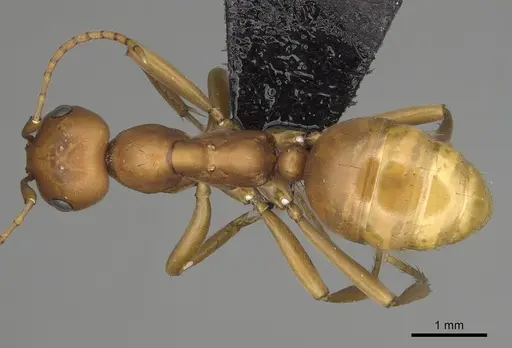
CASENT0281079
View on AntWeb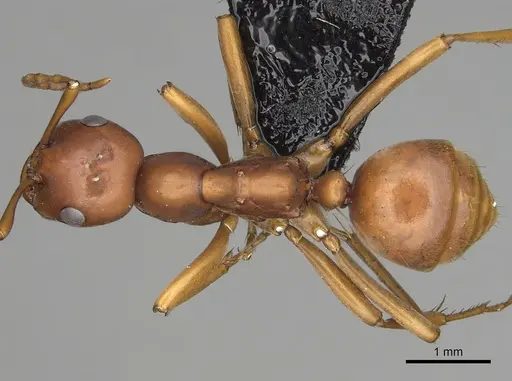
CASENT0281080
View on AntWeb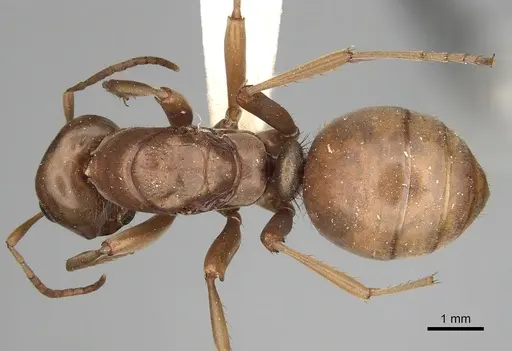
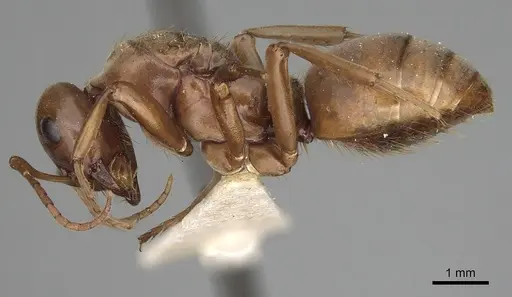
CASENT0281081
View on AntWeb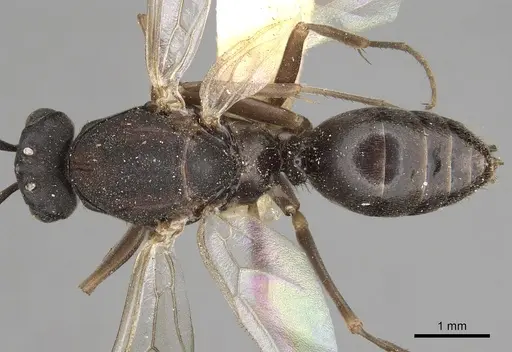
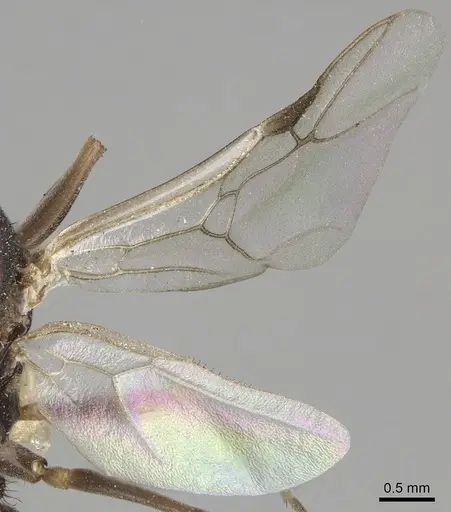
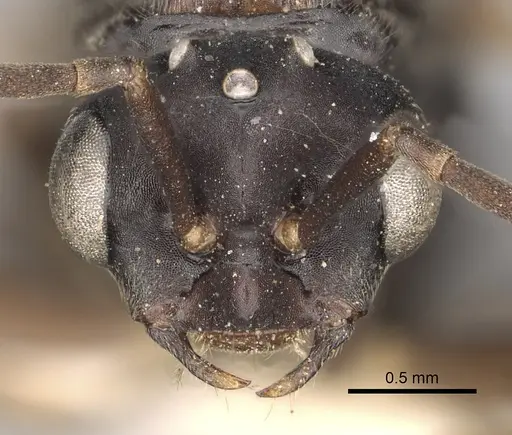
CASENT0281082
View on AntWeb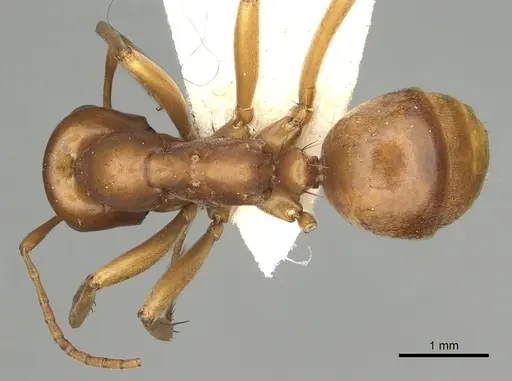
CASENT0844113
View on AntWeb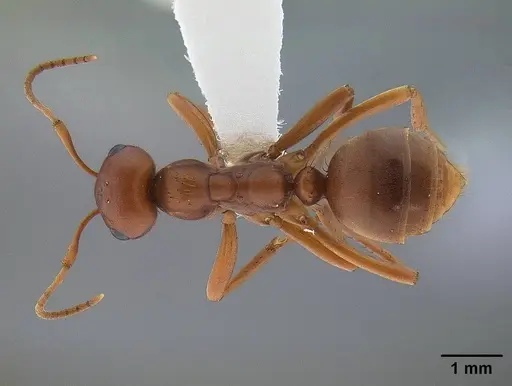
Literature
Loading distribution map...Loading products...