
Florida Amazon Ant
Polyergus oligergus
- Sci. Name
- Polyergus oligergus
- Tribe
- Formicini
- Subfamily
- Formicinae
- Author
- Trager, 2013
- Common Name
- Florida Amazon Ant
- Distribution
- Found in 1 countries
Introduction
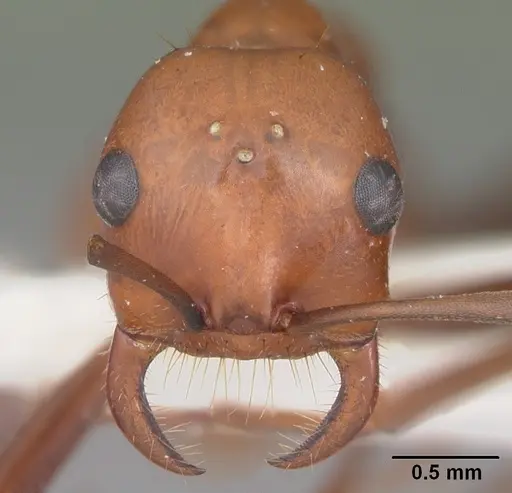
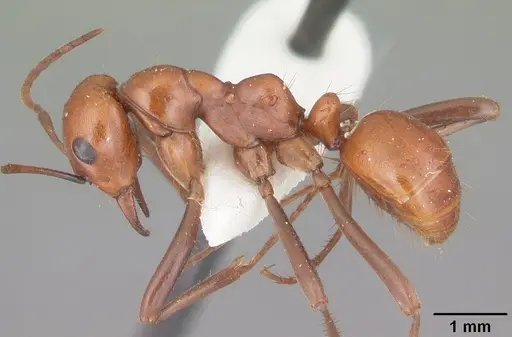
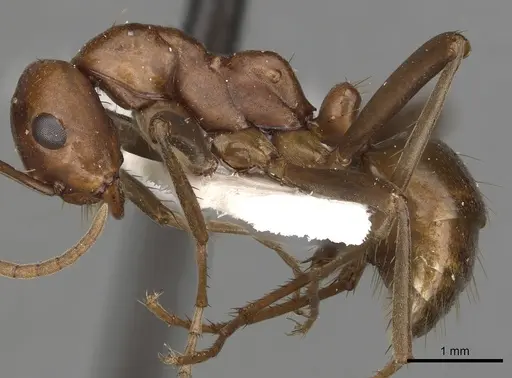
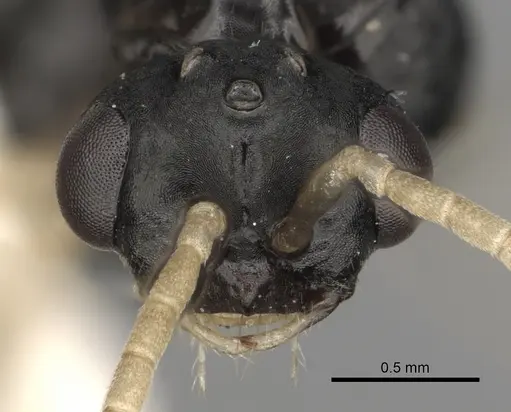
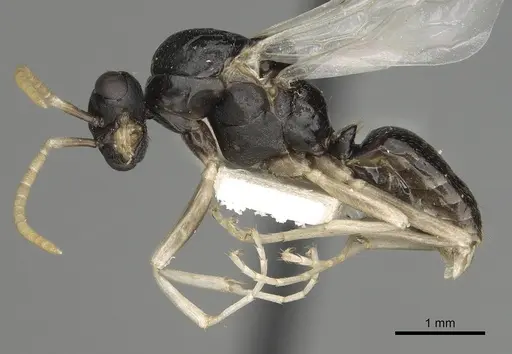
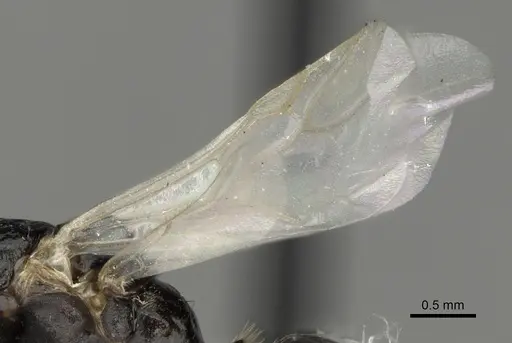
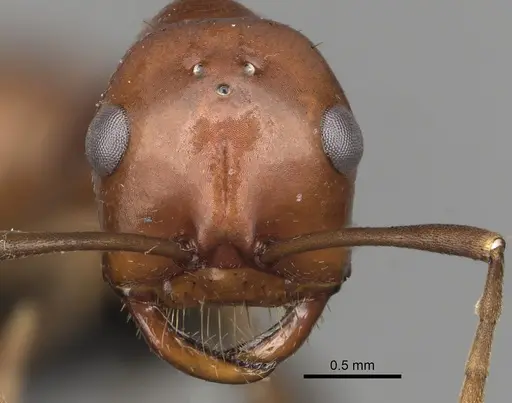
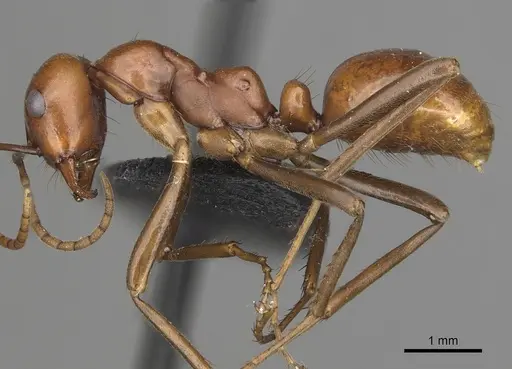
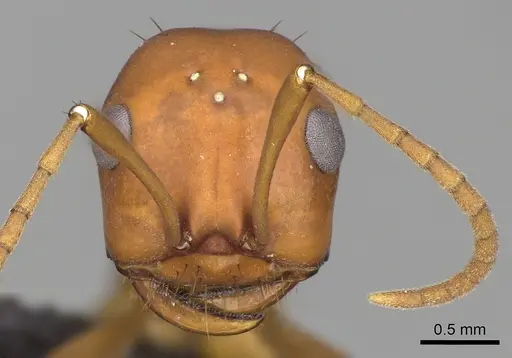
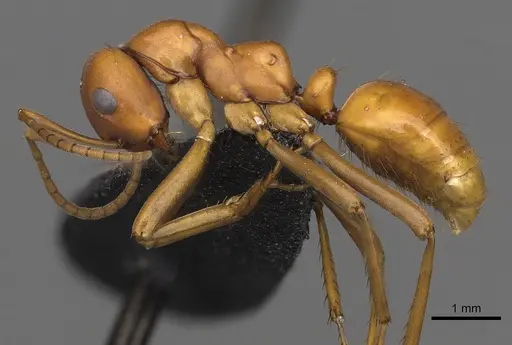
Polyergus oligergus is a small, red dulotic ant species native exclusively to Florida. Workers measure 5.23-6.94mm total length, have a distinctive red body with slightly darker legs, and more head hair than similar species . This ant is an obligate slave-maker that raids colonies of its host, Formica archboldi, to steal pupae which develop into workers serving the colony . P. oligergus has the smallest worker populations of any Polyergus species, with mature colonies containing up to 40 Polyergus workers . It is highly specialized, relying exclusively on F. archboldi, and has been observed conducting successful raids with as few as four raiders against colonies with over 100 defenders .
Quick Summary
- Difficulty: Expert
- Origin & Habitat: Endemic to Florida, USA, found in warm, humid habitats where its host Formica archboldi nests [1].
- Colony Type: Single-queen colonies (monogyne). A colony from Putnam Co., Florida contained a single queen alongside a larger ergatoid (wingless replacement queen) individual [1].
- Size & Growth:
- Queen: Size data unavailable, no measurements specified in literature.
- Worker: Workers measure 5.23-6.94mm total length [1].
- Colony: Up to 40 Polyergus workers at maturity, the smallest of any Polyergus species [1].
- Growth: Slow, small colony size and the need to raid host colonies limits growth.
- Development: Unknown, no direct data. Based on related Polyergus species, likely 6-10 weeks at optimal temperature. (Development is complicated by the need to raid host colonies to acquire workers.)
- Antkeeping:
- Temperature: Keep at 24-28°C, warm conditions are needed as a Florida native.
- Humidity: Keep nest substrate consistently moist but not waterlogged.
- Diapause: No, as a Florida species, they do not require hibernation. Activity may slow in cooler months.
- Nesting: Use Y-tong, plaster, or soil nests. Provide a connection to an outworld for raiding behavior [1].
- Behavior: Workers are not aggressive toward humans and lack a functional sting. Main concern is escape prevention due to their small size. Raids on host colonies occur from mid-May through July [1].
- Common Issues: host colony maintenance is critical, without Formica archboldi, the slave-makers cannot survive long-term [2]., small colony size makes them vulnerable to stress and colony collapse., escape prevention is important, they will exploit any gaps in setup., temperature drops below 20°C can cause decline since they're adapted to Florida warmth.
Understanding Dulotic Ants
Polyergus oligergus is a dulotic ant, meaning it is a slave-maker that raids other ant colonies to steal pupae. The stolen pupae develop into workers that serve the raiding colony. This species exclusively targets Formica archboldi [2]. Raids involve chemical mimicry, allowing Polyergus workers to enter host nests undetected. Observations show raids with as few as four raiders successfully stealing pupae from colonies with over 100 defenders [1].
Housing and Nest Setup
For P. oligergus, use Y-tong, plaster, or soil nests. Connect the nest to an outworld to simulate raiding behavior. Maintain temperature at 24-28°C with a gradient, and keep substrate moist but not waterlogged. Escape prevention is crucial, apply fluon to nest edges and secure all connections [1].
Feeding and Nutrition
Feed protein sources like fruit flies or small crickets, and sugar sources like honey water. The critical requirement is providing Formica archboldi pupae for colony sustainability. Raids in the wild occur from mid-May through July [1]. In captivity, obtain host pupae or maintain a separate host colony.
Temperature and Seasonal Care
Keep nests at 24-28°C year-round. As a Florida species, they do not require hibernation, but activity may slow in cooler months. Avoid sudden temperature drops below 20°C.
Behavior and Defense
Workers are not aggressive toward humans. Their defense is chemical mimicry, not stinging. Raids involve 25-38 raiders in the wild, with alates flying around noon in July [1]. Escape prevention is important due to their small size.
Frequently Asked Questions
Can I keep Polyergus oligergus without a host colony?
No. Polyergus oligergus is an obligate dulotic species and cannot survive long-term without access to Formica archboldi pupae [2][1].
How long does it take for Polyergus oligergus to produce first workers?
No direct data exists. Based on related species, likely 6-10 weeks at optimal temperature.
Are Polyergus oligergus good for beginners?
No. This species is rated Expert difficulty due to the dual-colony requirement and specific care needs [1].
What do I feed Polyergus oligergus?
Feed protein sources like fruit flies and sugar sources like honey water. Provide Formica archboldi pupae for colony sustainability [1].
How big do Polyergus oligergus colonies get?
Mature colonies contain up to 40 Polyergus workers, the smallest of any Polyergus species [1].
Do Polyergus oligergus need hibernation?
No. As a Florida species, they do not require hibernation, but activity may slow in cooler months.
When do Polyergus oligergus conduct raids?
In the wild, raids occur from mid-May through July, with alates flying around noon [1].
Why are my Polyergus oligergus dying?
Common causes include lack of host pupae, temperatures below 20°C, low humidity, or stress from small colony size [1].
Report an Issue
The current care sheet is based fully on literature. See inconsistencies, or something that's incorrect? Please , it will be resolved after review from an admin. Contributing to the blogs tab also helps providing information, to make us be able to further improve the caresheets. Thank you for your support!
References

This caresheet is licensed under CC BY-SA 4.0 .
Community Blogs
CASENT0104430
View on AntWeb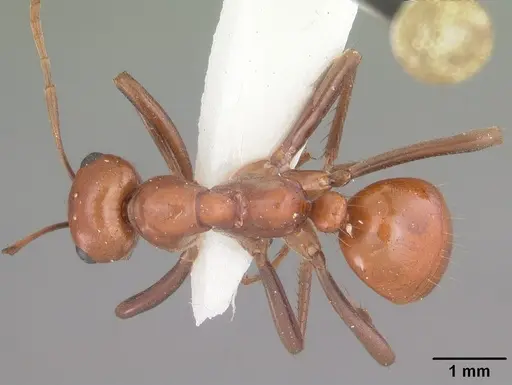
CASENT0281050
View on AntWeb
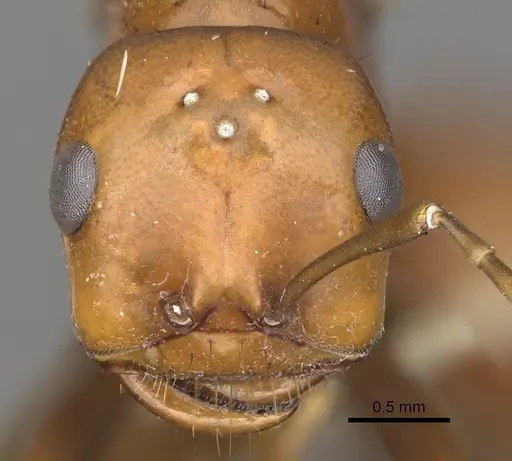
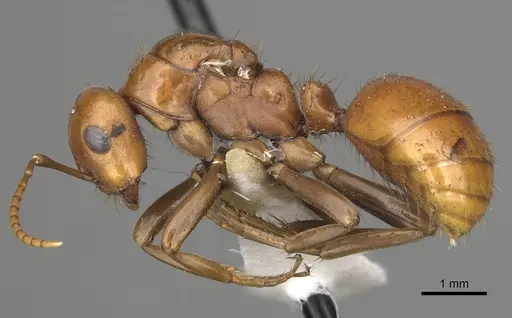
CASENT0281051
View on AntWeb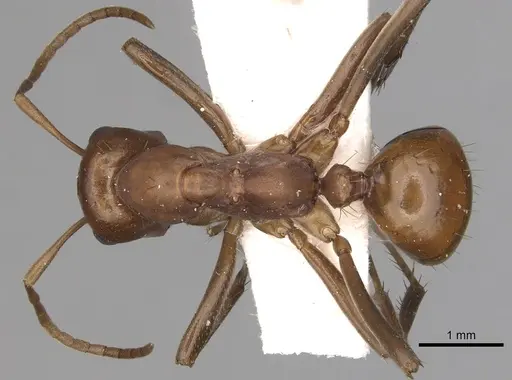
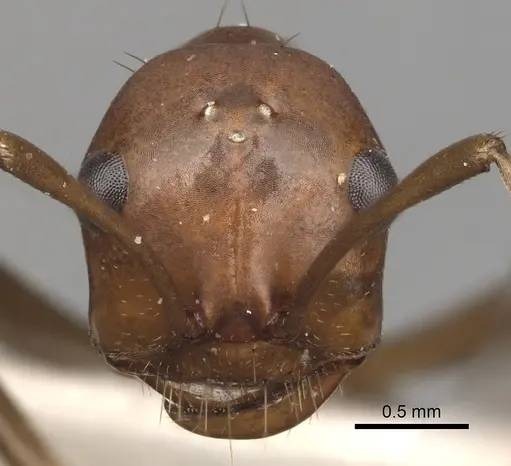
CASENT0281052
View on AntWeb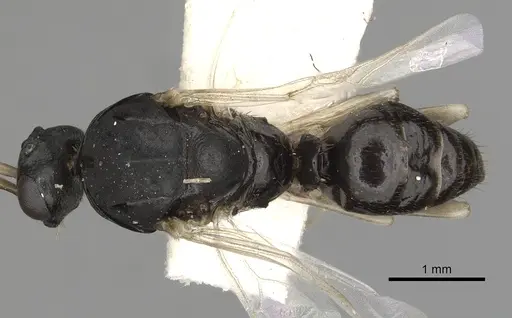
CASENT0281053
View on AntWeb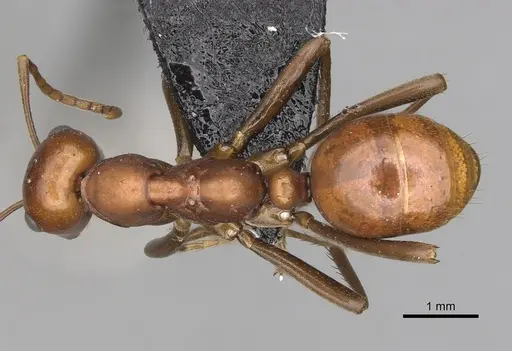
CASENT0281054
View on AntWeb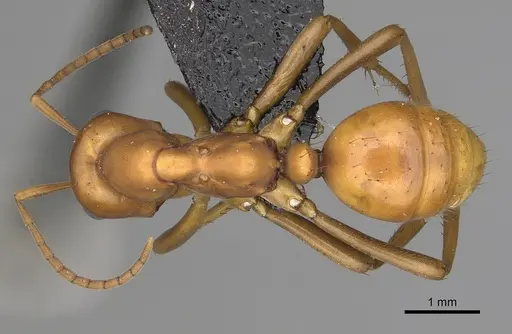
Literature
Loading distribution map...Loading products...