
Black Amazon Ant
Polyergus nigerrimus
- Sci. Name
- Polyergus nigerrimus
- Tribe
- Formicini
- Subfamily
- Formicinae
- Author
- Marikovsky, 1963
- Common Name
- Black Amazon Ant
- Distribution
- Found in 1 countries
Introduction
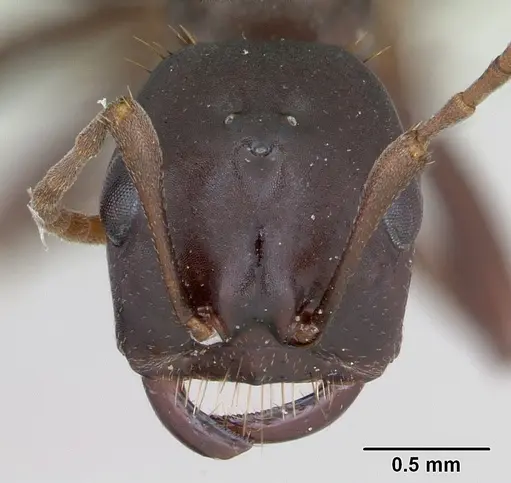
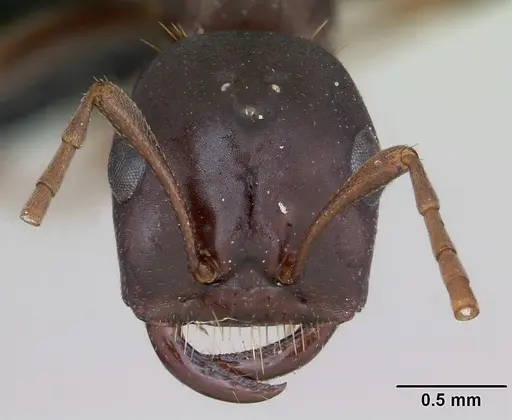
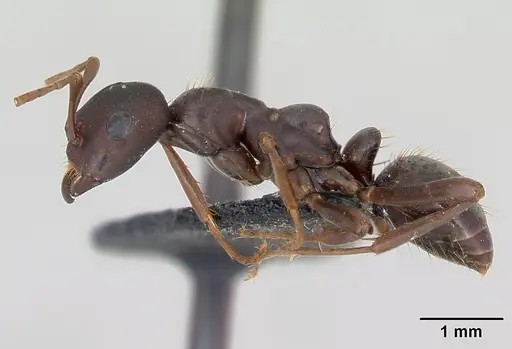
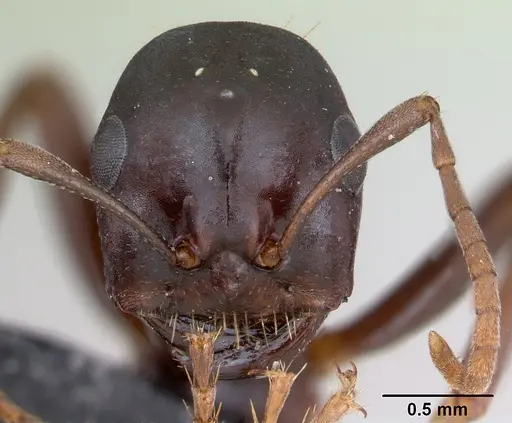
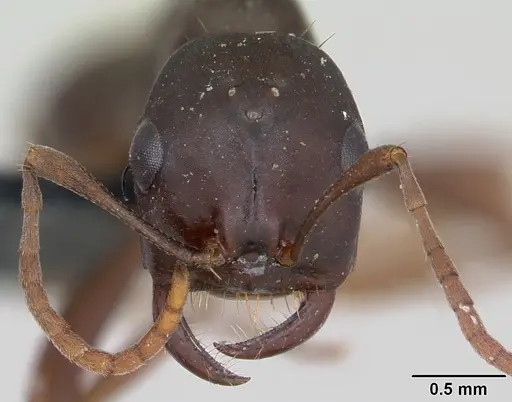
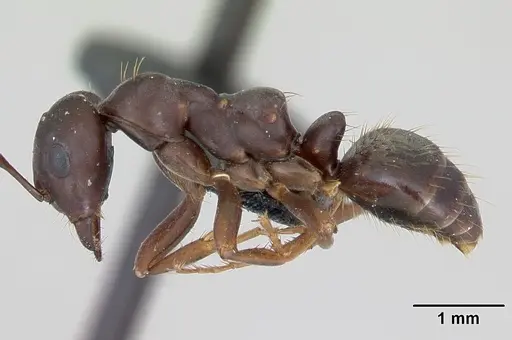
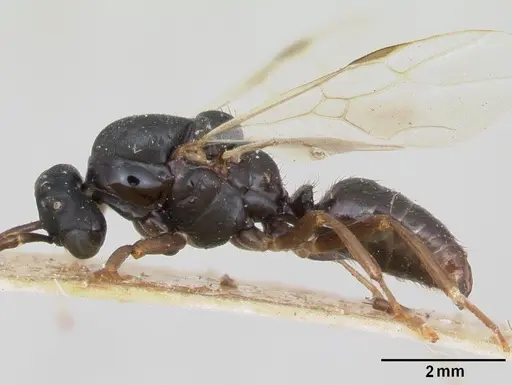
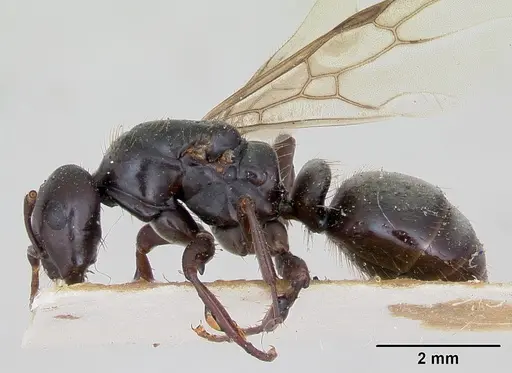
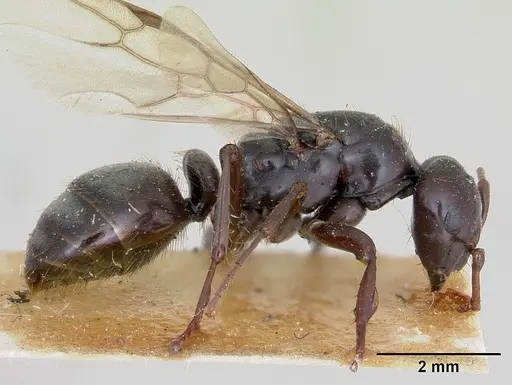
Polyergus nigerrimus is a small slave-making ant native to the shrub steppe lands of Mongolia and southern Russia. Workers are black to nearly black, with a total length of about 5.5 mm . This species is found at elevations of 600-1600 meters and is restricted to steppe habitats . As an obligate social parasite, Polyergus nigerrimus raids colonies of Formica ants to steal their pupae. Raids occur in the evening with around 400 workers, focusing on brood capture rather than fighting defenders .
Quick Summary
- Difficulty: Expert
- Origin & Habitat: Mongolia and southern Russian Federation in shrub steppe habitats at 600-1600 m elevation [2][3].
- Colony Type: Obligate slave-making species. Queen invades a Formica candida colony, kills the host queen, and uses host workers to raise her brood. Colonies contain both Polyergus and enslaved Formica workers. A diffuse nest with multiple entrances has been observed [1].
- Size & Growth:
- Queen: Size data unavailable, no total length measurements in research context.
- Worker: ~5.5 mm [1]
- Colony: Up to 400 workers, based on raid observations [1].
- Growth: Unknown, no specific data on growth rate.
- Development: Unknown, no studies on development timeline for this species. (Development is likely similar to other Polyergus species, but this has not been directly studied.)
- Antkeeping:
- Temperature: Keep at room temperature (20-24°C) as a starting point, based on temperate steppe origins [3].
- Humidity: Provide a humidity gradient, mostly dry nest chamber with one small moist area, as steppe species tolerate drier conditions [3].
- Diapause: Yes, as a temperate species, winter diapause is likely required. Keep colonies cool (5-10°C) for 3-4 months during winter.
- Nesting: Requires a host Formica colony. Nest should allow diffuse structure with multiple chambers [1].
- Behavior: Workers are specialized for raiding and cannot feed themselves. They are not aggressive toward humans. Escape risk is moderate due to size (5.5 mm) [1].
- Common Issues: host dependency: Polyergus workers cannot survive without enslaved Formica workers., legal protection: Species is Vulnerable on IUCN Red List, collecting may be illegal., colony failure: High risk without proper host maintenance.
Understanding Slave-Making Ants
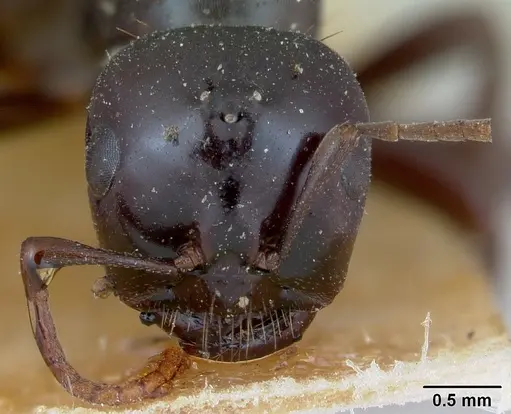
Polyergus nigerrimus is a dulotic ant, meaning it is an obligate social parasite that cannot survive without a host colony. Unlike typical ants, Polyergus workers have specialized mandibles for carrying pupae rather than for foraging or fighting. The queen must invade a Formica candida colony, kill the host queen, and use chemical deception to trick host workers into raising her brood. The resulting colony contains both parasitic Polyergus workers and enslaved Formica workers, which perform all normal colony tasks [1][4].
Housing Requirements
Housing Polyergus nigerrimus is difficult because you must maintain two colonies: the slave-maker colony and a healthy host Formica colony. The host colony must be established before introducing the Polyergus queen. Connect the two colonies to allow natural raids or manually transfer host pupae. Use a nest with multiple chambers to accommodate the diffuse structure observed in the wild [1].
Feeding and Nutrition
Polyergus nigerrimus workers cannot feed themselves, they depend on enslaved Formica workers to forage and share food. You must feed the host Formica colony a normal diet of sugar water, honey, and insects. The Polyergus workers will receive food through the enslaved workers [1].
Raid Behavior
Polyergus nigerrimus conducts raids in the evening with about 400 workers. They focus on capturing brood and ignore defending Formica workers. Stolen pupae are initially placed in peripheral nests before being transferred to the main nest [1].
Legal and Ethical Considerations
Polyergus nigerrimus is listed as Vulnerable on the IUCN Red List due to its restricted distribution [2]. Collecting this species from the wild is likely illegal in many areas. Because they require a host colony, capturing a queen without a host will result in death. This species is not recommended for captive keeping [2][5].
Frequently Asked Questions
Can I keep Polyergus nigerrimus as a pet ant?
No. This species is an obligate social parasite that requires a host Formica colony to survive and is listed as Vulnerable. Keeping it is complex and unethical for most hobbyists [2].
What do Polyergus nigerrimus eat?
They do not eat directly, enslaved Formica workers forage and feed the colony. You must feed the host colony standard ant foods [1].
How do Polyergus nigerrimus colonies form?
A mated queen invades a Formica colony, kills the host queen, and uses host workers to raise her brood. This is a parasitic founding method [4].
Where does Polyergus nigerrimus live?
This species is found in Mongolia and southern Russia in shrub steppe habitats at 600-1600 m elevation [3][2].
What is the host species for Polyergus nigerrimus?
The primary host is Formica candida, confirmed by Trager (2013). Other potential hosts include Formica kozlovi [1][3].
How big do Polyergus nigerrimus colonies get?
Colonies can have up to 400 workers, based on raid observations [1].
Do Polyergus nigerrimus need hibernation?
Yes, as a temperate species, winter diapause is likely required. Keep colonies cool for 3-4 months during winter.
Are Polyergus nigerrimus good for beginners?
No, this is an expert-only species due to host dependency and vulnerable status [2].
Report an Issue
The current care sheet is based fully on literature. See inconsistencies, or something that's incorrect? Please , it will be resolved after review from an admin. Contributing to the blogs tab also helps providing information, to make us be able to further improve the caresheets. Thank you for your support!
References

This caresheet is licensed under CC BY-SA 4.0 .
Community Blogs
CASENT0173327
View on AntWeb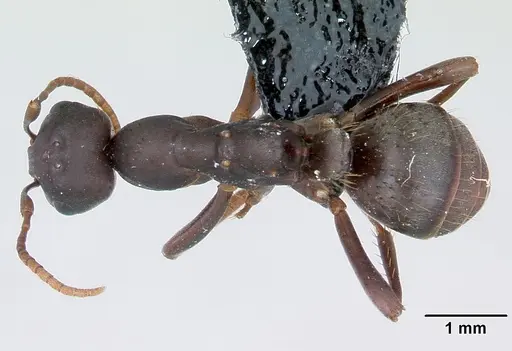
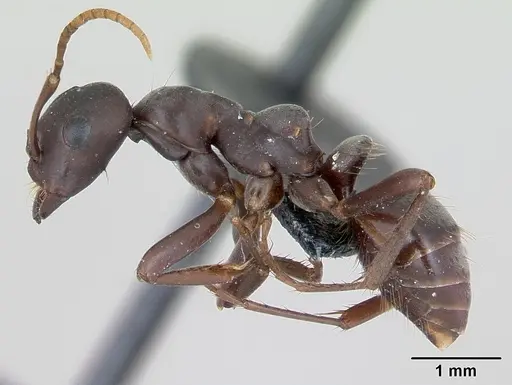
CASENT0173329
View on AntWeb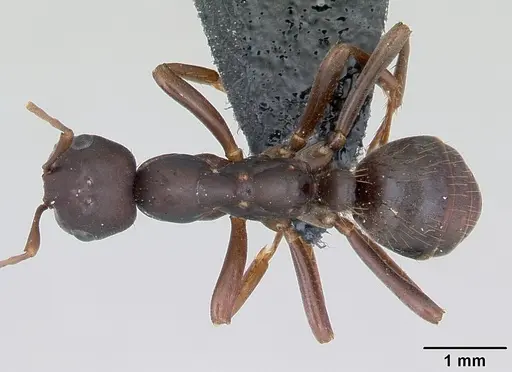
CASENT0173331
View on AntWeb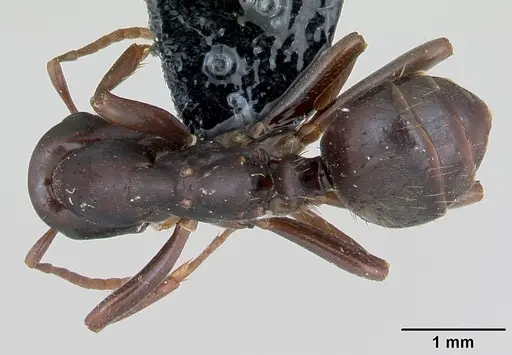
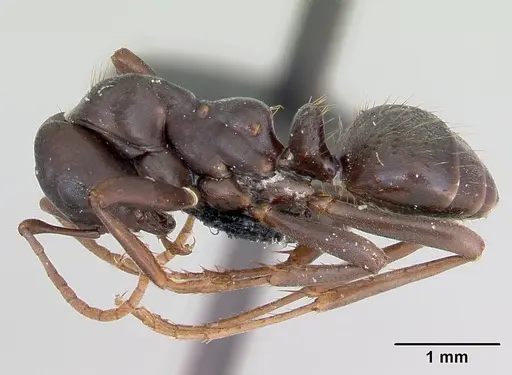
CASENT0173333
View on AntWeb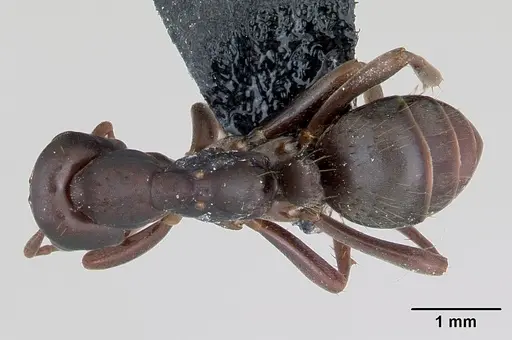
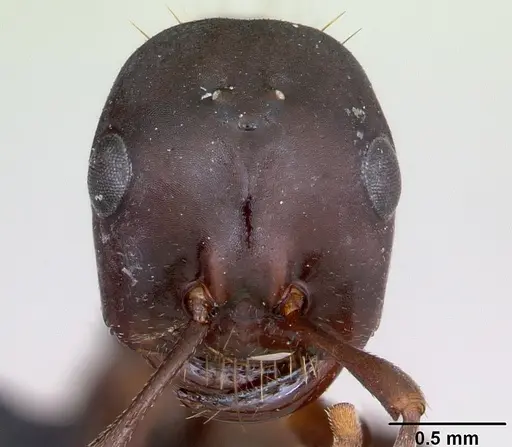
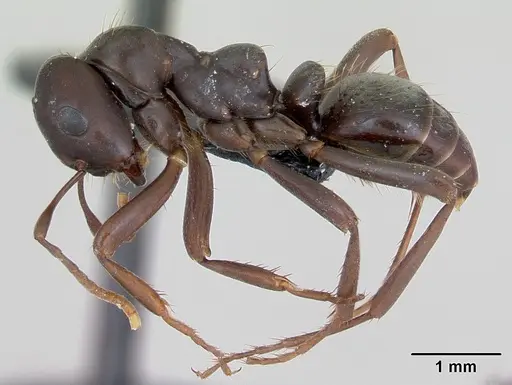
CASENT0173335
View on AntWeb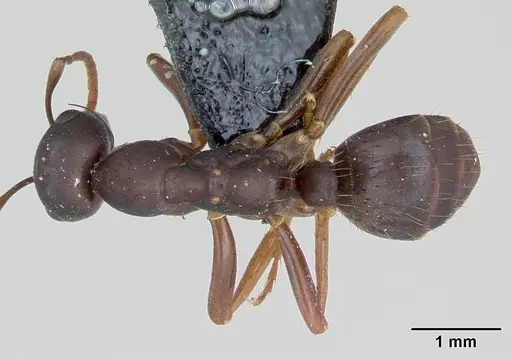
CASENT0173337
View on AntWeb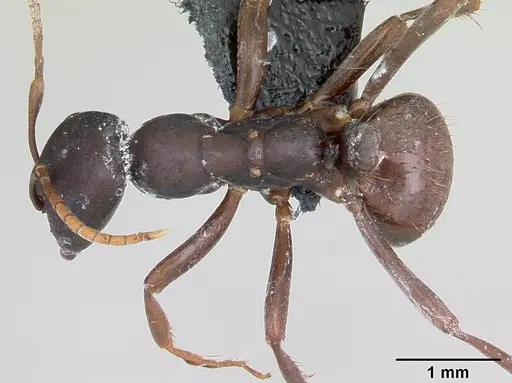
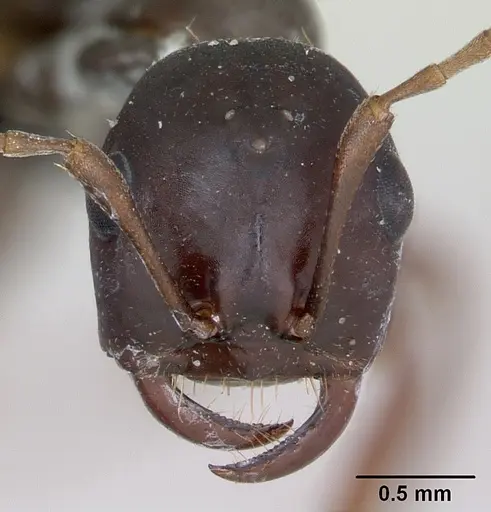
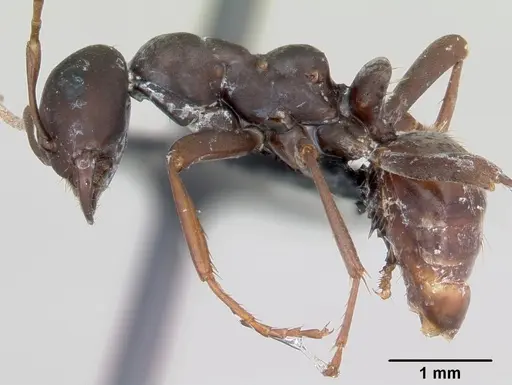
CASENT0173338
View on AntWeb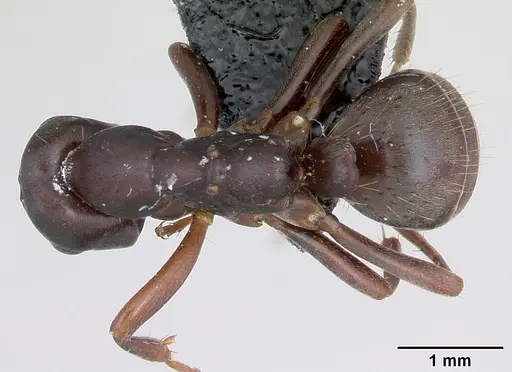
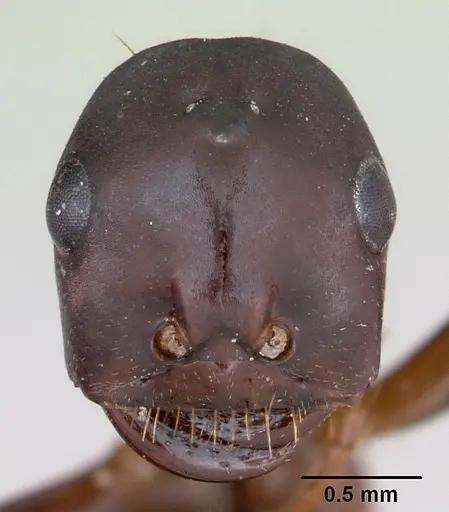
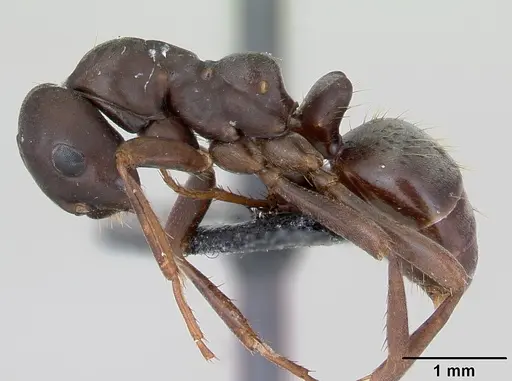
CASENT0173339
View on AntWeb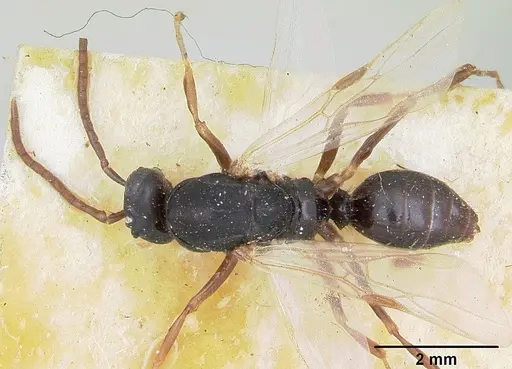
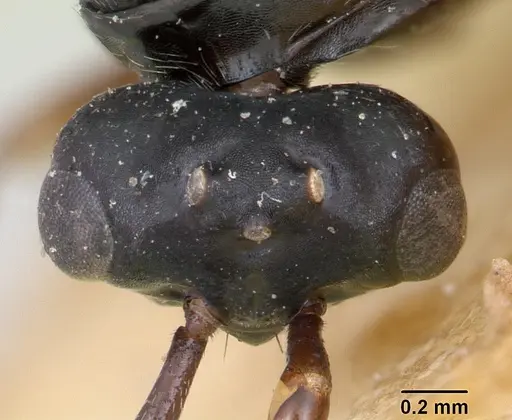
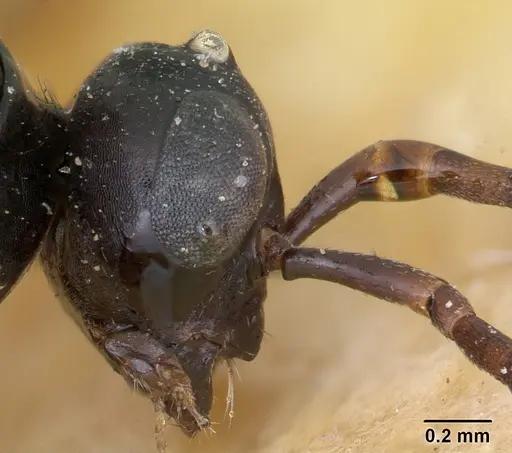
CASENT0173340
View on AntWeb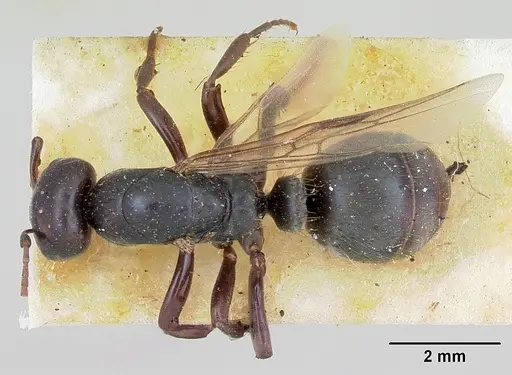
Literature
Loading distribution map...Loading products...