
Foothills Amazon Ant
Polyergus montivagus
- Sci. Name
- Polyergus montivagus
- Tribe
- Formicini
- Subfamily
- Formicinae
- Author
- Wheeler, 1915
- Common Name
- Foothills Amazon Ant
- Distribution
- Found in 1 countries
Introduction
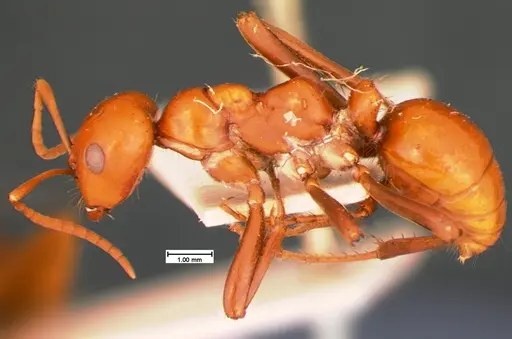
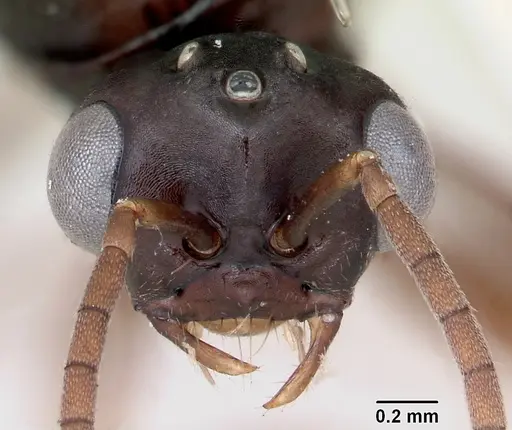
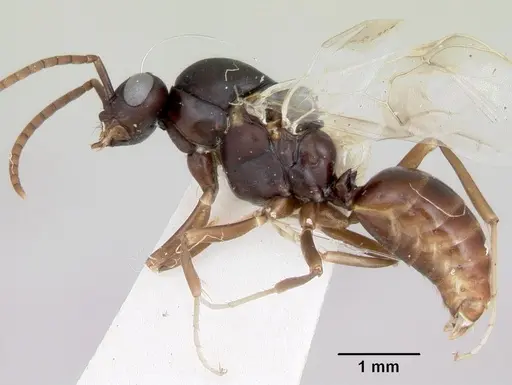
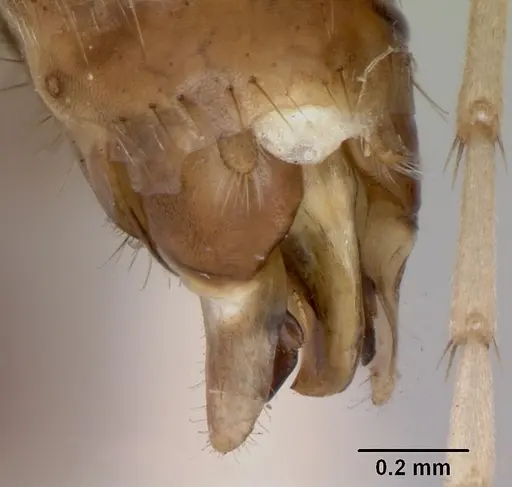
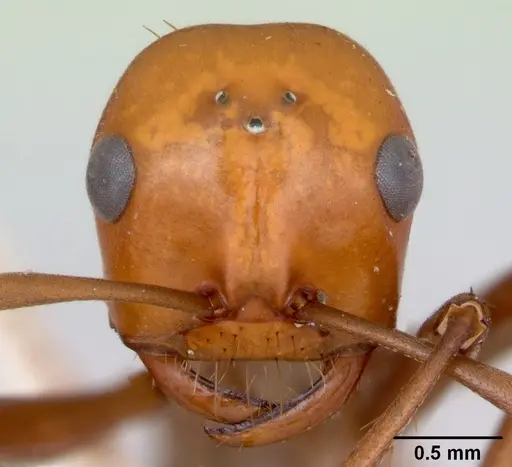
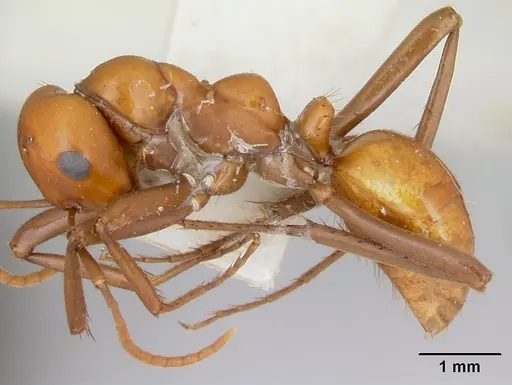
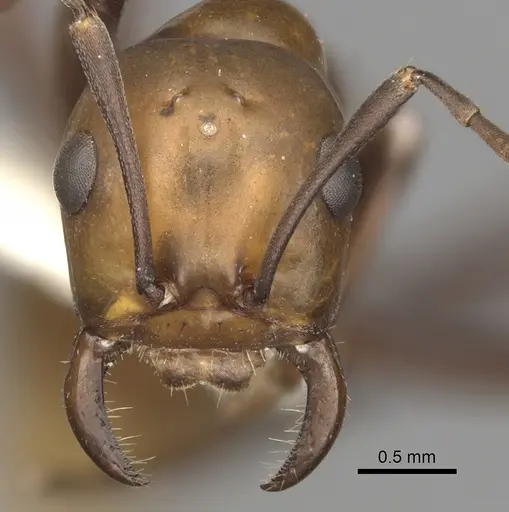
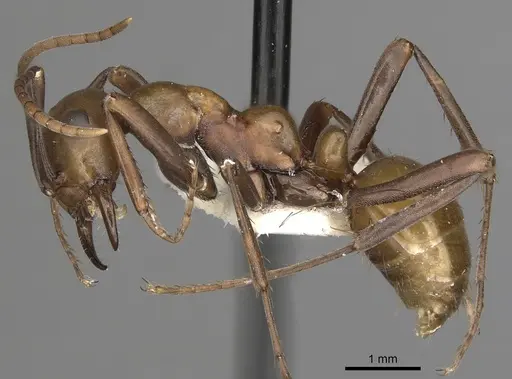
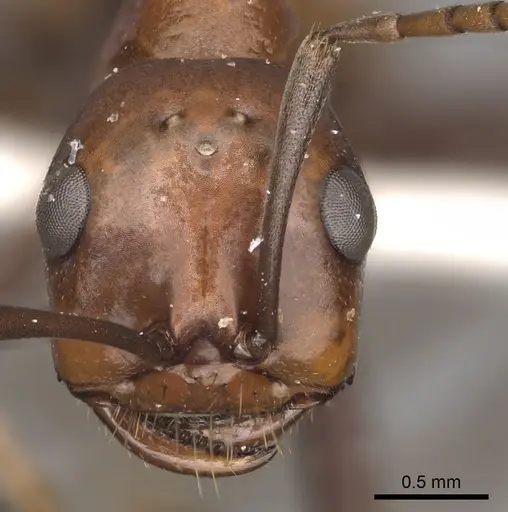
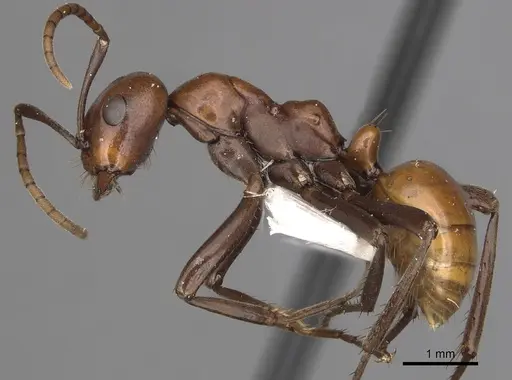
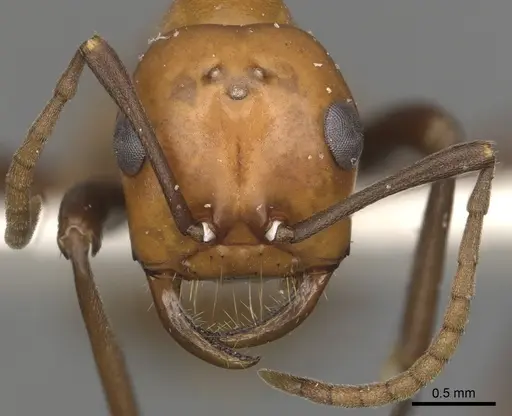
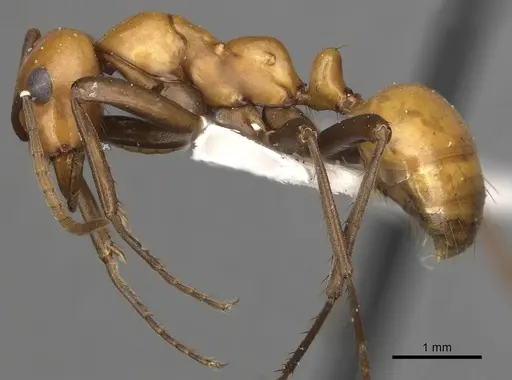
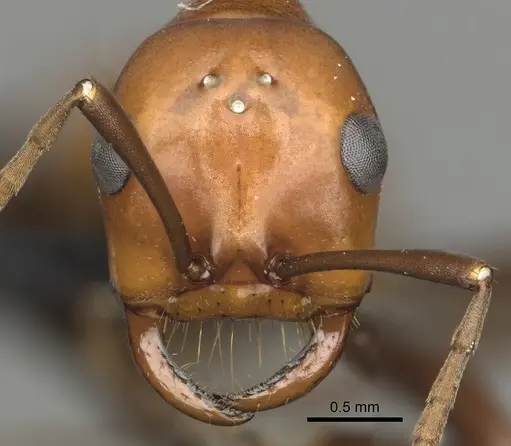
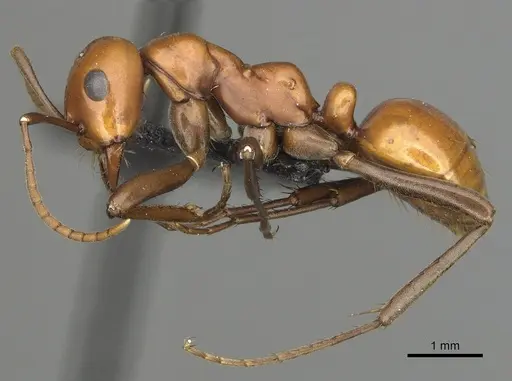
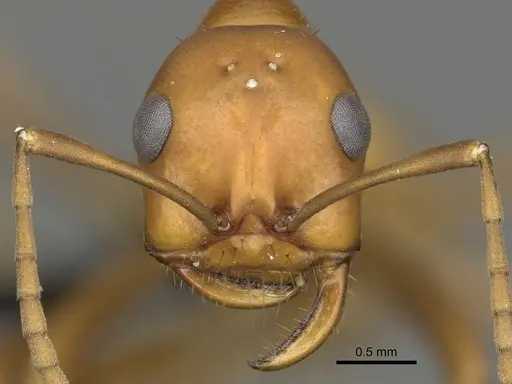
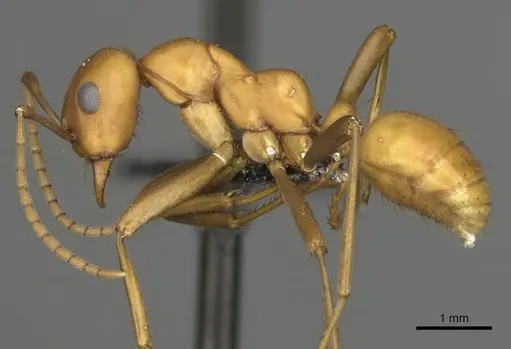
Polyergus montivagus is a dulotic (slave-making) ant native to North America, ranging from Canada through the eastern and central United States down to Colorado. Workers are small to medium, around 5.7-7.2 mm total length , with a vivid red body and noticeably darker legs and scapes. They stand out from related species like Polyergus lucidus by their shiny (glossy) abdomen and nearly complete lack of body hairs . This ant is an obligate social parasite - it cannot survive or function without its host, Formica pallidefulva. The entire colony depends on stealing host brood to maintain itself .
Quick Summary
- Difficulty: Expert
- Origin & Habitat: Found from northeastern to midwestern North America, with its range matching that of its host Formica pallidefulva. Lives in meadows near woods, grassy areas with partial shade, sandy or loessic open woodlands, park-like habitats, and lawns. Prefers sites with sandy or well-drained soil [1][3].
- Colony Type: Dulotic (slave-making) species. A typical colony contains a single Polyergus queen plus 70-291 Polyergus workers, supported by 500-4500+ enslaved Formica pallidefulva workers. Polyergus workers make up only 12-20% of the total workforce [2][1].
- Size & Growth:
- Queen: Body length not directly available, mesosomal length ~2.98 mm [2]. Queens are notably larger than their host counterparts [2].
- Worker: 5.7-7.2 mm total length [1].
- Colony: Up to 291 Polyergus workers with over 4500 host workers in large colonies [1].
- Growth: Moderate, colonies grow as stolen host brood is integrated. First males emerged in May from a colony collected in February [2].
- Development: Likely several months, no exact data for this species. (Temporal worker caste system: younger workers stay near the queen and brood, older workers patrol the colony's periphery [2].)
- Antkeeping:
- Temperature: Room temperature (20-24°C) works well, matching its temperate range. Keep stable and avoid extremes.
- Humidity: Moderate. Provide a water source (test tube with cotton) in the outworld. The nest substrate should be kept slightly moist but well-drained, as this species naturally occurs in sandy, well-drained soils [1].
- Diapause: Yes, requires winter hibernation. Cool both colonies gradually to 5-10°C for 3-4 months (typically November to February). Ensure the host colony is healthy before cooling [1].
- Nesting: Requires a dual setup: one section for the Polyergus and one for the Formica pallidefulva host. Use a formicarium with connected chambers, or two separate containers linked by tubing. The host colony needs moist soil or Y-tong blocks, the Polyergus section can be drier. Both need escape-proof boundaries (e.g., fluon).
- Behavior: Polyergus workers specialize in raiding host colonies, they do not forage or care for brood. Defense is via formic acid spray (typical of Formicinae, they lack a sting). Raids occur late afternoon until dusk, from June to September in the wild [1]. Workers are dominant and aggressive toward host workers [2]. Escape prevention is important, they are active explorers, though not tiny (5.7-7.2 mm).
- Common Issues: obligate social parasite, cannot survive without a healthy Formica pallidefulva colony. Keeping this species means maintaining two interdependent colonies., host colony may fail if it becomes too weak or stressed, dooming the Polyergus as well., Formica workers may eventually kill the Polyergus queen, as observed in lab colonies [2]. This risk increases with time and disturbance., cannot be started from a single queen, you must locate and collect an established mixed colony in the wild., check local regulations before collecting, this species is native and may be protected in some areas.
Understanding Dulotic Ants
Polyergus montivagus is a slave-maker, one of the toughest ant-keeping challenges. Unlike typical ants where workers do everything, Polyergus workers cannot handle basic tasks. They raid colonies of their host, Formica pallidefulva, and steal pupae. Those stolen pupae grow into host workers that then forage, clean, feed the queen, and raise all brood. Your Polyergus workers become raiders and defenders, while the host workers do all the daily labor [1][2]. This bond is full-time: you must keep both colonies alive and connected.
Housing the Colony
You’ll need a setup that holds both the Polyergus and the Formica pallidefulva colony, with a tube or passage linking them for raids to happen. A formicarium with multiple chambers or two separate containers connected by tubing works fine. The host side needs typical Formica care: some moist substrate (soil or Y-tong), a protein source, and sugar water. The Polyergus side can stay drier. Both sections need separate outworlds for foraging. Use fluon or similar barrier on all edges, because both species can escape if given the chance [2]. Keep the host colony healthy and producing pupae, that’s the fuel for the whole system.
Feeding and Diet
You don’t feed the Polyergus directly, you feed the host colony. Offer the Formica workers standard ant foods: insects (mealworms, crickets, roaches) for protein, plus sugar water or honey. The host workers will distribute the food to the whole mixed colony through mouth-to-mouth sharing (trophallaxis). Polyergus workers may take occasional sips but mostly ignore offered food. Always keep fresh protein and sugar available, if the host weakens from starvation, the whole colony crashes [2].
Raid Behavior
The most dramatic part of keeping this species is watching raids. In the wild, raids happen late afternoon through dusk, from June to September when host pupae are most available [1]. Workers stream into the host chamber, grab pupae with their mandibles, and carry them back to their own nest. Typical raids involve 87-130 Polyergus workers [1]. In captivity, you may see this behavior whenever the host colony has surplus pupae. It’s a specialized skill, the raiders ignore adult host workers and focus only on brood.
Seasonal Care and Hibernation
Polyergus montivagus comes from temperate North America and needs a winter rest period. Slowly reduce temperatures to 5-10°C for 3-4 months (roughly November to February). Both the Polyergus and host colonies will slow down. Before cooling, make sure the host colony is well-fed and strong. If the host dies over winter, the Polyergus colony won’t survive either. In spring, gradually warm them back up, raid season typically starts by June [1].
Legal and Ethical Considerations
This species is native and not common in the hobby. You’ll likely need to find and collect an established mixed colony in the wild. Check local laws before collecting, some areas restrict taking native ants. Consider that you’re taking on the long-term care of two colonies. Never release captive ants outdoors, they could disrupt local ecosystems. Source your colonies responsibly and avoid over-harvesting wild populations.
Frequently Asked Questions
Can I keep Polyergus montivagus without a host colony?
No. Polyergus montivagus is an obligate social parasite, it cannot survive without its host Formica pallidefulva. The species is completely dependent on host workers for basic colony functions like foraging, nursing, and cleaning. Keeping this species requires maintaining both the Polyergus colony and a healthy Formica pallidefulva colony simultaneously [2].
What do I feed Polyergus montivagus?
You feed the host Formica pallidefulva colony, not the Polyergus directly. Offer the host standard ant foods: protein sources like mealworms, crickets, and other insects, plus sugar water or honey. The host workers will consume these and share food with the entire mixed colony through trophallaxis. Always ensure the host colony has access to fresh protein and sugar [2].
How long do raids take place?
In the wild, raids occur from mid-June to early September in Michigan and early June through mid-September in Illinois. This corresponds to periods when host worker pupae are most available. Raids happen late afternoon through dusk [1]. In captivity, you may observe raid-like behavior year-round if the host colony is producing pupae.
Is Polyergus montivagus good for beginners?
No. This is an expert-level species requiring simultaneous maintenance of two colonies (the Polyergus and its Formica host). The complex dulotic relationship, potential for host workers to kill the Polyergus queen, and the need to synchronize both colonies' health makes this species unsuitable for beginners. Only experienced antkeepers should attempt this species.
Will Formica pallidefulva workers kill the Polyergus queen?
Yes, this can happen. In laboratory colonies, Formica worker aggression toward the Polyergus queen was observed and escalated over several months until the queen was killed [2]. This is a risk you must accept when keeping this species. Maintaining a balanced, healthy host colony and minimizing disturbances may help reduce this risk.
How big do colonies get?
Mixed colonies typically contain 70-291 Polyergus workers supported by 500-4500+ host workers. Polyergus workers make up only 12-20% of the total worker population [1][2]. Southern and western populations tend toward smaller colony sizes.
Do I need to hibernate Polyergus montivagus?
Yes. As a temperate species native to North America, it requires winter hibernation. Cool the colonies to 5-10°C for 3-4 months during winter. Both the Polyergus and host colonies will slow down during this period. Ensure the host colony is healthy going into hibernation, if the host dies, the Polyergus colony will not survive [1].
How do I start a Polyergus montivagus colony?
You need to collect both a Polyergus colony and a Formica pallidefulva colony from the same area. The most reliable method is finding an existing mixed colony in the wild, look for Polyergus workers with Formica pallidefulva in late summer during raid season. You will need both colonies to establish a captive setup. This species cannot be founded like normal ants, the queen cannot start a colony alone [1].
What makes Polyergus montivagus different from other ants?
Polyergus montivagus is a specialized slave-maker that cannot survive without its host Formica pallidefulva. Workers raid host colonies to steal pupae, which emerge as workers that perform all colony labor. This is one of the most complex social structures in the ant world, making this species unique and challenging to keep. The shining gaster and near lack of body hairs distinguish it from related species like P. lucidus [1].
Report an Issue
The current care sheet is based fully on literature. See inconsistencies, or something that's incorrect? Please , it will be resolved after review from an admin. Contributing to the blogs tab also helps providing information, to make us be able to further improve the caresheets. Thank you for your support!
References

This caresheet is licensed under CC BY-SA 4.0 .
Community Blogs
ANTWEB1041697
View on AntWeb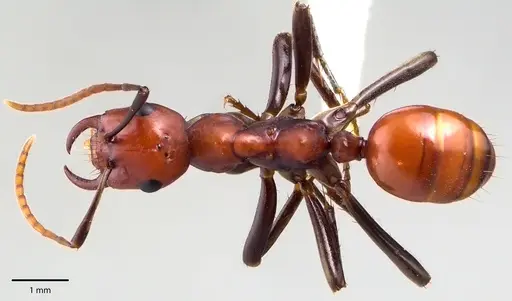
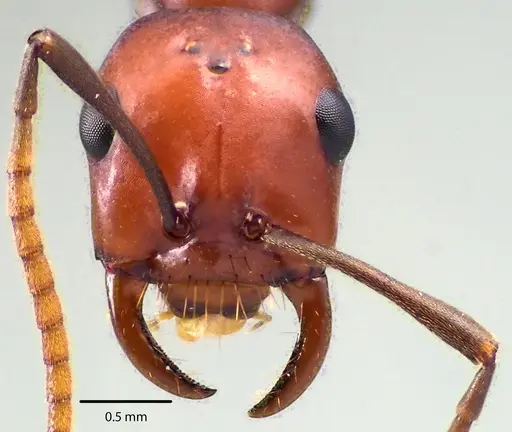
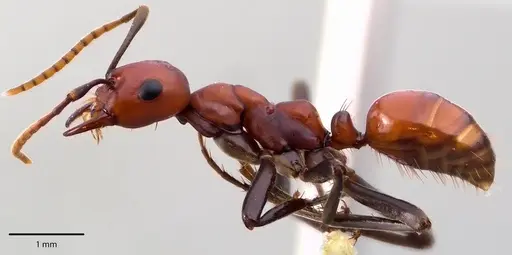
CASENT0105563
View on AntWeb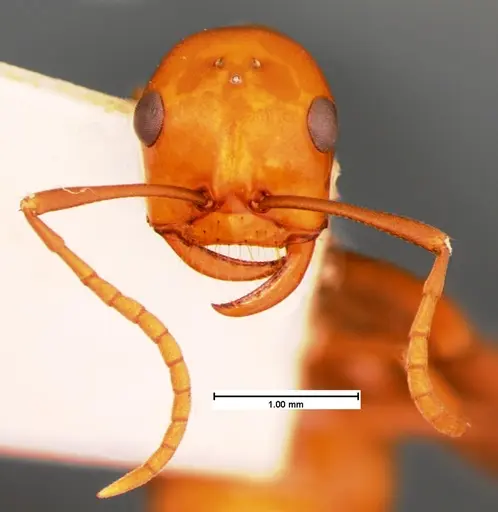
CASENT0172893
View on AntWeb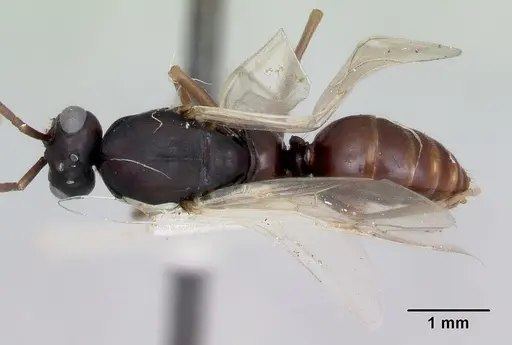
CASENT0172894
View on AntWeb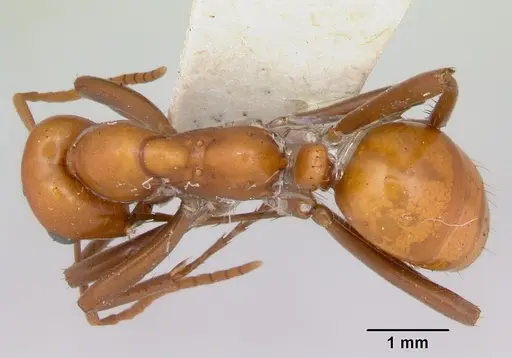
CASENT0281045
View on AntWeb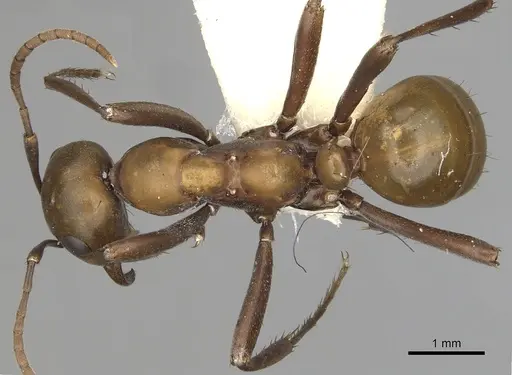
CASENT0281046
View on AntWeb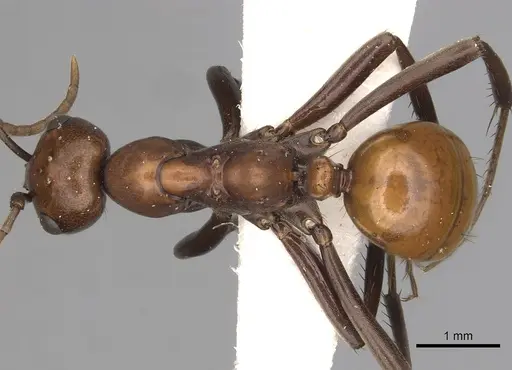
CASENT0281047
View on AntWeb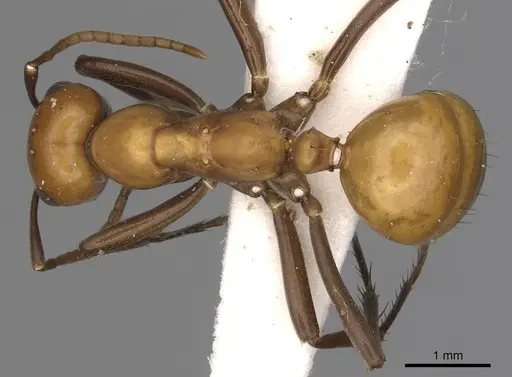
CASENT0281048
View on AntWeb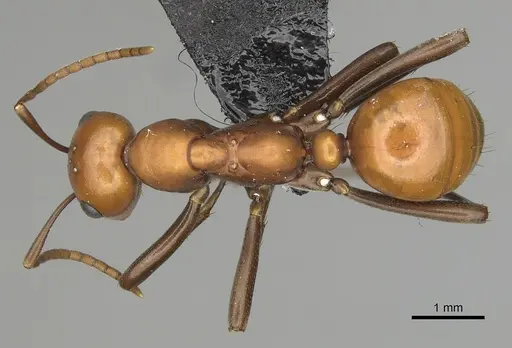
CASENT0281049
View on AntWeb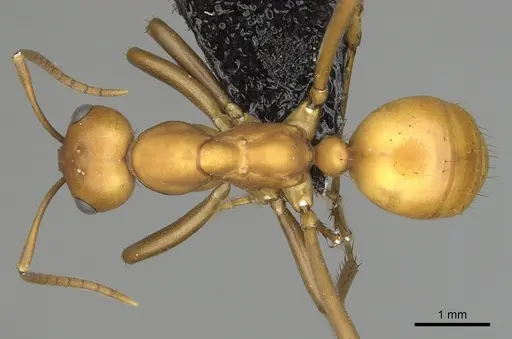
Literature
Loading distribution map...Loading products...