
Long-horned Amazon Ant
Polyergus longicornis
- Sci. Name
- Polyergus longicornis
- Tribe
- Formicini
- Subfamily
- Formicinae
- Author
- Smith, 1947
- Common Name
- Long-horned Amazon Ant
- Distribution
- Found in 1 countries
Introduction
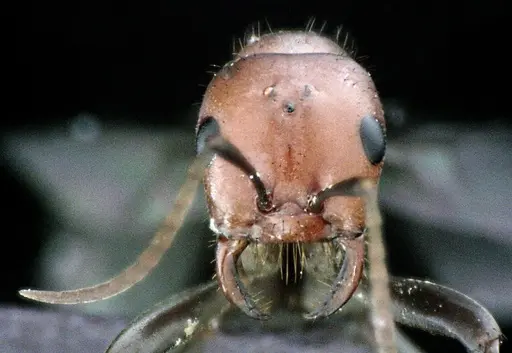
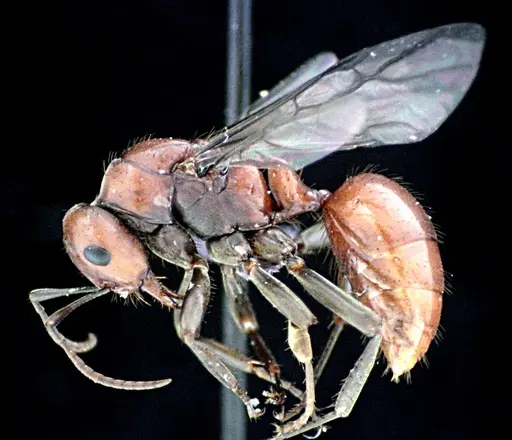
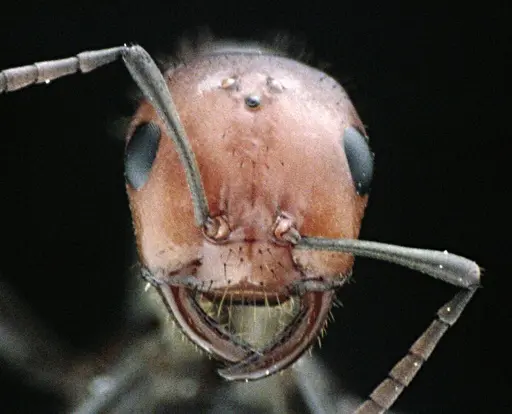
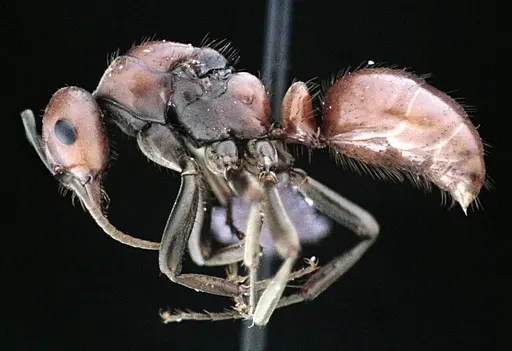
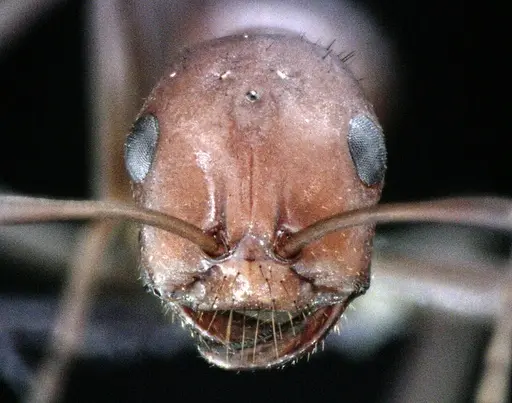
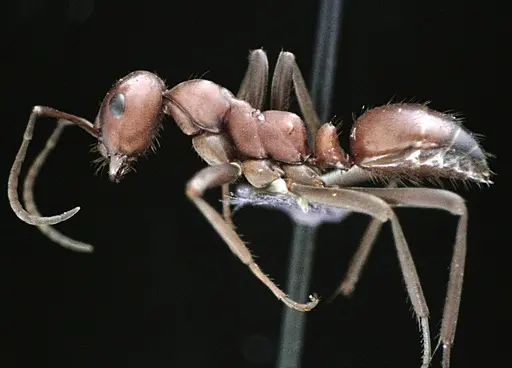
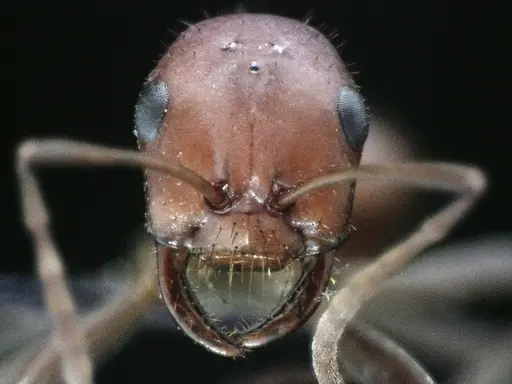
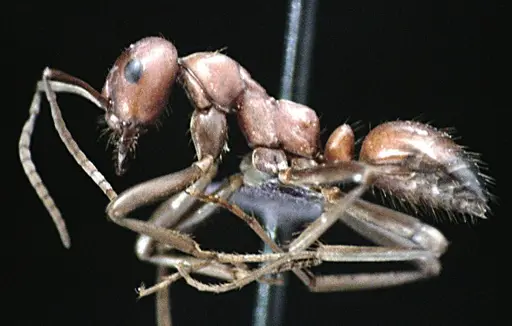
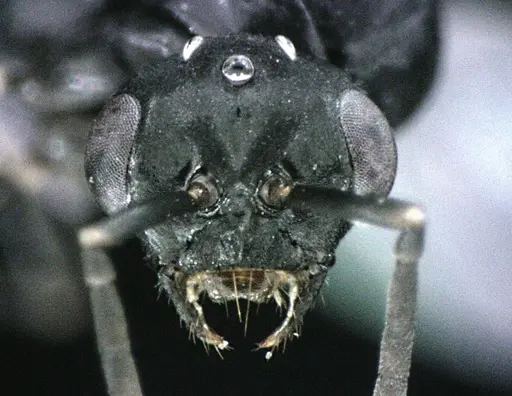
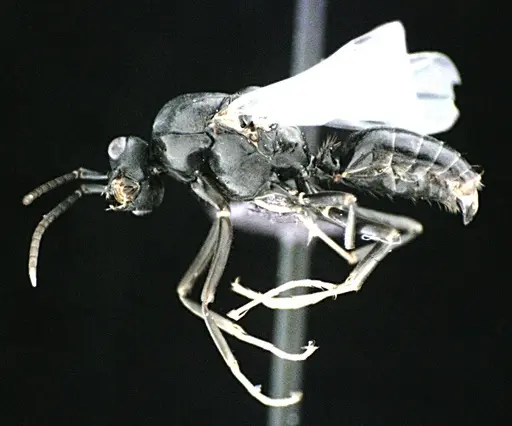
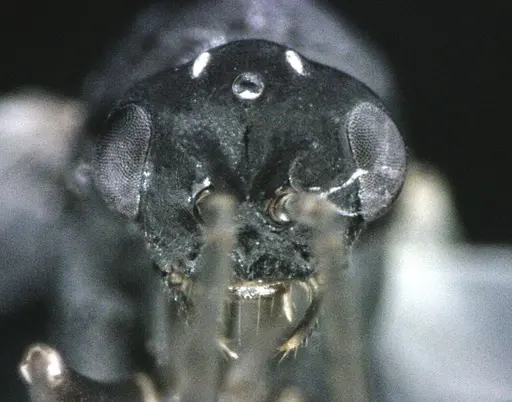
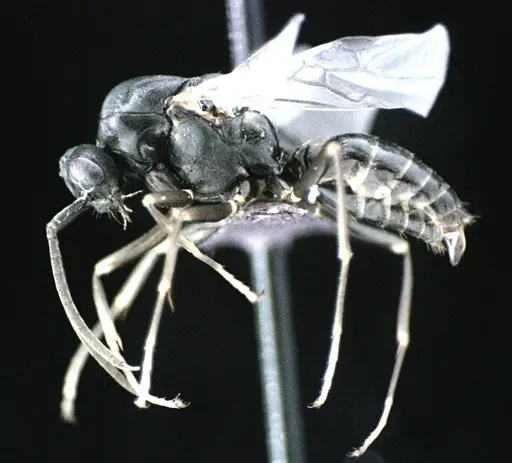
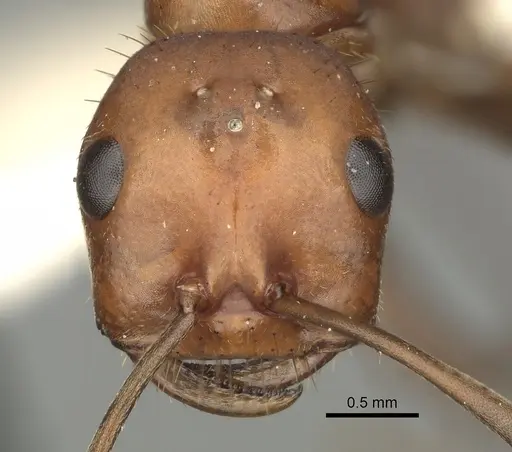
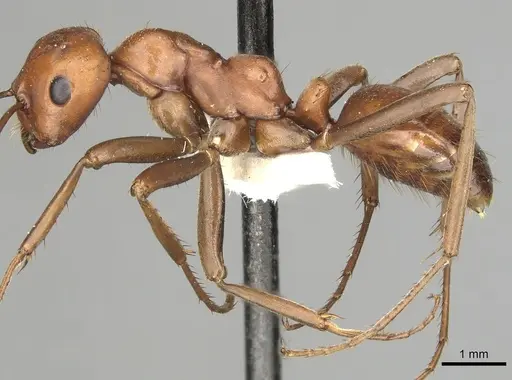
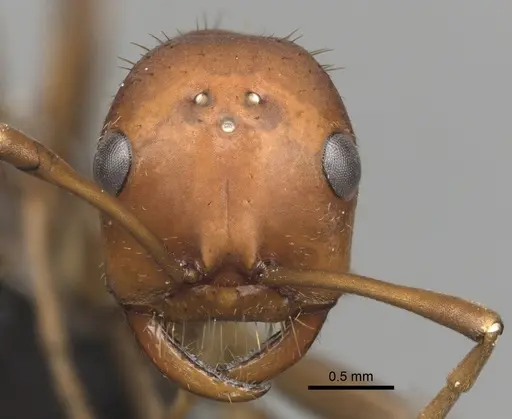
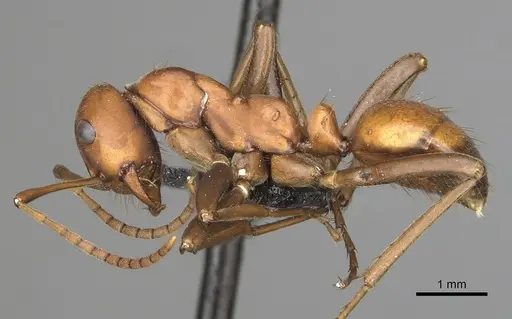
Polyergus longicornis is a red ant native to the southeastern United States, found from the Carolinas to Mississippi in open pinelands and oak-pine woodlands on sandy soils . Workers are about 6.4-7.3 mm in total length, with a matte red body and longer antennae segments that extend past the head corners . This species is an obligate slave-maker, completely dependent on host colonies of Formica dolosa ants, which it raids to steal brood that then serve the parasite colony .
Quick Summary
- Difficulty: Expert
- Origin & Habitat: Southeastern United States, including the Carolinas, Georgia, and Mississippi, in open pinelands and oak-pine woodlands on sandy soils [1][2].
- Colony Type: Likely single-queen colonies (monogyne), but unconfirmed from direct literature. The queen is an obligate social parasite that invades a Formica dolosa colony, kills or replaces the host queen, and uses host workers to raise her brood [3].
- Size & Growth:
- Queen: Size data unavailable, no total length measurements in literature.
- Worker: ~6.4-7.3 mm total length [1].
- Colony: Up to 791 workers total in mixed colonies, with Polyergus workers comprising 12-20% of the total [3].
- Growth: Moderate, depends on host colony success.
- Development: Unknown, development occurs within the host colony. (Development is tied to host colony brood development, host workers raise Polyergus brood.)
- Antkeeping:
- Temperature: Keep warm and stable, roughly low-to-mid 20s°C, based on southeastern US habitat [1].
- Humidity: Provide a humidity gradient, mostly dry nest chamber with one small moist area, as they nest in sandy soils [1].
- Diapause: Unknown, no specific data on winter dormancy, but southeastern species may require a cool period.
- Nesting: Use Y-tong, plaster, or soil nests. Maintain a healthy host Formica dolosa colony alongside the Polyergus colony, with connections for host workers to forage [3].
- Behavior: Polyergus workers are aggressive and dominate their Formica hosts, engaging in self-grooming, raiding, and occasional trophallaxis with host workers [3]. They are mildly polymorphic and not highly escape-prone, but standard barriers are recommended due to their small size. This species is obligately dulotic and not suitable for beginners.
- Common Issues: maintaining a healthy host Formica dolosa colony is critical, without host workers, the Polyergus colony will die [3]., mixed colonies require careful management to ensure both species thrive., polyergus ants cannot survive without their host species and will die if isolated., escaped polyergus without host workers will not survive., finding formica dolosa as a host may be difficult depending on location.
Understanding the Slave-Making Lifestyle
Polyergus longicornis is an obligate dulotic ant, completely dependent on its host species Formica dolosa to survive. Unlike typical ants, a Polyergus queen must invade an established Formica colony, kill or replace the host queen, and use host workers to raise her brood [3]. In mixed colonies, Polyergus workers make up only 12-20% of the total worker population, the rest are enslaved Formica workers [3]. This makes P. longicornis one of the most challenging ant species to keep, as you must maintain two healthy colonies simultaneously.
Housing Requirements
You will need two separate but connected nest setups: one for your Polyergus longicornis colony and one for a healthy Formica dolosa host colony. Use Y-tong, plaster, or soil nests, with tubes connecting them so host workers can move between nests. This connection is critical, host workers must be able to forage for food and tend to both colonies. Keep the nests at similar warm temperatures (low-to-mid 20s°C) and provide a humidity gradient with mostly dry conditions [1][3].
Feeding Your Mixed Colony
The enslaved Formica workers do all the foraging, so food should be provided to the host colony side of your setup. Offer protein sources like mealworms or crickets, plus sugar sources like honey water. The Formica workers will consume these and share food through trophallaxis with both the Polyergus queen and workers [3]. Fresh water should always be available.
The Raid: How They Acquire Slaves
In the wild, Polyergus colonies conduct raids on Formica dolosa nests, with workers marching in columns to steal pupae and larvae [4]. These stolen brood emerge as adult Formica workers that tend the Polyergus queen. In captivity, you can simulate this by carefully introducing Formica dolosa workers or brood to your Polyergus nest.
Seasonal Care and Overwintering
As a southeastern US species, P. longicornis may require a cool period, but specific diapause data is unknown. Reduce temperatures slightly during winter if needed, but no exact duration is documented. In summer, maintain warm conditions similar to their native habitat [1].
Legal and Ethical Considerations
Polyergus longicornis is native to the southeastern United States. If you collect them, ensure you have permission and follow local regulations. These ants should never be released outside their native range, they are obligate parasites that cannot survive without their specific host, and introducing them to new areas could harm native ant communities [2][5].
Frequently Asked Questions
Can I keep Polyergus longicornis without a host colony?
No. Polyergus longicornis is an obligate social parasite, it cannot survive without a host Formica dolosa colony. The queen cannot found a colony alone, she must invade and take over an existing host colony. Without host workers, your Polyergus colony will die [3].
What do I feed Polyergus longicornis?
You feed the host Formica dolosa colony. Place protein (insects like mealworms) and sugar sources (honey water) near the host nest. The enslaved Formica workers will forage and share food with the Polyergus queen and workers [3].
How do I start a Polyergus longicornis colony?
You need an established Formica dolosa colony first. Introduce a P. longicornis queen carefully to the host colony, she must kill or replace the host queen and convince host workers to accept her. This is a challenging process that requires experience with parasitic ants [3].
Are Polyergus longicornis good for beginners?
No. This is an expert-level species due to the complexity of maintaining two colonies simultaneously (the parasite and its host). You need experience with ant keeping before attempting P. longicornis.
How long do Polyergus longicornis live?
Queen lifespan is not specifically documented, but Formica queens commonly live several years. Worker lifespans are typically several months to a year. The key limiting factor is maintaining the host colony [3].
Can I keep multiple Polyergus queens together?
No. P. longicornis is likely monogyne, colonies have a single queen. Multiple unrelated queens would fight, and only one can successfully parasitize a host colony [3].
What temperature do Polyergus longicornis need?
Keep both colonies at warm, stable temperatures, roughly low-to-mid 20s°C, based on their southeastern US habitat [1].
Do Polyergus longicornis need hibernation?
Unknown, no specific data on diapause, but southeastern species may require a cool period. If attempting, reduce temperatures slightly for a few months, but observe colony behavior.
Why are my Polyergus longicornis dying?
The most likely cause is host colony failure. Without healthy Formica dolosa workers, your Polyergus cannot survive. Check that the host colony has adequate food, water, and proper humidity [3].
Report an Issue
The current care sheet is based fully on literature. See inconsistencies, or something that's incorrect? Please , it will be resolved after review from an admin. Contributing to the blogs tab also helps providing information, to make us be able to further improve the caresheets. Thank you for your support!
References

This caresheet is licensed under CC BY-SA 4.0 .
Community Blogs
ANTWEB1041492
View on AntWeb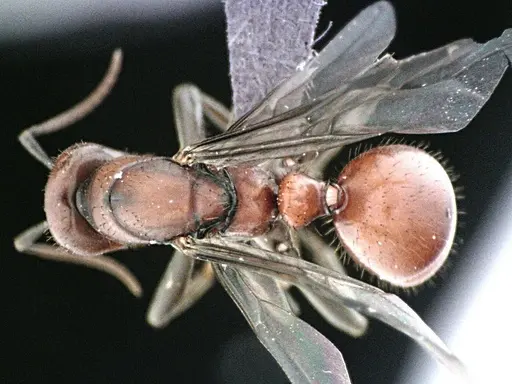
ANTWEB1041493
View on AntWeb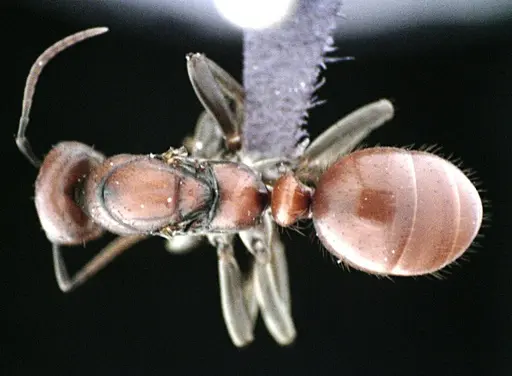
ANTWEB1041494
View on AntWeb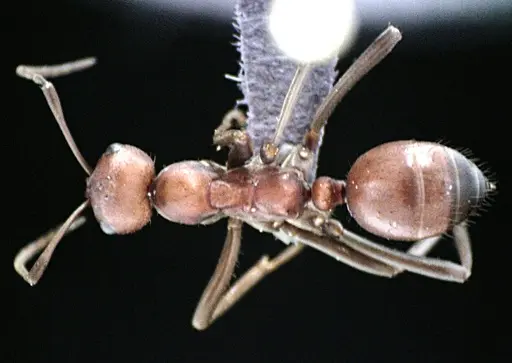
ANTWEB1041495
View on AntWeb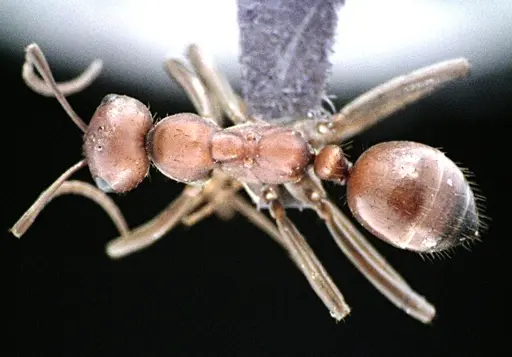
ANTWEB1041496
View on AntWeb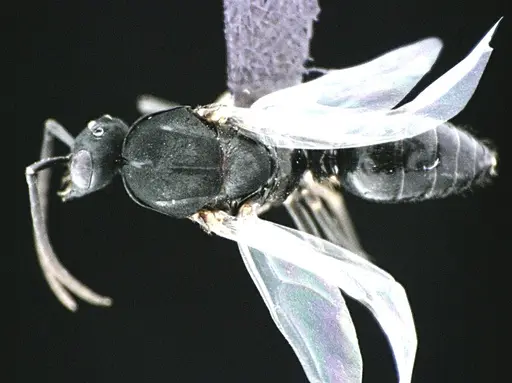
ANTWEB1041497
View on AntWeb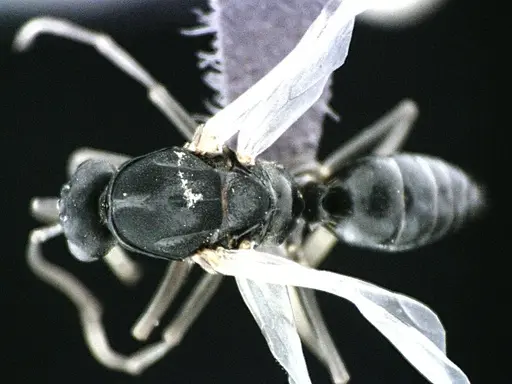
CASENT0281043
View on AntWeb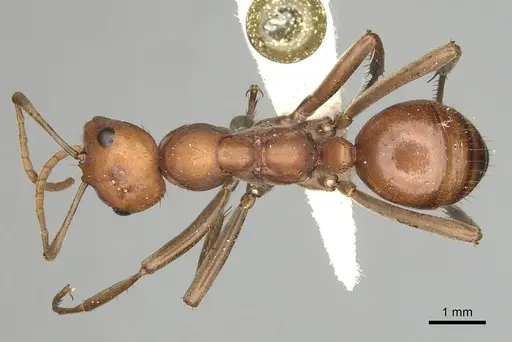
CASENT0281044
View on AntWeb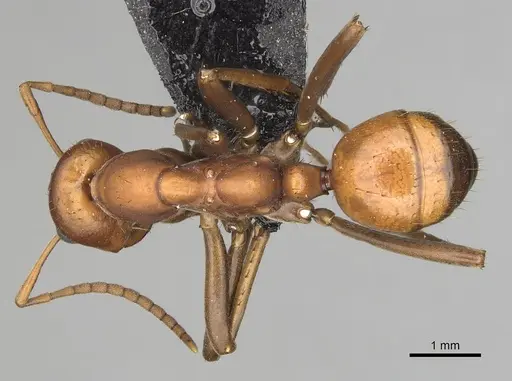
Literature
Loading distribution map...Loading products...