
Bicolored Amazon Ant
Polyergus bicolor
- Sci. Name
- Polyergus bicolor
- Tribe
- Formicini
- Subfamily
- Formicinae
- Author
- Wasmann, 1901
- Common Name
- Bicolored Amazon Ant
- Distribution
- Found in 2 countries
Introduction
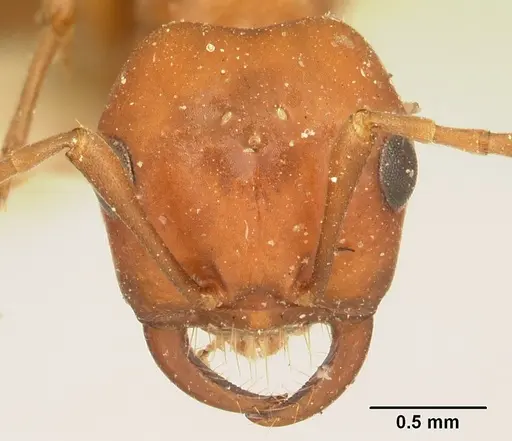
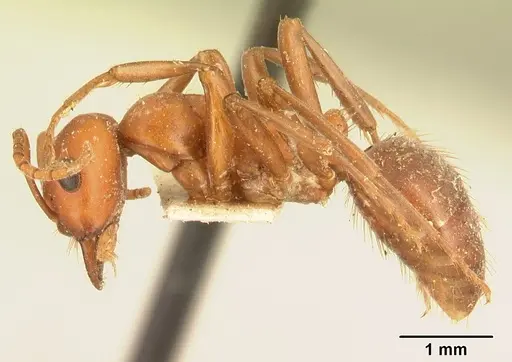
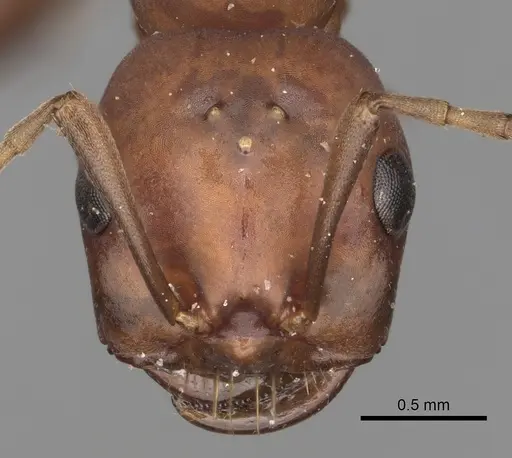
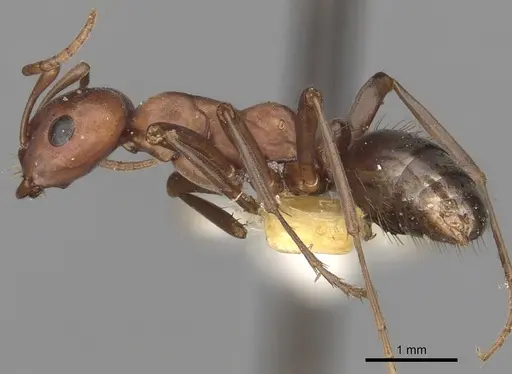
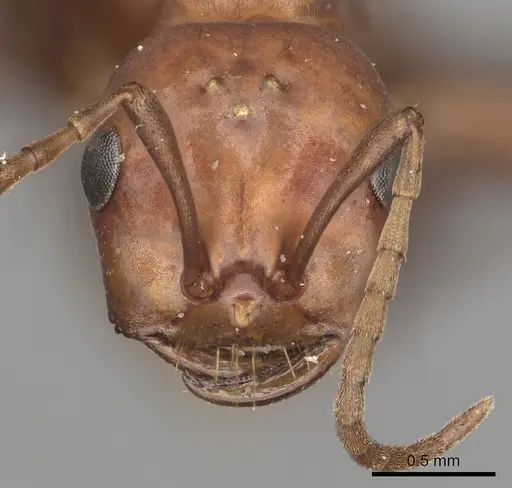
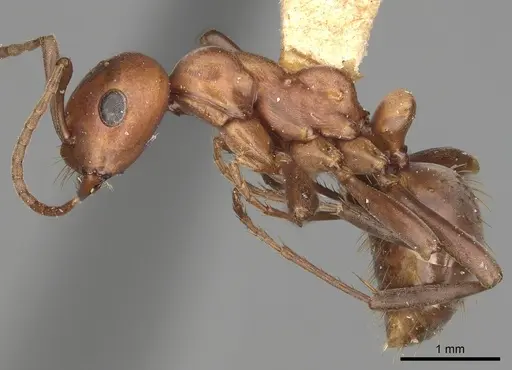
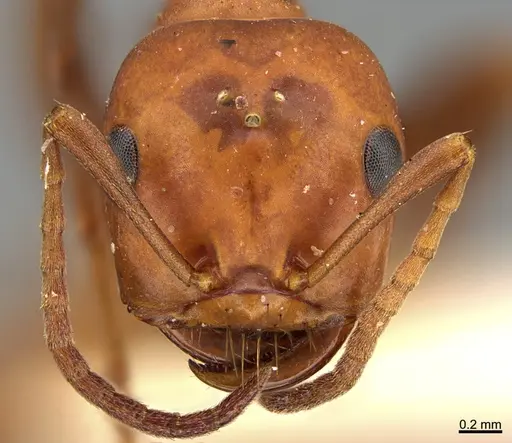
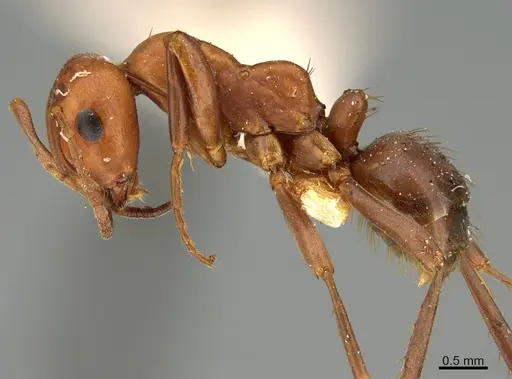
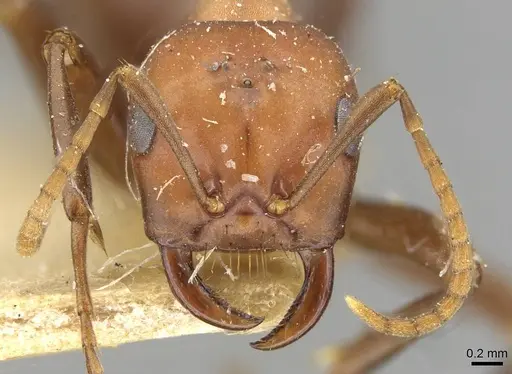
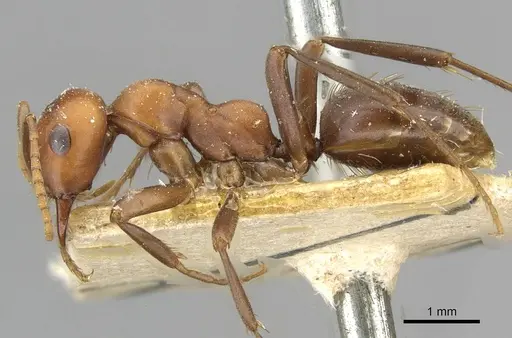
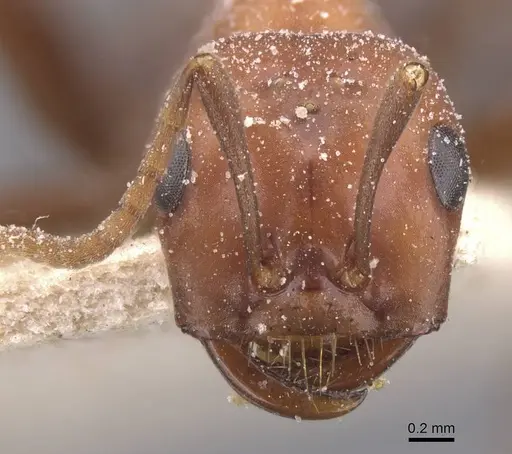
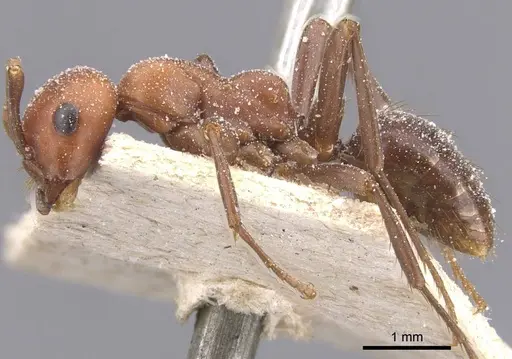
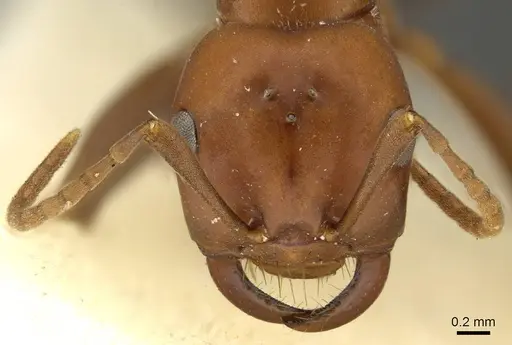
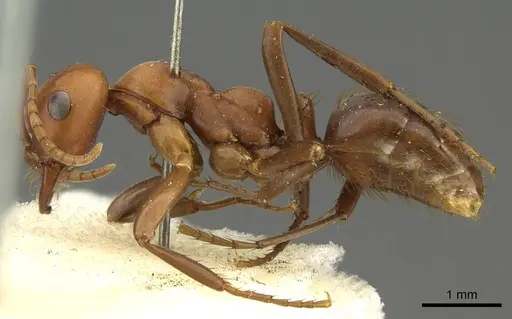
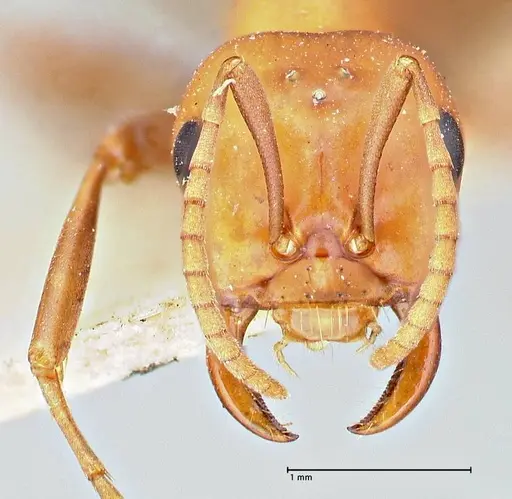
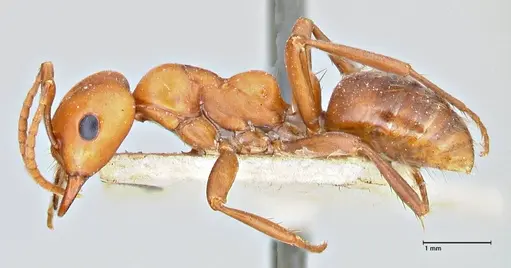
Polyergus bicolor is a small to medium-sized dulotic ant native to the upper Mississippi Valley, ranging from the western Great Lakes region west to the Dakotas and southern Manitoba. Workers measure 4.8-6.6 mm total length with a distinctive two-tone appearance: the head and mesosoma are dull red while the gaster is nearly black . This species is easily distinguished from other North American Polyergus by its bicolored pattern and sparse pilosity, notably lacking erect hairs on the vertex and having only 0-2 setae on the pronotum . This is a slave-making ant that cannot survive without a host colony. Polyergus bicolor queens invade colonies of Formica ants, primarily Formica subaenescens, kill the host queen, and use host workers to raise their brood .
Quick Summary
- Difficulty: Expert
- Origin & Habitat: Upper Mississippi Valley region, western Great Lakes to the Dakotas and southern Manitoba. Nests in rotting logs and fallen limbs in moist forest habitats [2][3].
- Colony Type: Dulotic (slave-making), requires a host Formica colony to survive. The Polyergus queen invades and kills the host queen, then uses host workers to raise her brood [2].
- Size & Growth:
- Queen: Size data unavailable, no total length measurements for queens in research context.
- Worker: 4.8-6.6 mm total length [1].
- Colony: Size data unavailable.
- Growth: Unknown, depends on host colony health.
- Development: Unknown, development occurs within host colony. (No specific timeline data available.)
- Antkeeping:
- Temperature: Keep at room temperature, roughly 20-24°C, as they are from temperate regions [3].
- Humidity: Keep nest substrate consistently moist but not waterlogged, based on their moist forest habitat [2][3].
- Diapause: Yes, likely requires winter diapause of 2-3 months at 5-10°C, inferred from northern distribution [3].
- Nesting: Use naturalistic setups with rotting wood or standard test tubes for the host colony. Avoid acrylic nests, recommend Y-tong, plaster, or soil nests [2][3].
- Behavior: Polyergus bicolor workers are aggressive slave-makers but not particularly defensive toward keepers. Escape risk is moderate due to medium size, use standard barriers. Survival depends entirely on host colony [2].
- Common Issues: host colony collapse is fatal, without live host workers, Polyergus bicolor cannot survive [2]., maintaining two colonies doubles complexity and cost., queen introduction can fail if host colony rejects her., without regular raids, host worker numbers may decline.
Understanding Dulotic Ants
Polyergus bicolor is a dulotic ant, meaning it is a slave-maker. This is one of the most complex ant lifestyles to keep in captivity. Unlike typical ants where the queen raises her own workers, dulotic queens must invade an established colony of their host species, kill or replace the host queen, and trick the host workers into raising Polyergus brood instead of their own [2]. The host workers continue all normal colony functions, foraging, nursing brood, maintaining the nest, while the Polyergus workers primarily focus on raiding other colonies to steal more host pupae [1]. This means you cannot keep Polyergus bicolor alone. You must maintain a healthy colony of Formica subaenescens (or occasionally Formica neorufibarbis) as the host [1]. Without the host workers, the Polyergus portion of the colony will die.
Housing Requirements
You need two separate setups: one for the host Formica colony and one where the Polyergus queen and her workers will integrate. The host colony can be kept in standard test tubes, naturalistic setups with rotting wood, or nests made of Y-tong, plaster, or soil [2][3]. Formica ants prefer moist conditions, so keep the substrate damp. The Polyergus portion will essentially live within the host nest once the invasion is successful. For the initial introduction, place the Polyergus queen near the host colony entrance, she will release pheromones that trick the host workers into accepting her. This process can take hours to days and may fail. Monitor closely and be prepared to separate if the host workers attack aggressively.
Feeding the Colony
The host Formica workers will forage for food and feed the entire colony, including the Polyergus. You should feed the host colony a varied diet: sugar water or honey for energy, and protein sources like mealworms, crickets, or other insects. Formica ants are generalist feeders and typically accept most ant foods. The Polyergus workers will also accept some food directly but rely heavily on the host workers for nutrition. Keep a constant sugar source available and offer protein 2-3 times per week. [3]
Seasonal Care and Overwintering
Like other ants from their northern range, Polyergus bicolor likely requires a winter diapause period. During autumn, reduce temperatures gradually to around 5-10°C and keep them there for 2-3 months. This mimics their natural seasonal cycle and is important for colony health. Both the Polyergus and host portions of the colony will slow down during this period. Do not feed heavily during diapause and keep substrate slightly damp but not moist. Return to room temperatures gradually in spring when the colony becomes active again. [3]
The Raid: How They Acquire Slaves
One of the key behaviors of Polyergus bicolor is their raiding behavior. When a colony needs more host workers, Polyergus scouts locate nearby Formica nests and recruit raid parties. During a raid, Polyergus workers rush into the host nest and grab as many pupae as they can carry, then retreat quickly. The stolen pupae are raised by the host workers already in the colony, these emerging workers then become part of the workforce that supports the Polyergus [2][1]. In captivity, you may observe this behavior if you provide access to a secondary Formica colony, though this is not recommended as it can destabilize your primary host colony.
Frequently Asked Questions
Can I keep Polyergus bicolor without a host colony?
No. Polyergus bicolor is a dulotic ant that cannot survive without a host Formica colony. The host workers do all the nest maintenance, foraging, and brood care. Without hosts, your Polyergus colony will die within weeks. You must maintain both species [2].
What host species do I need for Polyergus bicolor?
Polyergus bicolor normally uses Formica subaenescens as its host, and occasionally Formica neorufibarbis [1]. These are the only species that will work in captivity, other Formica species are unlikely to be accepted.
How do I introduce the Polyergus queen to the host colony?
Place the Polyergus queen near the host colony entrance. She will release acceptance pheromones that typically allow her to enter without being attacked. This can take hours to days. Monitor closely, if host workers attack aggressively, you may need to separate them and try a different introduction method. Success is not guaranteed [3].
Are Polyergus bicolor ants dangerous?
Polyergus bicolor workers are not particularly aggressive toward humans. They lack a sting and use formic acid spray for defense, but this is rarely directed at keepers [3].
How long do Polyergus bicolor colonies live?
The Polyergus queen can live for many years, but the colony's survival depends entirely on maintaining the host portion. The host workers live only a few months each, so the colony requires ongoing raids or careful management to maintain host worker numbers [3].
Is Polyergus bicolor good for beginners?
No. This is an expert-level species due to its parasitic lifestyle. Keeping dulotic ants requires maintaining two separate colonies, managing queen introductions, and ensuring the complex relationship between parasite and host remains stable. Beginners should start with simpler species [3].
Do I need to hibernate my Polyergus bicolor colony?
Yes, likely. Given their northern distribution, they likely require a winter diapause period of 2-3 months at cool temperatures (5-10°C). This is important for colony health and reproductive success [3].
Why are my Polyergus bicolor workers dying?
The most likely cause is host colony collapse. Without live host workers, Polyergus workers cannot survive, they cannot feed themselves or care for their brood. Check that your host Formica colony is healthy and has plenty of workers [2].
Can I keep multiple Polyergus bicolor queens together?
Not recommended. Polyergus bicolor is likely monogyne (single queen per colony), but this is not confirmed in research. Multiple unrelated queens would fight, and managing dynamics with the host colony would be extremely difficult [3].
Report an Issue
The current care sheet is based fully on literature. See inconsistencies, or something that's incorrect? Please , it will be resolved after review from an admin. Contributing to the blogs tab also helps providing information, to make us be able to further improve the caresheets. Thank you for your support!
References

This caresheet is licensed under CC BY-SA 4.0 .
Community Blogs
CASENT0179561
View on AntWeb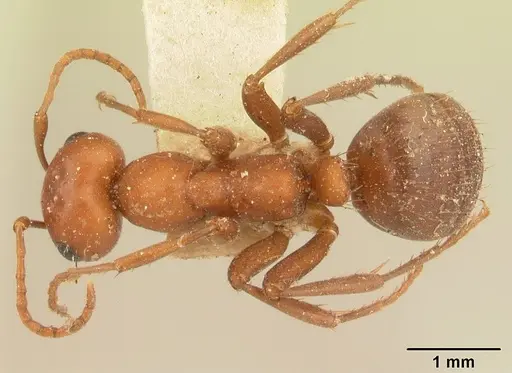
CASENT0281067
View on AntWeb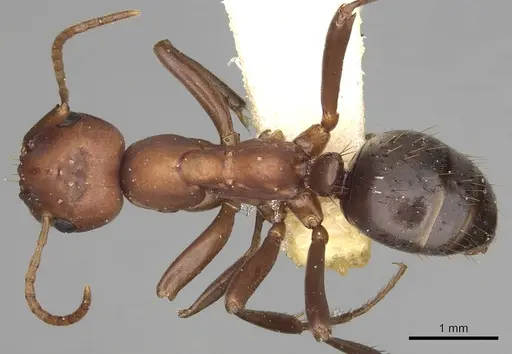
CASENT0281068
View on AntWeb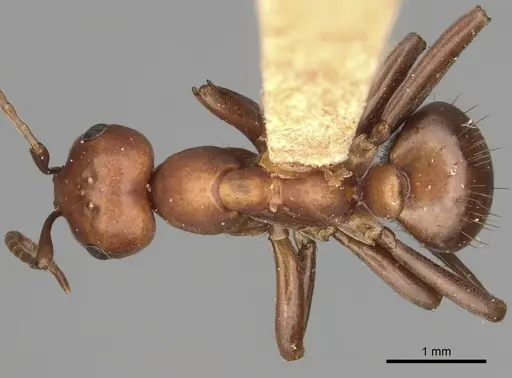
CASENT0740544
View on AntWeb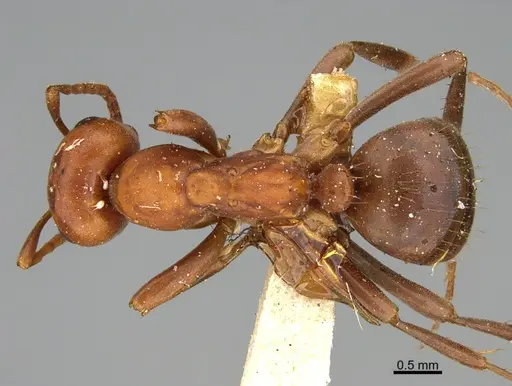
CASENT0911120
View on AntWeb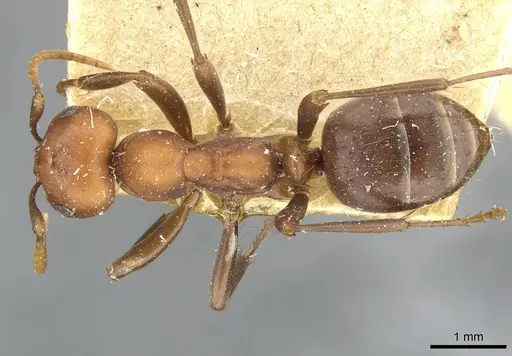
CASENT0912267
View on AntWeb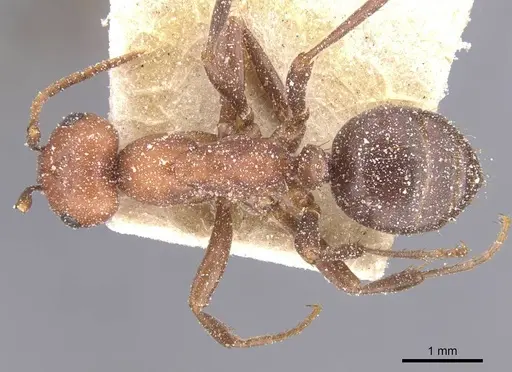
CASENT0915627
View on AntWeb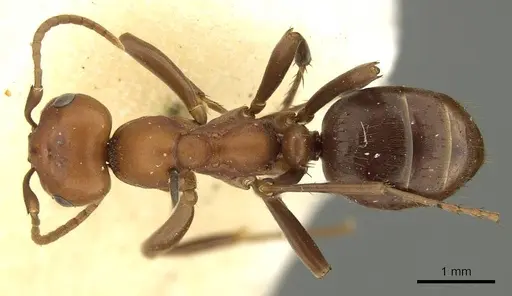
FOCOL2966
View on AntWeb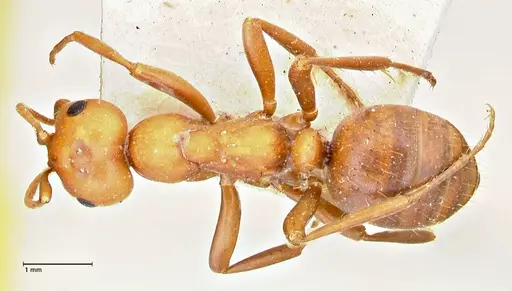
Literature
Loading distribution map...Loading products...