
Pogonomyrmex tenuispinus
- Sci. Name
- Pogonomyrmex tenuispinus
- Tribe
- Pogonomyrmecini
- Subfamily
- Myrmicinae
- Author
- Forel, 1914
- Distribution
- Found in 2 countries
Introduction
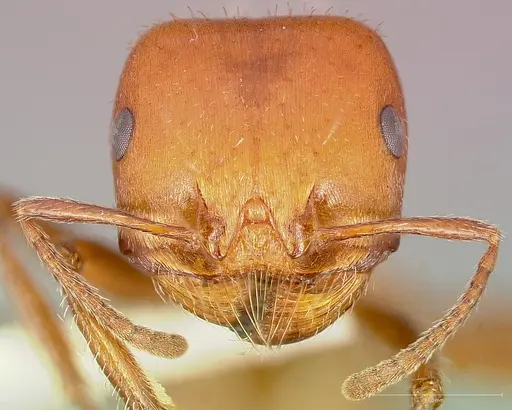
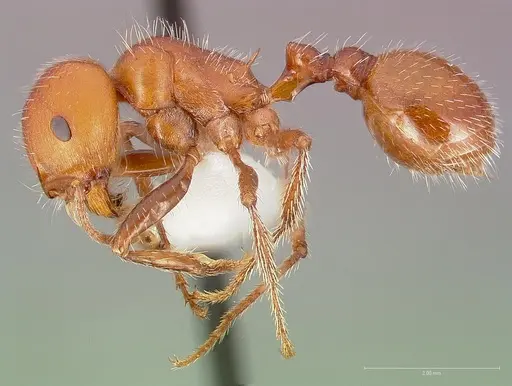
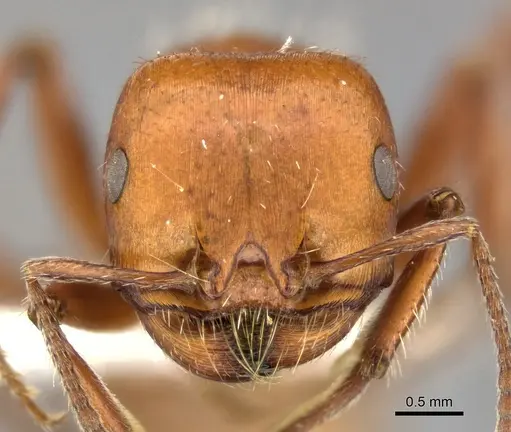
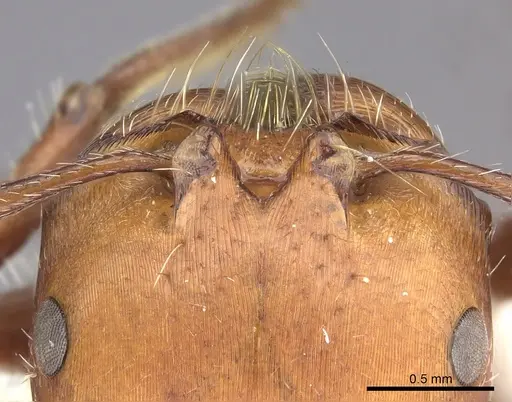
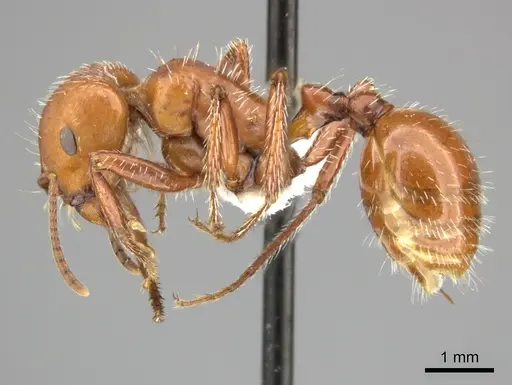
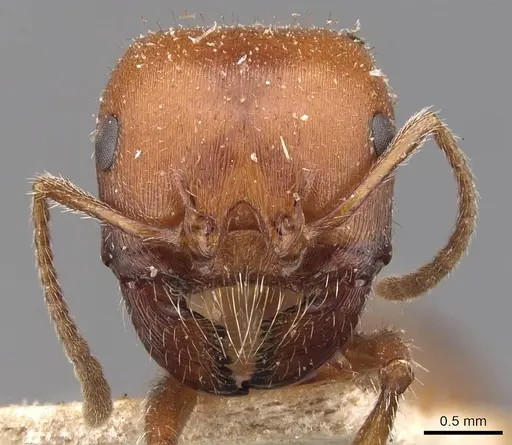
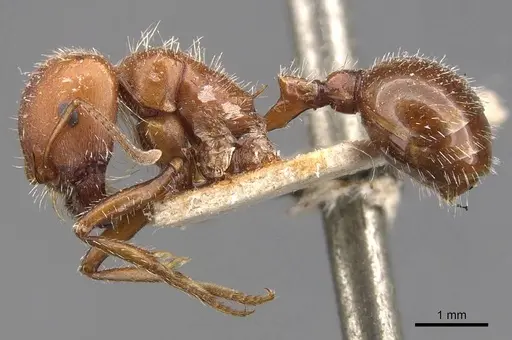
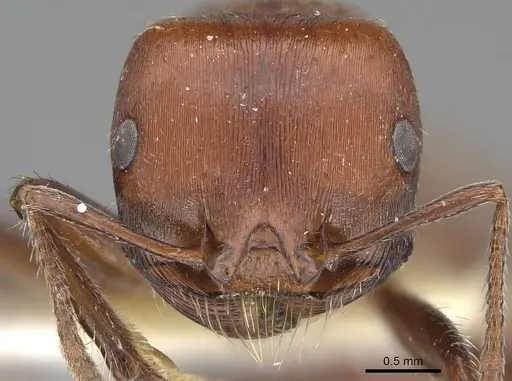
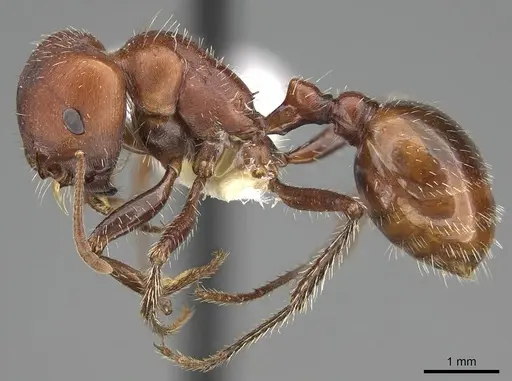
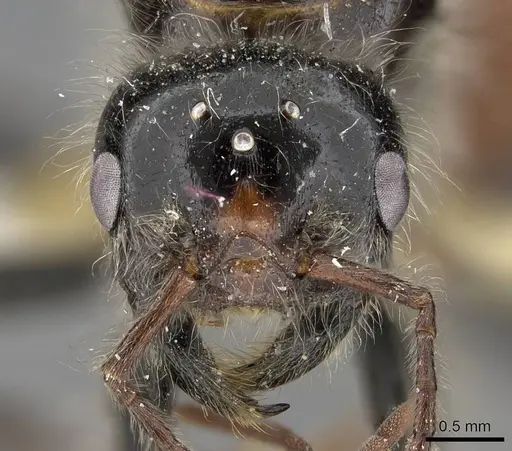
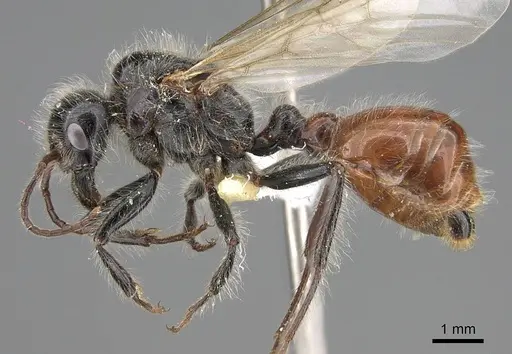
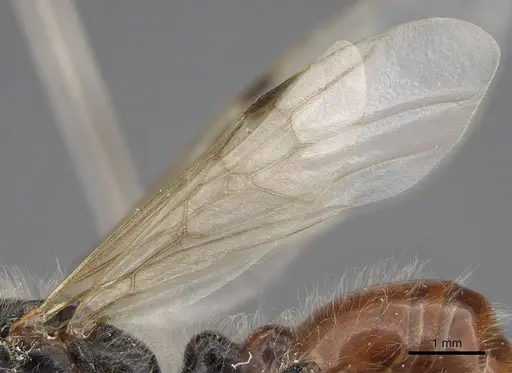
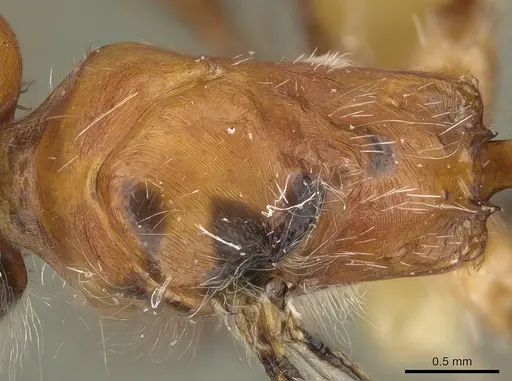
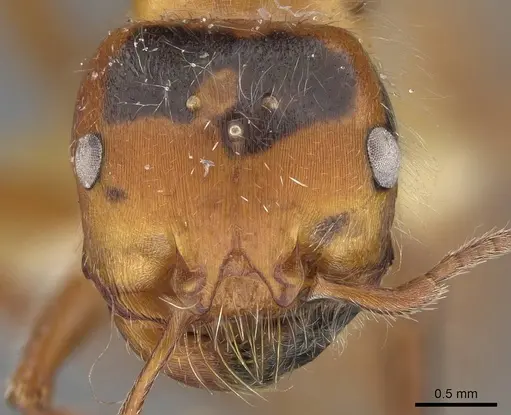
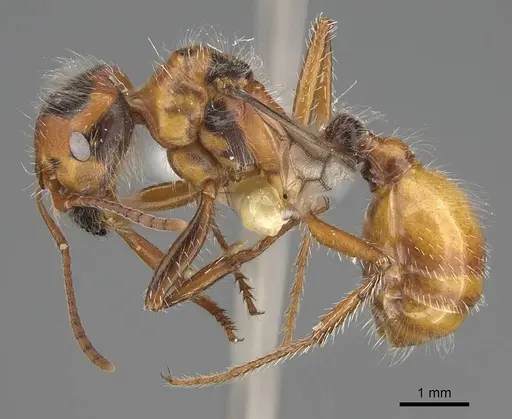
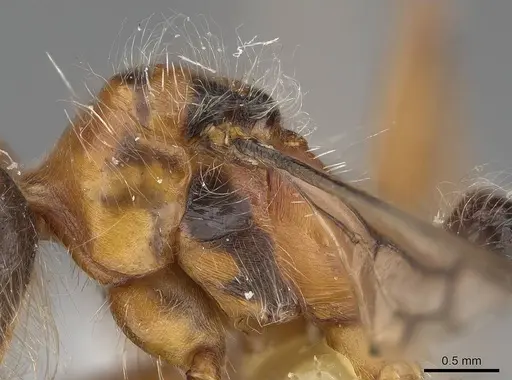
Pogonomyrmex tenuispinus is a small harvester ant native to the Baja California peninsula, coastal islands, and northwestern Mexico, including southern California and mainland Mexican states . Workers are light to medium ferrugineous red, but size data is unavailable as no total length measurements exist . The species is recognized by very fine, closely spaced cephalic rugulae . Queens are unknown in scientific collections, making this one of the more enigmatic Pogonomyrmex species .
Quick Summary
- Difficulty: Medium
- Origin & Habitat: Baja California peninsula, coastal islands, southern California, and mainland Mexican states. Inhabits desert rocky hillsides, sandy areas near arroyos, and soil-filled cracks in rocks [1][2][3].
- Colony Type: Unconfirmed, colony structure is not documented for this species.
- Size & Growth:
- Queen: Unknown, queens have not been collected [4]
- Worker: Size data unavailable, no total length measurements exist
- Colony: Unknown
- Growth: Unknown
- Development: Unknown, no specific data exists (Development timeline is unconfirmed for this species.)
- Antkeeping:
- Temperature: Keep warm, roughly 24-30°C, based on desert habitat [1].
- Humidity: Low to moderate, provide a dry nesting area with a moist section for brood [1].
- Diapause: Unknown, no information on diapause requirements [1].
- Nesting: In nature, they nest in soil-filled cracks in rocks and sandy areas near arroyos. In captivity, use dry, well-drained setups like Y-tong nests with sandy substrate [1].
- Behavior: Workers are moderately aggressive and have a painful sting. They form trunk trails for foraging [5]. Escape risk is moderate, standard prevention with fluon is sufficient.
- Common Issues: queen acquisition is difficult, this species is rarely collected, poor growth documentation makes it hard to monitor development, desert species are sensitive to overwatering, too much moisture can kill them, lack of species-specific care information means extrapolating from related species
Housing and Nest Setup
Pogonomyrmex tenuispinus is a desert-dwelling species that prefers dry, well-drained nesting conditions. In the wild, they nest in soil-filled cracks in rocks and in sandy areas near dry riverbeds [1]. For captivity, use a Y-tong nest with a sand chamber or a naturalistic setup with sandy substrate. The key is drainage, water should not pool in the nest. Provide a small water tube for drinking, but the nest itself should stay relatively dry. These ants nest in the ground and need floor space more than vertical height [1].
Feeding and Diet
As harvester ants, Pogonomyrmex tenuispinus primarily collects and eats seeds. In captivity, offer a variety of grass seeds, millet, chia, and other small seeds. They also accept protein sources like mealworms and crickets. The foraging strategy involves established trunk trails [5], so once they find a food source, they'll return to it. Remove uneaten seeds and prey to prevent mold.
Temperature and Seasonal Care
This species comes from warm desert regions, so they prefer temperatures around 24-30°C [1]. A heating cable on one side of the nest creates a gradient they can use to regulate. Diapause requirements are unknown, no information exists for this species [1].
Finding and Acquiring This Species
Pogonomyrmex tenuispinus is one of the rarest Pogonomyrmex species in the antkeeping hobby. It has rarely been collected in the wild, and queens have never been scientifically described [4]. Your best options are searching in Baja California during summer nuptial flights or purchasing from specialized dealers. Identification can be tricky, the fine cephalic rugulae help distinguish workers [1].
Behavior and Defense
Pogonomyrmex ants are well-known for their painful sting, and P. tenuispinus is no exception. Workers are moderately aggressive and will defend their nest vigorously [5]. They establish defined foraging trails and are diurnal, most active during warmer daylight hours [5].
Growth Expectations and Patience
Because this species is so rarely kept, there is no established growth timeline for captive colonies. Based on related Pogonomyrmex species, development may take several weeks at warm temperatures, but this is unconfirmed for P. tenuispinus. Early-stage colonies grow slowly, and full growth may take years under good conditions. Keep detailed notes on your colony's progress.
Frequently Asked Questions
How do I find Pogonomyrmex tenuispinus queens?
This is extremely difficult, P. tenuispinus is one of the rarest Pogonomyrmex species and queens have never been scientifically described [4]. Your best chance is searching in Baja California during summer nuptial flights, but this species is so rarely collected that it may not have established captive populations.
What do Pogonomyrmex tenuispinus ants eat?
Like other harvester ants, they primarily eat seeds, grass seeds, millet, chia, and similar small seeds work well. They also accept protein sources like mealworms and crickets [5].
What temperature do they need?
Keep them warm at roughly 24-30°C, based on their desert habitat [1].
How long does it take for eggs to become workers?
The exact timeline is unknown for this species. No specific data exists on development [1].
Can I keep multiple queens together?
This has not been documented for this species. Most Pogonomyrmex are single-queen colonies, but it is unconfirmed for P. tenuispinus.
What is the best nest type for this species?
A dry, well-drained setup works best. Y-tong nests with a sand chamber or a naturalistic setup with sandy substrate are ideal [1].
Do they need hibernation?
Diapause requirements are unknown, no information exists for this species [1].
How big do colonies get?
The maximum colony size is unknown for this species.
Are Pogonomyrmex tenuispinus good for beginners?
No, this is not a recommended species for beginners. It is extremely difficult to acquire, poorly documented in captive care, and requires specific desert conditions [4].
Why is my colony not growing?
Without documented care guidelines, diagnosing problems is difficult. Check temperature, moisture, and food quality. Desert species are sensitive to overwatering.
Where does this species live in the wild?
Pogonomyrmex tenuispinus is found in the Baja California peninsula, from southern California's Colorado Desert south through Baja California to the Cape Region, nesting in rocky hillsides, sandy areas near arroyos, and soil-filled cracks in rocks [1][2].
Report an Issue
The current care sheet is based fully on literature. See inconsistencies, or something that's incorrect? Please , it will be resolved after review from an admin. Contributing to the blogs tab also helps providing information, to make us be able to further improve the caresheets. Thank you for your support!
References

This caresheet is licensed under CC BY-SA 4.0 .
Community Blogs
CASENT0005709
View on AntWeb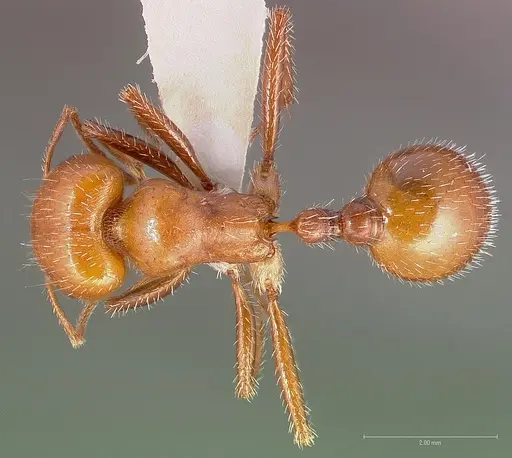
CASENT0235314
View on AntWeb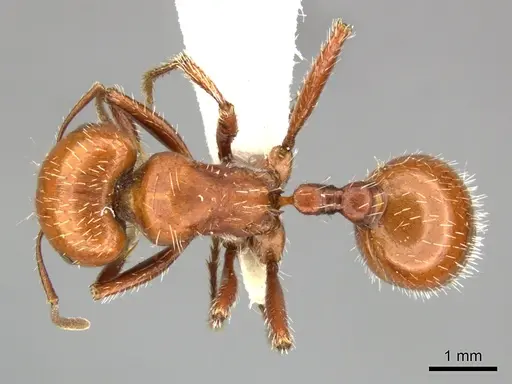
CASENT0907666
View on AntWeb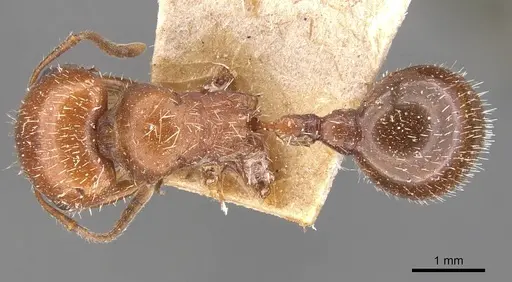
CASENT0914137
View on AntWeb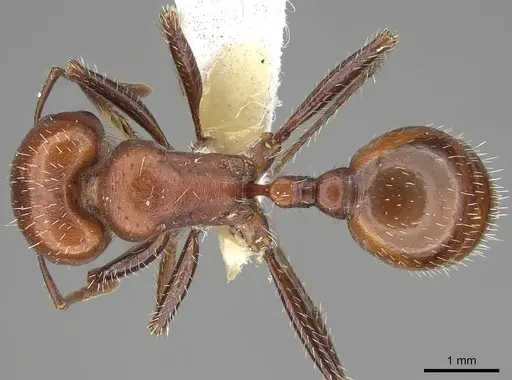
CASENT0914138
View on AntWeb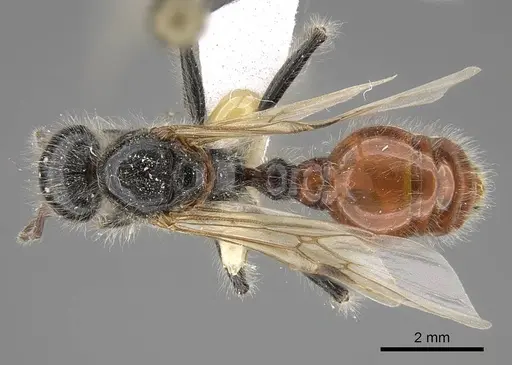
CASENT0914139
View on AntWeb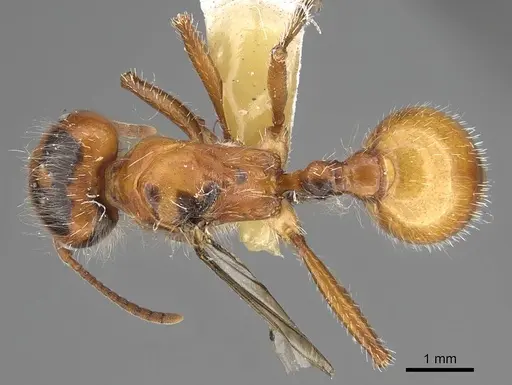
Literature
Loading distribution map...Loading products...