
Pogonomyrmex schmitti
- Sci. Name
- Pogonomyrmex schmitti
- Tribe
- Pogonomyrmecini
- Subfamily
- Myrmicinae
- Author
- Forel, 1901
- Distribution
- Found in 2 countries
Introduction
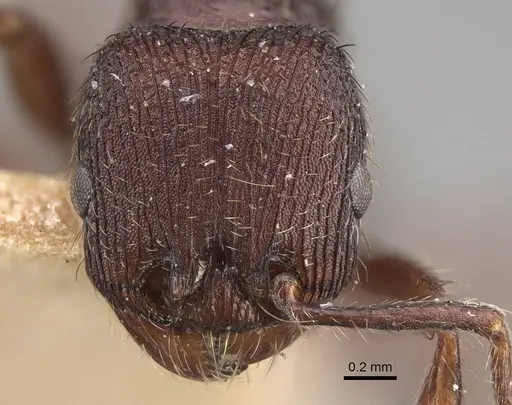
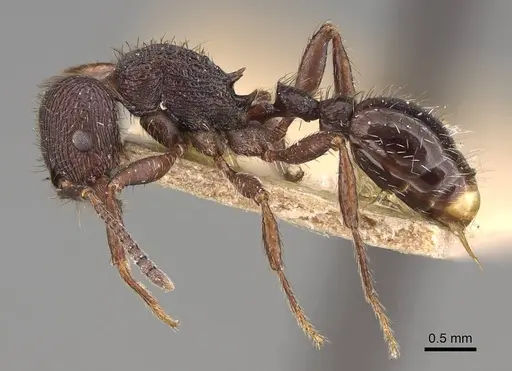
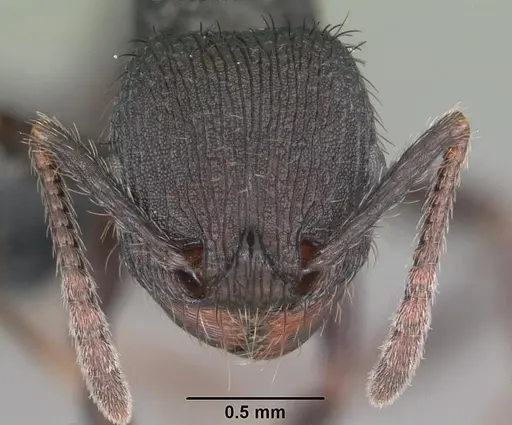
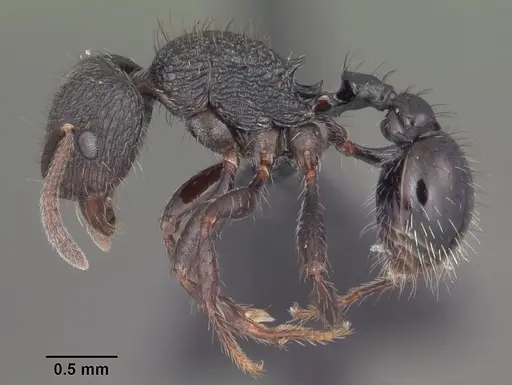
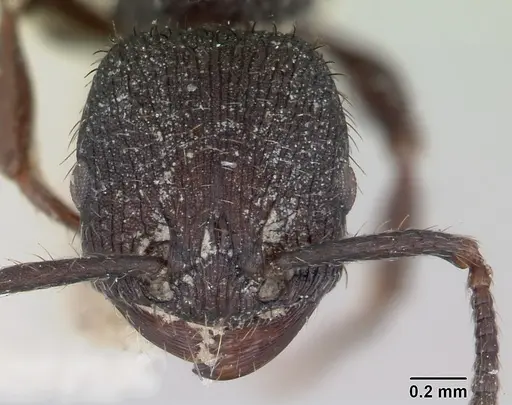
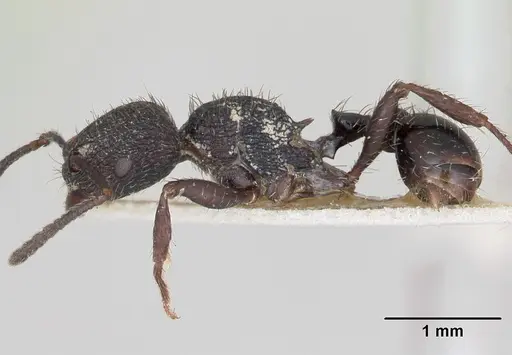
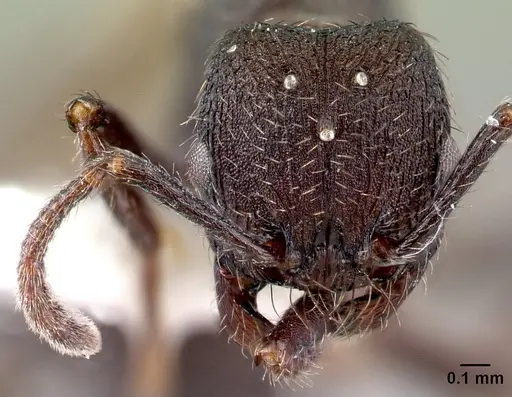
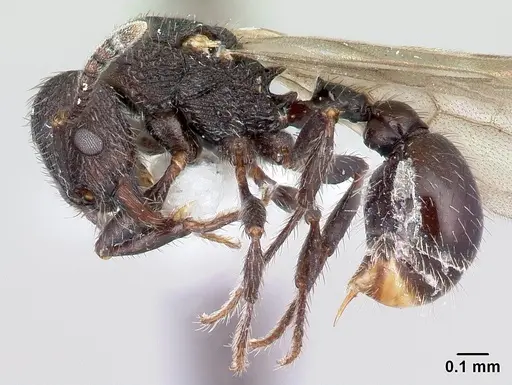
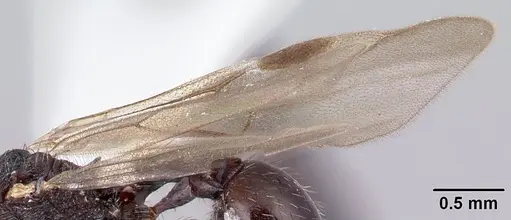
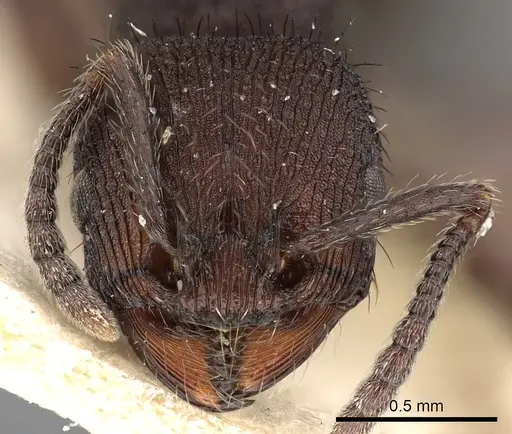
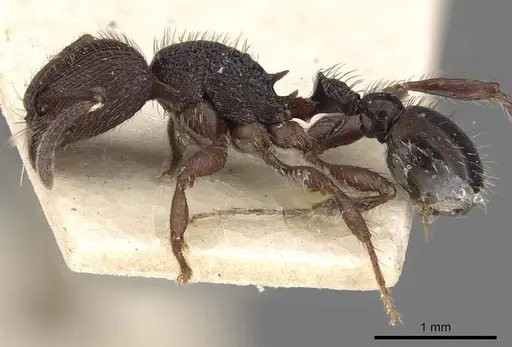
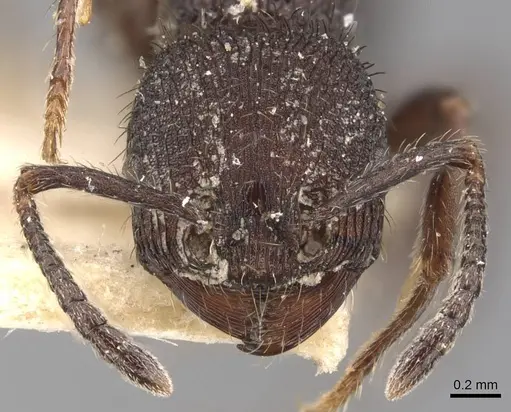
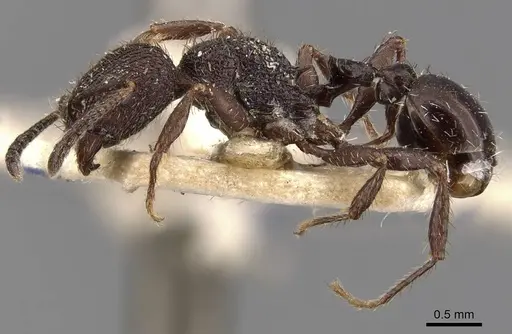
Pogonomyrmex schmitti is a tiny seed-harvesting ant endemic to Hispaniola (Dominican Republic and Haiti). Workers are 3.5-4 mm long, making them one of the smallest Pogonomyrmex species. Queens are also tiny, just 5.5 mm, barely larger than workers . They have a dark body with reddish legs, mandibles, and sometimes the petiole. The upper body has a rough, wrinkle-like texture, and the petiole node is broadly fan-shaped when viewed from above . This ant is the most widespread and most often collected Pogonomyrmex on Hispaniola. It lives from coastal areas up to about 1,200 m elevation in dry forests, semi-evergreen shrubs, and even urban places like the Santo Domingo Botanical Garden . Colonies are small, usually under 200 workers and often fewer than 50 . They are fast-moving foragers that collect both seeds and insects .
Quick Summary
- Difficulty: Medium
- Origin & Habitat: Endemic to Hispaniola (Dominican Republic and Haiti). Found from 20-1,219 m elevation, but most records are near the coast at 10-150 m. Lives in dry forests, coastal evergreen dry forest, secondary semi-evergreen shrub, and disturbed urban areas. Nests in the ground, often with a small crater mound, or under rocks [2][3][4].
- Colony Type: Unconfirmed, likely single-queen colonies based on typical Pogonomyrmex patterns. Colonies are small, typically under 200 workers and often fewer than 50 [2].
- Size & Growth:
- Queen: ~5.5 mm [1]
- Worker: ~3.5-4 mm [1]
- Colony: Up to 200 workers, typically fewer than 50 [2]
- Growth: Moderate
- Development: Not documented for this species. Based on other Pogonomyrmex, expect roughly 6-8 weeks at warm temperatures. (Development time is unknown because no specific study has been done. The estimate comes from related species.)
- Antkeeping:
- Temperature: Keep at 24-30°C. This tropical species comes from warm lowland areas. Use a heating cable on one side to create a gradient [2][3].
- Humidity: Low to moderate. These ants live in dry forests, so keep the nest substrate mostly dry with just a slightly moist area. Provide a shallow water dish in the outworld. Overwatering can kill the colony [2][3].
- Diapause: No. As a tropical species from Hispaniola, they stay active all year and do not need a cooling period [3].
- Nesting: Use Y-tong (AAC), plaster, or naturalistic soil nests. They naturally nest in the ground with small crater entrances or under rocks. Keep the nest chambers tight and on the drier side [2][3][1].
- Behavior: Workers are very fast and difficult to catch [1]. They are defensive and will sting if handled. The sting is surprisingly potent for such a small ant [1]. They collect seeds and also hunt small insects. Because they are small (3.5-4 mm) and quick, they can squeeze through tiny gaps, so secure all connections. They are not climbers but are active foragers [2][3].
- Common Issues: small colony size – growth will be slow, don't expect a big colony., cold kills – as a tropical species, they need warm conditions year-round (above 24°C)., escape risk – their small size and speed mean they can slip through very narrow gaps. Use tight barriers and check connections often., overwatering – they come from dry habitats, too much moisture can lead to mold and death., sting – handle with care, especially during maintenance.
Housing and Nest Setup
Pogonomyrmex schmitti is a tiny ant that does well in Y-tong (AAC) nests because the chambers can be made small enough. Plaster nests also work if you keep them on the drier side. A naturalistic setup with a soil chamber mimics how they nest in the wild – under rocks or in the ground with a small crater entrance [2][3]. For founding colonies, use a test tube setup with a water reservoir. Move them to a small formicarium once you have around 20 workers. Because the workers are only 3.5-4 mm, they can escape through very small gaps. Apply a fluon barrier to the edges of the outworld and nest, and check that all connections are tight [1].
Feeding and Diet
Like other Pogonomyrmex, this species is a seed harvester. Offer a variety of small seeds such as grass seeds, millet, or birdseed. They also need protein – they actively hunt small insects. Try fruit flies, pinhead crickets, or pieces of mealworm. Provide protein regularly for brood development. They may also take sugar water, but it is not essential. Remove uneaten prey after 24-48 hours to prevent mold. Feed every 2-3 days, adjusting amounts based on how quickly the colony consumes the food [2][3][1].
Temperature and Heating
This ant comes from the warm lowlands of Hispaniola. Keep the nest at 24-30°C – the warmer end around 28°C is best for brood development. Use a heating cable or mat on one side of the nest to create a temperature gradient so workers can move to their preferred spot. Monitor with a thermometer. They do not need any cooling period for hibernation [2][3].
Humidity and Water
Pogonomyrmex schmitti lives in dry forests, so keep the nest mostly dry. The substrate should be only slightly moist in one area, not wet. Provide a shallow water dish in the outworld for drinking. Overwatering will cause mold and can kill the colony. They get much of their moisture from food, so a small water source is enough [2][3].
Colony Development
Colonies stay small – usually under 200 workers and often under 50. The queen is unusually small, about the same size as workers, which is rare among Pogonomyrmex [2]. Development time from egg to worker has not been studied for this species, but based on related ants, expect roughly 6-8 weeks at optimal temperature (28°C). Growth will be slow because the colony stays small. Be patient during founding – it can take months for the first workers to appear [2].
Behavior and Temperament
These ants are fast and defensive. They will sting if you disturb the nest, and the sting is potent despite their small size [1]. They collect seeds and also hunt insects. Foragers move quickly across the outworld. Because they are small, they can squeeze through narrow gaps, so escape prevention is important. They are not good climbers but will find any weak spot. Always use a fluon or talc barrier [2][3][1].
Frequently Asked Questions
How long does it take for Pogonomyrmex schmitti to produce first workers?
The exact time is unknown for this species. Based on other Pogonomyrmex kept at warm temperatures (around 28°C), expect about 6-8 weeks from egg to worker. Founding can be slow, so be patient.
Can I keep multiple Pogonomyrmex schmitti queens together?
It is not recommended. The social structure for this species has not been studied in detail, but most Pogonomyrmex are monogyne (single queen). Combining unrelated queens would likely lead to fighting. It is safest to keep only one queen per colony.
Do Pogonomyrmex schmitti ants sting?
Yes, they have a sting and it is considered potent for such a small ant. Handle with care during maintenance [1].
What do Pogonomyrmex schmitti eat?
They are seed harvesters that also eat insects. Offer a variety of small seeds (grass, millet, birdseed) and protein sources like fruit flies, pinhead crickets, or small mealworms. They may accept sugar water but it is not necessary [2][3].
How big do Pogonomyrmex schmitti colonies get?
Colonies remain small, typically under 200 workers and often fewer than 50. This is one of the smaller Pogonomyrmex species in terms of colony size [2].
Do Pogonomyrmex schmitti need hibernation?
No. They come from the tropical island of Hispaniola and are active year-round. Keep them warm at 24-30°C without any cooling period [3].
Are Pogonomyrmex schmitti good for beginners?
They are medium difficulty. Their small size, speed, and sting require some experience. The main challenges are keeping them warm and dry and preventing escapes. They are a rewarding species once established.
What is the best nest type for Pogonomyrmex schmitti?
Y-tong (AAC) nests work well because you can make small chambers. Plaster nests or naturalistic soil setups also work, but keep the nest on the drier side to match their dry forest habitat [2][3].
Why is my Pogonomyrmex schmitti colony dying?
Common causes include: too cold (keep above 24°C), too much moisture (they need dry conditions), overfeeding leading to mold, or stress from disturbance during founding. Check temperature and humidity first.
Where is Pogonomyrmex schmitti native to?
They are endemic to the island of Hispaniola – found only in the Dominican Republic and Haiti. They are the most widely distributed Pogonomyrmex species on the island [3][4].
Report an Issue
The current care sheet is based fully on literature. See inconsistencies, or something that's incorrect? Please , it will be resolved after review from an admin. Contributing to the blogs tab also helps providing information, to make us be able to further improve the caresheets. Thank you for your support!
References

This caresheet is licensed under CC BY-SA 4.0 .
Community Blogs
ANTWEB1008774
View on AntWeb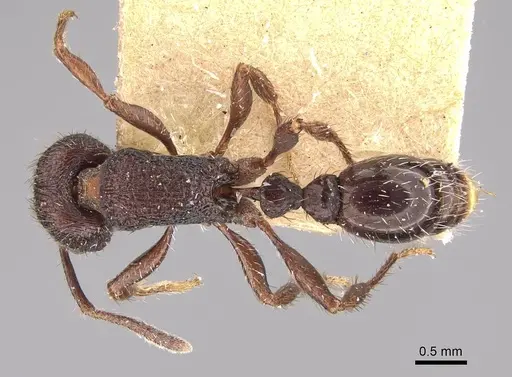
CASENT0103066
View on AntWeb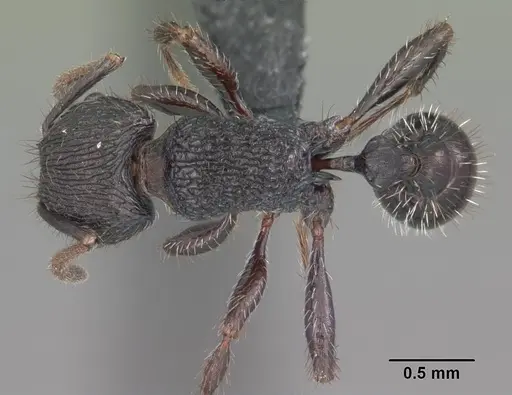
CASENT0173356
View on AntWeb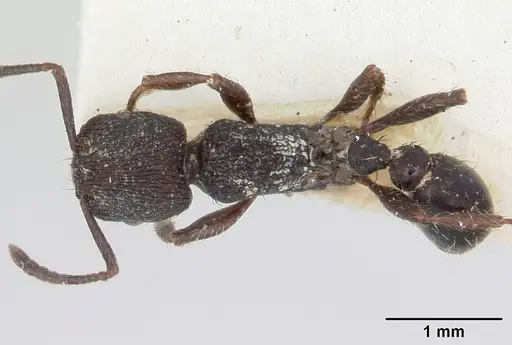
CASENT0217246
View on AntWeb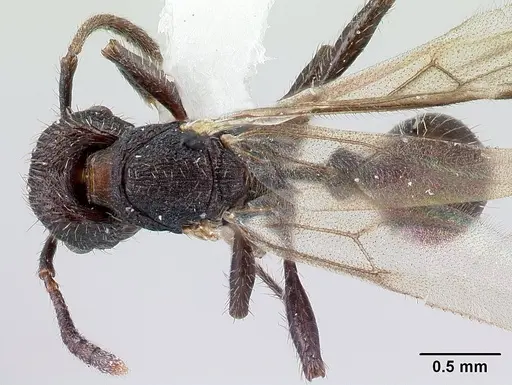
CASENT0900391
View on AntWeb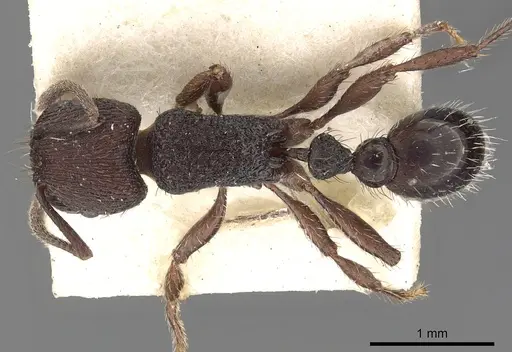
CASENT0907674
View on AntWeb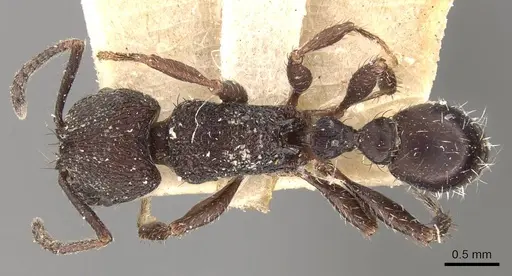
Literature
Loading distribution map...Loading products...