
Mountain Harvester Ant
Pogonomyrmex montanus
- Sci. Name
- Pogonomyrmex montanus
- Tribe
- Pogonomyrmecini
- Subfamily
- Myrmicinae
- Author
- MacKay, 1980
- Common Name
- Mountain Harvester Ant
- Distribution
- Found in 2 countries
Introduction
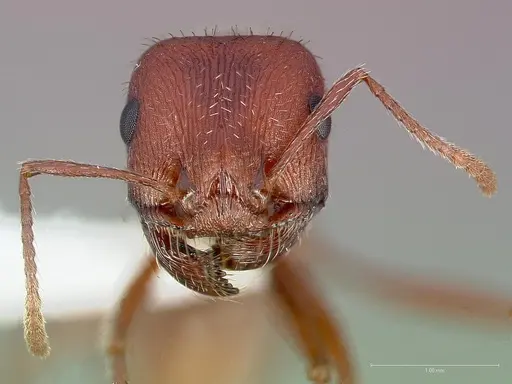
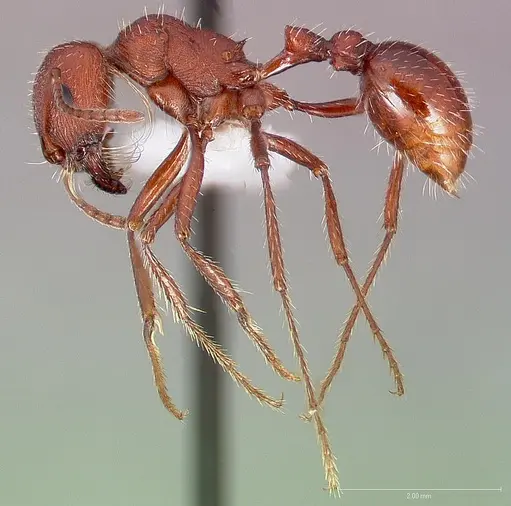
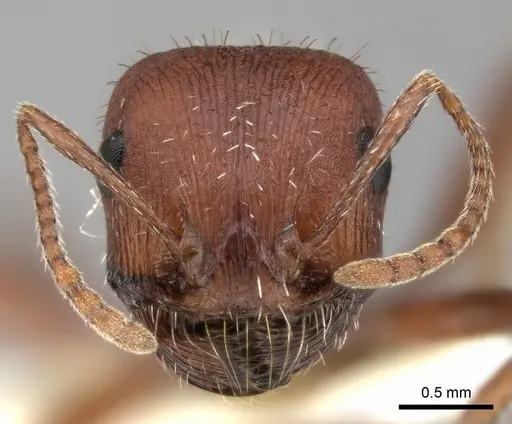
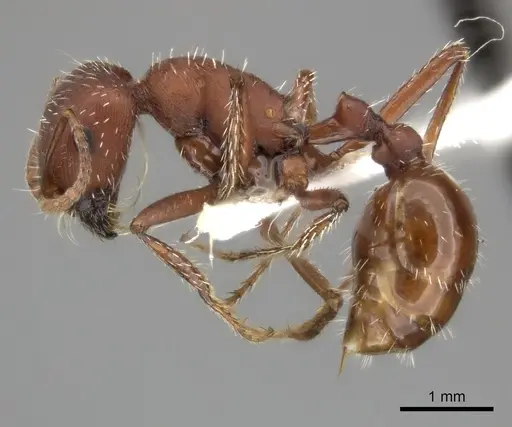
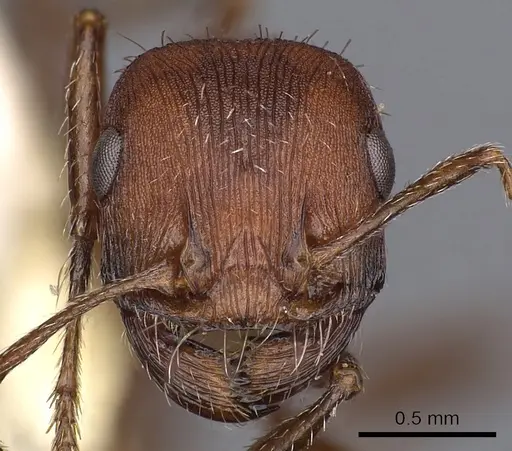
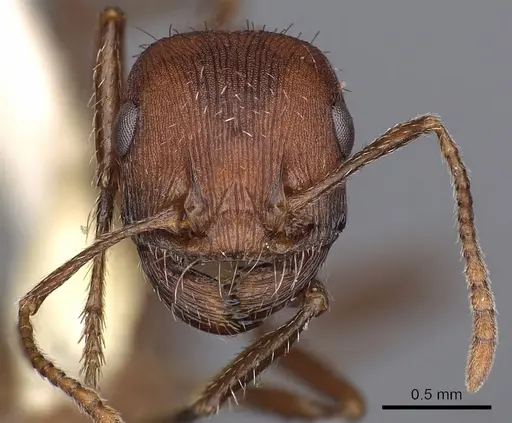
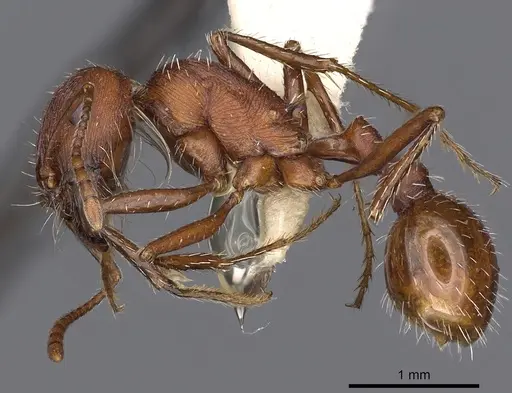
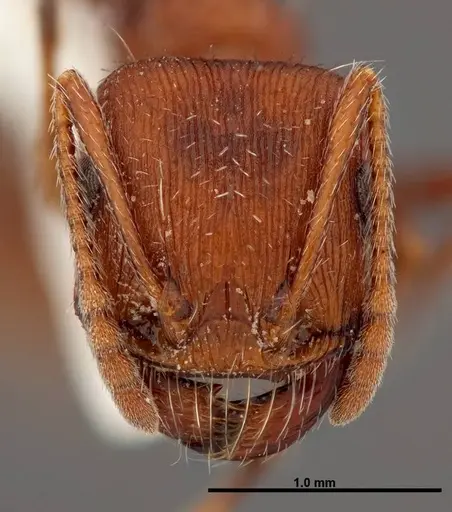
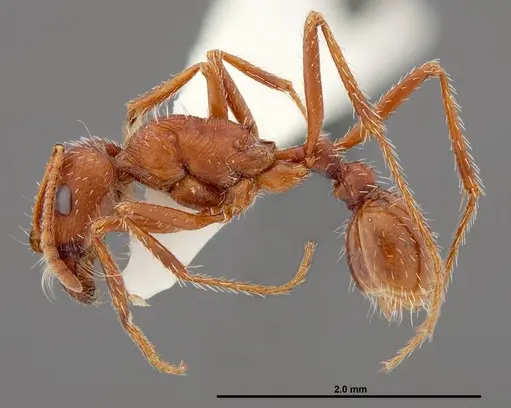
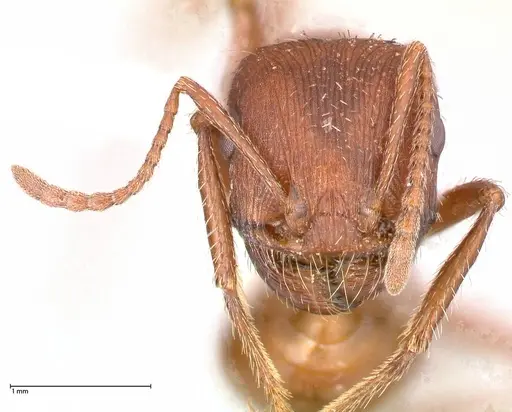
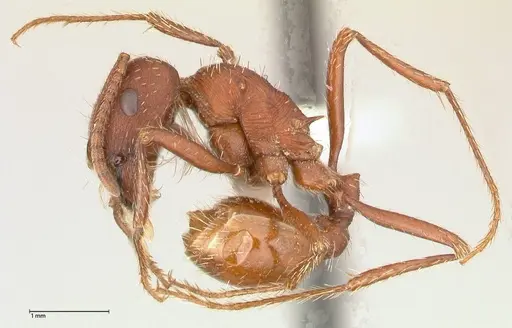
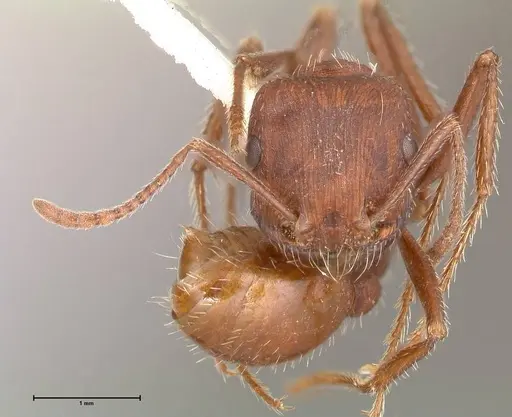
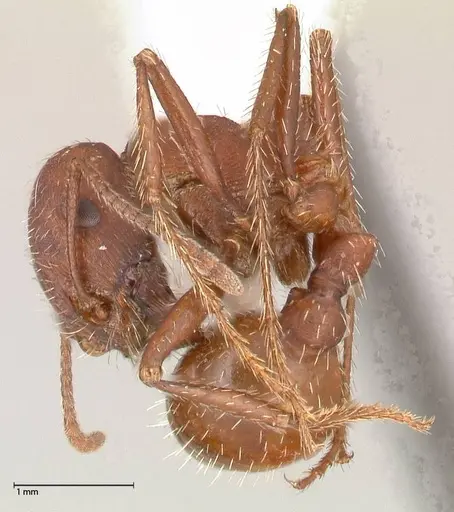
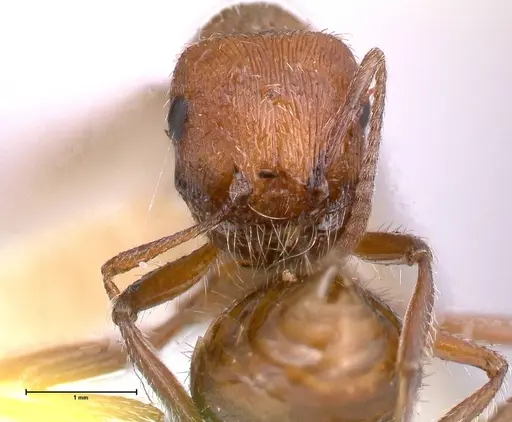
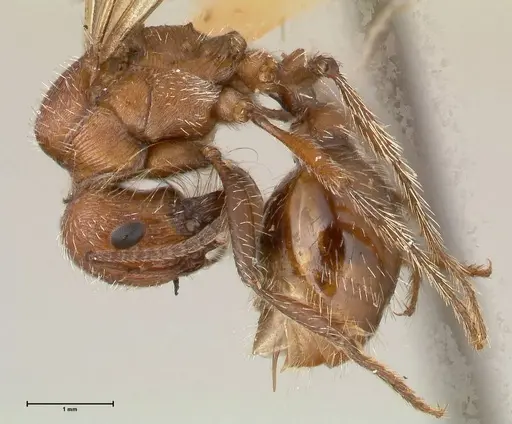
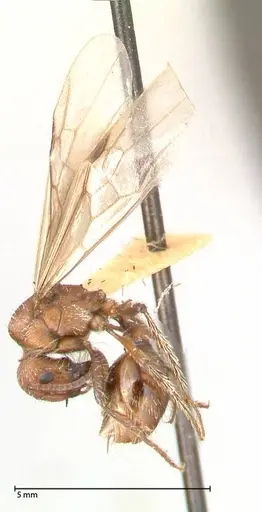
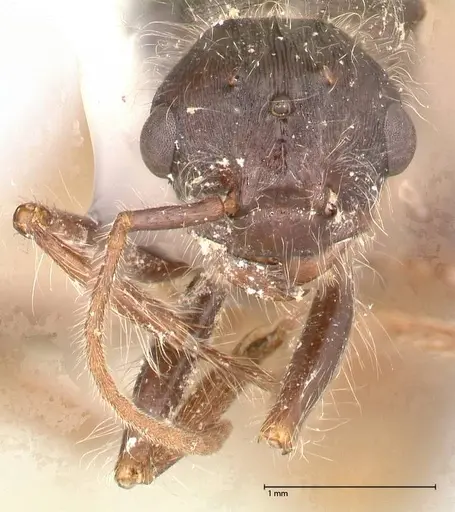
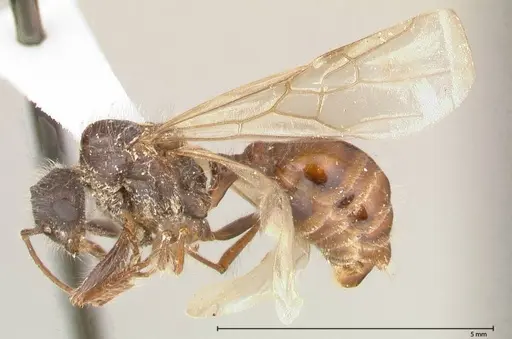
Pogonomyrmex montanus is a small harvester ant native to the mountains of southern California and Baja California, Mexico. Workers measure roughly 4-6mm and queens around 5-7mm - inferred from Pogonomyrmex genus patterns. They have a rusty reddish-brown body color, sometimes with a dark patch on the abdomen. This species belongs to the occidentalis group and is closely related to Pogonomyrmex salinus. You can distinguish them by their strongly ridged petiole and postpetiole nodes, and a prominent superior lobe on the scape . They live in sagebrush or manzanita clearings surrounded by pine forests at elevations between 1500 and 3000 meters . What makes this species stand out is its restricted mountain habitat. They forage solitarily with limited recruitment, meaning workers search for food alone rather than in large trails . They collect seeds but also harvest large numbers of insects . Unlike some harvester ants that store massive seed caches, Pogonomyrmex montanus stores very little to no seeds per worker .
Quick Summary
- Difficulty: Medium
- Origin & Habitat: Mountain clearings in pine forests of southern California and Baja California, Mexico, at 1500-3000m elevation [1]. They prefer sagebrush or manzanita clearings surrounded by pine forest [1].
- Colony Type: Single-queen colonies with polyandrous queens [5]. Workers are strongly polymorphic, meaning they come in distinct size classes [5].
- Size & Growth:
- Queen: ~5-7mm, inferred from Pogonomyrmex genus
- Worker: ~4-6mm, inferred from Pogonomyrmex genus
- Colony: Unknown, likely up to several hundred workers based on Pogonomyrmex patterns
- Growth: Moderate
- Development: Estimated 6-10 weeks at optimal temperature based on genus patterns (Development time is inferred from related Pogonomyrmex species. Higher elevation origin suggests they may develop slightly slower than lowland relatives.)
- Antkeeping:
- Temperature: Keep around 20-24°C. As a high-elevation species from mountain forests, they prefer cooler conditions than typical desert Pogonomyrmex. Avoid overheating.
- Humidity: Keep the nest substrate consistently moist but not waterlogged. Provide a humidity gradient with a small moist area and drier nesting chambers.
- Diapause: Yes, as a mountain species from temperate regions, they require a winter hibernation period. Reduce temperature to 10-15°C for 3-4 months during winter.
- Nesting: Y-tong (AAC) nests or plaster nests work well. They naturally nest in soil under stones or in clearings. Provide a nest chamber scaled to their small size with some vertical space for the queen's chamber.
- Behavior: These ants are relatively docile but will defend their nest vigorously. They have a potent sting for their size. Workers forage solitarily with limited recruitment, meaning they search for food alone rather than in large groups [2]. This makes them less aggressive in defense than some Pogonomyrmex. They are moderate escape artists, use standard barrier methods but they're not particularly prone to escaping like tiny species. They are seed harvesters but also actively hunt insects [2].
- Common Issues: high elevation species may not tolerate warm conditions, keep cool, solitary foraging means food discovery is slower, don't assume colony is starving if they ignore new food initially, potent sting despite small size, handle carefully, limited distribution in the wild means captive colonies may be harder to find, monogyne colonies mean you cannot divide the colony, start with a founding queen or established colony
Nest Preferences
In the wild, Pogonomyrmex montanus nests in soil under stones or in open clearings within pine forests at elevations of 1500-3000m. They prefer the cooler, more moderate conditions of mountain clearings rather than hot desert environments. For captivity, Y-tong (AAC) nests work well, as do plaster nests that allow for some humidity control. The chambers should be appropriately scaled to their small worker size. Provide a shallow foraging area where they can bring back seeds and insect prey. Attach a water tube for moisture, these ants do best with access to fresh water but don't require the high humidity that tropical species need. [1]
Feeding and Diet
Pogonomyrmex montanus is a seed harvester but also actively hunts insects [2]. They forage solitarily rather than in large groups, so they may take longer to discover food [2]. Offer a mix of seeds (grass seeds, millet, smaller bird seed) and protein sources like small crickets, mealworms, or other small insects. Unlike some Pogonomyrmex that store large quantities of seeds, this species appears to rely more on insect prey and stores very little to no seeds per worker [4]. Feed protein 2-3 times per week and keep seeds available constantly. Remove uneaten seeds periodically to prevent mold. They may not accept sugar water as readily as some ants, their diet is more focused on seeds and insects.
Temperature and Seasonal Care
As a high-elevation species from mountain forests in southern California, Pogonomyrmex montanus prefers cooler temperatures than typical desert Pogonomyrmex. Keep the nest at 20-24°C, room temperature is often ideal. Avoid placing them in direct sunlight or on heating mats, as overheating can be fatal. During winter, they require a hibernation period of 3-4 months at 10-15°C. This mimics their natural cycle in the mountains where temperatures drop significantly in winter. Reduce feeding during hibernation but keep water available. Return to normal temperatures gradually in spring to trigger resumed activity and egg-laying. Lipid content in related harvester ants peaks during cooler fall and winter months, suggesting they rely on seasonal fat storage [6].
Behavior and Defense
Workers forage individually rather than in coordinated groups [2]. This means they are less dramatic in their foraging displays but also less aggressive in defending food resources. However, they will vigorously defend their nest against intruders. Despite their small size, they have a potent sting, while not medically significant for healthy adults, it can be surprisingly painful [7]. Handle with care and avoid disturbing the nest unnecessarily. Workers are polymorphic, meaning they come in different sizes [5], which is typical for harvester ants and helps with division of labor. They are not particularly prone to escaping but standard barrier methods (Fluon, barrier tape) should still be used.
Colony Development
This is a monogyne species with a single queen per colony [5]. The queen is polyandrous, meaning she mates with multiple males during her nuptial flight, which increases genetic diversity in the colony [5]. Founding behavior is unconfirmed. First workers (nanitics) are typically smaller than mature workers. Growth rate is moderate, expect several months before you see significant worker numbers. As the colony grows, they will develop the polymorphic worker caste system typical of the genus. Maximum colony size is not documented but likely reaches up to several hundred workers based on related species.
Frequently Asked Questions
Is Pogonomyrmex montanus a good beginner ant?
This is a medium-difficulty species. They're harder to find than common ants like Lasius niger or Camponotus, and their high-elevation origins mean they need cooler temperatures and proper hibernation. If you have experience with other Pogonomyrmex or harvester ants, this is a rewarding species. For complete beginners, start with easier species first.
What do Pogonomyrmex montanus eat?
They are seed harvesters that also eat insects. Offer small seeds like millet or grass seeds, plus protein sources like small crickets, mealworms, or other insects. They forage solitarily so food discovery may be slower than with other ants.
How long does it take for first workers to appear?
Estimated 6-10 weeks from egg to worker at optimal temperature. This is inferred from related Pogonomyrmex species since specific development data for this species is not available. Higher elevation origin may mean slightly slower development.
Do Pogonomyrmex montanus need hibernation?
Yes, as a mountain species from temperate California, they require a winter rest period. Keep them at 10-15°C for 3-4 months during winter. This is essential for their health and seasonal cycle.
Can I keep multiple Pogonomyrmex montanus queens together?
No, this is a monogyne (single queen) species. Multiple unrelated queens will fight. Only keep one queen per colony.
What temperature should I keep Pogonomyrmex montanus at?
Keep them at 20-24°C, which is cooler than most Pogonomyrmex. Room temperature is often ideal. Avoid heating mats or direct sunlight, they come from high elevations and don't tolerate heat well.
How big do Pogonomyrmex montanus colonies get?
Colony size is not specifically documented, but based on related species, they likely reach up to several hundred workers. They have polymorphic workers (different sizes) which helps with division of labor.
Where is Pogonomyrmex montanus found in the wild?
This is a restricted species found only in mountain clearings of southern California and Baja California, Mexico, specifically the San Bernardino, San Jacinto, and San Gabriel Mountains at elevations of 1500-3000m.
When do Pogonomyrmex montanus have nuptial flights?
Nuptial flight timing is not specifically documented. Based on related species and their mountain habitat, flights likely occur in late summer to early fall. Males are produced in two size classes (dimorphic) according to the original description.
Are Pogonomyrmex montanus aggressive?
They are not particularly aggressive toward humans outside their nest, but they will defend their colony vigorously if threatened. Their sting is their main defense. They forage solitarily rather than in aggressive groups.
What size nest should I use for Pogonomyrmex montanus?
Use a small to medium-sized nest scaled to their tiny worker size. Y-tong (AAC) nests or plaster nests work well. They need appropriately sized chambers and tunnels. A test tube setup can work for founding colonies.
Report an Issue
The current care sheet is based fully on literature. See inconsistencies, or something that's incorrect? Please , it will be resolved after review from an admin. Contributing to the blogs tab also helps providing information, to make us be able to further improve the caresheets. Thank you for your support!
References

This caresheet is licensed under CC BY-SA 4.0 .
Community Blogs
CASENT0005717
View on AntWeb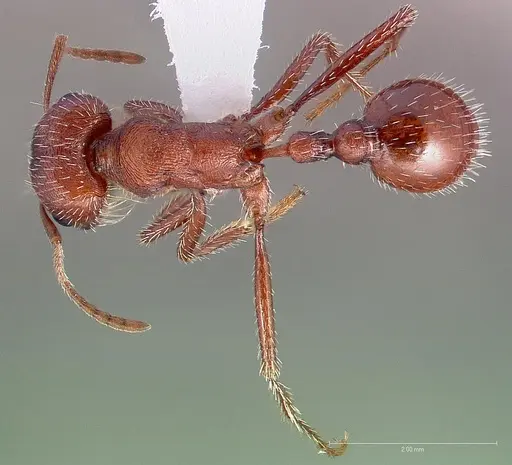
CASENT0235324
View on AntWeb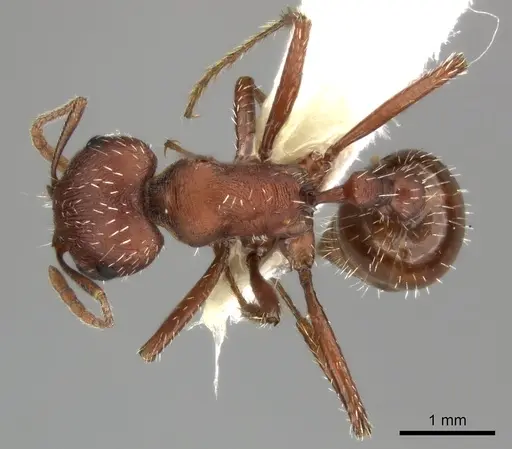
CASENT0900378
View on AntWeb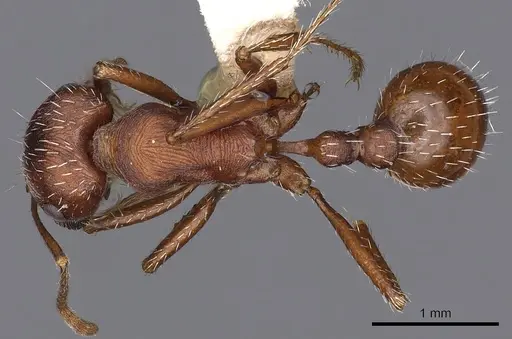
FMNHINS0000049596
View on AntWeb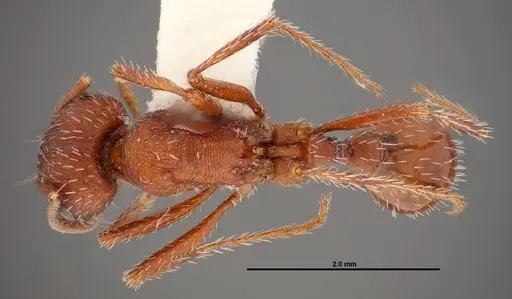
FOCOL0603-1
View on AntWeb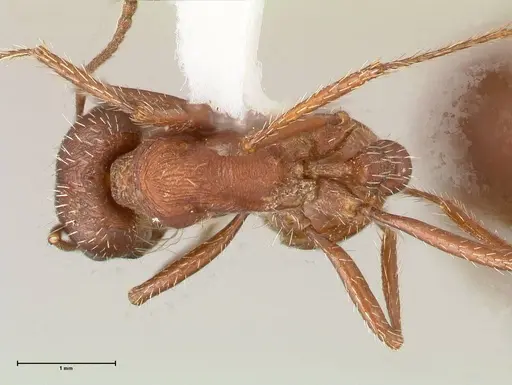
FOCOL0603-2
View on AntWeb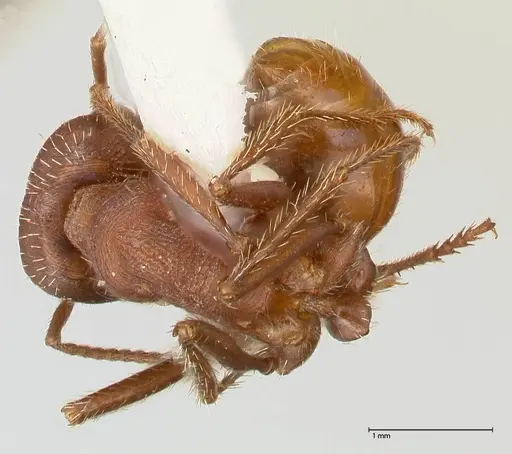
FOCOL0604
View on AntWeb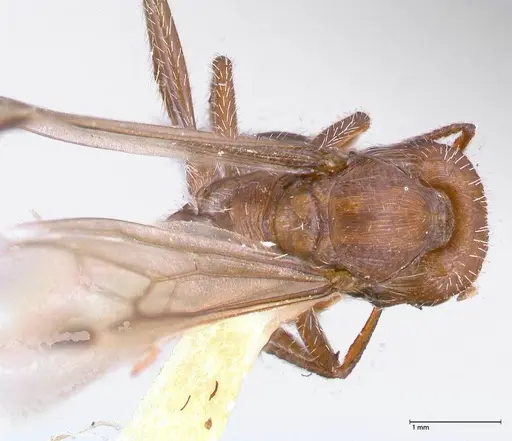
FOCOL0605
View on AntWeb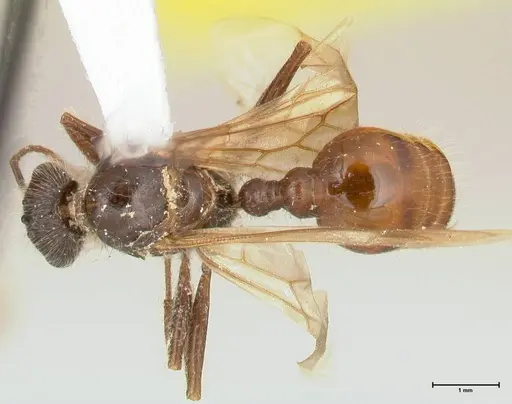
Literature
Loading distribution map...Loading products...