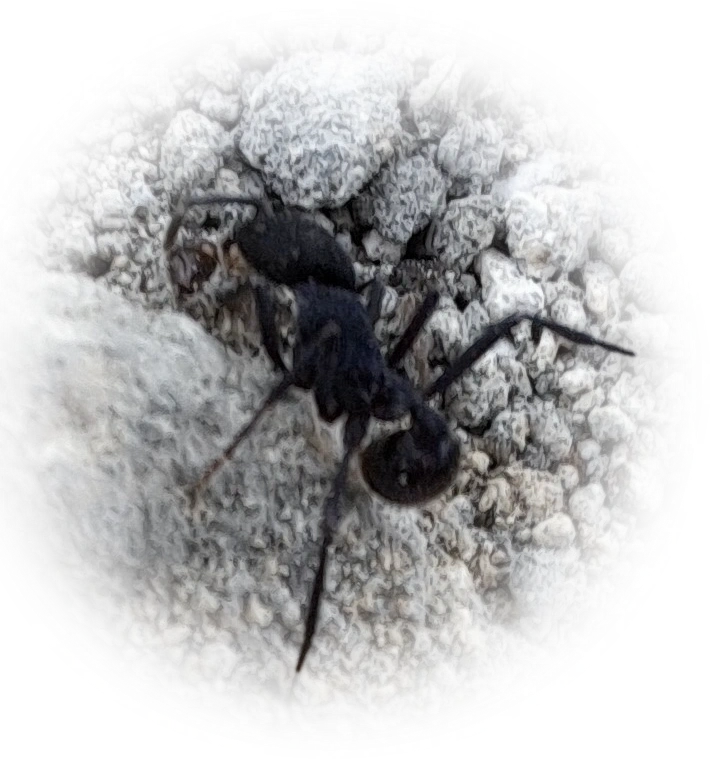
Pogonomyrmex mayri
- Sci. Name
- Pogonomyrmex mayri
- Tribe
- Pogonomyrmecini
- Subfamily
- Myrmicinae
- Author
- Forel, 1899
- Distribution
- Found in 1 countries
Introduction
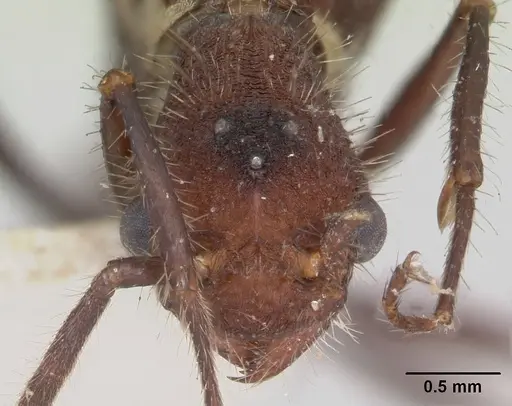
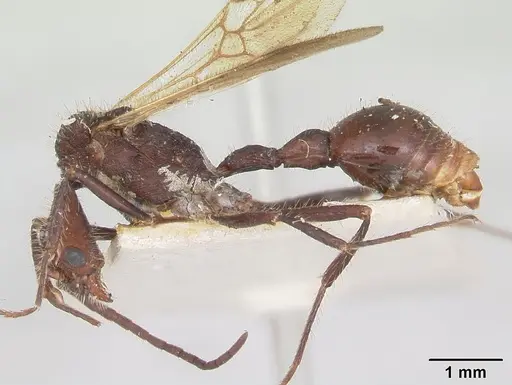
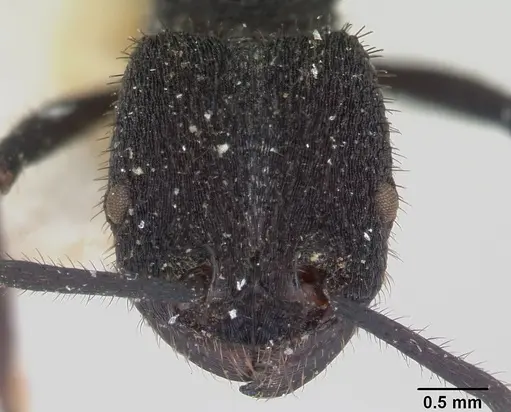
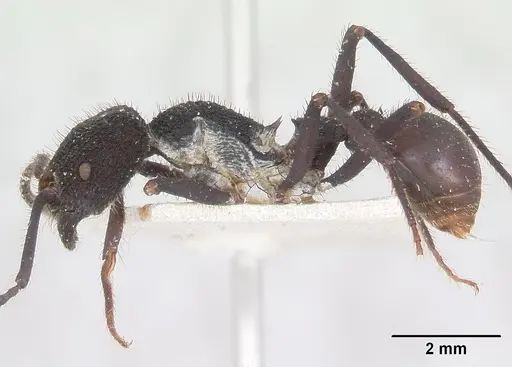
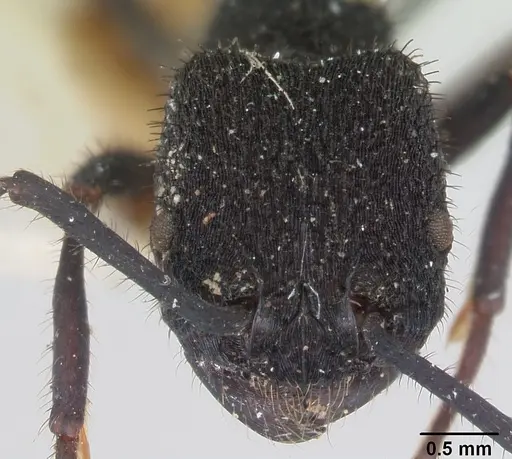
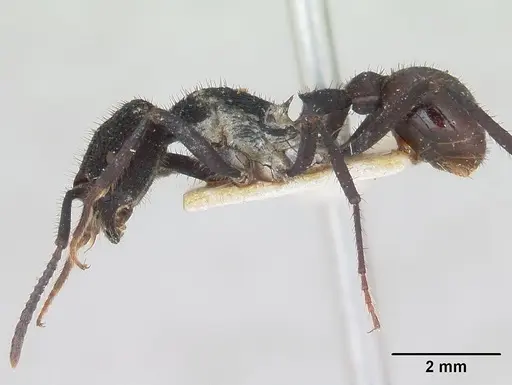
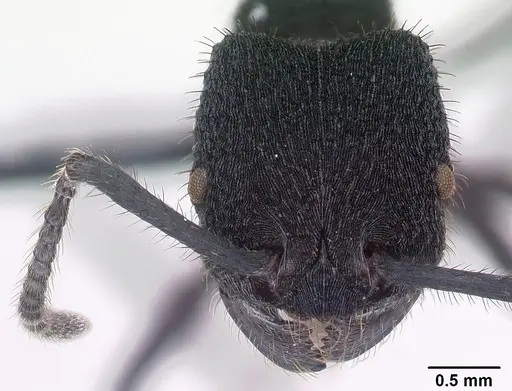
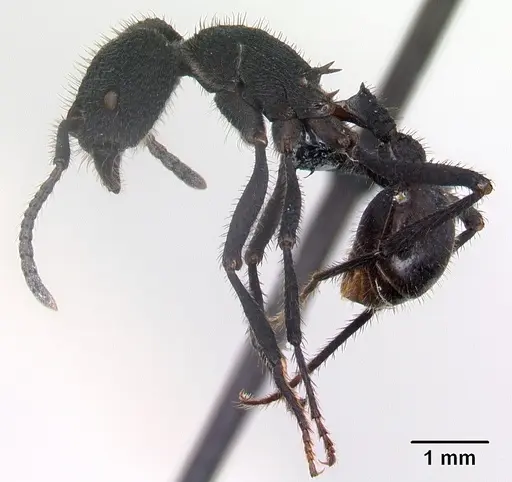
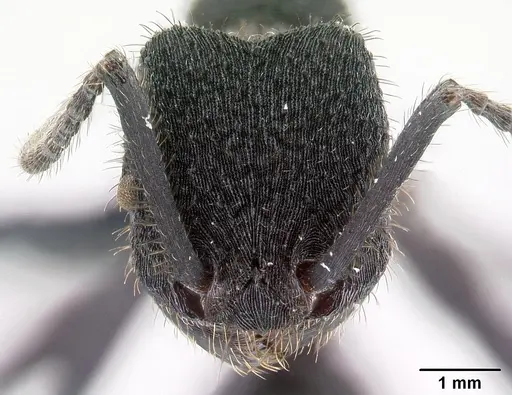
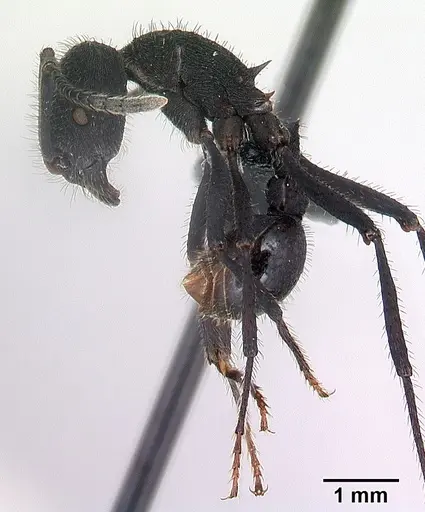
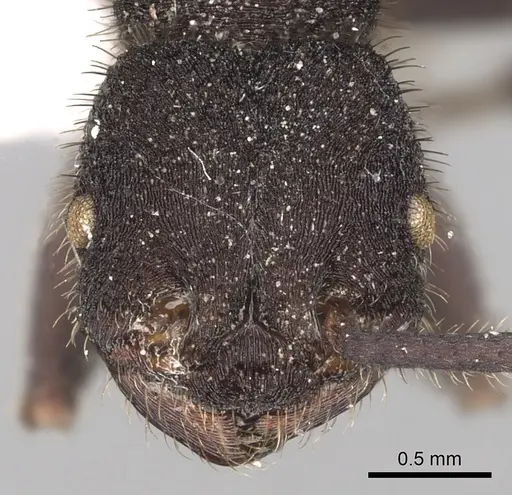
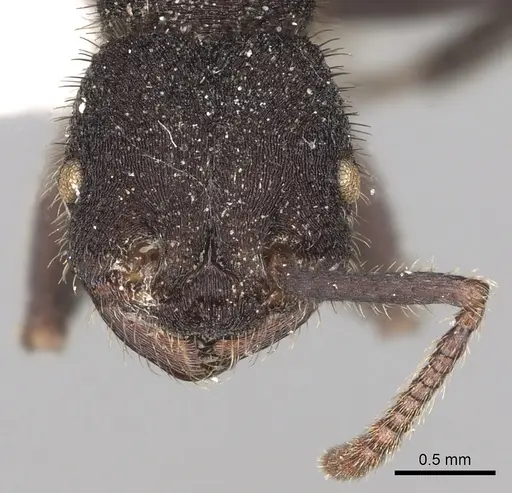
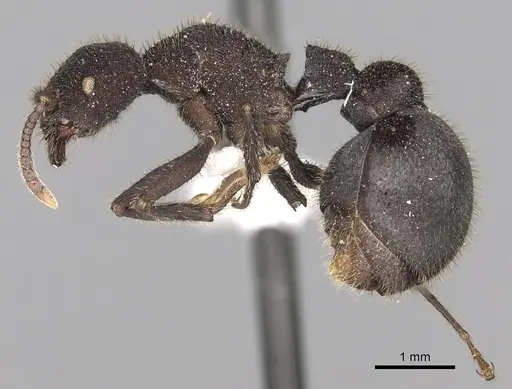
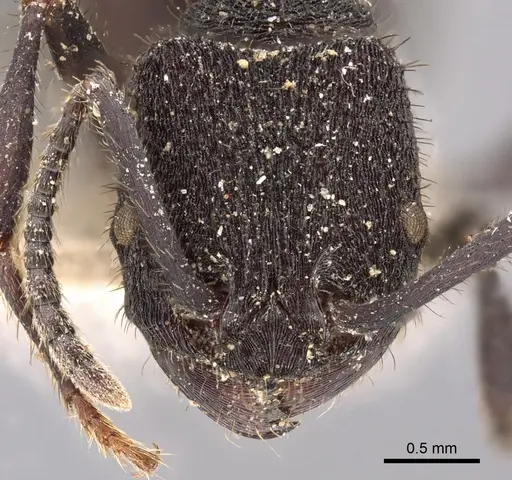
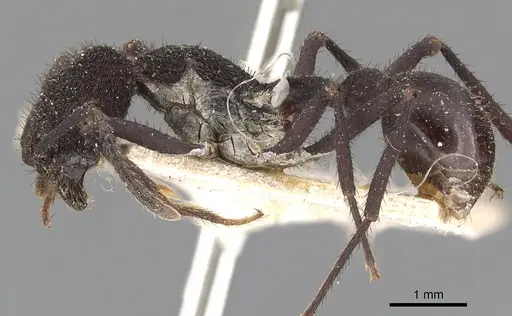
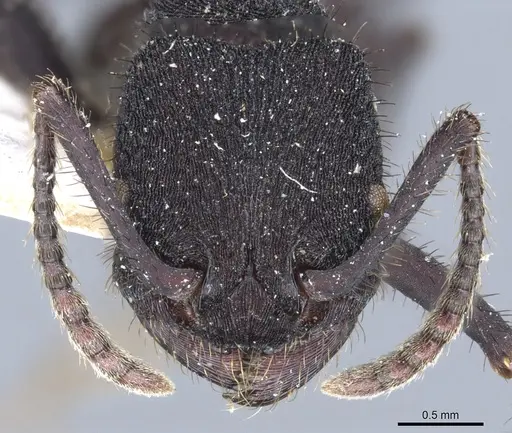
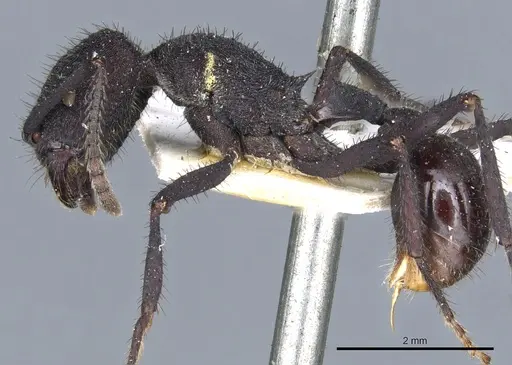
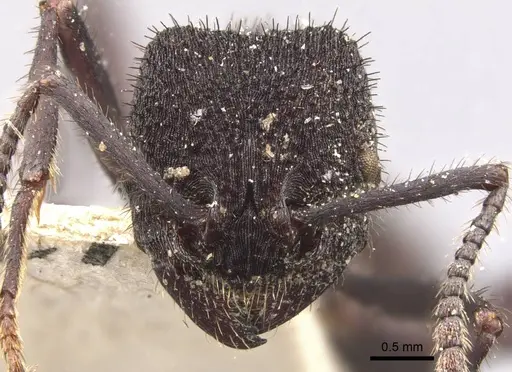
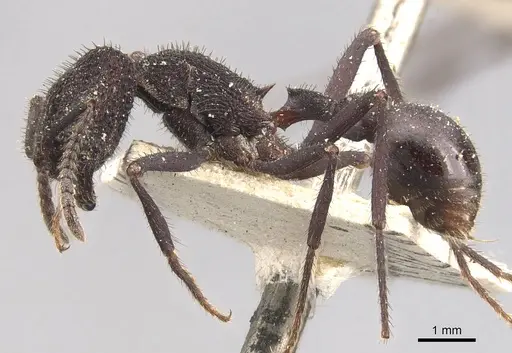
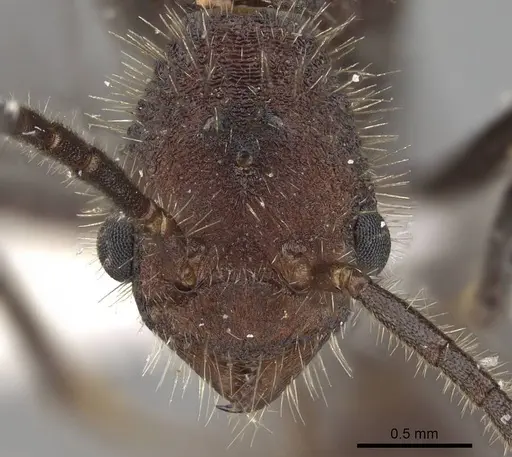
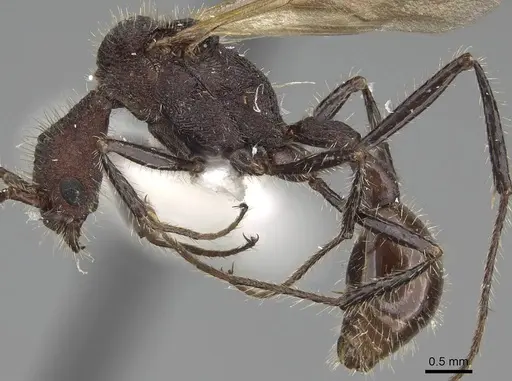
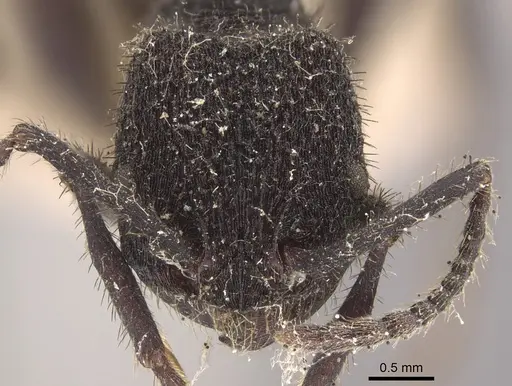
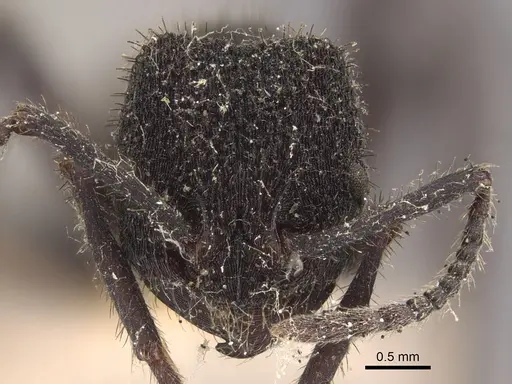
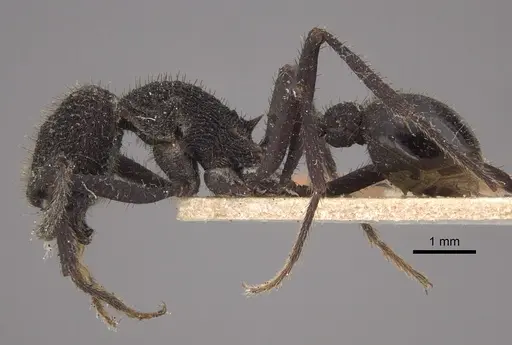
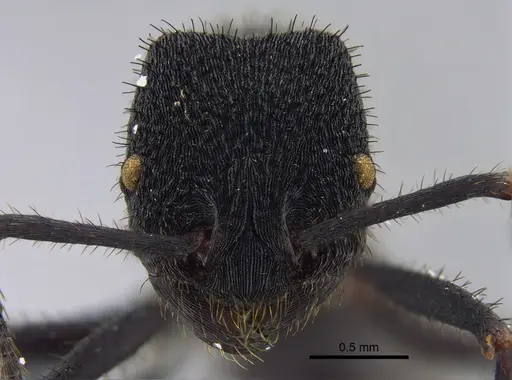
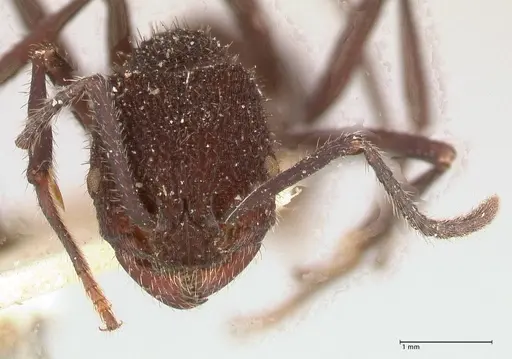
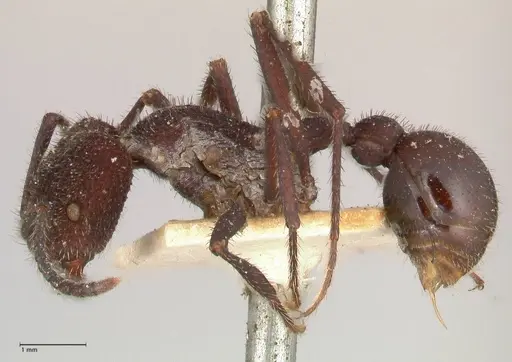
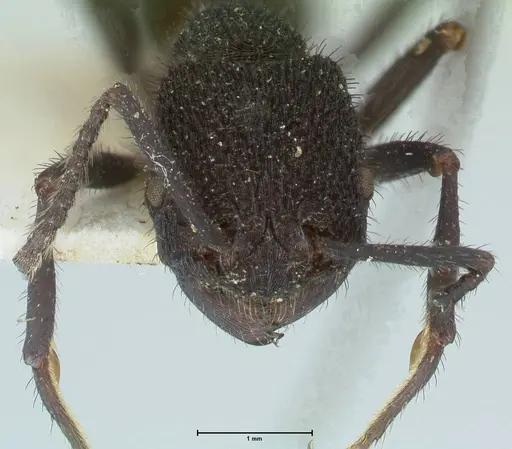
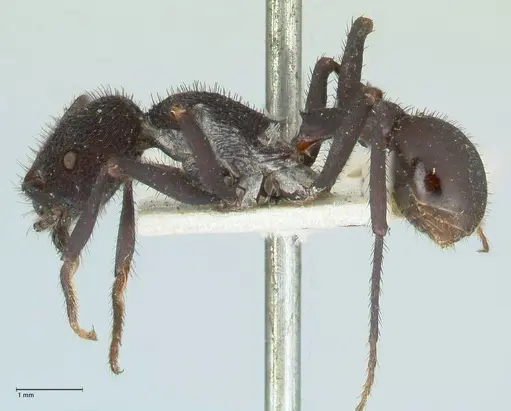
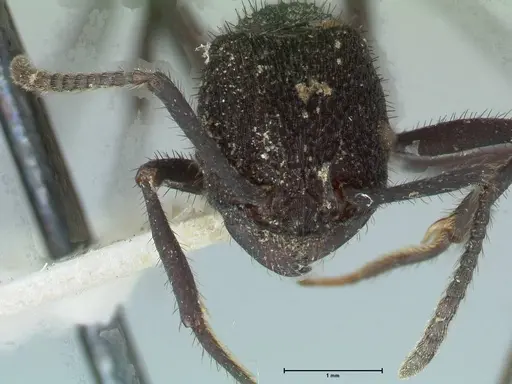
Pogonomyrmex mayri is a seed-harvester ant native only to northeastern Colombia, where it lives in desert and dry deciduous forest habitats mostly below 200 m elevation . Workers are small, with a dark reddish-brown to brownish-black body covered in coarse striated sculpture, long propodeal spines, and fine striae on the first gastral segment . This species is phylogenetically basal within Pogonomyrmex and belongs to its own monotypic mayri-group . Colonies are relatively small, containing up to 900 workers plus brood, and nest in soil at the base of trees or shrubs . A notable feature is their ergatoid (wingless) queen, one of the few Pogonomyrmex species with this trait, making colony establishment different from typical harvester ants .
Quick Summary
- Difficulty: Medium
- Origin & Habitat: Northeastern Colombia, specifically the Guajira-Barranquilla Xeric Scrub and Sinú Valley Dry Forest ecoregions, with records up to 835 m elevation in the Sierra Nevada de Santa Marta [1][2][5]. Found in desert and dry deciduous forest habitats, typically below 200 m, but also in more mesic conditions at higher elevations [3].
- Colony Type: Monogyne (single-queen) colonies with ergatoid (wingless) replacement queens. Only 2 of 10 excavated colonies had ergatoid queens present, suggesting they serve as replacement reproductives if the primary queen dies [4][3].
- Size & Growth:
- Queen: Size data unavailable (ergatoid queen is known to be smaller than workers based on head measurements, but total body length not recorded) [4]
- Worker: Size data unavailable (head length approximately 1.78-2.19 mm, but total body length not documented) [4]
- Colony: Up to 900 workers (284-1020 total individuals including brood and males) [3]
- Growth: Moderate
- Development: Estimated 6-10 weeks based on related Pogonomyrmex species [3] (Development time not directly studied for this species. Warm temperatures (24-28 °C) likely speed growth.)
- Antkeeping:
- Temperature: Keep at 24-28 °C, a tropical/desert species from Colombia that prefers warm conditions. A heating cable on one side of the nest creates a suitable gradient [2].
- Humidity: Keep relatively dry, their natural habitat is xeric scrub and dry forest. Provide a dry outworld with a moist nest chamber for brood development. Avoid excessive moisture [3].
- Diapause: No true diapause required, this is a tropical species from Colombia. A slight temperature reduction in winter (to around 20-22 °C) may be beneficial if the colony slows down, but avoid prolonged cold below 18 °C [1].
- Nesting: Soil nests work well in captivity, they prefer nests at the base of structures. A naturalistic setup with compact soil chambers or a Y-tong/plaster nest with narrow passages scaled to their small size is ideal. Wild nests are 15-22 cm deep with 2-3 chambers, so vertical space helps [3].
- Behavior: Workers are diurnal scavengers that forage on the surface of leaf litter or bare soil. They harvest seeds but also eat insects (especially termites and isopods), dead arthropods, and plant material. Like all Pogonomyrmex, they have a painful sting and will defend the nest aggressively. Their small size (body length unknown but likely under 6 mm) makes escape prevention critical, use fine mesh barriers.
- Common Issues: small size means escapes are likely without fine mesh barriers., tropical species may struggle in cool, humid conditions., colonies remain relatively small compared to other Pogonomyrmex, don't expect massive colonies., painful sting, avoid handling directly., ergatoid queen founding may differ from typical claustral queens, may need to leave nest to forage.
Housing and Nest Setup
Pogonomyrmex mayri is a small harvester ant that does well in compact nest setups. In the wild, they nest in soil at the base of trees or shrubs, with nests reaching 15-22 cm deep and containing 2-3 chambers [3]. For captivity, a Y-tong (AAC) nest or plaster nest with small chambers works well. The nest should have narrow passages scaled to their tiny worker size (body length unknown but head length ~2 mm). Provide a dry to moderately humid nest chamber, these are desert/dry forest ants that prefer drier conditions. The outworld can be kept dry with just a water test tube for drinking. Because of their small size, escape prevention is critical, use fine mesh on all openings and consider Fluon barriers.
Feeding and Diet
This is a seed-harvester ant, but their diet is more varied than just seeds. In the wild, they consume dead and dry arthropods (over 50% of diet), insects especially termites and isopods during wet seasons, flower and leaf fragments during dry seasons, and seeds make up only about 10% of their diet [3]. In captivity, offer a mix of seeds (millet, chia, flax) and protein sources like small insects (fruit flies, small crickets, mealworms). They likely accept sugar water or honey as well. Feed protein 2-3 times per week and keep seeds available constantly. Remove uneaten prey after 24-48 hours to prevent mold.
Temperature and Heating
As a tropical species from northeastern Colombia, Pogonomyrmex mayri needs warm conditions. Keep the nest area at 24-28 °C for optimal colony health and brood development. A small heating cable placed on top of the nest (never underneath to avoid drying out the nest) can create a gentle warmth gradient. Room temperature may be sufficient if your home stays in this range, but monitor colony activity, if workers seem sluggish, add gentle heating. Avoid temperatures below 20 °C for extended periods [2].
Colony Structure and the Ergatoid Queen
One of the most interesting features of P. mayri is the ergatoid queen, a wingless, worker-like queen that develops from the same larval line as workers rather than developing as a distinct winged caste. Only 2 of 10 excavated wild colonies had ergatoid queens present, suggesting they serve as replacement reproductives if the primary queen dies or becomes unproductive. The ergatoid queen is actually smaller than workers based on head measurements (HL 1.50-1.51 mm vs 1.78-2.19 mm) and lacks visible ocelli [4][3]. This is unusual in Pogonomyrmex and makes colony establishment different from typical species. When starting a colony, you may receive an ergatoid queen rather than a large winged queen.
Behavior and Defense
Workers are diurnal and forage actively during the day, searching for seeds and dead insects on the ground surface. They are moderate foragers that travel moderate distances from the nest [3]. Like all Pogonomyrmex, they have a potent sting and will defend the nest aggressively if threatened. The sting is reportedly painful, so avoid direct handling and use caution when working with the colony. They are not overly aggressive away from the nest but will readily attack perceived threats. Their small size makes them quick and they can squeeze through small gaps, excellent escape prevention is essential.
Growth and Development
Colonies are relatively small compared to many Pogonomyrmex species, with wild colonies containing 200-900 workers plus 25-270 larvae and pupae and up to 28 males. Total colony size ranges from 284-1020 individuals [3]. Males are produced regularly and have been found in colonies throughout most of the year (collected on vegetation in March, April, June, September, October, and November). This suggests they may have a different mating system than other Pogonomyrmex [3]. Growth rate is moderate, expect several months to a year to reach 50+ workers from a founding colony.
Frequently Asked Questions
How long does it take for Pogonomyrmex mayri to produce first workers?
The exact development time is unconfirmed for this species, but based on related Pogonomyrmex species, expect 6-10 weeks from egg to first worker at warm temperatures (24-28 °C). Ergatoid queens may have slightly different timelines than typical winged queens [3].
Can I keep multiple Pogonomyrmex mayri queens together?
This species is monogyne, colonies have a single queen. While ergatoid replacement queens exist within colonies, combining unrelated foundress queens (pleometrosis) has not been documented and is not recommended [6].
What do Pogonomyrmex mayri eat?
They are seed-harvesters but have a varied diet. In captivity, offer seeds (millet, chia, small bird seed) and protein (small insects, fruit flies, mealworms). They also likely accept sugar water or honey. Seeds should be available constantly, protein 2-3 times weekly [3].
How big do Pogonomyrmex mayri colonies get?
Wild colonies reach 200-900 workers (total 284-1020 individuals including brood and males). They remain relatively small compared to many other Pogonomyrmex species. Don't expect massive colonies [3].
Do Pogonomyrmex mayri need hibernation?
No, this is a tropical species from Colombia and does not require true hibernation. A slight temperature reduction in winter (to around 20-22 °C) may be appropriate if the colony naturally slows, but avoid cold temperatures below 18 °C [1].
Why is the queen so small?
Pogonomyrmex mayri has an ergatoid (wingless) queen that is actually smaller than the workers based on head measurements (HL 1.50-1.51 mm vs 1.78-2.19 mm). This is unusual, ergatoid queens develop from the same larval line as workers rather than as a distinct winged caste. They serve as replacement reproductives within established colonies [4][3].
Are Pogonomyrmex mayri good for beginners?
This species is rated as medium difficulty. They are small and require warm, dry conditions. The ergatoid queen system is unusual and may affect founding behavior. They have a painful sting. Not the best choice for complete beginners, but manageable for those with some antkeeping experience [3].
When should I move Pogonomyrmex mayri to a formicarium?
Keep them in a test tube setup for the founding stage. Once the colony reaches 30-50 workers and you see consistent brood production, you can move them to a small formicarium or Y-tong nest. They prefer compact spaces with narrow passages [3].
Why are my Pogonomyrmex mayri dying?
Common causes include: too cold (keep above 24 °C), too humid (they prefer dry conditions), poor escape prevention (they are tiny and squeeze through gaps), or stress from disturbance. Ensure warm, dry conditions with minimal handling. Also ensure they have access to both water and food [3].
Report an Issue
The current care sheet is based fully on literature. See inconsistencies, or something that's incorrect? Please , it will be resolved after review from an admin. Contributing to the blogs tab also helps providing information, to make us be able to further improve the caresheets. Thank you for your support!
References

This caresheet is licensed under CC BY-SA 4.0 .
Community Blogs
CASENT0103520
View on AntWeb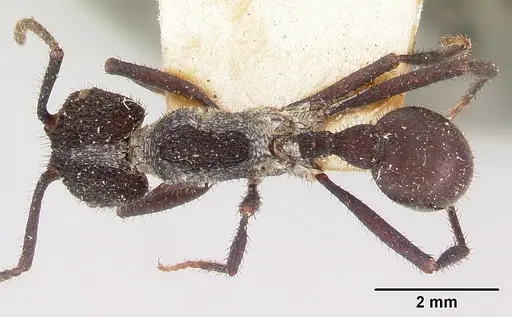
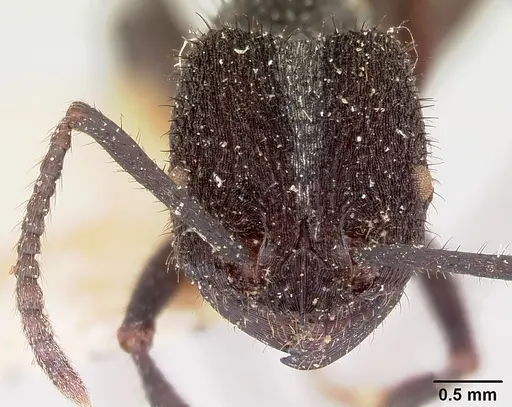
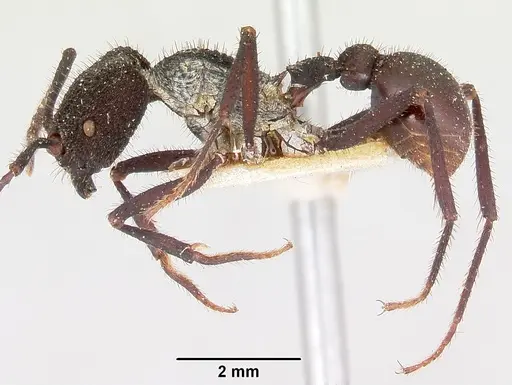
CASENT0173354
View on AntWeb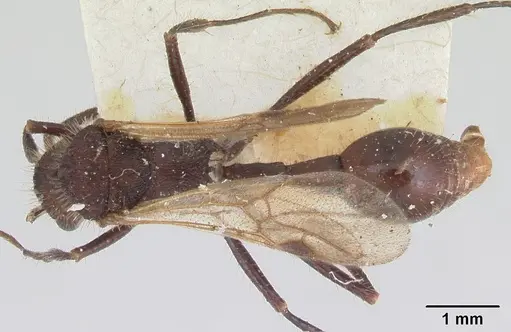
CASENT0173357
View on AntWeb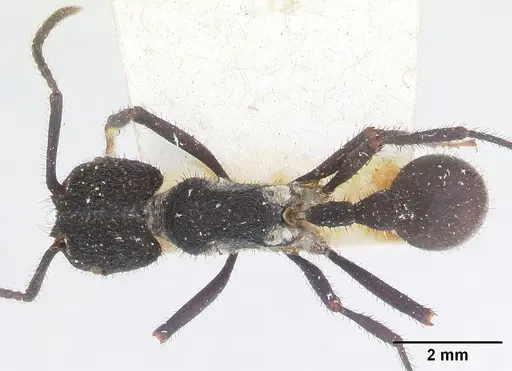
CASENT0173358
View on AntWeb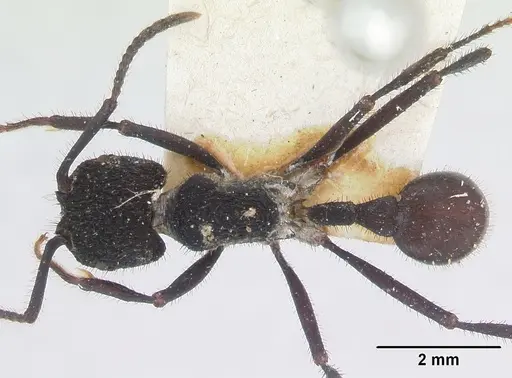
CASENT0218756
View on AntWeb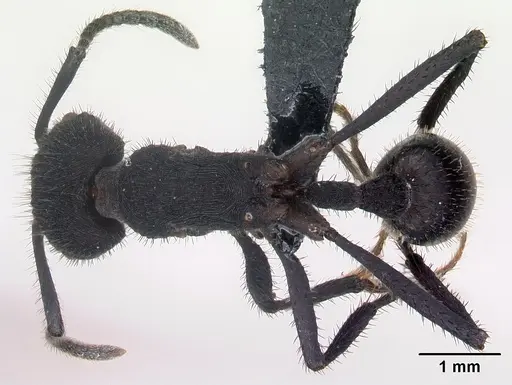
CASENT0218757
View on AntWeb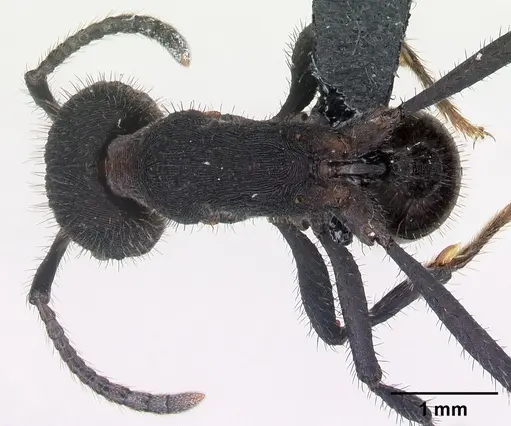
CASENT0281109
View on AntWeb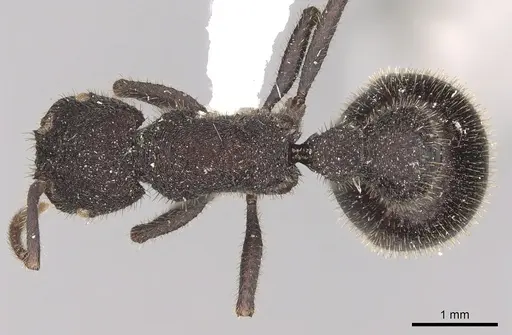
CASENT0900389
View on AntWeb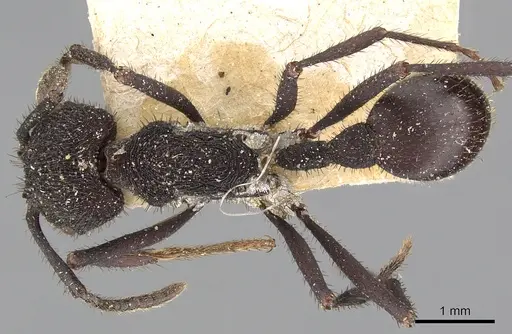
CASENT0904119
View on AntWeb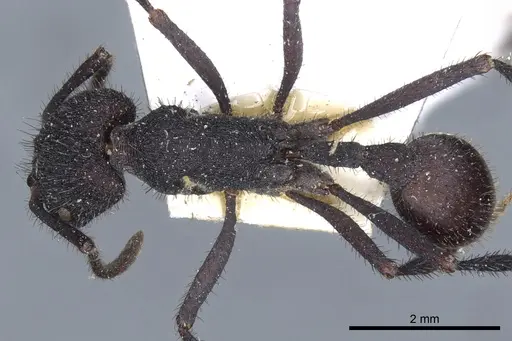
CASENT0907675
View on AntWeb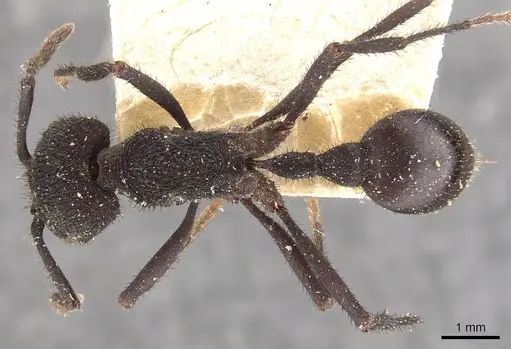
CASENT0914119
View on AntWeb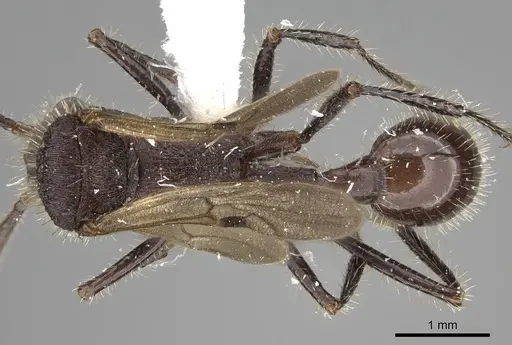
CASENT0917748
View on AntWeb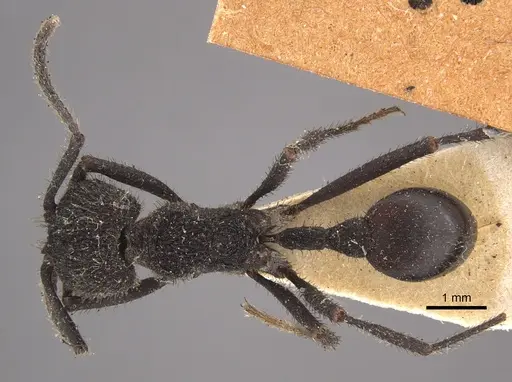
CBUMAGENT41946
View on AntWeb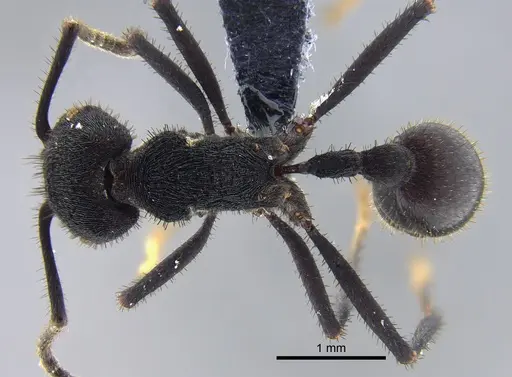
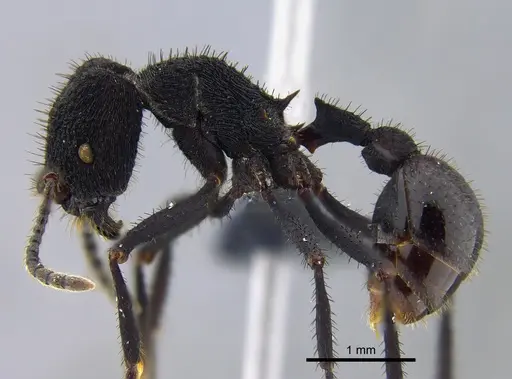
FOCOL0054
View on AntWeb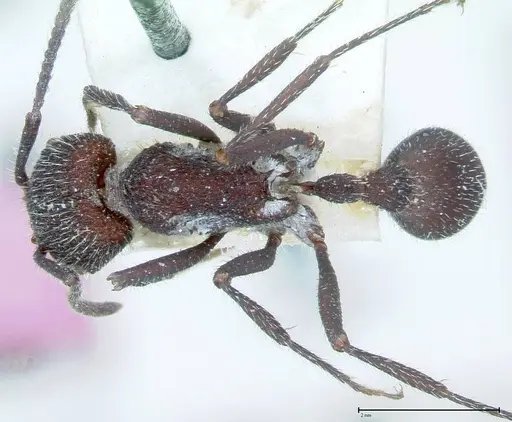
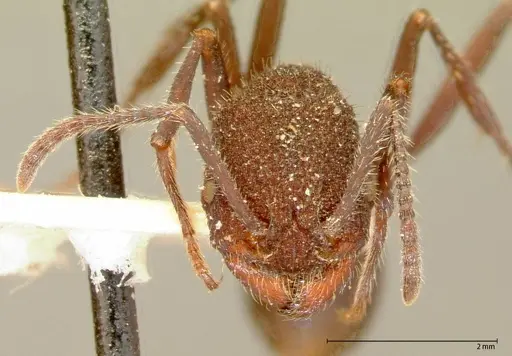
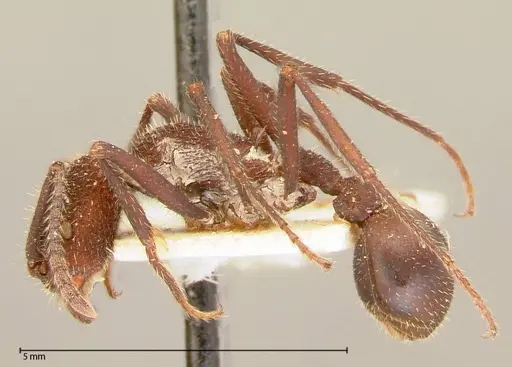
FOCOL0689
View on AntWeb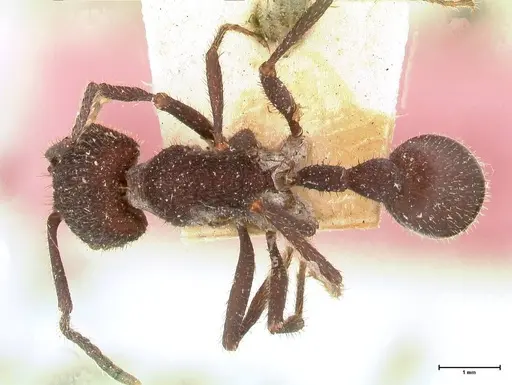
FOCOL1214
View on AntWeb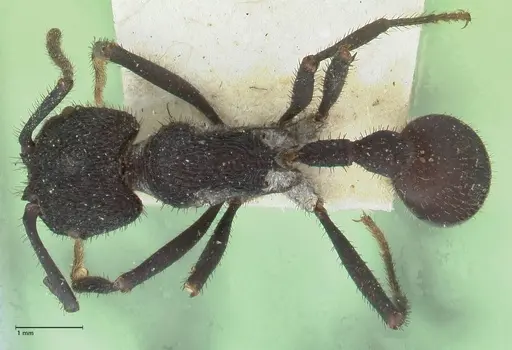
FOCOL1215
View on AntWeb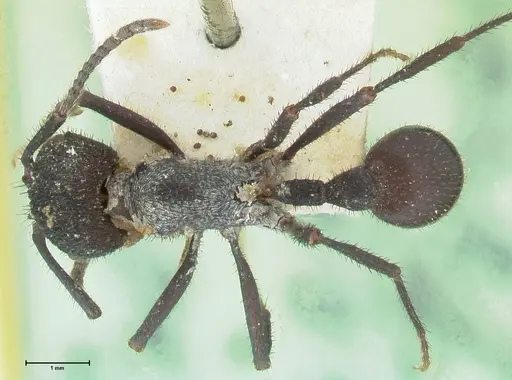
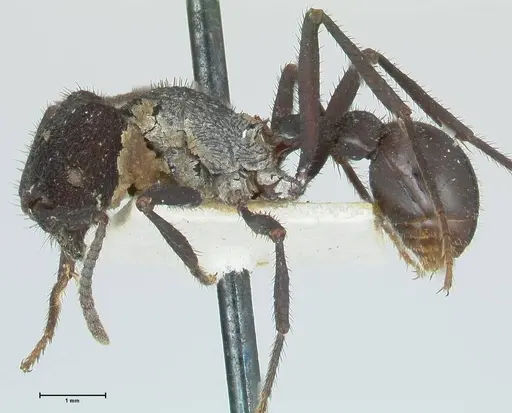
FOCOL1216
View on AntWeb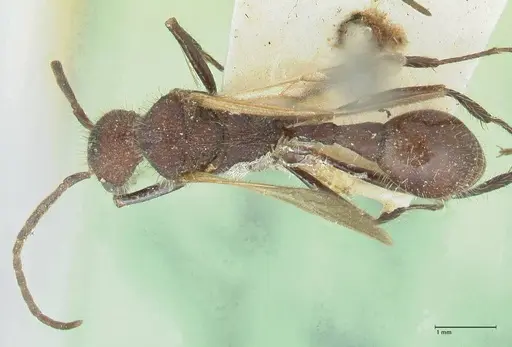
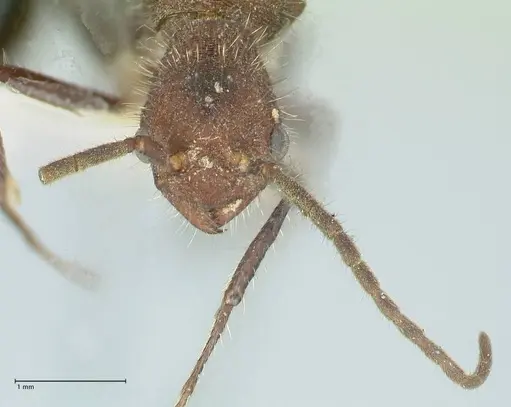
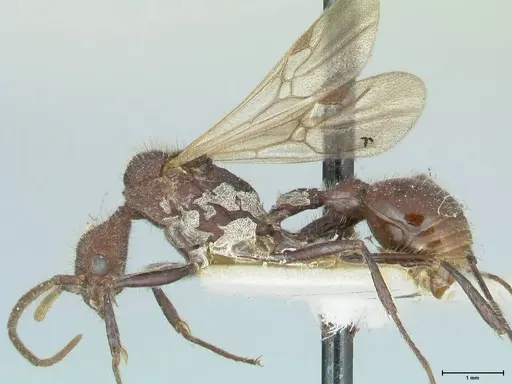
Literature
Loading distribution map...Loading products...