
Pogonomyrmex laevinodis
- Sci. Name
- Pogonomyrmex laevinodis
- Tribe
- Pogonomyrmecini
- Subfamily
- Myrmicinae
- Author
- Snelling, 1982
- Distribution
- Found in 1 countries
Introduction
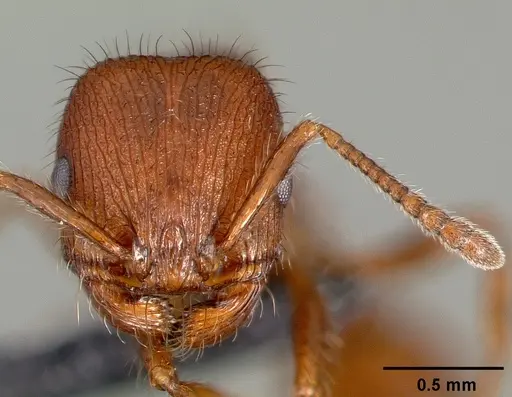
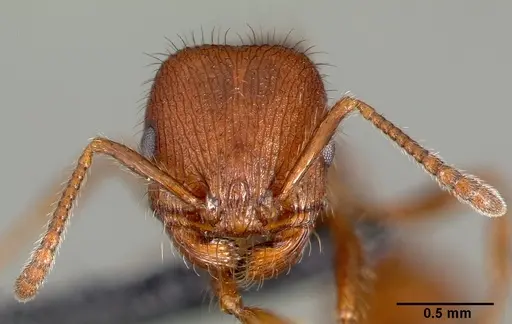
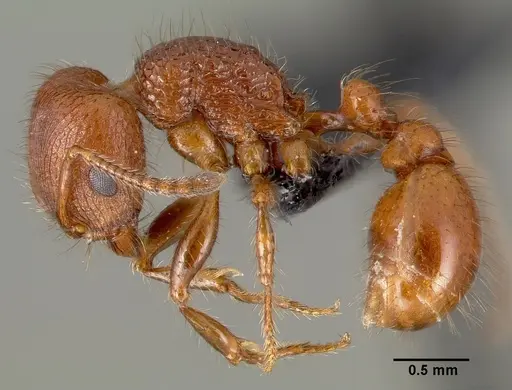
Pogonomyrmex laevinodis is a harvester ant species found only in the Baja California peninsula of Mexico. You will find them in arid desert and semi-arid scrubland environments, often at low elevations near the coast . Workers forage solitarily and collect seeds and dead insects to feed the colony . Like other members of the genus, they carry a functional stinger that delivers a sharp, painful sting when the nest is disturbed . Direct size measurements for this species are unavailable, but they fit the typical medium-sized profile of the Pogonomyrmex genus. Colony structure and founding behavior are largely unstudied, though recent notes point to a semi-claustral founding method .
Quick Summary
- Difficulty: Medium
- Origin & Habitat: Baja California and Baja California Sur, Mexico. They inhabit arid desert and semi-arid scrubland, often near coastal areas at elevations around 55 meters [2][3][4].
- Colony Type: Colony structure is unconfirmed. Most Pogonomyrmex species form single-queen colonies, but specific data for this species is lacking.
- Size & Growth:
- Queen: size data unavailable
- Worker: size data unavailable
- Colony: Unknown
- Growth: Moderate
- Development: Unknown, likely around 6 to 10 weeks based on typical Pogonomyrmex patterns at warm temperatures (Development speed depends heavily on temperature and food availability.)
- Antkeeping:
- Temperature: Temperature needs are unclear. Keep the nest around 24 to 28°C and watch how the colony reacts.
- Humidity: Low. These ants live in dry desert environments. Keep the nest substrate mostly dry and only provide a small water source or damp cotton plug.
- Diapause: Unknown. Species from this subtropical range often benefit from a winter rest period, but specific requirements for this ant are not documented.
- Nesting: Y-tong, plaster, soil, or 3D-printed nests work best. Provide a dry outworld with sand or fine gravel so workers can handle seeds naturally.
- Behavior: Workers forage alone rather than in large trails [5]. They are defensive and will sting if you disturb the nest. Escape risk is moderate, so always use fine mesh or Fluon on container edges.
- Common Issues: overly humid nests cause mold and colony collapse, keep the substrate dry, inadequate protein slows worker production, offer dead insects regularly, temperature swings stress the queen and halt brood development, wild-caught queens may carry mites or parasites that weaken the colony, lack of seed variety leads to poor foraging motivation
Housing and Nest Setup
Use Y-tong, plaster, soil, or 3D-printed nests. Avoid acrylic, as it traps moisture and makes it hard to monitor humidity levels. These ants prefer dry nest chambers. Line the outworld with sand or fine gravel so workers can manipulate seeds and store them naturally. Seal all gaps with Fluon or fine mesh to prevent escapes. Check the nest weekly for mold, especially if you add fresh seeds or protein. [6]
Feeding and Diet
Pogonomyrmex laevinodis collects seeds and dead insects in the wild [5]. Offer a steady supply of small seeds like millet, grass seeds, or commercial ant seed mixes. Add dead insects such as fruit flies, pinhead crickets, or dried mealworms for protein. You can place food directly in the outworld where workers will find it. Remove uneaten food within 24 hours to stop mold from spreading into the nest.
Temperature and Diapause
Exact temperature requirements are not documented. Keep the colony between 24 and 28°C during active months. Use a heating mat on one side of the nest to create a gradient, which lets workers move to their preferred zone. Diapause needs are unknown, but subtropical desert species often benefit from a cooler rest period in winter. If you notice the colony slowing down or the queen stopping egg-laying, try lowering temperatures to 12 to 15°C for 8 to 12 weeks and see if brood production resumes. [6]
Behavior and Defense
Workers leave the nest alone to search for food rather than marching in large groups [5]. They are highly defensive and will sting quickly if you shake the nest or handle them roughly. The sting is painful and comparable to other Pogonomyrmex species. Keep your hands away from the outworld during feeding, and use long tweezers to place seeds or insects. Do not expect them to be docile, but they rarely attack unless provoked.
Colony Development
Queens use a semi-claustral founding method, meaning they do not fully seal themselves inside the nest [7]. They will leave the founding chamber occasionally to drink water or take a brief air gap before returning to raise the first workers. The initial workers are smaller than mature workers but will quickly start foraging. Growth is moderate, and you should expect the first workers to emerge in roughly 6 to 10 weeks at warm temperatures. Mature colony size is unknown, but steady feeding and dry conditions will support steady growth.
Frequently Asked Questions
How long does it take for Pogonomyrmex laevinodis to produce first workers?
Expect around 6 to 10 weeks from egg to first worker at optimal temperatures. This timeline is inferred from typical Pogonomyrmex development patterns, as exact data for this species is unavailable.
Do Pogonomyrmex laevinodis ants sting?
Yes. They carry a functional stinger and will sting if the nest is disturbed. The sting is painful, so keep your fingers away from the outworld and use tools for feeding.
What do Pogonomyrmex laevinodis eat?
They are seed-harvesters that also collect dead insects [5]. Offer small seeds like millet or grass seeds, and supplement with dead fruit flies or pinhead crickets for protein.
Can I keep multiple Pogonomyrmex laevinodis queens together?
Colony structure is unconfirmed, but most Pogonomyrmex species are single-queen. Keep only one queen per setup to avoid fatal fights.
Do Pogonomyrmex laevinodis need hibernation?
Diapause requirements are unknown. Subtropical species often benefit from a winter rest period. If brood slows down, try a cooler phase around 12 to 15°C for 8 to 12 weeks.
What temperature is best for Pogonomyrmex laevinodis?
Exact needs are unclear. Keep the nest around 24 to 28°C and provide a heat gradient so workers can self-regulate.
How big do Pogonomyrmex laevinodis colonies get?
Colony size is unknown. Growth is moderate, and you should focus on steady feeding and dry conditions rather than chasing specific worker counts.
Are Pogonomyrmex laevinodis good for beginners?
They are medium difficulty. Their painful sting, dry habitat needs, and solitary foraging style make them better suited for keepers with some experience.
When should I move Pogonomyrmex laevinodis to a formicarium?
Wait until you have at least 20 to 30 workers actively using the outworld. Transition to a Y-tong or plaster nest once the colony is stable and foraging regularly.
Why is my Pogonomyrmex laevinodis colony declining?
Check for high humidity, which causes mold. Ensure you are offering seeds and dead insects, not just sugar water. Keep temperatures stable and remove uneaten food daily to prevent contamination.
Report an Issue
The current care sheet is based fully on literature. See inconsistencies, or something that's incorrect? Please , it will be resolved after review from an admin. Contributing to the blogs tab also helps providing information, to make us be able to further improve the caresheets. Thank you for your support!
References

This caresheet is licensed under CC BY-SA 4.0 .
Community Blogs
CASENT0006280
View on AntWeb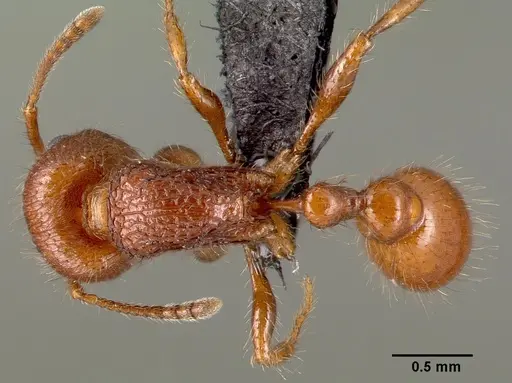
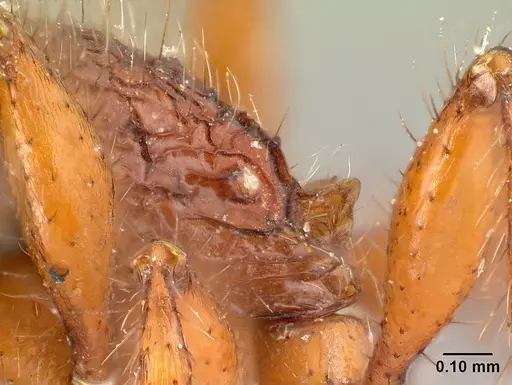
CASENT0217271
View on AntWeb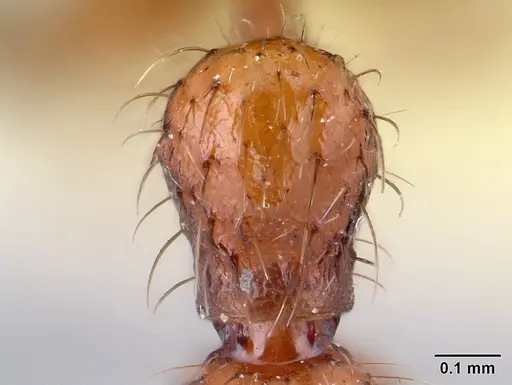
Literature
Loading distribution map...Loading products...