
Huachuca Harvester Ant
Pogonomyrmex huachucanus
- Sci. Name
- Pogonomyrmex huachucanus
- Tribe
- Pogonomyrmecini
- Subfamily
- Myrmicinae
- Author
- Wheeler, 1914
- Common Name
- Huachuca Harvester Ant
- Distribution
- Found in 2 countries
Introduction
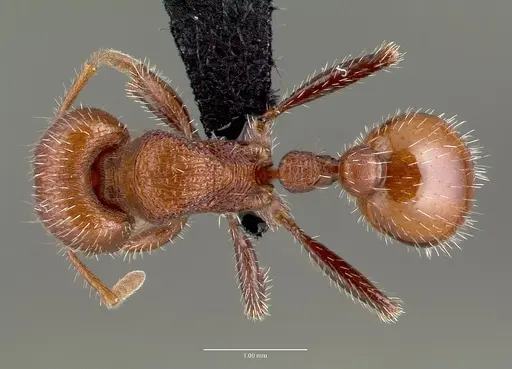
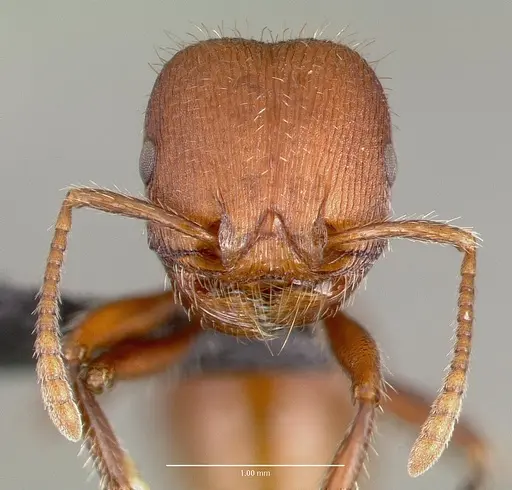
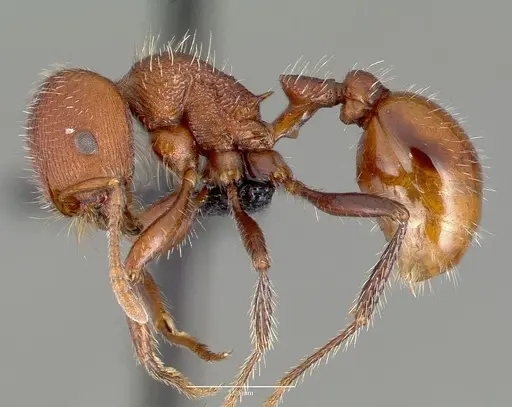
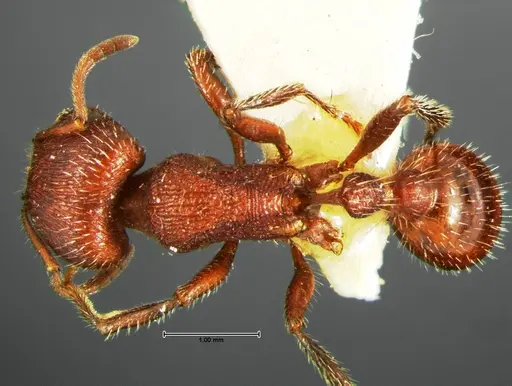
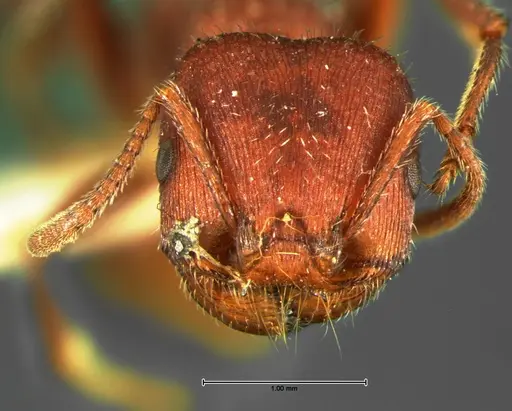
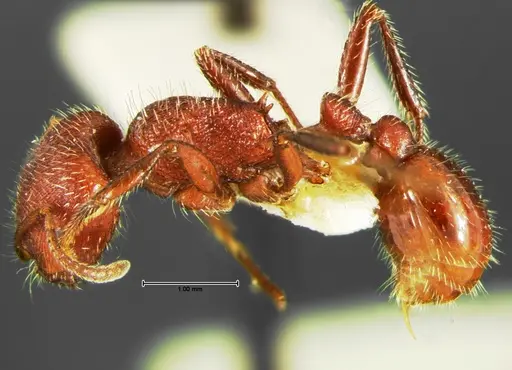
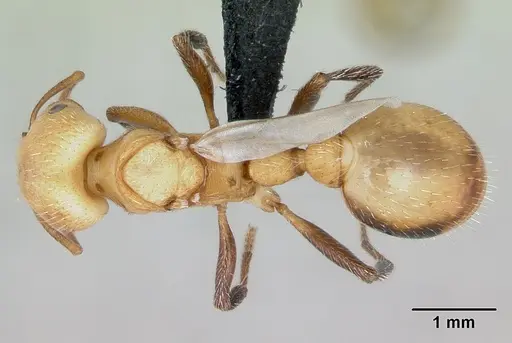
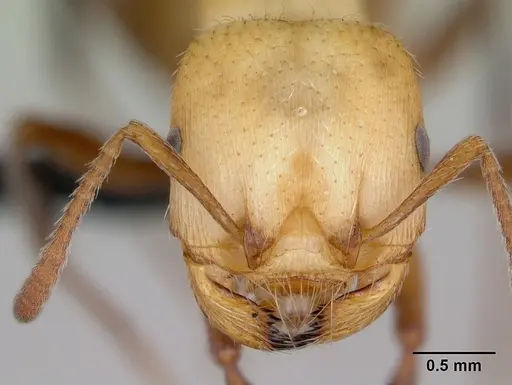
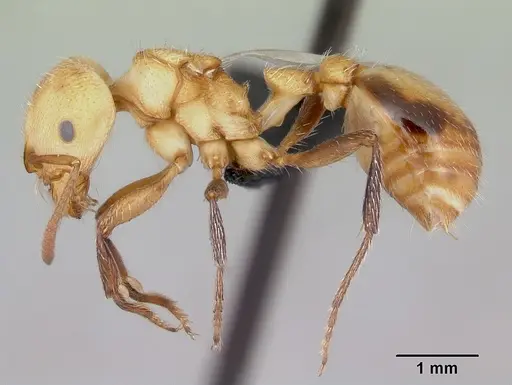
Pogonomyrmex huachucanus is a harvester ant native to the American Southwest, found in southern Arizona, southern New Mexico, and northern Mexico. Workers have a deep ferrugineous red to orange-red coloration with coarse sculptural texture and distinctive propodeal spines on the thorax . Queens are brachypterous, with tiny wings that extend only about one-third the length of the gaster . This species is a member of the 'Ephebomyrmex' group, making it a unique link between this group and other Pogonomyrmex species . What makes P. huachucanus unique is its colony founding behavior - it is the only North American Pogonomyrmex with multiple wingless female reproductives in the nest . Unlike most ants where queens seal themselves in to found colonies alone, these dealate queens must leave the nest to forage for food during colony founding. Research confirms they are obligate foragers - queens cannot produce workers without hunting for food . This is the first documented case of independent colony founding by ergatoid queens in the subfamily Myrmicinae .
Quick Summary
- Difficulty: Medium
- Origin & Habitat: Southern Arizona, southern New Mexico, and northern Mexico (Chihuahua, Durango, Sonora). Found in mesic or riparian areas along the edges of the Chihuahuan Desert, typically in grasslands, thorn scrub, oak forests, or pinyon-juniper forests up to pine forest edges. Nests in soil, often under stones or in fine sand soils with scattered stones, at elevations typically 1,000-5,000 ft [1][3].
- Colony Type: Multi-queen colonies with ergatoid (wingless) reproductives. This is the only North American Pogonomyrmex species with multiple wingless female reproductives in the nest [1]. Queens are brachypterous, they have tiny wings that fall off by the time they acquire adult coloration. Mating occurs within the nest, and dealate queens may return to the parental nest before establishing their own colonies [2].
- Size & Growth:
- Queen: Size data unavailable, no total length measurements provided in research
- Worker: Size data unavailable, no total length measurements provided in research
- Colony: Up to 500 workers [1]
- Growth: Moderate
- Development: Estimated 6-10 weeks based on typical Pogonomyrmex patterns (Queens are obligate foragers during founding, they cannot produce workers without food. This differs from claustral species and may extend development time. First workers (nanitics) are produced after the queen successfully forages and feeds herself [2].)
- Antkeeping:
- Temperature: Keep at warm temperatures, roughly 24-28°C, with a gradient. This is inferred from their xerothermic habitat [1].
- Humidity: Keep nest substrate consistently moist but not waterlogged. Based on their natural soil nesting [1].
- Diapause: Yes, provide a winter rest period of 2-3 months at reduced temperatures (10-15°C). Based on their temperate range, inferred [1].
- Nesting: Use a naturalistic setup with soil or a Y-tong/plaster nest with chambers scaled to their size. They naturally nest under stones or in soil, so provide a deep substrate layer for tunneling. A portion of the nest should remain dry while other areas stay moderately moist [1].
- Behavior: Workers forage singly at a slow, steady gait during daylight hours. They are very docile and peaceful, making them excellent for observation. Escape risk is moderate due to their size, use standard barrier methods [1].
- Common Issues: queen starvation during founding, dealate queens must forage, so ensure prey is available in the founding chamber [2], overhydration, they come from drier habitats and can drown in overly wet test tubes, slow colony growth, queens must forage before producing workers, which takes time and patience, wild colonies are small so do not expect massive colonies typical of some Pogonomyrmex, escape during founding, dealate queens can squeeze through small gaps since they forage actively
Nest Preferences and Setup
In the wild, Pogonomyrmex huachucanus nests in soil, often under stones or in fine sand soils with scattered stones. Nest entrances are typically small and difficult to find, sometimes surrounded by a small soil mound up to 10cm diameter. They occasionally pile seed hulls around the entrance, which helps locate nests [1]. For captivity, use a naturalistic setup with a deep soil layer or a Y-tong/plaster nest with appropriately sized chambers. Provide a mix of moisture conditions, some areas moderately moist, others drier. Since they nest under stones in the wild, you can add a flat stone on top of the substrate as a cover. Avoid overly compact substrates as they need to move soil around for tunneling. Test tube setups work for founding colonies but transfer to a more spacious formicarium once the colony reaches 30-50 workers.
Feeding and Diet
Pogonomyrmex huachucanus has an unusual diet compared to most Pogonomyrmex harvester ants. Workers forage singly and return with a variable array of booty: dead arthropods, bits of excrement, and some seeds. However, their granivorous tendency is not strongly developed, seeds represent only a minimal part of their diet [1]. For captivity, offer small live insects as a primary protein source. They will also accept dead insects and can be fed sugar water or honey occasionally. Seeds can be offered but do not expect them to be a major food item. During colony founding, the queen must have access to prey, laboratory studies show dealate queens are obligate foragers and cannot produce workers without foraging for food [2].
Colony Founding Behavior
This is where P. huachucanus differs dramatically from most ant species. Unlike claustral queens that seal themselves in a chamber and live off stored fat, dealate queens of this species are obligate foragers, they must leave the nest to hunt for food to produce their first workers. Research confirmed this with a laboratory experiment: 8 of 14 fed queens survived and produced workers, while all 14 unfed queens died before producing any workers [2]. Queens have no storage proteins necessary to produce minim workers without foraging. Brachypterous queens (with tiny wings about one-third gaster length) become completely wingless by the time they acquire adult coloration. Mating likely occurs within the nest, then dealate females may return to the parental nest before dispersing to found new colonies. When starting a colony, you must provide small live prey in the founding chamber from day one.
Temperature and Seasonal Care
Keep colonies at warm temperatures, roughly 24-28°C, for optimal development. This species inhabits xerothermic grassland habitats in Arizona at elevations typically between 1,000-5,000 feet, so they prefer warmer conditions. A heating cable on one portion of the nest creates a temperature gradient allowing workers to regulate their own exposure. During winter, provide a diapause period of 2-3 months at reduced temperatures (10-15°C). This mimics their natural seasonal cycle where brood is found in nests from June to July and reproductives appear in July and August [1]. In the wild, they experience cold winters at these higher elevations, so hibernation is important for colony health. Do not feed during diapause and keep the nest slightly cooler but not frozen.
Behavior and Temperament
One of the most notable traits of P. huachucanus is its exceptional docility. Described as very docile and a pleasure to work with by researchers, they are among the gentlest Pogonomyrmex species. Workers forage singly during daylight hours at a slow, steady pace. They are not aggressive and rarely sting, making them excellent for observation and handling. However, their small size and active foraging means escape prevention is still important, they can squeeze through small gaps. The colony structure is unique among North American Pogonomyrmex: multiple wingless female reproductives coexist in established nests. Some females are brachypterous (have small wings) while others are dealate (already shed their wings). This is the only Pogonomyrmex species in North America with this trait. [1][2]
Growth and Colony Size
Colony sizes are relatively small compared to other Pogonomyrmex species. Typical nests contain 125-150 workers, though exceptionally large colonies may reach up to 500 workers [1]. This is modest compared to some Pogonomyrmex that can have thousands of workers. Growth rate is moderate, the queen must forage during founding which takes time before the first workers emerge. Once established, colonies grow steadily but not rapidly. The multi-queen colony structure may help with colony growth, as multiple reproductives can contribute to worker production. Expect slow but steady growth over the first year, with colonies potentially reaching 100+ workers by the end of the first season under good conditions.
Frequently Asked Questions
Is Pogonomyrmex huachucanus good for beginners?
This species is intermediate in difficulty. While they are very docile and rarely sting, their semi-claustral founding requirement (queen must forage) makes them slightly more challenging than fully claustral species. You must provide live prey during colony founding, which some beginners find tricky. However, once established, they are forgiving and easy to care for [2].
How long does it take for the first workers to emerge?
First workers typically emerge 6-10 weeks after founding, but this depends on how well the queen forages. Unlike claustral queens that seal themselves in, this queen must hunt and feed herself before producing eggs. If she has consistent access to small prey, development proceeds normally. Without food, she will not produce workers [2].
Can I keep multiple queens together?
Yes, this species naturally has multiple wingless female reproductives in established colonies. However, starting a colony with multiple unrelated foundresses is not recommended as this hasn't been documented. Start with a single queen and she will establish a colony that may eventually produce additional reproductives naturally [1].
What do I feed Pogonomyrmex huachucanus?
Feed small live insects as the primary food. They also accept dead insects and will take sugar water or honey occasionally. Unlike other harvesters, they do not rely heavily on seeds, offer seeds as enrichment but do not expect them to be a major food source. During founding, the queen must have access to live prey [2].
Do they need hibernation?
Yes, provide a winter rest period of 2-3 months at 10-15°C. In their native range (southern Arizona, New Mexico at 1,000-5,000 ft elevation), they experience cold winters. Reduce feeding, keep the nest slightly cooler, and allow the colony to slow down naturally [1].
Why are my founding queen's workers dying?
This is often normal, the first workers (nanitics) are often smaller and may die as more workers emerge. However, if workers are dying rapidly, check: (1) Is the queen getting prey? She must forage during founding [2]. (2) Is the nest too wet? They prefer drier conditions. (3) Is there mold? Keep the founding chamber clean. The queen needs consistent access to small live prey to produce healthy workers.
When should I move them to a formicarium?
Move from test tube to formicarium when the colony reaches 30-50 workers or the test tube becomes crowded. They need soil depth for tunneling and benefit from a naturalistic setup with both moist and dry areas [1].
How big do colonies get?
Colonies typically reach up to 500 workers, with large nests occasionally reaching that size [1]. This is smaller than many Pogonomyrmex species that can have thousands. Their multi-queen structure helps, but overall colony size remains modest.
What's the difference between this and other Pogonomyrmex?
P. huachucanus is unique among North American Pogonomyrmex in several ways: (1) It is the only species with multiple wingless female reproductives [1], (2) queens are brachypterous (have tiny wings) [2], (3) founding is semi-claustral (queen must forage) [2], (4) it is much more docile than other Pogonomyrmex, and (5) it has a weaker granivorous tendency, seeds are a minimal part of its diet [1].
Report an Issue
The current care sheet is based fully on literature. See inconsistencies, or something that's incorrect? Please , it will be resolved after review from an admin. Contributing to the blogs tab also helps providing information, to make us be able to further improve the caresheets. Thank you for your support!
References

This caresheet is licensed under CC BY-SA 4.0 .
Community Blogs
Literature
Loading distribution map...Loading products...