
Desert Harvester Ant
Pogonomyrmex desertorum
- Sci. Name
- Pogonomyrmex desertorum
- Tribe
- Pogonomyrmecini
- Subfamily
- Myrmicinae
- Author
- Wheeler, 1902
- Common Name
- Desert Harvester Ant
- Distribution
- Found in 2 countries
Introduction
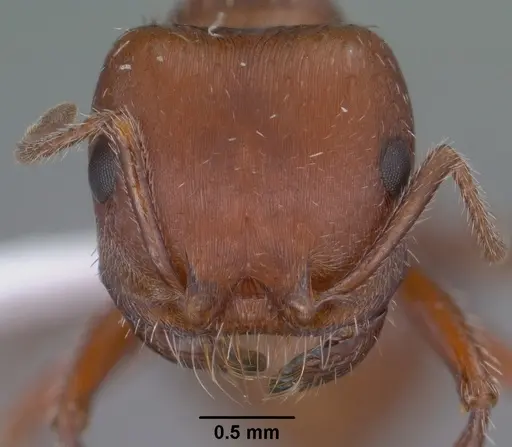
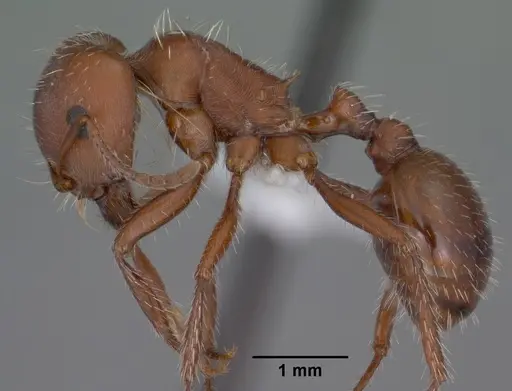
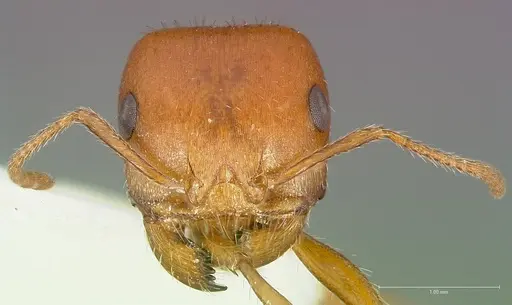
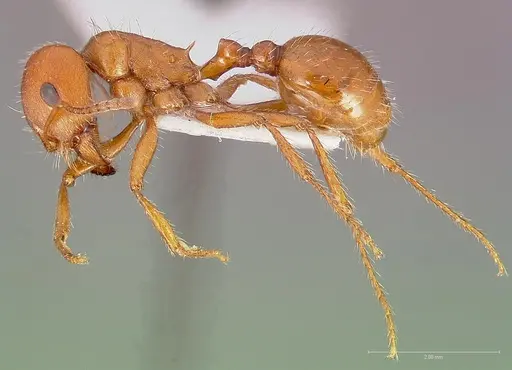
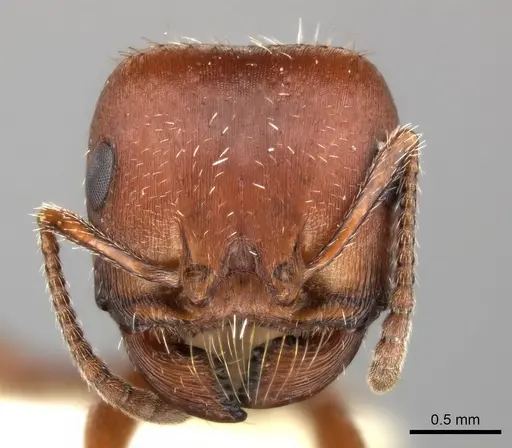
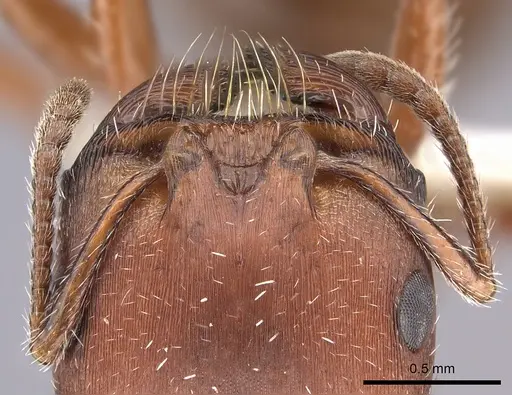
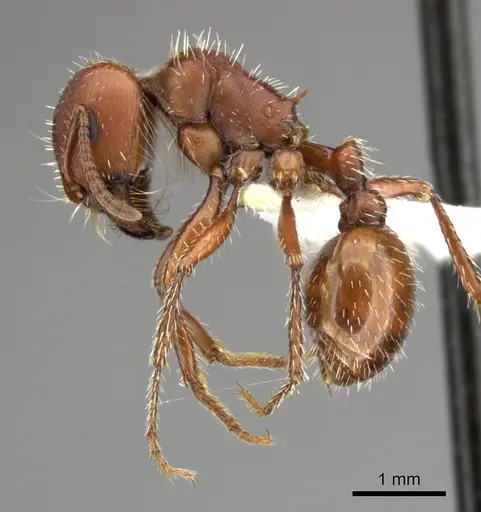
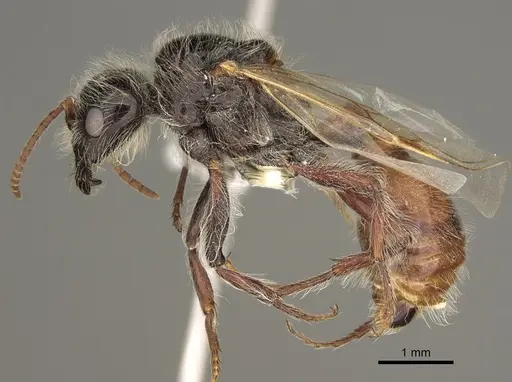
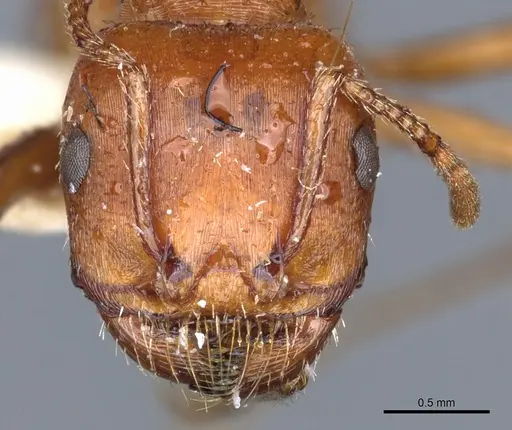
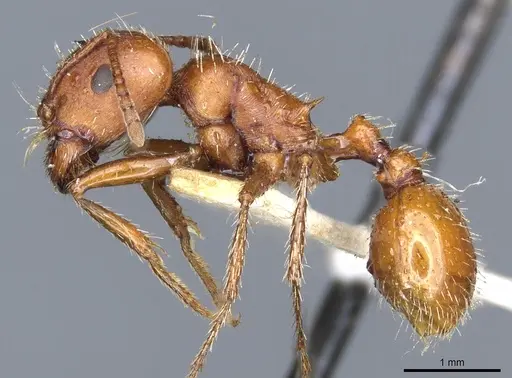
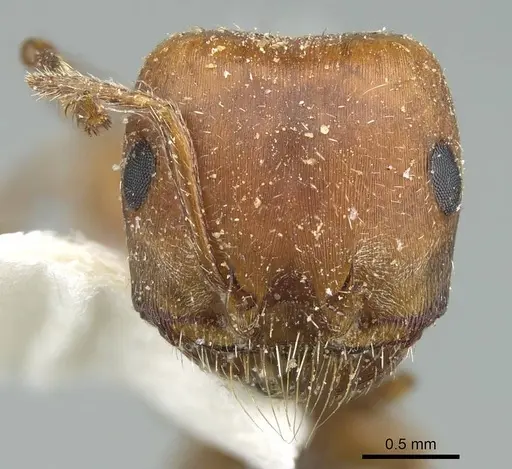
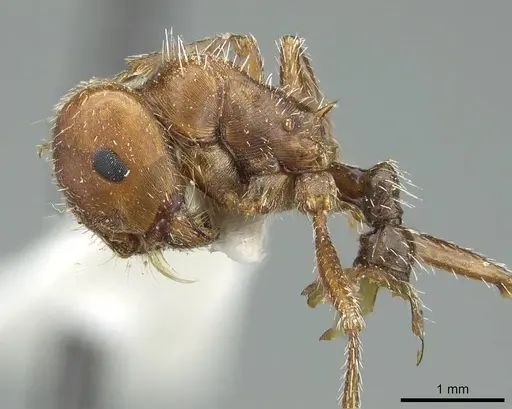
Pogonomyrmex desertorum is a small seed-harvesting ant native to the Chihuahuan Desert region of the American Southwest and northern Mexico. Workers measure about 7.0 mm in total body length and display a pale to dark ferrugineous red coloration, with smoother, shinier body surfaces compared to related species . These ants construct small circular crater nests in sandy or gravel soils and maintain relatively small colonies of just a few hundred workers . What makes this species special is their remarkably docile temperament, they rarely show aggression even when disturbed at the nest, making them one of the most inoffensive North American Pogonomyrmex . However, they can deliver a painful sting if handled roughly. Colonies forage individually rather than in groups, searching for seeds and occasionally insect matter on well-established trails .
Quick Summary
- Difficulty: Easy
- Origin & Habitat: Chihuahuan Desert in western Texas, southern New Mexico, southern Arizona, and northern Mexico (Tamaulipas, San Luis Potosí, Durango, Coahuila, Chihuahua, Sonora). They nest in sandy or rocky soils, including dunes, and construct small circular craters around the nest entrance [2][4].
- Colony Type: Monogyne (single-queen) with high polyandry – queens mate with multiple males [7][8]. Colony size reaches 200-600 workers at maturity [3][9].
- Size & Growth:
- Queen: Size not directly recorded, queen dry mass 12.2 mg [10].
- Worker: Mean body length 7.0 mm [1].
- Colony: 200-600 workers [3][9].
- Growth: Moderate
- Development: Not directly documented, based on related Pogonomyrmex, expect 6-10 weeks at optimal temperatures. (Development timeline inferred from genus-level data. Specific temperature requirements for this species not documented.)
- Antkeeping:
- Temperature: Desert ant adapted to high heat, workers are active from 25.8°C up to 49.5°C [11]. Keep nest area at 20-26°C as a baseline, with access to warmer areas (up to 30°C) for natural foraging behavior. Avoid prolonged temperatures below 15°C.
- Humidity: Low to moderate. They inhabit arid desert regions, so keep substrate relatively dry – moisture content similar to sandy desert soil. Provide a shallow water dish for drinking but avoid damp conditions.
- Diapause: Yes – provide a cool period around 10-15°C for 2-3 months (roughly November-February) to mimic natural seasonal cycles [2][10].
- Nesting: Natural nests in sandy or gravelly soil with small circular crater entrance. In captivity, use a naturalistic setup with sandy substrate at least 2-3 cm deep, or Y-tong nests with dry conditions. Avoid overly moist substrates.
- Behavior: Exceptionally docile and timid – workers retreat rather than attack when disturbed [4][2]. They are individual (solitary) foragers, not using mass recruitment [5][6]. Foragers establish stable routes and show strong site fidelity [12]. Diurnal, with peak activity in cooler morning hours. Despite their gentle nature, they possess potent venom and can deliver a painful sting if provoked [13]. Escape risk is moderate – they can climb smooth surfaces, so standard barrier methods (fluon on smooth plastic/glass) work well.
- Common Issues: small mature colony size (200-600 workers) means slower population growth than fast-reproducing species, desert species requires dry conditions – overwatering or damp substrates cause mold and stress, potent sting despite docility – handle with care to avoid painful envenomation, individual foraging means they need scattered food sources and larger outworld to find food efficiently, timid nature: may stop foraging if nest is disturbed often – place setup in a low-traffic area
Housing and Nest Setup
Pogonomyrmex desertorum thrives in naturalistic setups that mimic their desert habitat. Use a sandy substrate (play sand or desert sand mix) at least 2-3 cm deep, allowing them to construct their characteristic circular crater nests. Alternatively, Y-tong (AAC) nests work well with a thin layer of sand or gravel on the floor. These ants prefer dry conditions – the substrate should feel like dry desert soil, not damp. Provide a shallow water dish (bottle cap or small ceramic dish) for drinking water. Since they are individual foragers, give them an adequate outworld with multiple foraging paths. A formicarium with a connected outworld allows them to establish natural foraging trails. Escape prevention: moderate risk – they can climb smooth surfaces but are not tiny, standard fluon barriers on smooth plastic or glass work well. [2][3]
Feeding and Diet
As seed harvesters, their diet consists primarily of seeds (grass seeds, wildflower seeds, etc.). Offer a variety of small seeds – they show preference for certain grass seeds like Bouteloua barbata but will take various seeds when preferred options are unavailable [12]. They also accept insect matter (small crickets, mealworms, fruit flies) as protein sources. Offer seeds constantly in a feeding dish, and protein (insects) 1-2 times per week. They are individual foragers, so place food at the nest entrance or scatter it rather than expecting mass recruitment. Some keepers report they accept small amounts of honey or sugar water, but seeds should form the bulk of their diet. Remove uneaten seeds periodically to prevent mold.
Temperature and Seasonal Care
Pogonomyrmex desertorum is adapted to desert conditions and tolerates high temperatures. Workers remain active from 25.8°C up to 49.5°C [11]. Keep the nest area at 20-26°C as a baseline, with the option to provide warmer areas (up to 30°C) in the outworld to encourage natural foraging behavior. They are more heat-tolerant than cold-tolerant – avoid temperatures below 15°C for extended periods. During winter (roughly November-February in the Northern Hemisphere), reduce temperatures to 10-15°C to provide a diapause period [2][10]. This mimics their natural seasonal cycle and supports colony health. Reduce feeding during the cool period but maintain access to water. Return to normal temperatures gradually in spring.
Behavior and Foraging
This species is known for its exceptionally docile temperament – workers retreat and hide under covering material when disturbed, rarely attempting to attack [4][2]. They forage individually (solitary foraging) rather than using mass recruitment, with each worker establishing and maintaining its own foraging routes [5][6]. Foragers show strong site fidelity, returning to the same general areas where they previously found food [12]. Average foraging trips in the wild cover about 3.86 meters and take approximately 7.25 minutes round trip (based on one field study). Despite their gentle nature, they possess functional stingers and can deliver a painful sting if provoked or handled roughly. Their venom is potent – lethal to mice at 1.4 mg/kg [13]. Handle with care.
Colony Dynamics and Growth
Pogonomyrmex desertorum colonies remain relatively small compared to many Pogonomyrmex species. Mature colonies reach only 200-600 workers [3][9], with typical colonies containing around 200-400 individuals [3]. Colonies are monogyne (single queen) with high polyandry – queens mate with multiple males (approximately 2 partners) [8][7]. This social structure means colonies grow more slowly than polygynous species. The queen has a dry mass of 12.2 mg [10], providing substantial energy reserves for claustral founding. Colonies are spatially static – they maintain the same nest location for years [3]. Colony density in the wild is approximately 10-20 colonies per hectare in suitable habitat [3], though this varies with environmental conditions.
Mating and Reproduction
Nuptial flights occur in June and July, triggered by summer rainfall [10][4]. During mating flights, sexuals (males and queens) exhibit a unique behavior: they search for the highest object in the area to congregate for mating. In their typical habitat, this often means they land on myrmecologists conducting field research – a memorable experience for those lucky enough to observe it [4]. After mating, queens establish new colonies in sandy soil, constructing the characteristic circular crater nest. The founding process is likely claustral (queen seals herself in and lives off stored fat reserves) like other Pogonomyrmex species, though this specific behavior has not been directly documented for P. desertorum [14].
Frequently Asked Questions
Are Pogonomyrmex desertorum ants good for beginners?
Yes, they are considered easy to keep. Their docile nature makes them forgiving of minor mistakes, and their small colony size means they don't require massive amounts of food or space. However, their potent sting means they aren't ideal for handlers who want to interact with their ants frequently. Their desert habitat requirements are straightforward – keep them warm and dry.
How long does it take for Pogonomyrmex desertorum to raise their first workers?
The exact development timeline is unconfirmed for this species. Based on typical Pogonomyrmex patterns, expect 6-10 weeks from egg to first worker at optimal temperature (around 24-26°C). Their small colony size at maturity (200-600 workers) suggests moderate growth rates compared to faster-developing species.
What do Pogonomyrmex desertorum ants eat?
They are seed harvesters – seeds should form the bulk of their diet. Offer a variety of small seeds (grass seeds, wildflower seeds, millet, etc.). They also accept insect matter as protein (small crickets, mealworms, fruit flies). Some keepers report they accept small amounts of honey or sugar water, but this is not a primary food source. Remove uneaten seeds regularly to prevent mold [12][1][4].
Can I keep multiple Pogonomyrmex desertorum queens together?
No. This species is monogyne – colonies have a single queen. Multiple unrelated queens will fight. Only attempt colony founding with one queen per setup. In the wild, colonies are spatially separated and maintain single-queen structures [7][4].
How big do Pogonomyrmex desertorum colonies get?
They remain relatively small compared to other Pogonomyrmex. Mature colonies reach 200-600 workers [3][9]. This is smaller than species like Pogonomyrmex rugosus or Pogonomyrmex barbatus, making them manageable but with slower population growth.
Do Pogonomyrmex desertorum need hibernation?
Yes, they benefit from a cool period during winter. Reduce temperatures to 10-15°C for 2-3 months (roughly November-February). This mimics their natural seasonal cycle in the Chihuahuan Desert [2][10]. Reduce feeding during this period but maintain access to water. Return to normal temperatures gradually in spring to trigger renewed activity.
What temperature range is best for Pogonomyrmex desertorum?
Keep nest areas at 20-26°C as a baseline. They tolerate high temperatures well (active up to 49.5°C [11]), so warmer outworld areas up to 30°C are beneficial for natural foraging. They are more heat-tolerant than cold-tolerant – avoid prolonged temperatures below 15°C except during winter diapause.
Why are my Pogonomyrmex desertorum not foraging?
Check a few things: (1) Temperature – they are diurnal and prefer warmer conditions, ensure ambient temperature is above 20°C. (2) Disturbance – they are timid and may temporarily stop foraging if the setup is in a high-traffic area [15]. (3) Season – they reduce activity during dry periods and become more active after summer rains [3]. (4) Food availability – ensure seeds are accessible at the nest entrance. They are individual foragers, so place food where they can find it rather than expecting recruitment.
When do Pogonomyrmex desertorum have mating flights?
Nuptial flights occur in June and July, typically triggered by summer rainfall [10][4]. If you have a mature colony, simulate rainy conditions followed by warm weather to encourage reproductive behavior. Males and queens exhibit unique behavior during flights – they seek out the highest object in the area to congregate for mating [4].
Report an Issue
The current care sheet is based fully on literature. See inconsistencies, or something that's incorrect? Please , it will be resolved after review from an admin. Contributing to the blogs tab also helps providing information, to make us be able to further improve the caresheets. Thank you for your support!
References

This caresheet is licensed under CC BY-SA 4.0 .
Community Blogs
CASENT0000258
View on AntWeb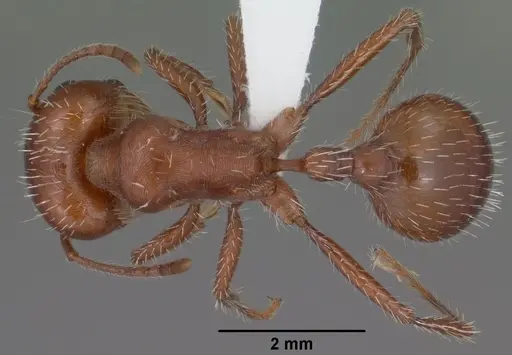
CASENT0005707
View on AntWeb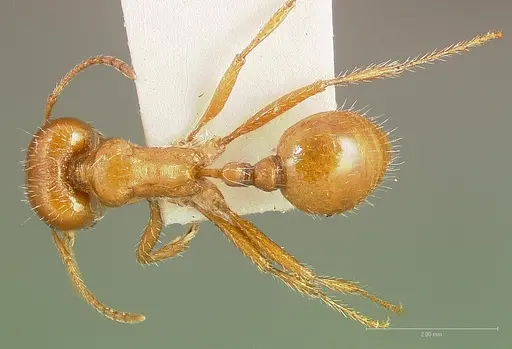
CASENT0235311
View on AntWeb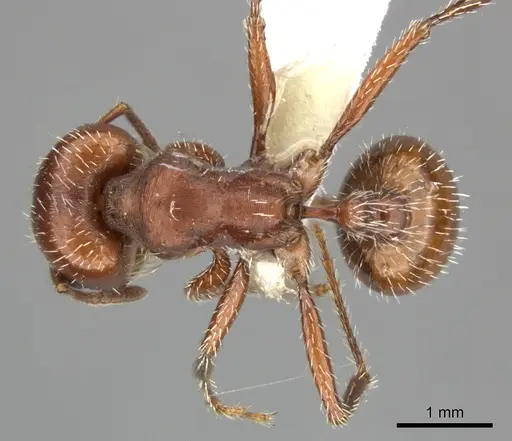
CASENT0619951
View on AntWeb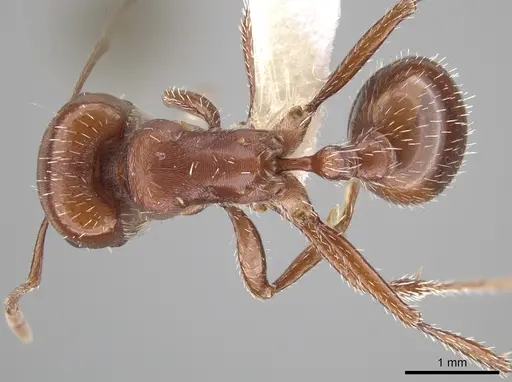
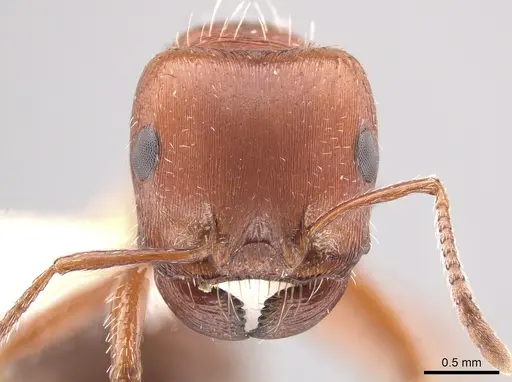
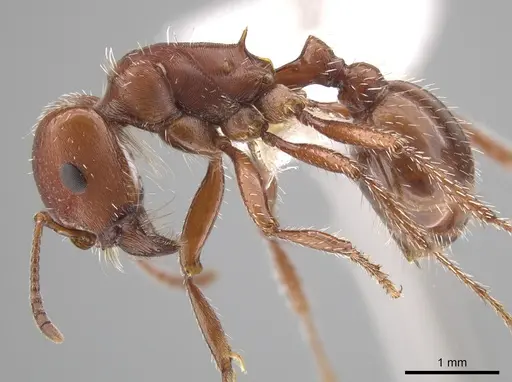
CASENT0863106
View on AntWeb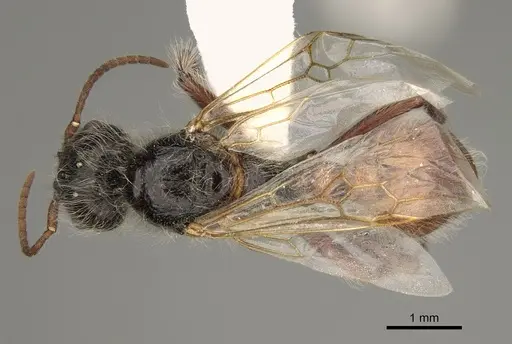
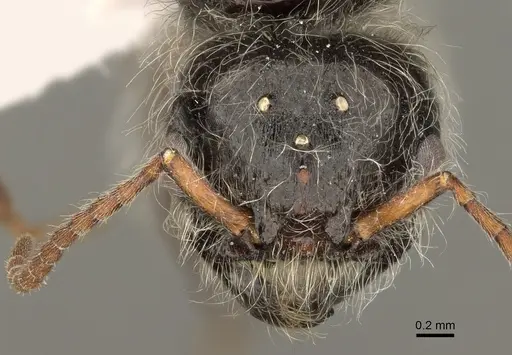
CASENT0904113
View on AntWeb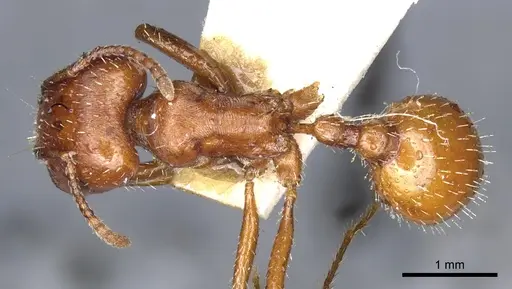
CASENT0914455
View on AntWeb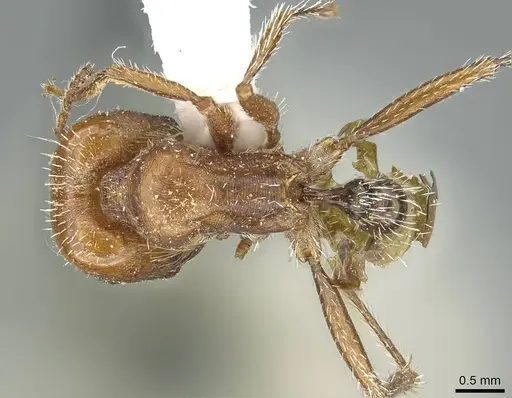
Literature
Loading distribution map...Loading products...