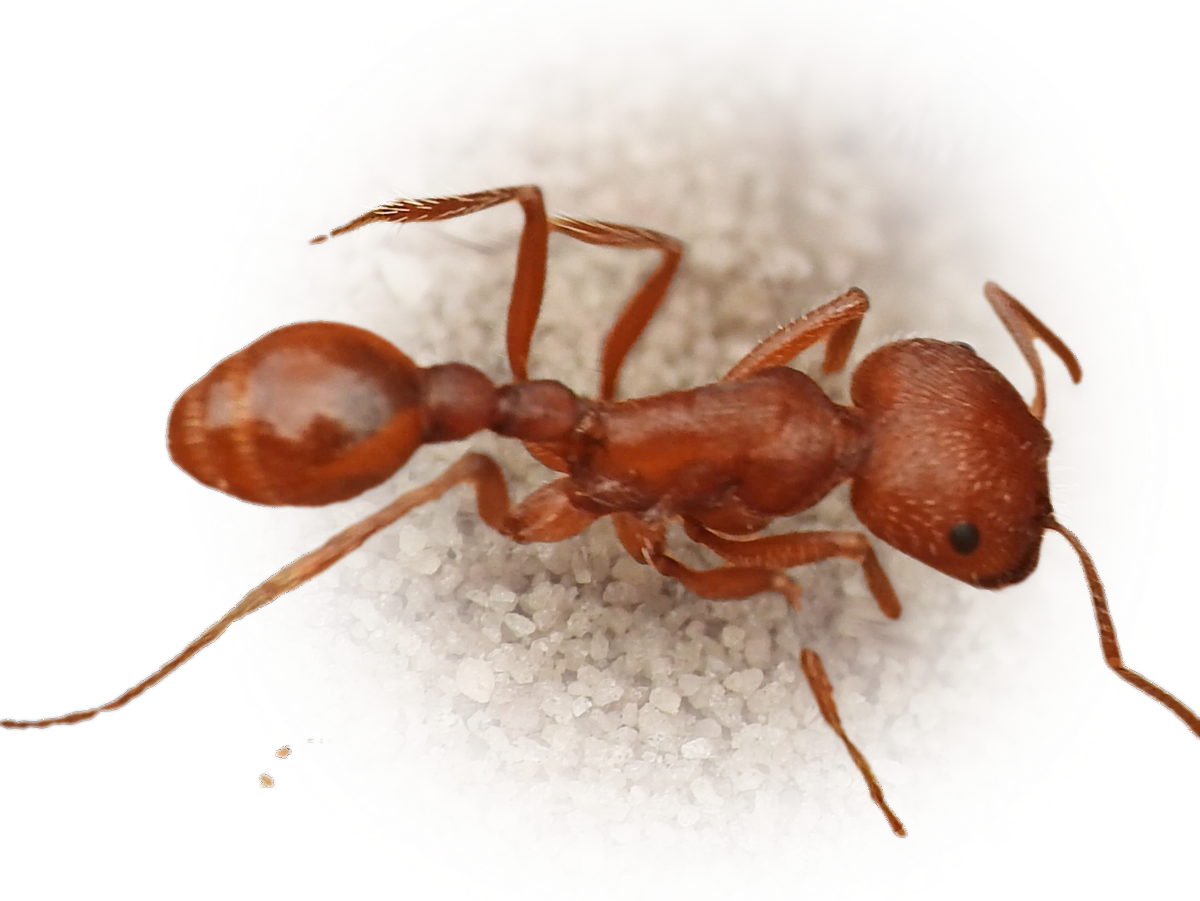
Comanche harvester ant
Pogonomyrmex comanche
- Sci. Name
- Pogonomyrmex comanche
- Tribe
- Pogonomyrmecini
- Subfamily
- Myrmicinae
- Author
- Wheeler, 1902
- Common Name
- Comanche harvester ant
- Distribution
- Found in 1 countries
Introduction
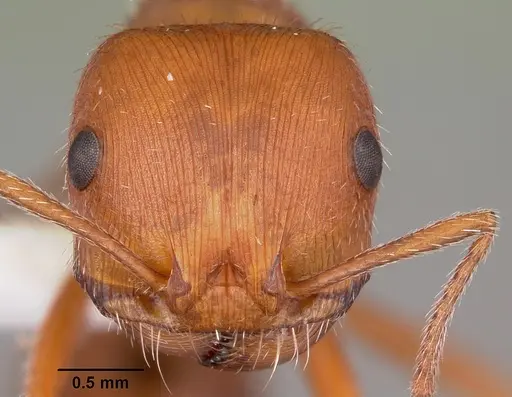
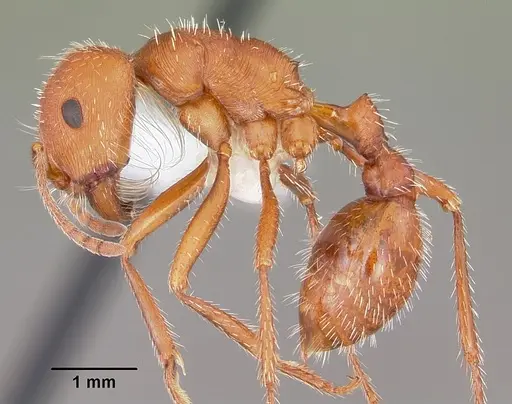
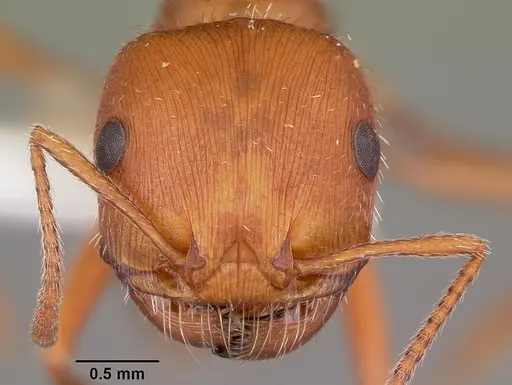
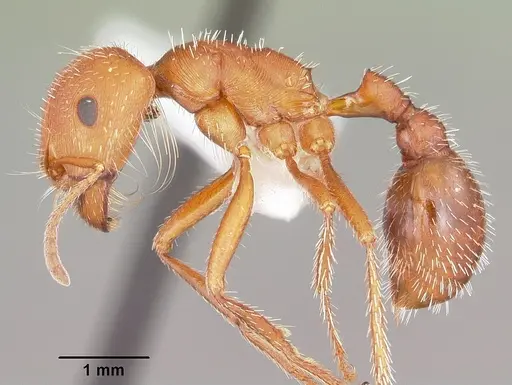
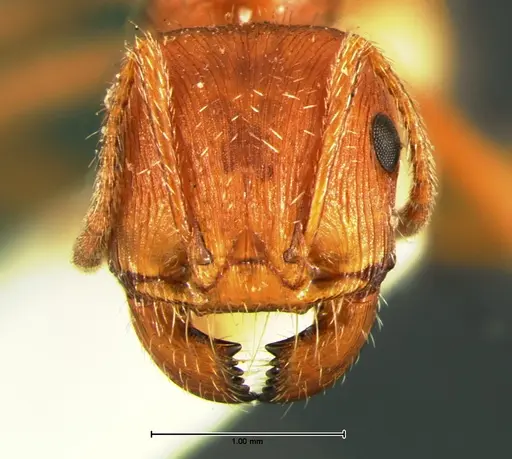
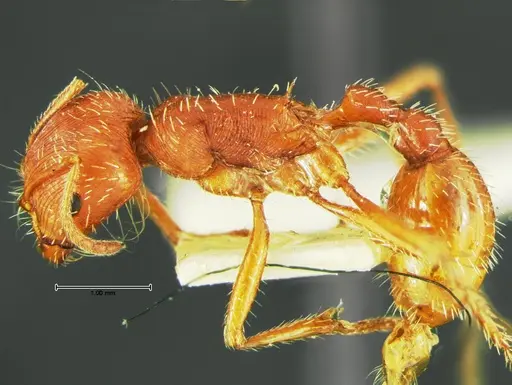
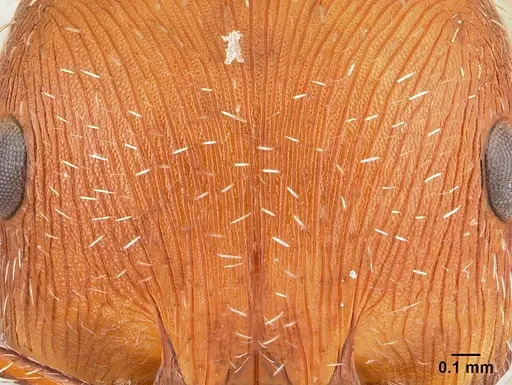
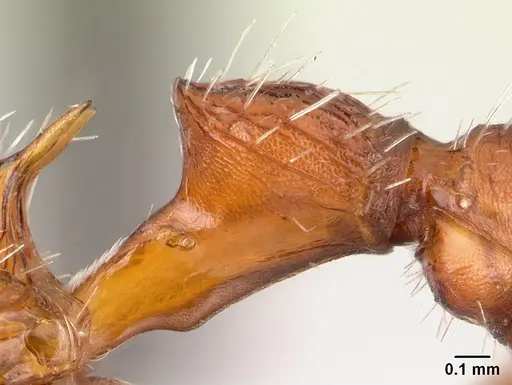
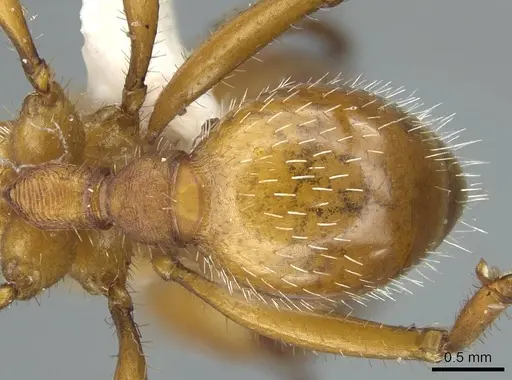
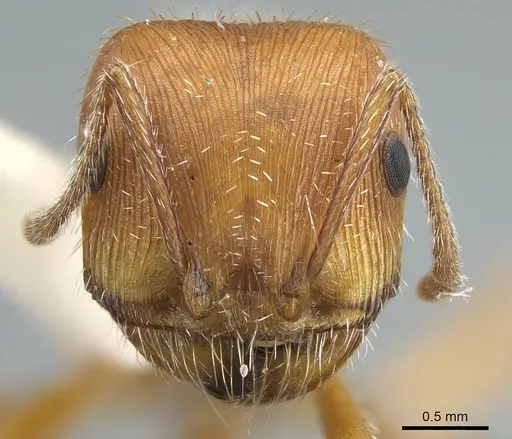
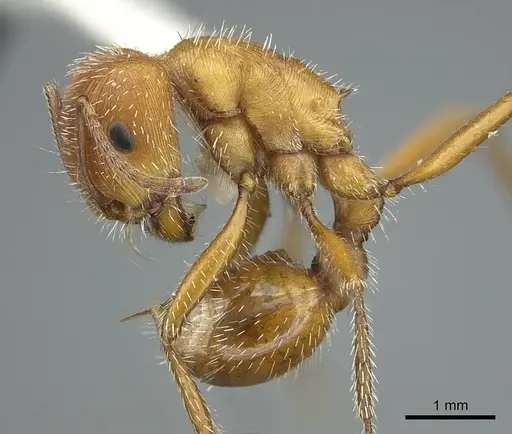
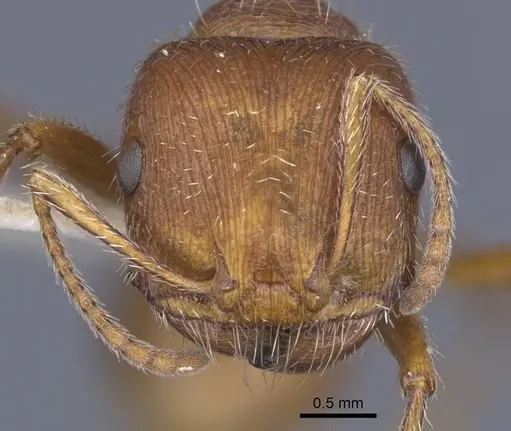
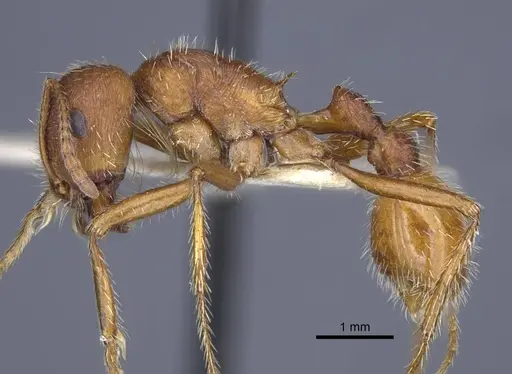
Pogonomyrmex comanche is a harvester ant native to the south-central United States, including western Louisiana, Texas, Kansas, Oklahoma, and Arkansas . Workers are typically 5-10 mm and queens larger, though exact body size measurements are not available in the research [inferred from Pogonomyrmex genus]. This species is easily identified by its flattened petiolar node with a longitudinal groove and coarse rugae . It nests almost exclusively in sandy areas near post-oak groves, building distinctive circular craters around nest entrances . P. comanche is a seed-harvester with solitary foraging strategies and has a painful sting that can autotomize, leaving the stinger embedded in victims .
Quick Summary
- Difficulty: Medium
- Origin & Habitat: Native to the south-central United States (western Louisiana, Texas, Kansas, Oklahoma, Arkansas), found in sandy areas near post-oak woodlands with deep, well-drained soils [3][4].
- Colony Type: Colony structure is unconfirmed from research, based on Pogonomyrmex genus patterns, likely single-queen colonies.
- Size & Growth:
- Queen: ~8-12 mm, inferred from Pogonomyrmex genus
- Worker: ~5-10 mm, inferred from Pogonomyrmex genus
- Colony: Up to several thousand workers at maturity, estimated from related Pogonomyrmex species
- Growth: Moderate, typical for Pogonomyrmex genus
- Development: Estimated 6-10 weeks at optimal temperature, inferred from genus patterns (Development time may vary with temperature, specific data for P. comanche not available)
- Antkeeping:
- Temperature: Keep warm, roughly 24-28°C, based on genus patterns and habitat in warm south-central US
- Humidity: Keep nest substrate dry to slightly moist, as this species inhabits sandy, well-drained soils [4][3]
- Diapause: Yes, likely requires winter diapause of 3-4 months at 10-15°C, inferred from Pogonomyrmex genus patterns
- Nesting: Use sandy, well-drained substrate, provide depth for crater nest architecture [4][3]
- Behavior: Solitary foragers with limited recruitment [5][6], painful sting that autotomizes [7][8], not aggressive unless threatened, but defend nest vigorously. Escape risk is moderate due to active foraging.
- Common Issues: painful stings, handle with care and use protection, escape prevention, active foragers need secure setups, humidity sensitivity, too much moisture causes fungal problems, slow founding, queens take time to establish first workers, habitat specificity, may be sensitive to substrate conditions
Housing and Nest Setup
Pogonomyrmex comanche needs sandy, well-drained nesting conditions to mimic its natural habitat. Use a substrate mix of coarse sand and loamy soil, ensuring quick drainage [4][3]. Provide depth for crater nest architecture, as this species builds circular entrances in the wild. For founding colonies, use a test tube setup, transition to a sandy formicarium once workers emerge. Escape prevention is important due to active foraging.
Feeding and Diet
As seed-harvesters, P. comanche primarily eats seeds. Offer grass seeds, millet, cracked sunflower seeds, or commercial ant seed mixes. They also accept small insects like fruit flies during brood development [5][6]. Sugar water can be offered occasionally. Remove uneaten seeds to prevent mold, but note that ants store seeds in the nest.
Temperature and Seasonal Care
Keep temperatures around 24-28°C, with a thermal gradient for self-regulation. During winter, provide a diapause period of 3-4 months at 10-15°C, inferred from genus patterns. This mimics natural seasonal cycles and supports colony health.
Defense and Sting Management
This species has a painful sting that can autotomize, leaving the stinger embedded like a honey bee [7][8]. Handle colonies gently to avoid stings. If stung, remove the stinger by scraping sideways. The venom is potent, so use caution during maintenance.
Colony Founding
Founding behavior is unconfirmed from research. Based on genus patterns, queens may seal themselves in a chamber and raise first workers alone, but this is not verified. Do not feed founding queens if they are claustral. After workers emerge, offer seeds and protein.
Natural History and Conservation
P. comanche has a specific habitat in sandy areas near post-oak groves [4][3]. It is a species of conservation concern in Arkansas due to limited distribution in rare sandhill communities [3]. Nests are marked by circular craters, and the species plays a role in seed dispersal.
Frequently Asked Questions
Does Pogonomyrmex comanche have a painful sting?
Yes, it has a painful sting that can autotomize, leaving the stinger embedded in victims [7][8]. Handle with care.
What do Pogonomyrmex comanche ants eat?
They are seed-harvesters, so seeds should form the bulk of their diet. They also accept small insects during brood development [5][6].
How long does it take for Pogonomyrmex comanche to raise first workers?
Estimated 6-10 weeks at optimal temperature, inferred from genus patterns, but specific data is unavailable.
Do Pogonomyrmex comanche ants need hibernation?
Yes, likely requires a winter diapause of 3-4 months at reduced temperatures, inferred from Pogonomyrmex genus patterns.
What type of nest substrate is best for Pogonomyrmex comanche?
Use sandy, well-drained substrate, as this species naturally inhabits sandy soils [4][3].
Are Pogonomyrmex comanche ants good for beginners?
This species is rated medium difficulty due to painful sting and specific habitat needs, making it better for experienced keepers.
How big do Pogonomyrmex comanche colonies get?
Up to several thousand workers at maturity, estimated from related Pogonomyrmex species.
Can I keep multiple Pogonomyrmex comanche queens together?
Colony type is unconfirmed, but based on genus patterns, it is likely monogyne. Multiple queens may fight if unrelated.
Why does my Pogonomyrmex comanche have a circular crater nest?
This is normal behavior, as this species builds circular craters in the wild [4].
Is Pogonomyrmex comanche aggressive?
They are not aggressive toward humans unless threatened, but defend their nest vigorously. Solitary foragers with potent stings [5][6].
Report an Issue
The current care sheet is based fully on literature. See inconsistencies, or something that's incorrect? Please , it will be resolved after review from an admin. Contributing to the blogs tab also helps providing information, to make us be able to further improve the caresheets. Thank you for your support!
References

This caresheet is licensed under CC BY-SA 4.0 .
Community Blogs
CASENT0104840
View on AntWeb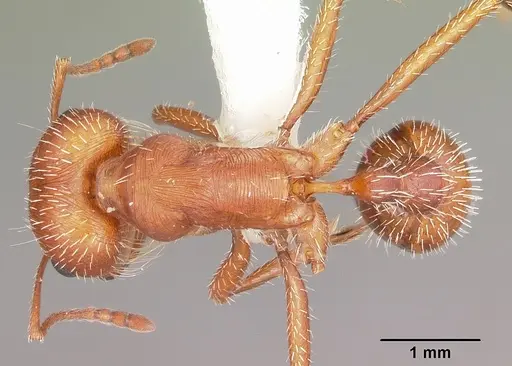
CASENT0104841
View on AntWeb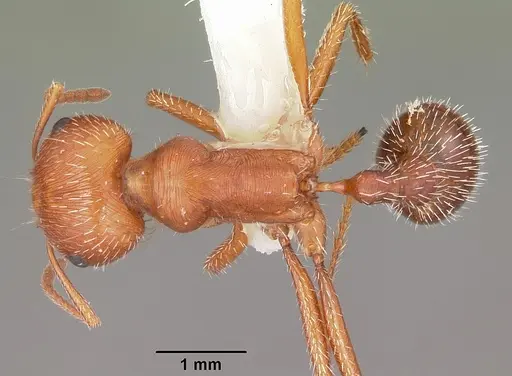
CASENT0105654
View on AntWeb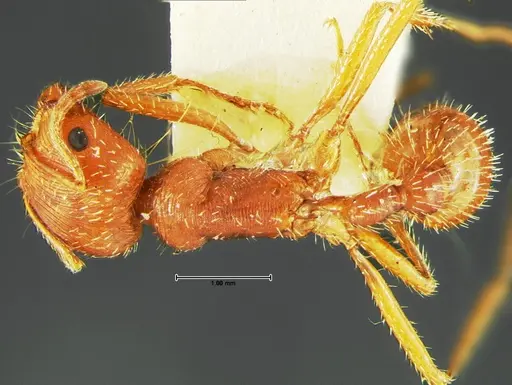
CASENT0178912
View on AntWeb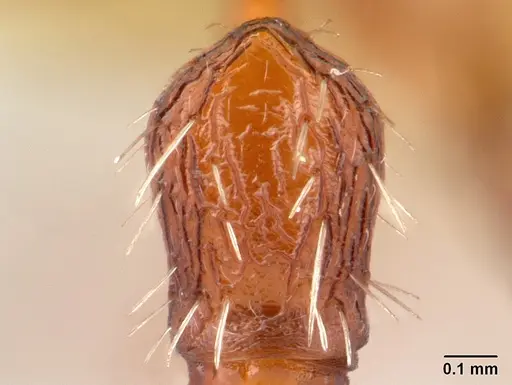
CASENT0178913
View on AntWeb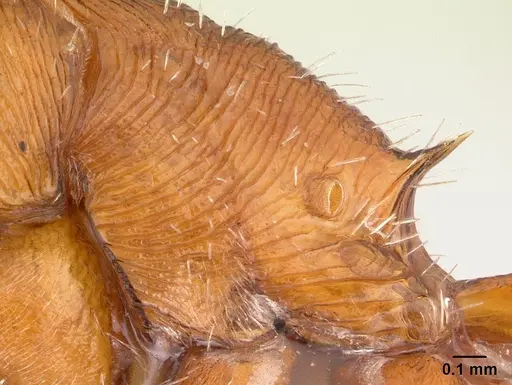
CASENT0914458
View on AntWeb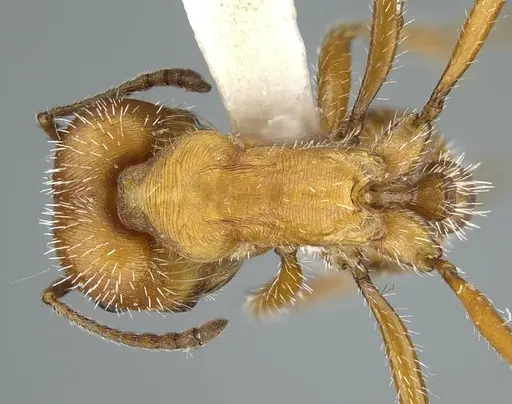
CASENT0916912
View on AntWeb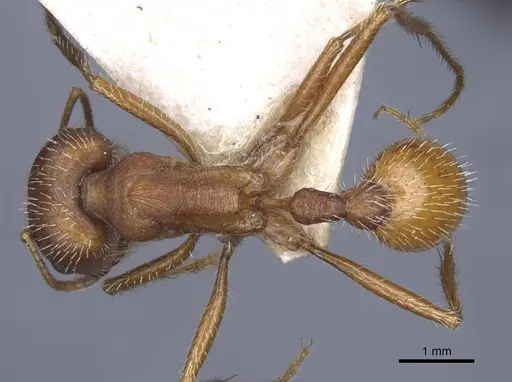
Literature
Loading distribution map...Loading products...