
Pogonomyrmex brevibarbis
- Sci. Name
- Pogonomyrmex brevibarbis
- Tribe
- Pogonomyrmecini
- Subfamily
- Myrmicinae
- Author
- Emery, 1906
- Distribution
- Found in 1 countries
Introduction
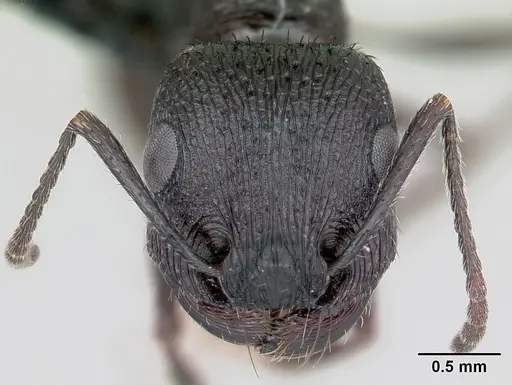
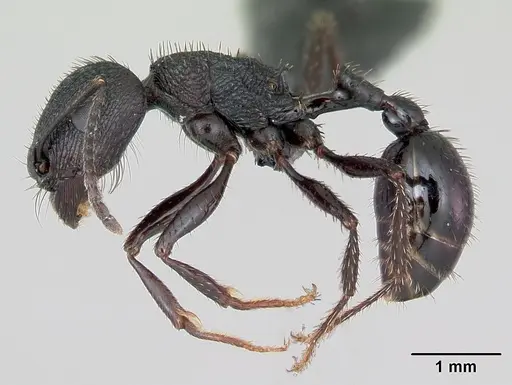
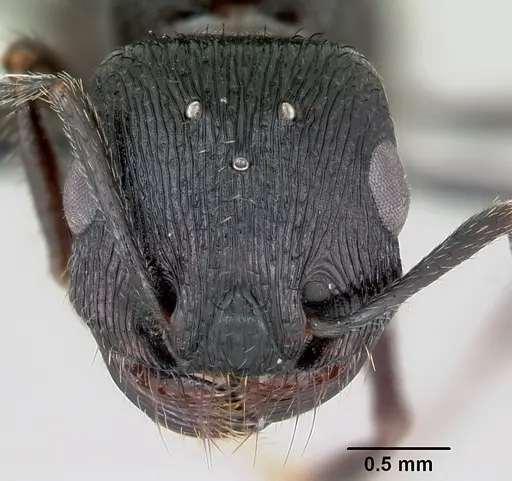
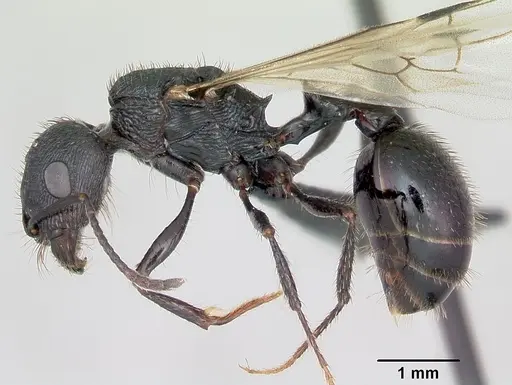
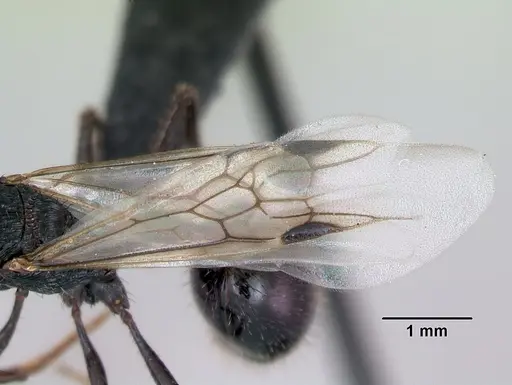
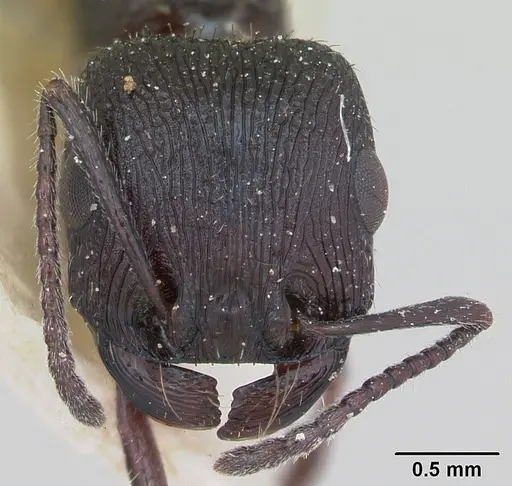
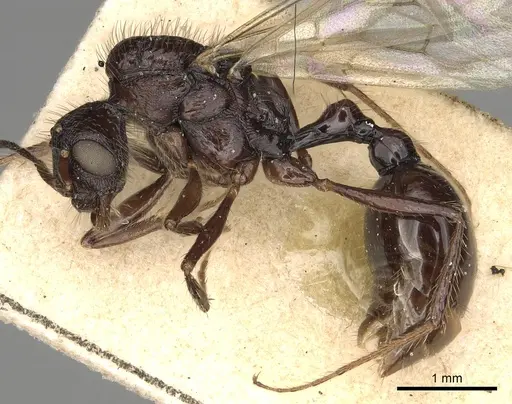
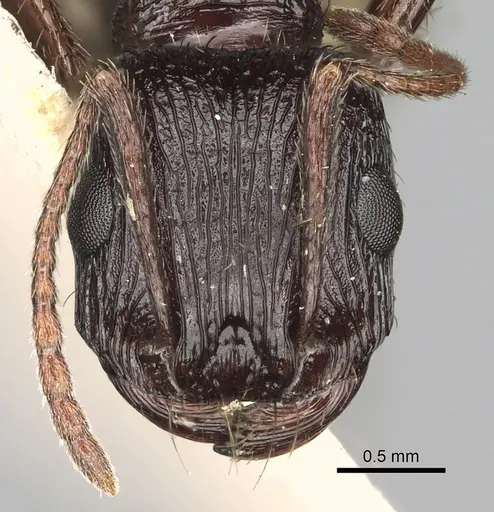
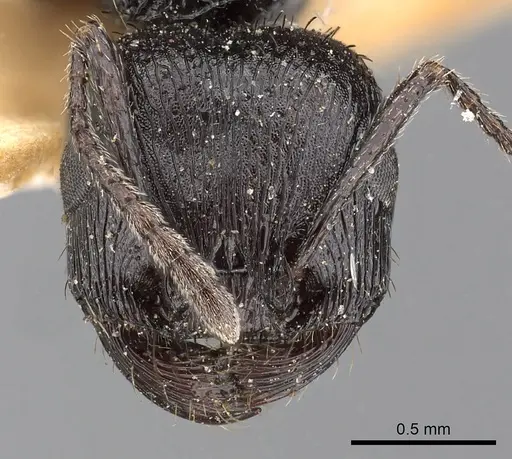
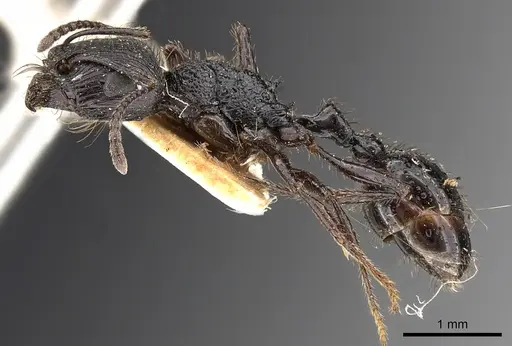
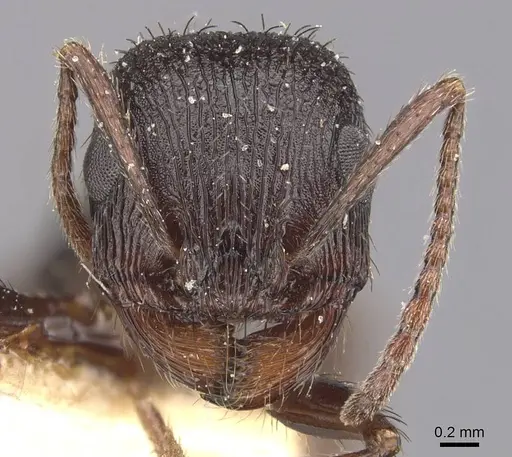
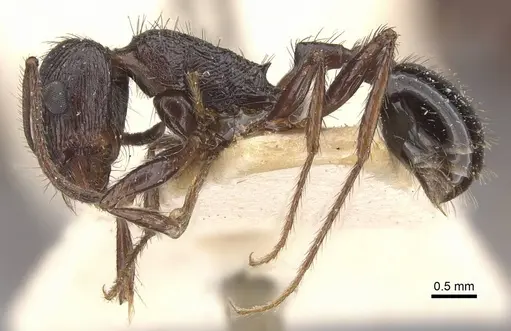
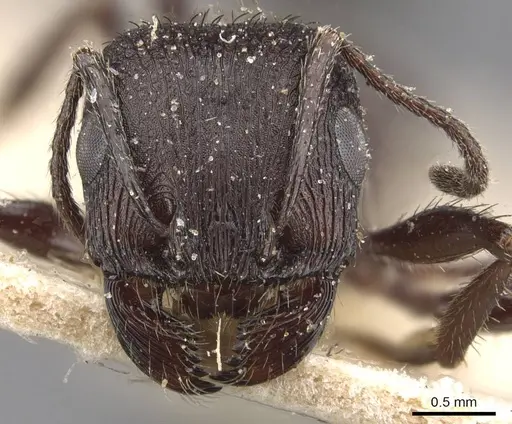
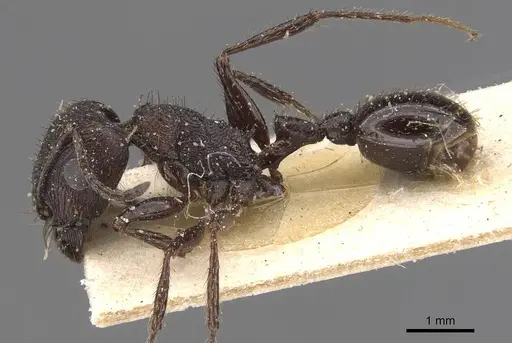
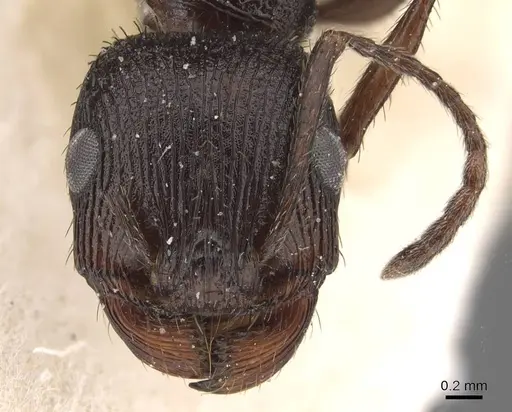
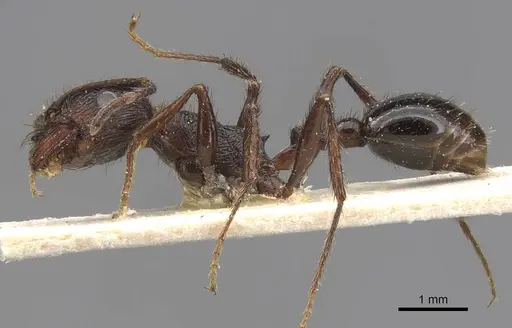
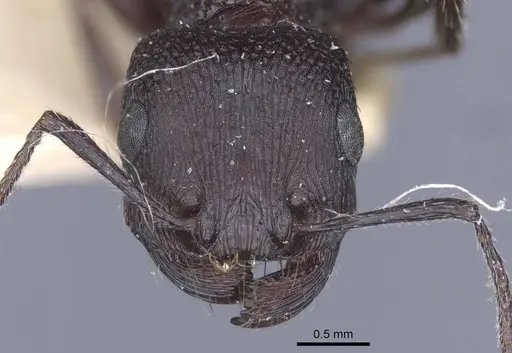
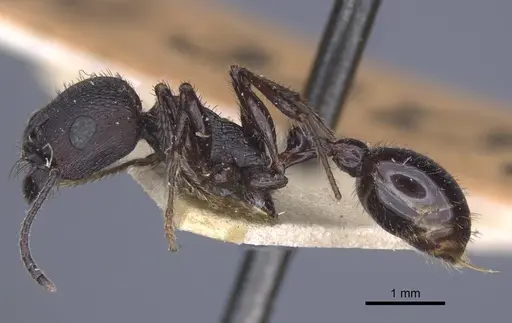
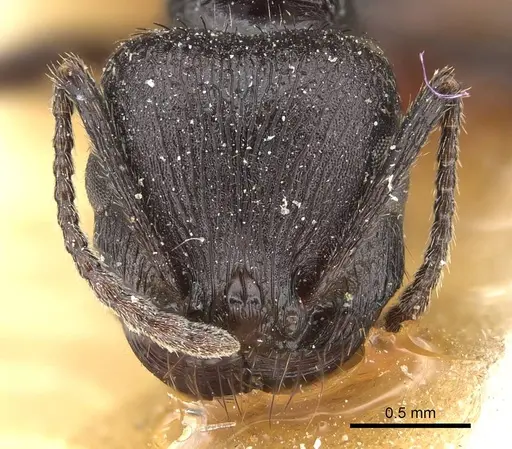
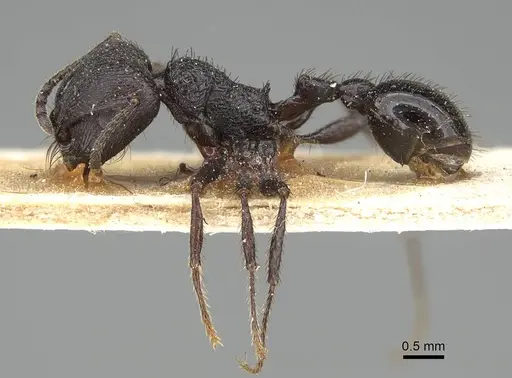
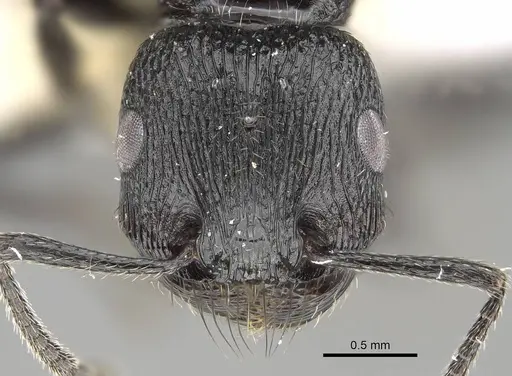
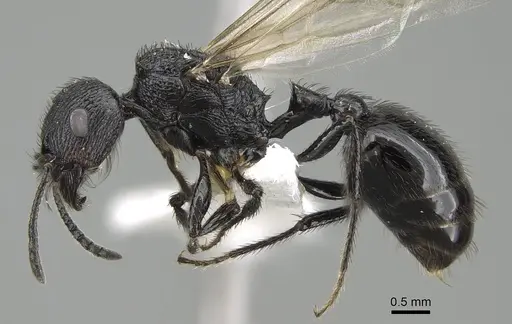
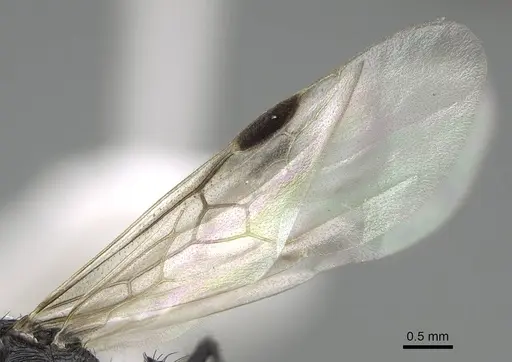
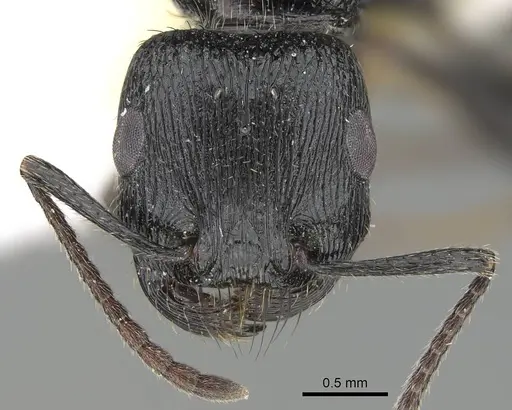
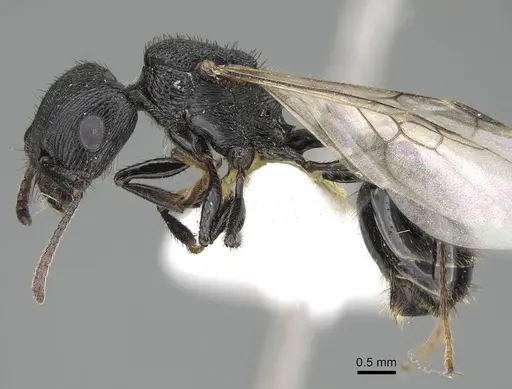
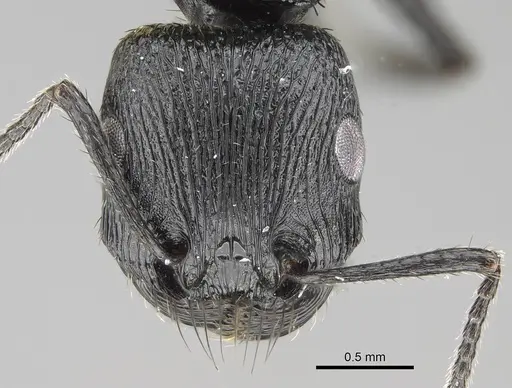
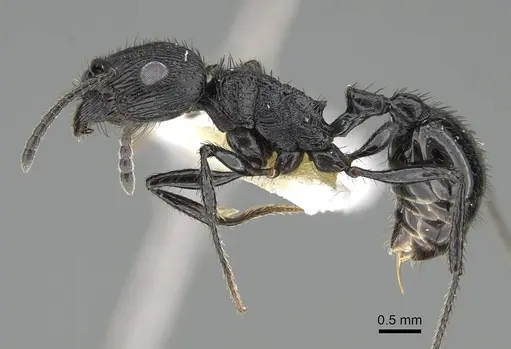
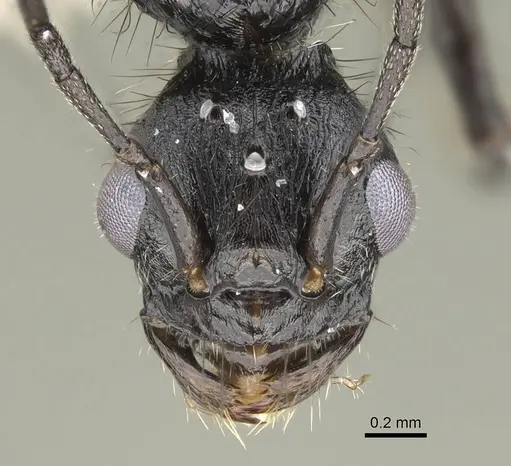
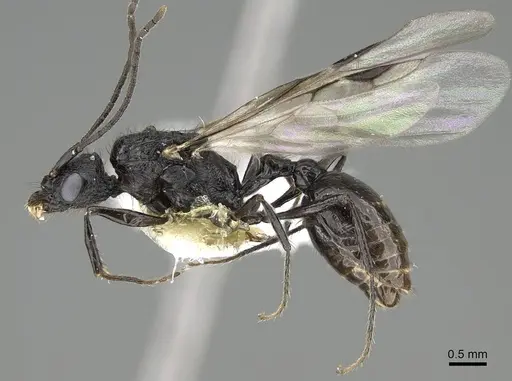
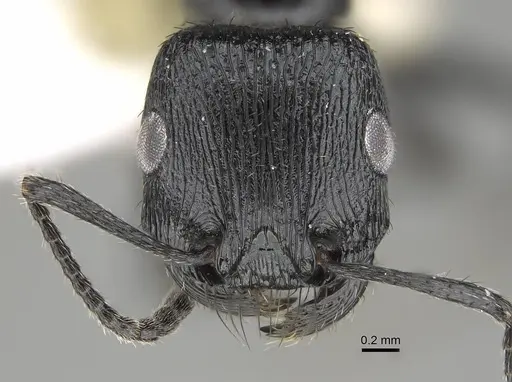
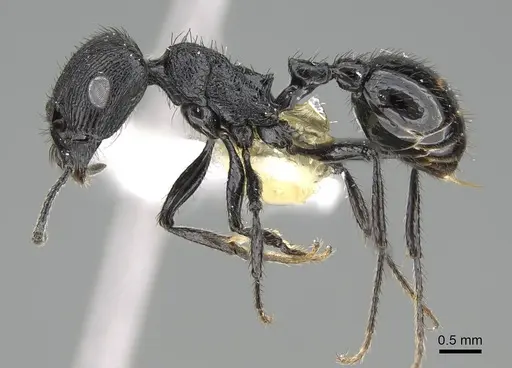
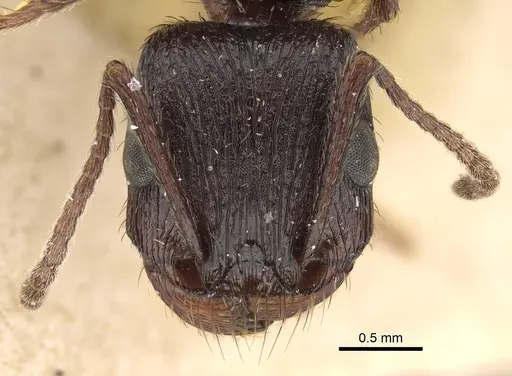
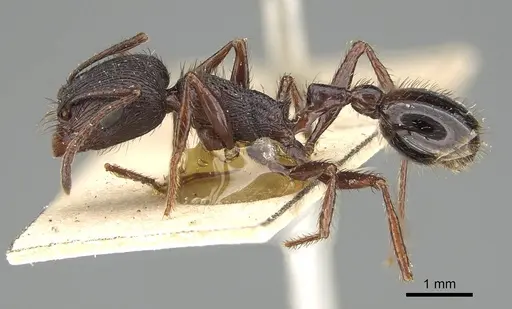
Pogonomyrmex brevibarbis is a small seed-harvester ant endemic to Hispaniola, specifically Haiti and the Dominican Republic . Workers are dark reddish-brown in coloration . Body size data is unavailable from the research, but they are small for the genus . They inhabit mid to high elevation sites, including montane forest edges, moist forest edges, and grassy fields . This species is known for its seed-harvesting behavior, storing seeds in granaries within nests under stones .
Quick Summary
- Difficulty: Medium
- Origin & Habitat: Endemic to Hispaniola (Haiti and Dominican Republic), found in mid to high elevation habitats such as montane forest edges, moist forest edges, and grassy fields [1][2].
- Colony Type: Unconfirmed, no specific data on queen number or social structure from the research.
- Size & Growth:
- Antkeeping:
- Temperature: Keep at temperatures suitable for montane forest species, roughly 20-25°C. A heating gradient can be provided [1].
- Humidity: Keep humidity moderate to high, with substrate consistently moist but not waterlogged, reflecting their natural forest habitats [1].
- Diapause: Unknown, no specific data on diapause requirements.
- Nesting: Use Y-tong or soil nests with tight chambers, as they nest under stones in natural habitats [1][2].
- Behavior: Workers are active foragers that establish trails to food sources. They are diurnal and defend their nest vigorously. Due to their small size, escape risk is high, use fine mesh barriers [1][3].
- Common Issues: high escape risk due to small size, ensure all connections are sealed with fine mesh., seed storage can lead to mold if humidity is too high, maintain moderate humidity., no specific diapause data, monitor colony health during cooler periods., founding colonies are fragile, avoid disturbance during early stages.
Housing and Nest Setup
Pogonomyrmex brevibarbis is a small ant, so your nest chambers should be appropriately sized. Y-tong (AAC) nests work well, with tight chambers that match their natural nesting under stones [1][2]. You can also use soil-filled areas for them to dig their own chambers. Connect the nest to an outworld for foraging. Due to their small size, use fine mesh on ventilation holes and check connections regularly for gaps [3].
Feeding and Diet
As seed-harvester ants, their primary diet consists of seeds. Offer a variety of small seeds like grass seeds or millet. They may also accept protein sources like small insects [3]. Remove uneaten seeds to prevent mold. Keep seeds available constantly in the outworld.
Temperature and Seasonal Care
Maintain nest temperatures around 20-25°C during the active season, based on their montane forest habitat [1]. A heating cable can create a gradient. Diapause requirements are unknown, but monitor colony health during cooler periods.
Colony Founding
Founding behavior is unconfirmed. If a queen seals herself in a chamber, avoid disturbance to prevent colony failure [3].
Behavior and Foraging
Workers forage in trails, collecting seeds for storage in granaries. They are diurnal and defend their nest aggressively. Escape risk is high due to small size, so ensure secure barriers [1][3].
Frequently Asked Questions
How long does it take for Pogonomyrmex brevibarbis to produce first workers?
Estimated 6-10 weeks from egg to worker under warm conditions, based on typical Pogonomyrmex patterns [3].
Can I keep multiple Pogonomyrmex brevibarbis queens together?
No specific data on social structure, but most Pogonomyrmex species are monogyne. Combining queens may lead to conflict.
What temperature do Pogonomyrmex brevibarbis need?
Keep them at roughly 20-25°C, suitable for their montane forest habitat [1].
Do they need hibernation or diapause?
Diapause requirements are unknown from the research. Monitor colony health during cooler periods.
What do Pogonomyrmex brevibarbis eat?
They are seed harvesters, primary food is seeds, with occasional protein sources [3].
Are Pogonomyrmex brevibarbis good for beginners?
They are intermediate difficulty due to small size and escape risk. Proper care is needed for success.
How big do Pogonomyrmex brevibarbis colonies get?
Up to 300 workers, based on research [1].
When should I move them to a formicarium?
Once the colony has several workers and shows foraging behavior, move to a proper nest like Y-tong [3].
Why are my ants dying during winter?
Diapause is unknown, but ensure stable conditions and avoid disturbance. Weak colonies may not survive cooler periods.
Report an Issue
The current care sheet is based fully on literature. See inconsistencies, or something that's incorrect? Please , it will be resolved after review from an admin. Contributing to the blogs tab also helps providing information, to make us be able to further improve the caresheets. Thank you for your support!
References

This caresheet is licensed under CC BY-SA 4.0 .
Community Blogs
CASENT0102690
View on AntWeb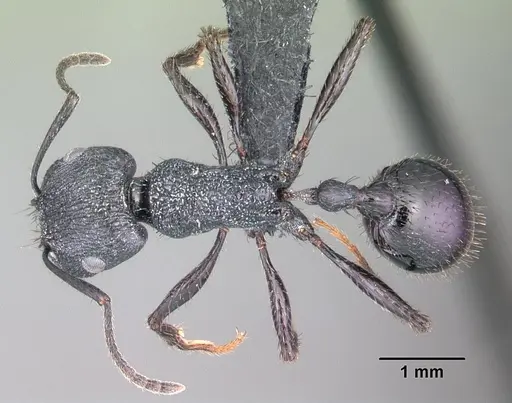
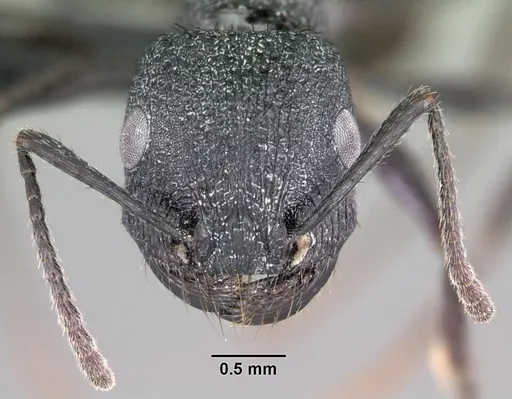
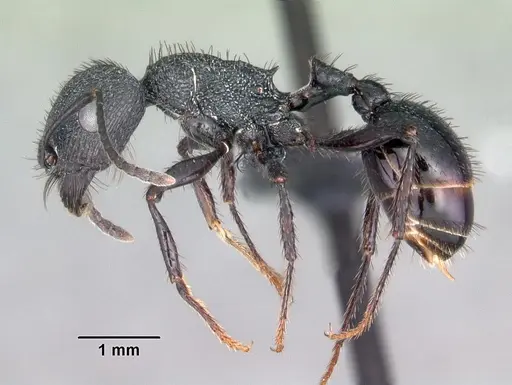
CASENT0172669
View on AntWeb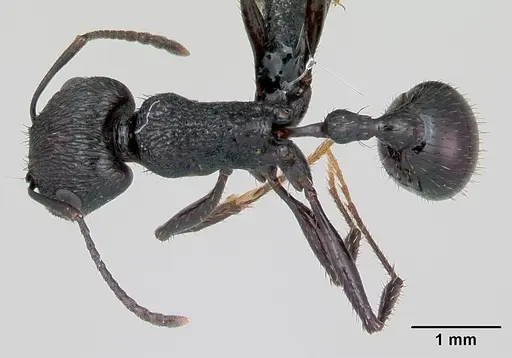
CASENT0172670
View on AntWeb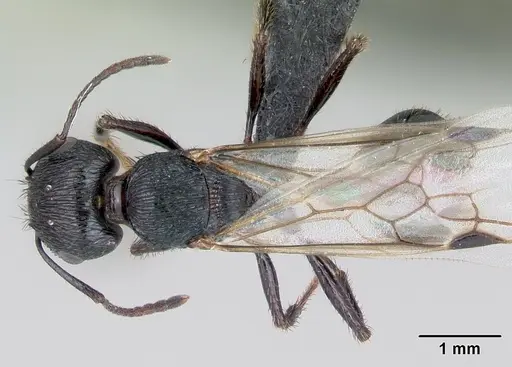
CASENT0173351
View on AntWeb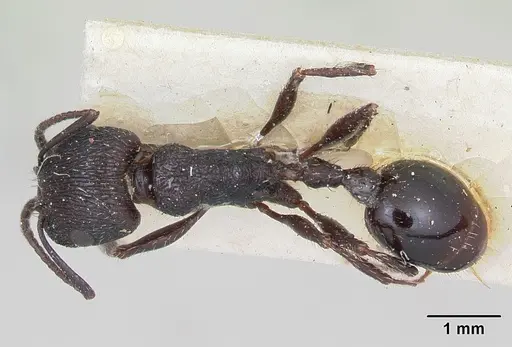
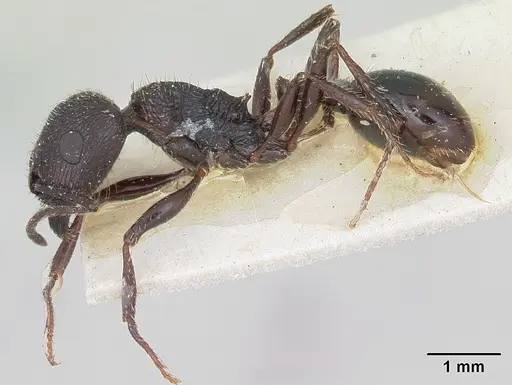
CASENT0191301
View on AntWeb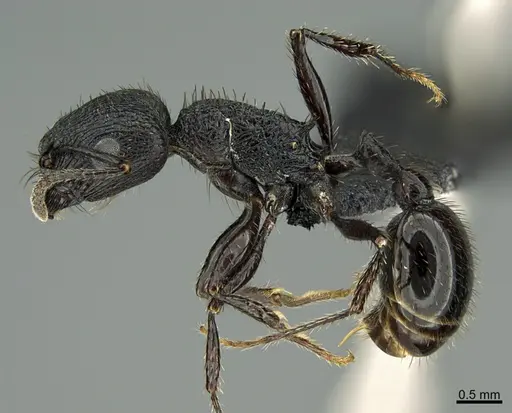
CASENT0281088
View on AntWeb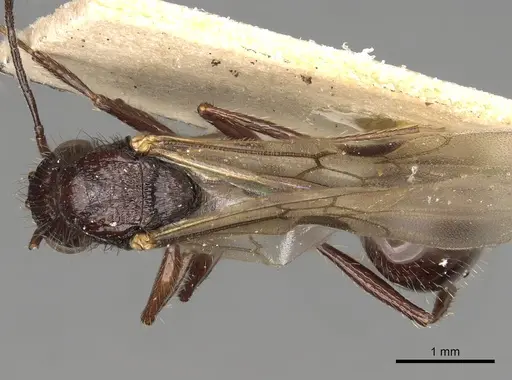
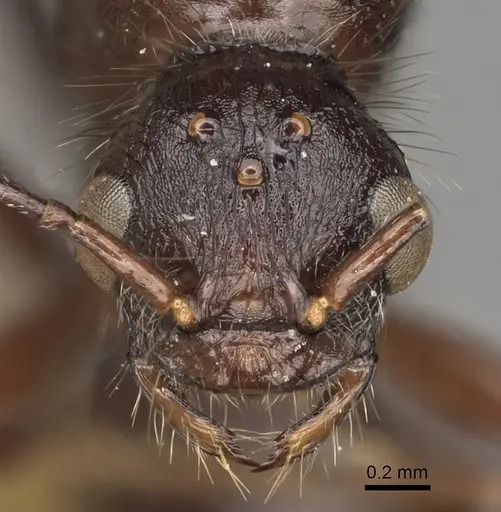
CASENT0281091
View on AntWeb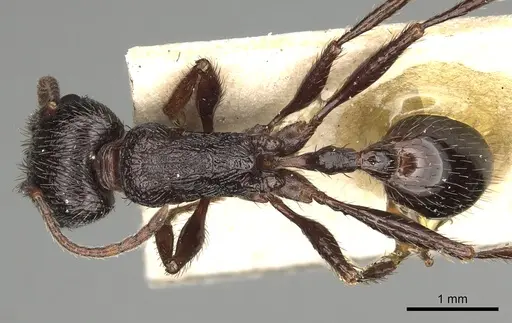
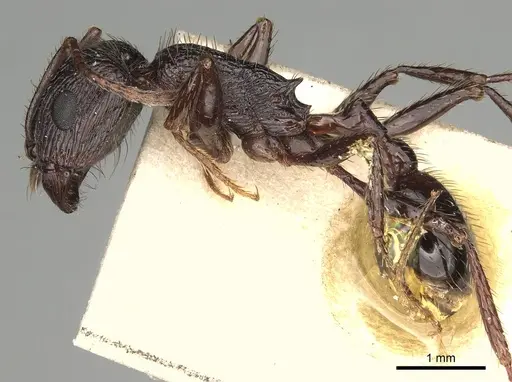
CASENT0281105
View on AntWeb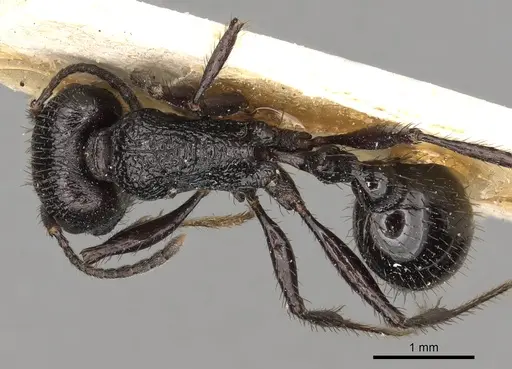
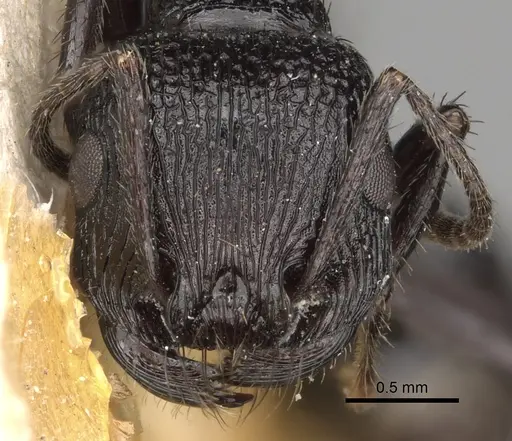
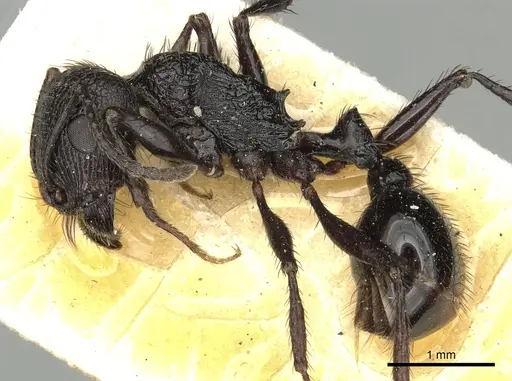
CASENT0900382
View on AntWeb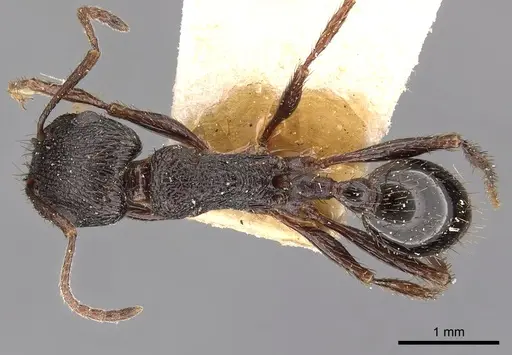
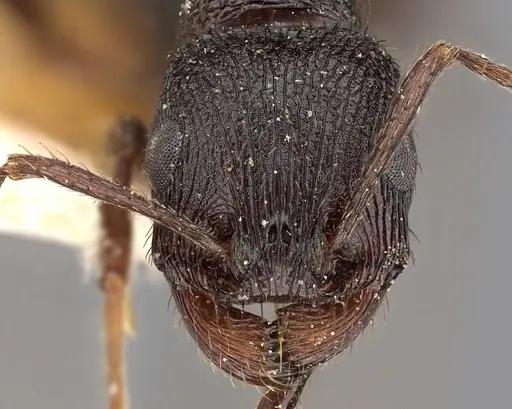
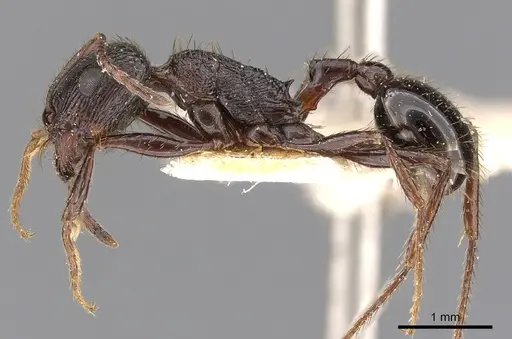
CASENT0900383
View on AntWeb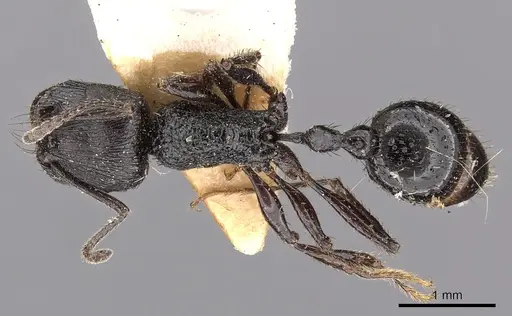
CASENT0907627
View on AntWeb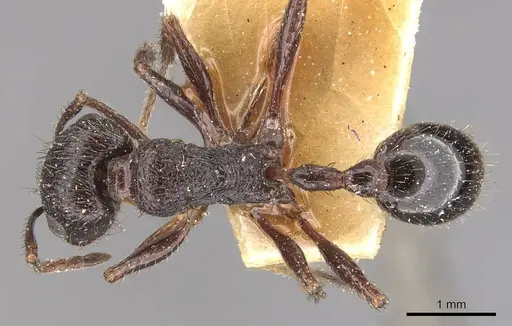
CASENT0907628
View on AntWeb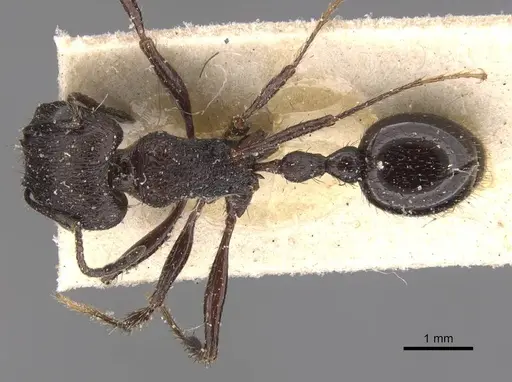
CASENT0907629
View on AntWeb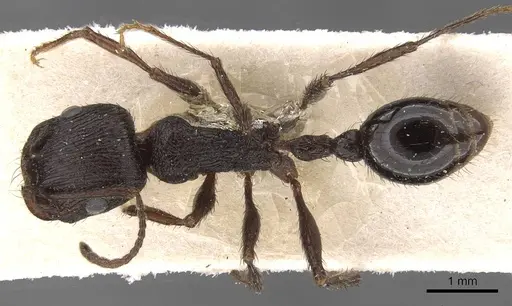
CASENT0907630
View on AntWeb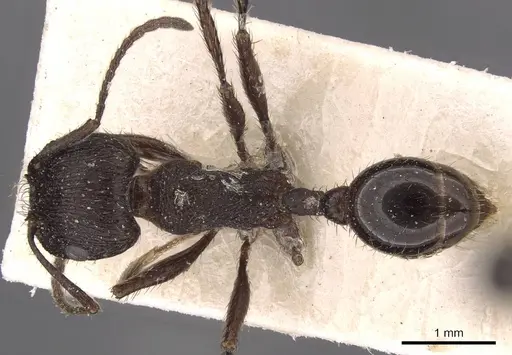
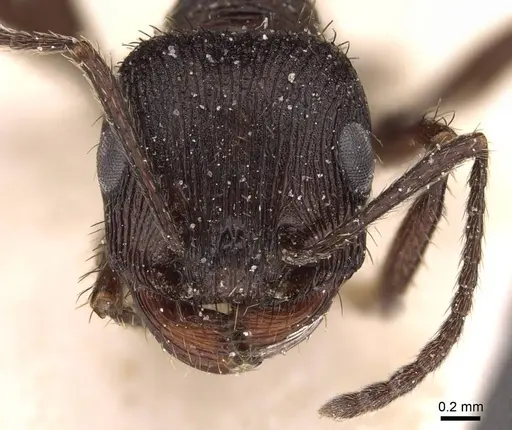
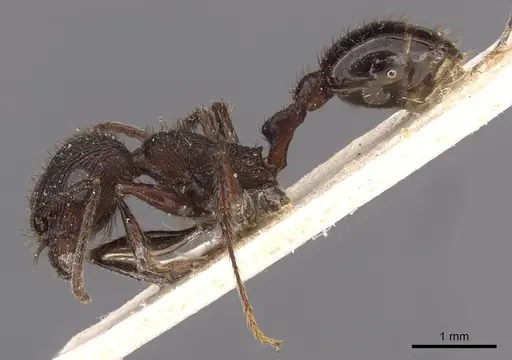
CASENT0916914
View on AntWeb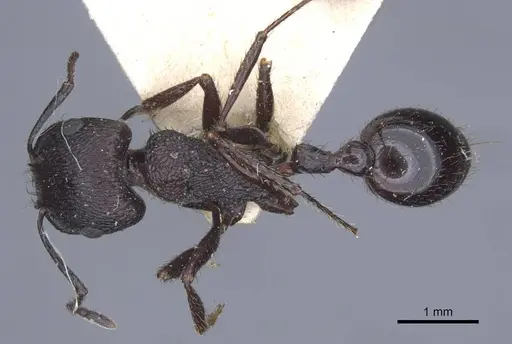
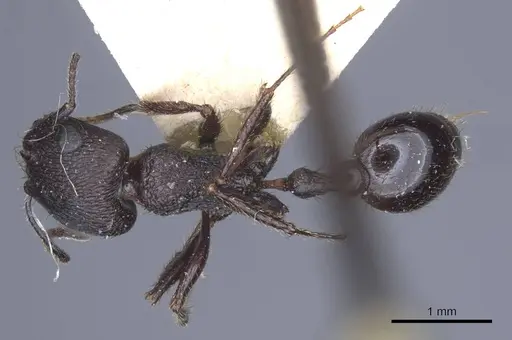
CASENT0922082
View on AntWeb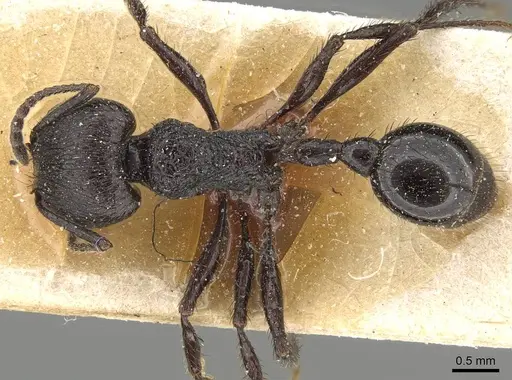
CASENT0922083
View on AntWeb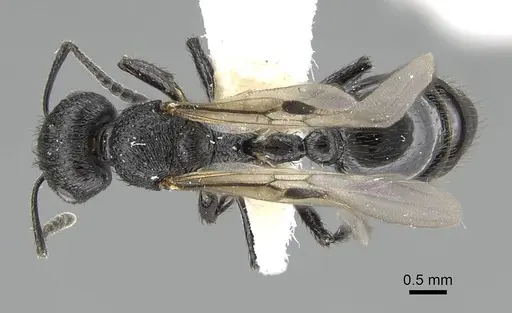
CASENT0922085
View on AntWeb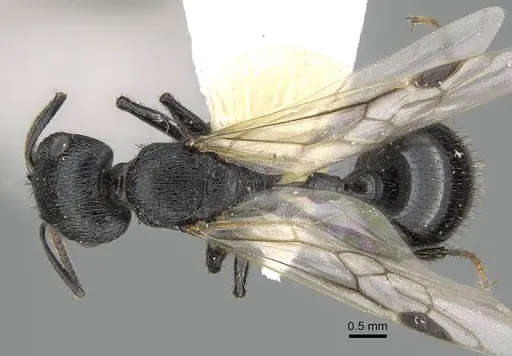
CASENT0922086
View on AntWeb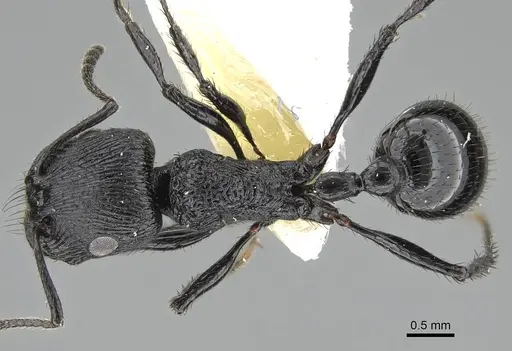
CASENT0922088
View on AntWeb
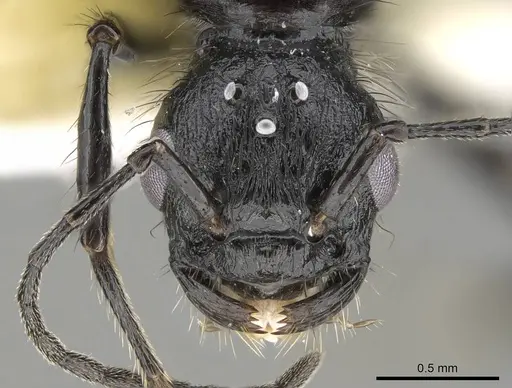
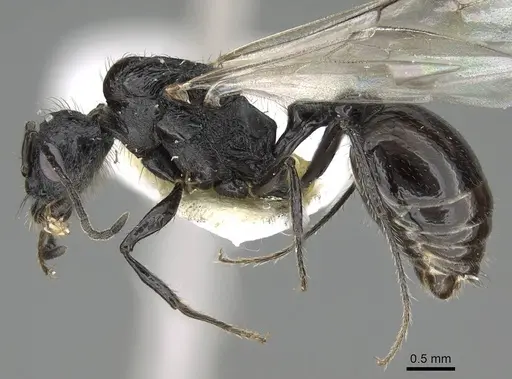
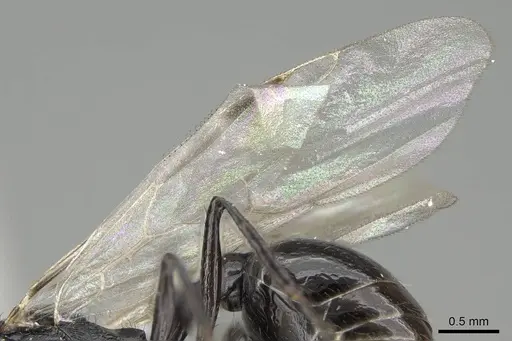
CASENT0922089
View on AntWeb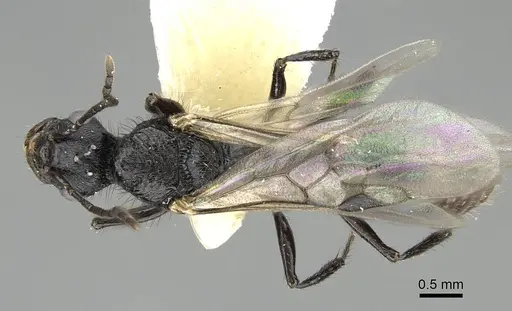
CASENT0922091
View on AntWeb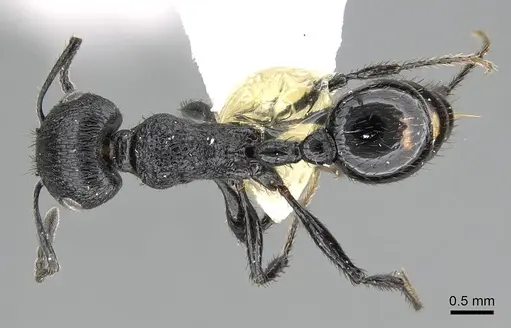
CASENT0922098
View on AntWeb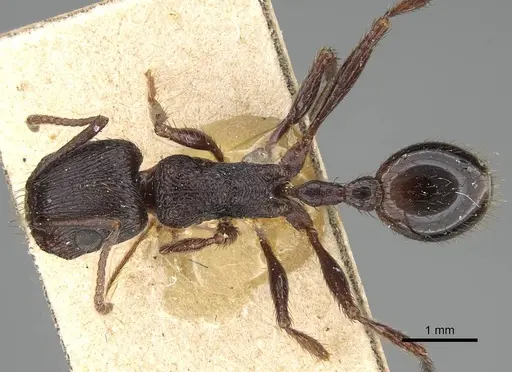
Literature
Loading distribution map...Loading products...