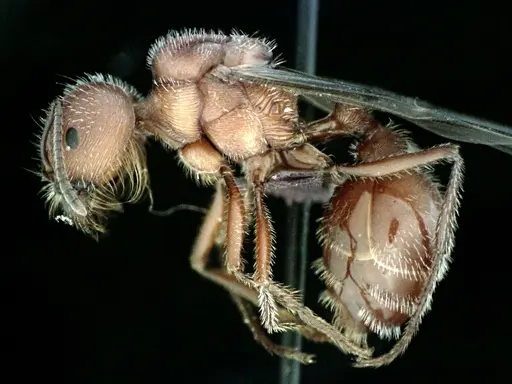
Pogonomyrmex badius shows a May to July flight window. Peak activity occurs in June, with nuptial flights distributed across 3 months.
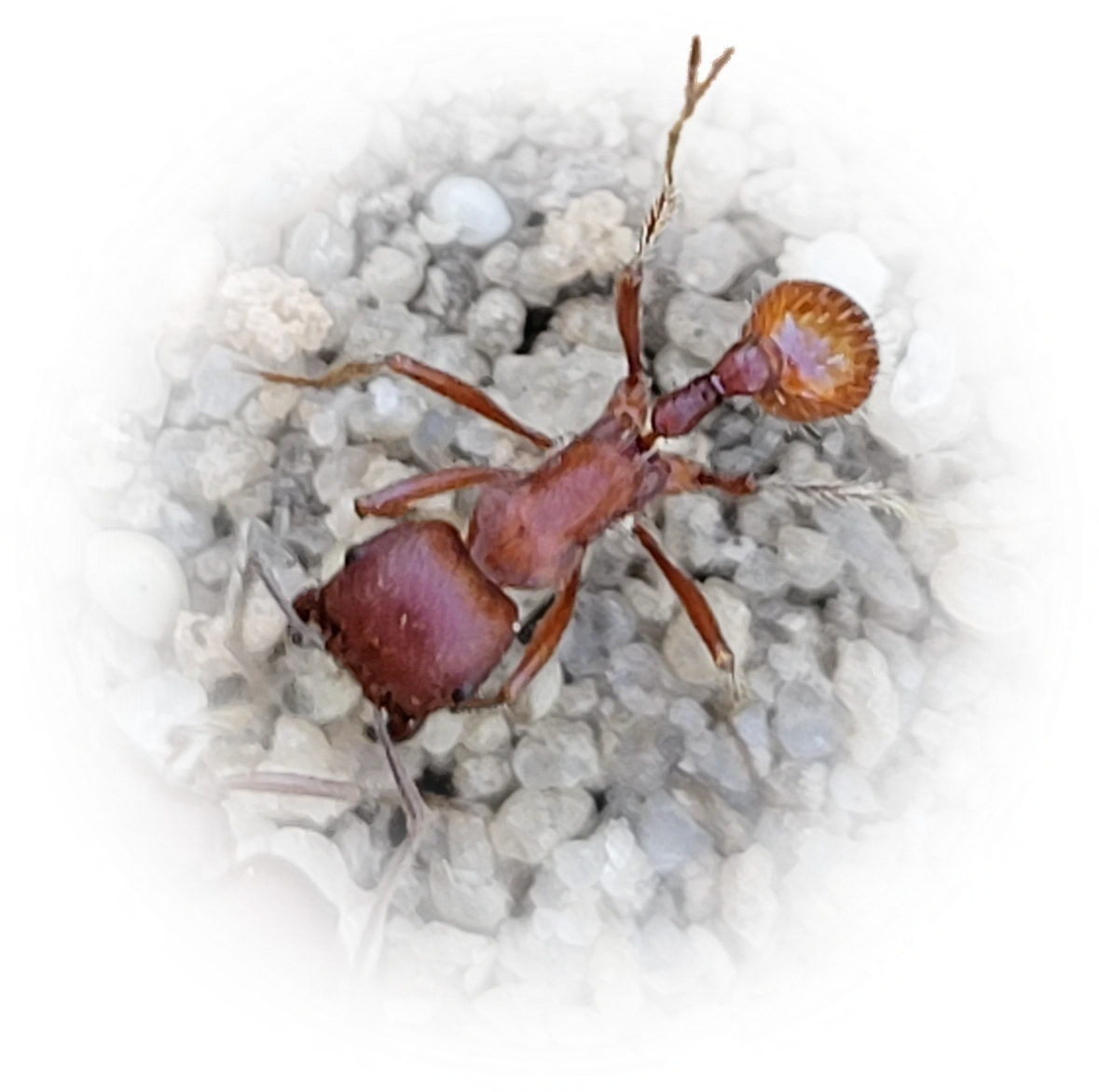
Florida Harvester Ant
Pogonomyrmex badius
- Sci. Name
- Pogonomyrmex badius
- Tribe
- Pogonomyrmecini
- Subfamily
- Myrmicinae
- Author
- Latreille, 1802
- Common Name
- Florida Harvester Ant
- Distribution
- Found in 1 countries
- Nuptial Flight
- From May to July
- Peak flight Time
- 10:00
AI Identifiable
try →
Introduction
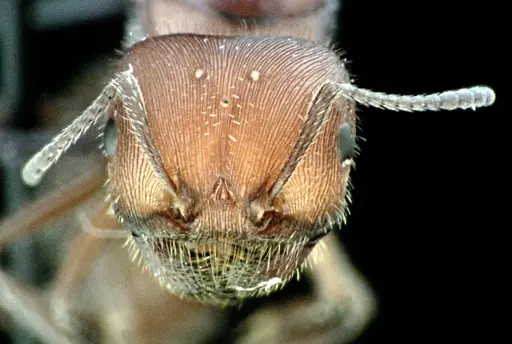
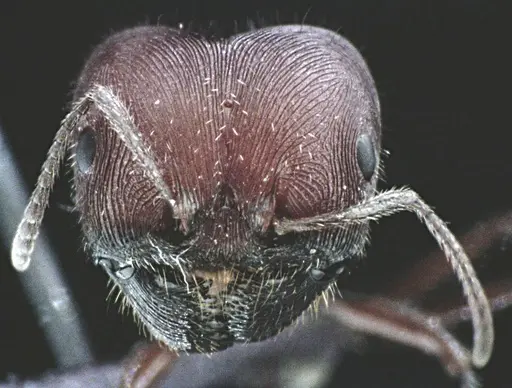
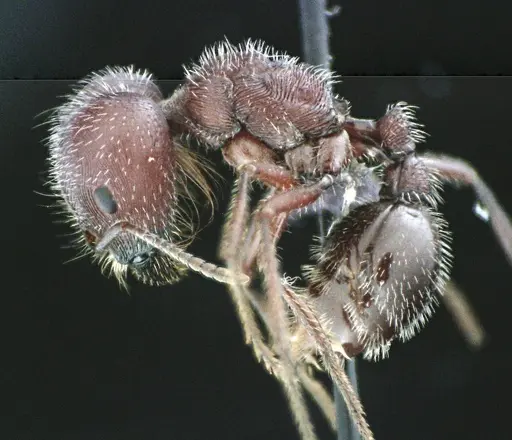
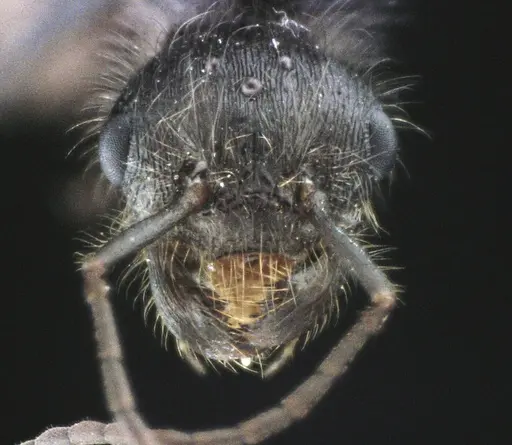
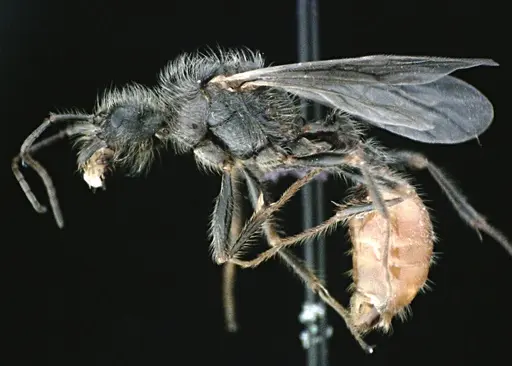
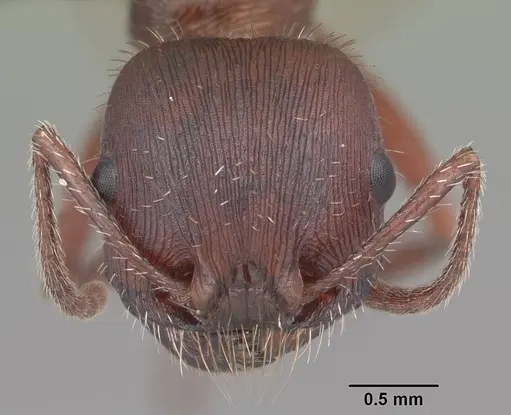
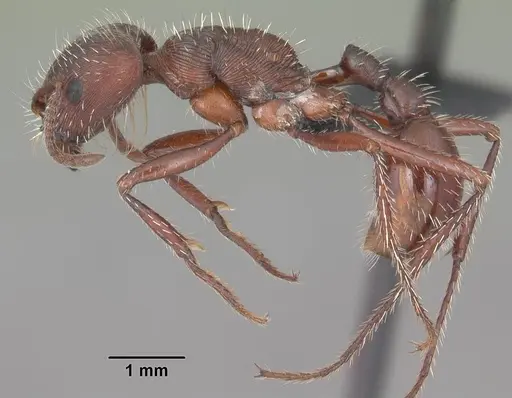
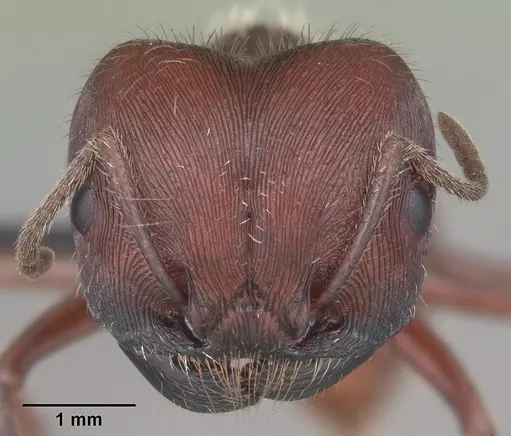
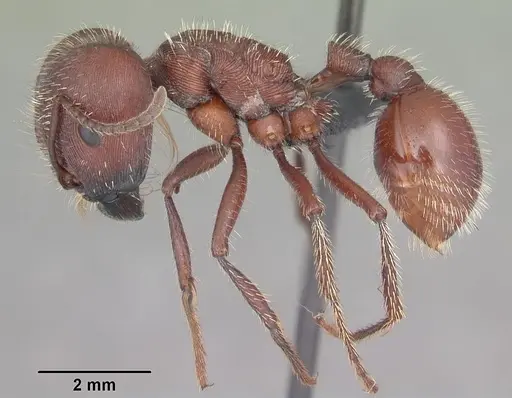
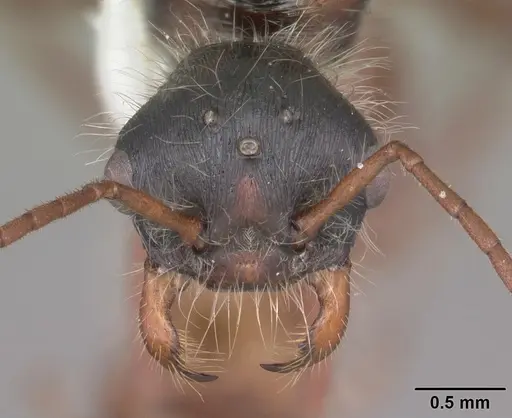
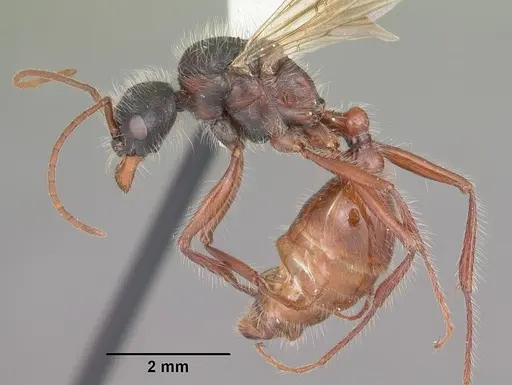
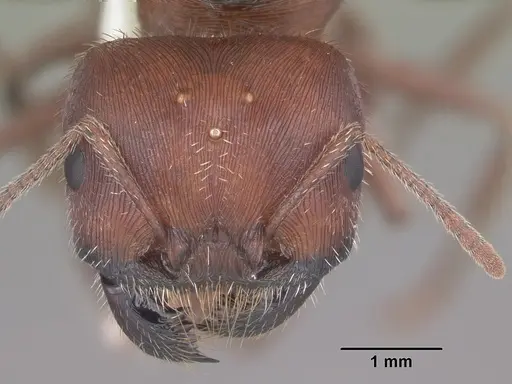
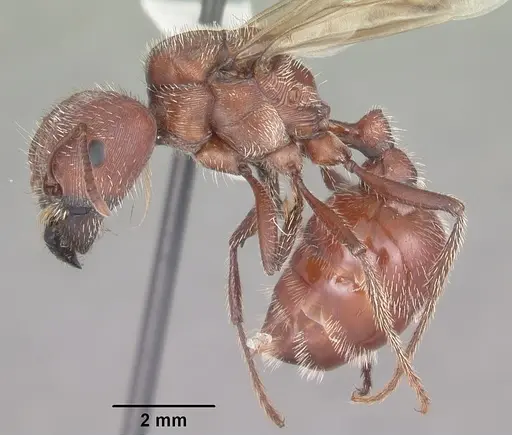
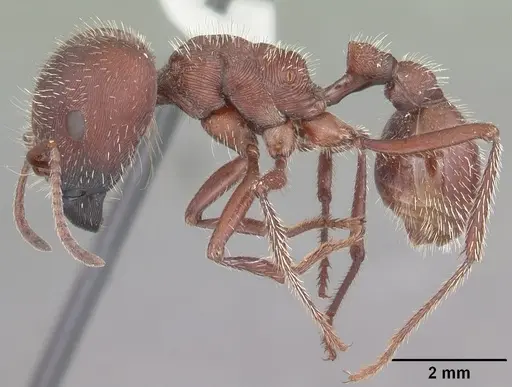
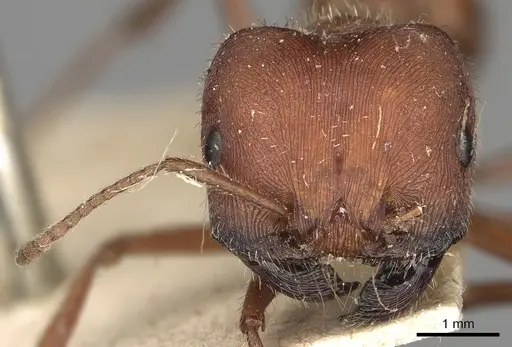
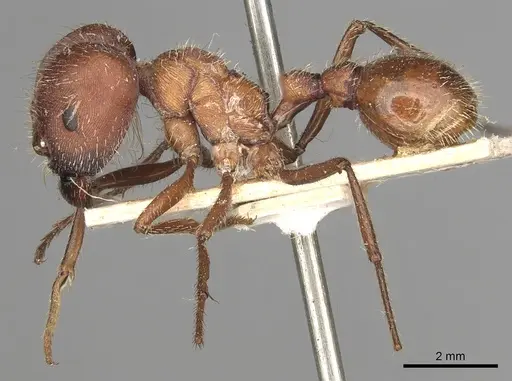
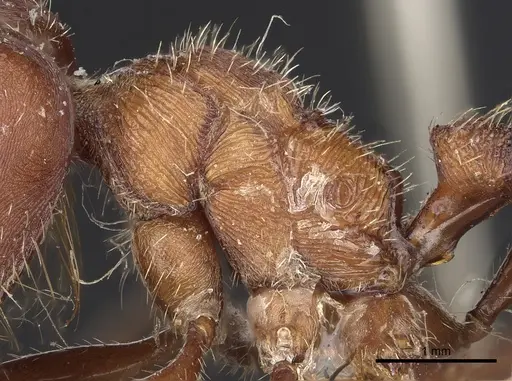
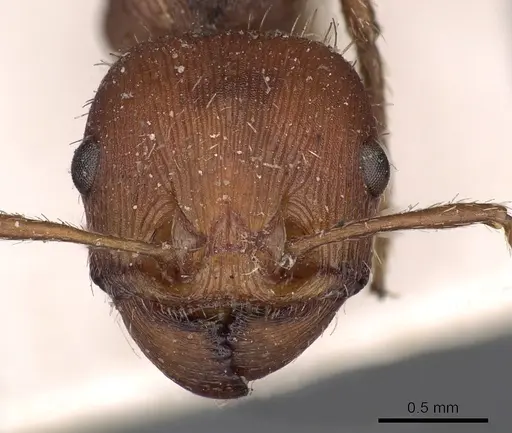
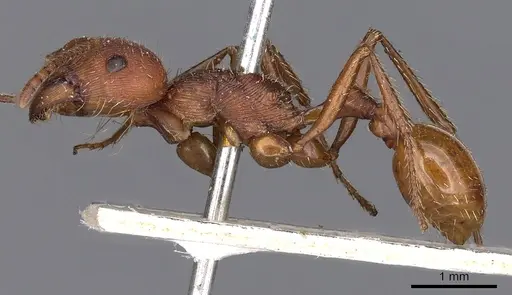
The Florida harvester ant is the only Pogonomyrmex species found east of the Mississippi River . It has polymorphic workers: minor workers are small and slender, while major workers have enlarged heads and powerful mandibles for cracking seeds. Worker sizes are inferred from genus patterns, with minors around 4-6 mm and majors 8-12 mm. Queens are large and long-lived. Colonies are monogyne with extreme polyandry, as queens mate with 9-10+ males . They build deep nests up to 3 meters in well-drained sandy soils, with helical shafts and horizontal chambers . The nest entrance has a distinctive crater decorated with charcoal pieces . Their sting is among the most painful of North American ants .
Quick Summary
- Difficulty: Expert
- Origin & Habitat: Native to southeastern United States, from North Carolina south to Florida and west to Louisiana. Found in open, xeric communities like sand barrens and longleaf pine sandhills, requiring deep, well-drained sandy soils [6][1].
- Colony Type: Monogyne (single queen) with extreme polyandry, queen mates with 9-10+ males [2][7].
- Size & Growth:
- Queen: inferred from Pogonomyrmex genus: ~12-15 mm
- Worker: inferred from Pogonomyrmex genus: minor ~4-6 mm, major ~8-12 mm
- Colony: Up to 11,000 workers at maturity [7]
- Growth: Moderate [7]
- Development: 6-8 weeks [8] (Larval development ~25 days, pupal ~14 days. First major workers appear in colonies with 14-25 workers. Colonies reach maturity at ~700 workers and take about 6 years to full size [8].)
- Antkeeping:
- Temperature: 24-30°C during active season (March-November). Provide gradient for self-regulation [7].
- Humidity: Low to moderate, keep nest substrate dry to moderately moist. Native to dry, sandy habitats [4][9].
- Diapause: Yes, winter dormancy December-February at 10-15°C. Essential for colony health [7].
- Nesting: Deep sandy substrate, at least 30-40 cm depth. Use coarse, well-drained sand. Top-heavy nest architecture with larger chambers near surface [10][3].
- Behavior: Highly defensive with painful sting [5]. Foraging peaks in summer when 35-41% of colony is active. Foragers live ~27 days. Workers are age-stratified: young deep with brood, old near surface foraging. Colonies relocate annually, moving ~4 meters to excavate new nests [7][11]. Collect charcoal for middens [4][9].
- Common Issues: Sting severity, handle with extreme caution due to painful venom [5]., Deep nesting requirement, inadequate depth causes stress, provide minimum 30-40 cm [10][3]., Annual colony relocation, colonies dig new nests yearly, allow space and minimize disturbance [11]., Winter dormancy mandatory, must cool to 10-15°C for 2-3 months or colony declines [7]., Low labor flexibility, forager removal leads to larval starvation, maintain stable populations [7].
Nuptial Flight Activity Analysis 124 observations
Flight Activity by Hour 124 observations
Pogonomyrmex badius nuptial flight activity peaks around 10:00 during the late morning to early afternoon. Activity is spread across a 12-hour window (08:00–19:00). A secondary activity peak occurs around 12:00. Times may be influenced by human observation patterns.
Housing and Nest Setup
Provide deep sandy substrate for nesting, at least 30-40 cm depth, using coarse, well-drained sand [10][3]. Y-tong or plaster nests with multiple chamber levels work well. Outworld should include foraging area with sand. Colonies relocate annually, so leave space for excavation [11]. The charcoal-decorated crater at nest entrance is natural but hard to replicate in captivity [4].
Feeding and Diet
Primarily seed harvesters, offer grass seeds, millet, cracked sunflower seeds. Supplement with protein from insects like fruit flies or mealworms twice weekly [12][13]. They store seeds in damp chambers where germination occurs, and preferentially feed germinating seeds to larvae [12]. Liquid foods like honey water can be offered occasionally [13].
Temperature and Seasonal Care
Keep at 24-30°C during active season (March-November) with a gradient for self-regulation [7]. Foraging peaks in summer when temperatures exceed 25°C but cease above 45°C [7]. Winter dormancy is essential: reduce to 10-15°C and stop feeding for 2-3 months [7].
Behavior and Defense
Highly defensive with painful sting, handle with care [5]. Workers are age-stratified: young deep with brood, old near surface foraging. Forager turnover is rapid (~27 days) [7]. Major workers serve as seed-crackers and defenders, rarely seen outside [7].
Colony Relocation
Colonies relocate annually, excavating a new nest ~4 meters away over 4-6 days [11]. This involves moving brood, seeds, and charcoal. In captivity, allow space for this behavior and minimize disturbance [11].
Growth and Development
Colony growth follows annual cycle: eggs laid in spring, larvae develop through summer. First workers appear in 6-8 weeks [8]. Summer-born workers become foragers at ~43 days, autumn-born overwinter and forage the next July [7]. Sexual alates released in June [7].
Frequently Asked Questions
How deep does Pogonomyrmex badius need to nest?
In the wild, nests are 2-3 meters deep. In captivity, provide at least 30-40 cm of sandy substrate [10][3].
Do Florida harvester ants need hibernation?
Yes, they require winter dormancy from December to February at 10-15°C [7].
What do Pogonomyrmex badius eat?
They are seed harvesters, offer various seeds and protein from insects [12][13].
How big do colonies get?
Mature colonies reach up to 11,000 workers [7].
How often do colonies relocate?
Approximately once per year, moving ~4 meters to excavate a new nest [11].
Can I keep multiple queens together?
No, this is a monogyne species with a single queen per colony [2].
Why do they collect charcoal?
The function is unclear but may relate to temperature regulation or chemical deterrence [4][9].
How long does it take for first workers to appear?
As claustral founders, first workers appear in 6-8 weeks [8].
Are these ants good for beginners?
No, they are expert-level due to painful sting, deep nesting, annual relocation, and mandatory hibernation [5][7].
When is the nuptial flight of Pogonomyrmex badius?
The nuptial flight of Pogonomyrmex badius typically occurs From May to July.
What time of day does Pogonomyrmex badius fly?
The nuptial flight of Pogonomyrmex badius peaks around 10:00 during the late morning to early afternoon, with most activity between 08:00 and 19:00. Times may be influenced by human observation patterns.
Report an Issue
The current care sheet is based fully on literature. See inconsistencies, or something that's incorrect? Please , it will be resolved after review from an admin. Contributing to the blogs tab also helps providing information, to make us be able to further improve the caresheets. Thank you for your support!
References

This caresheet is licensed under CC BY-SA 4.0 .
Community Blogs
ANTWEB1041486
View on AntWeb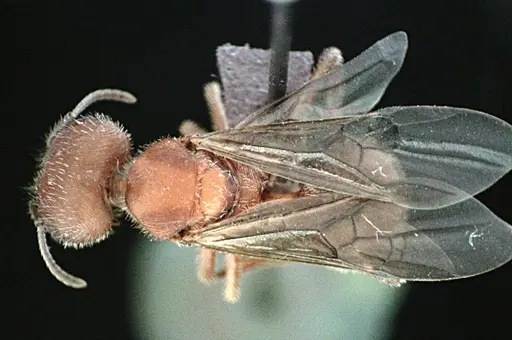
ANTWEB1041487
View on AntWeb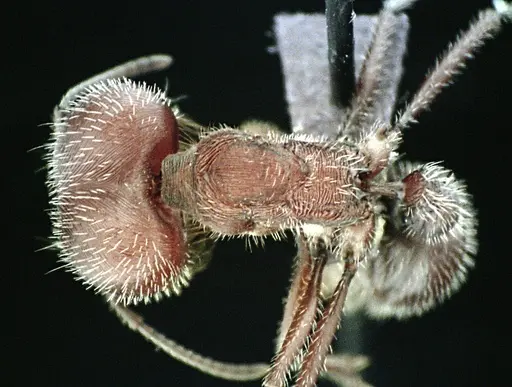
ANTWEB1041488
View on AntWeb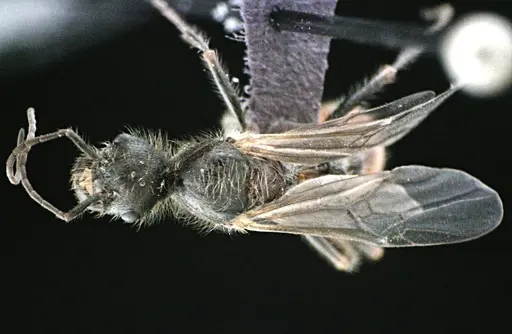
CASENT0103056
View on AntWeb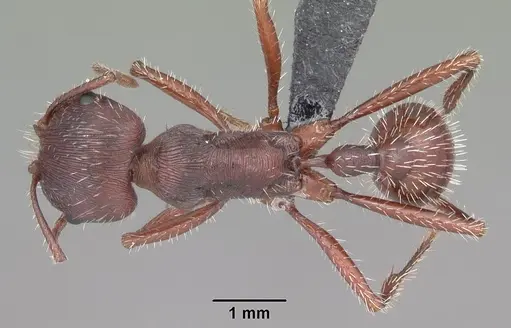
CASENT0103057
View on AntWeb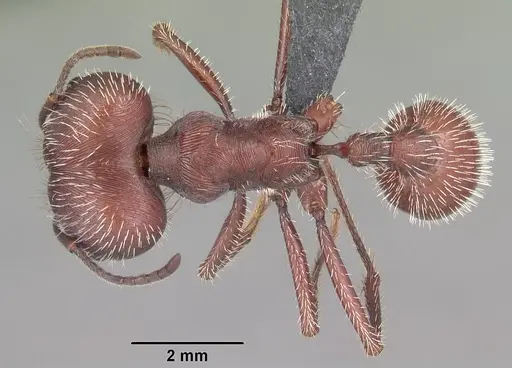
CASENT0104421
View on AntWeb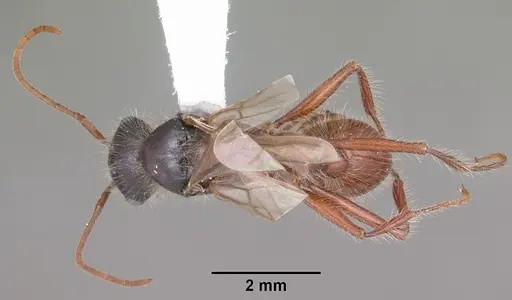
CASENT0104422
View on AntWeb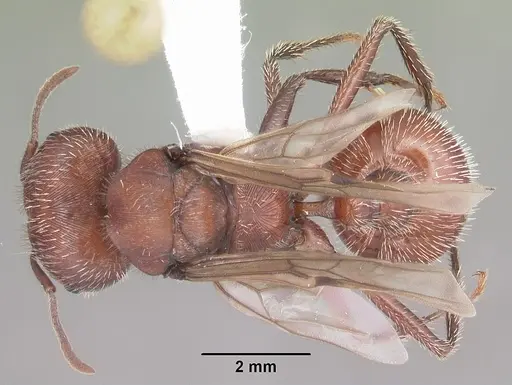
CASENT0104423
View on AntWeb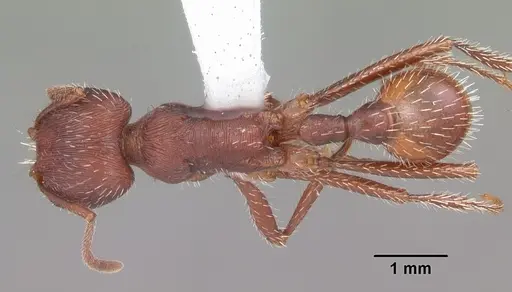
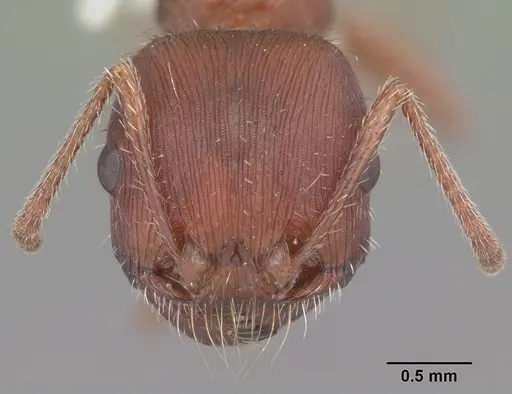
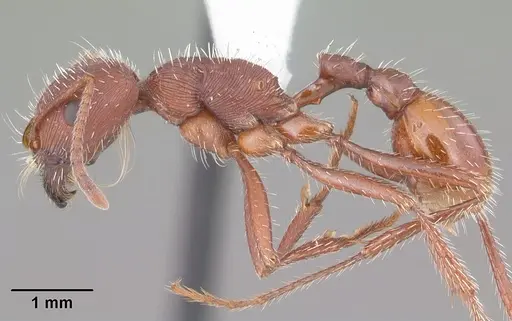
CASENT0104424
View on AntWeb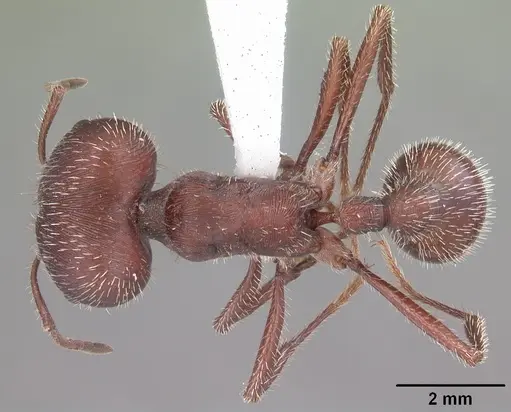
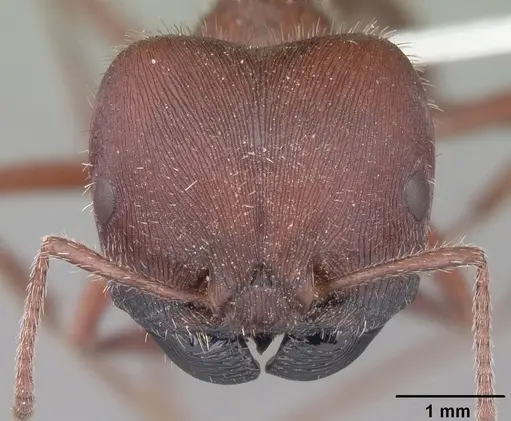
CASENT0281110
View on AntWeb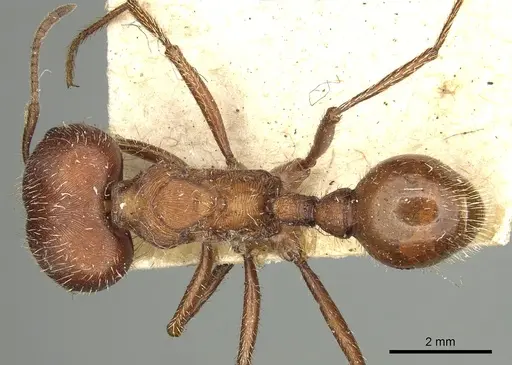
CASENT0900375
View on AntWeb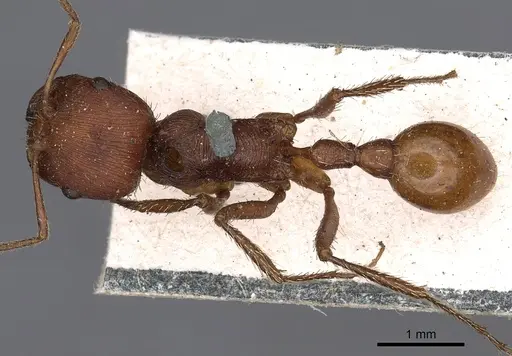
Literature
Loading distribution map...Loading products...