
Pogonomyrmex anzensis
- Sci. Name
- Pogonomyrmex anzensis
- Tribe
- Pogonomyrmecini
- Subfamily
- Myrmicinae
- Author
- Cole, 1968
- Distribution
- Found in 1 countries
Introduction
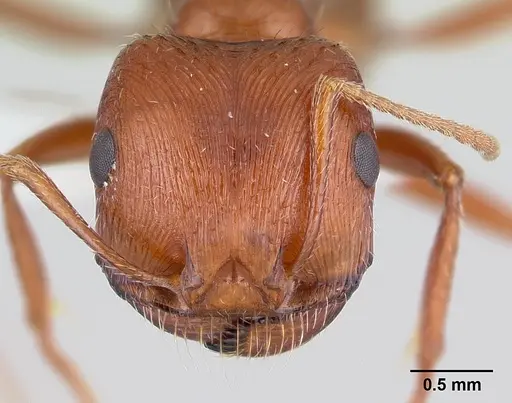
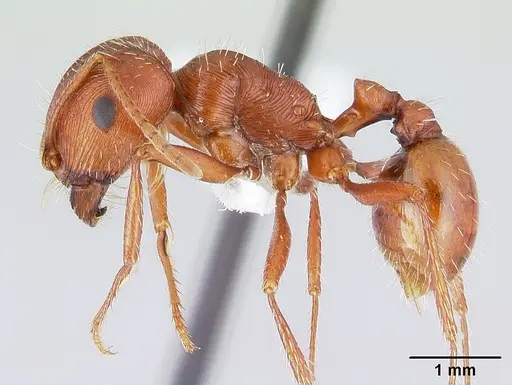
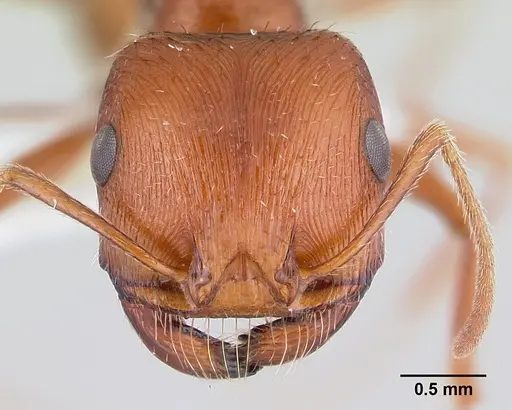
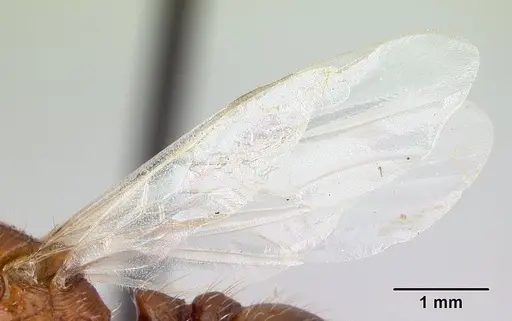
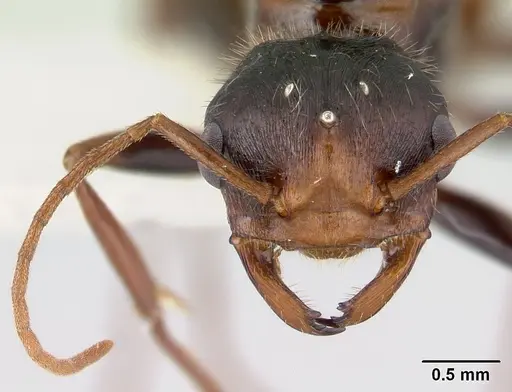
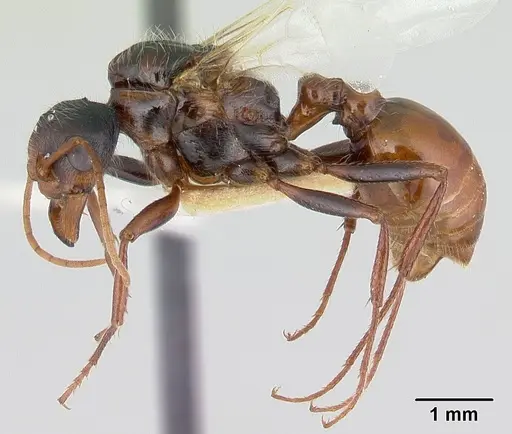
Pogonomyrmex anzensis is a small harvester ant native to the desert regions of San Diego County, California. Workers are distinctive for having only 6 teeth on their mandibles , and queens are about 6.8 mm total length . This species is geographically restricted to rocky hillsides in the Anza-Borrego Desert area, where it nests on steep, rocky slopes that other harvester ants avoid . What makes P. anzensis special is its docile nature. Unlike most harvester ants, this species runs away when disturbed. Workers are slow-moving and timid, and they rarely sting . Their venom is unusual: while more lethal per milligram, they produce much less venom overall, an adaptation to their harsh, predator-free environment .
Quick Summary
- Difficulty: Medium
- Origin & Habitat: Endemic to the Anza-Borrego Desert region in San Diego County, California, USA. Found on steep, rocky west to southwest-facing slopes at elevations around 150-500 feet, nesting under large partly buried boulders [1][2].
- Colony Type: Colony structure unconfirmed, likely monogyne based on genus patterns.
- Size & Growth:
- Antkeeping:
- Behavior: Extremely docile and non-aggressive. Workers are slow-moving and timid, foraging singly [3]. Sting risk is very low, they only sting when physically pressed against skin, and the pain is mild [3]. Escape risk is moderate due to small size.
- Common Issues: small colony size means slower population growth, be patient., desert species is sensitive to excess humidity, keep nesting area dry., docile nature may lead to bullying by more aggressive species if housed nearby., wild-caught colonies may be difficult to find due to extremely limited range.
Housing and Nest Setup
Pogonomyrmex anzensis does well in Y-tong (AAC) nests or plaster formicariums. In the wild, they nest under large partly buried boulders on rocky slopes, with entrances that are virtually invisible [1][2]. For captivity, use a nest with tight chambers scaled to their small size. The outworld should be dry and desert-like, a sandy substrate works well. Provide a water tube for drinking and a small dish for sugar water or honey. Standard escape prevention with fluon on test tube rims is sufficient, but fine mesh is recommended given their small size [1].
Feeding and Diet
Like other harvester ants, P. anzensis is primarily a seed collector and general scavenger. They gather seeds from desert vegetation and scavenge dead insects. In captivity, offer a mix of grass seeds, bird seed, or specialized ant seeds as their primary food. Supplement with small insects like fruit flies, small mealworms, or cricket pieces. They have been observed collecting leaf pieces from Brittlebush in the wild [1]. Provide protein roughly twice per week and ensure seeds are always available.
Temperature and Heating
These are desert ants from hot rocky slopes. Keep the nest warm, roughly 24-30°C, based on their natural habitat on hot south-facing slopes [4]. Provide a temperature gradient allowing workers to self-regulate. Avoid temperatures below 20°C for extended periods except during hibernation, if applicable.
Hibernation and Seasonal Care
Hibernation is unknown for this species, no data on diapause in research. If keeping in temperate climates, observe colony behavior and adjust care based on activity levels.
Behavior and Handling
This species is exceptionally docile compared to other harvester ants. Workers are slow-moving and forage singly rather than in recruitment trails. When threatened, they run around excitedly before retreating underground. Sting incidents are extremely rare, the few stings that occurred happened when ants were pressed directly against skin [3]. The venom is milder than most Pogonomyrmex species, causing only mild pain and a small reddened area in humans.
Unique Venom Characteristics
Pogonomyrmex anzensis has unusual venom: while more lethal per milligram, they produce much less venom overall, venom reservoirs are often half-full or less [3]. This is an adaptation to their harsh desert environment where predators are absent. For keepers, this means stings are rare and mild.
Colony Establishment
Starting a colony can be challenging due to the species' limited range. Queens are small (6.8 mm) and founding behavior is unconfirmed. The founding chamber should be small and dark. Growth is moderate, colonies may take time to reach 100+ workers. Patience is key. If obtaining a wild-caught queen, ensure proper collection permits. [1]
Frequently Asked Questions
How long does it take for Pogonomyrmex anzensis to get their first workers?
Unknown, no development data available for this species in research.
Do Pogonomyrmex anzensis ants sting?
Yes, but rarely and mildly. They are extremely hesitant to sting and will only do so when physically pressed against skin. The sting pain is much milder than other harvester ants [3].
Are Pogonomyrmex anzensis good for beginners?
Medium difficulty. They are forgiving in terms of temperament but require proper desert conditions, low humidity and warm temperatures. Their slow growth and small colony size require patience.
What do Pogonomyrmex anzensis eat?
They are generalized seed collectors and scavengers. Offer a variety of seeds as a staple, supplemented with small insects [1].
How big do Pogonomyrmex anzensis colonies get?
Colonies are relatively small. Wild colonies have been documented at around 170 workers [1].
Do Pogonomyrmex anzensis need hibernation?
Unknown, no data on hibernation in research.
Can I keep multiple Pogonomyrmex anzensis queens together?
Unconfirmed, likely monogyne based on genus patterns, so multiple queens may fight.
Why are my Pogonomyrmex anzensis dying?
Common causes include excess humidity (they're desert ants, keep nesting area dry), temperatures too low (they need warm conditions), poor nutrition, or stress from disturbance.
What makes Pogonomyrmex anzensis different from other harvester ants?
Their docile nature, they run away rather than defend their nest aggressively. They also have only 6 teeth on their mandibles, nest on rocky slopes, and produce unusually small amounts of highly potent venom [1][3].
When should I move Pogonomyrmex anzensis to a formicarium?
Wait until the colony has at least 30-50 workers and is actively using a test tube setup. Harvester ants generally do well in test tubes for extended periods.
What is the best nest type for Pogonomyrmex anzensis?
Y-tong (AAC) nests or plaster formicariums work well. The key is providing dry nesting conditions [1].
Report an Issue
The current care sheet is based fully on literature. See inconsistencies, or something that's incorrect? Please , it will be resolved after review from an admin. Contributing to the blogs tab also helps providing information, to make us be able to further improve the caresheets. Thank you for your support!
References

This caresheet is licensed under CC BY-SA 4.0 .
Community Blogs
CASENT0005714
View on AntWeb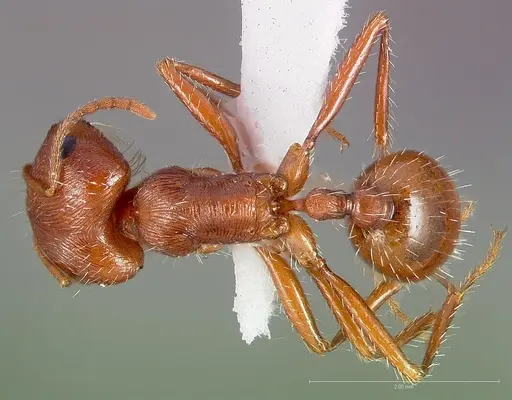
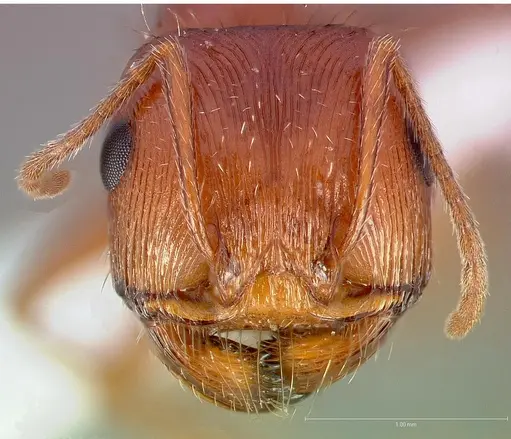
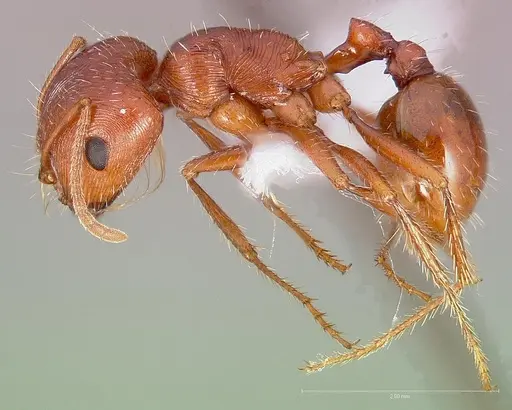
CASENT0179510
View on AntWeb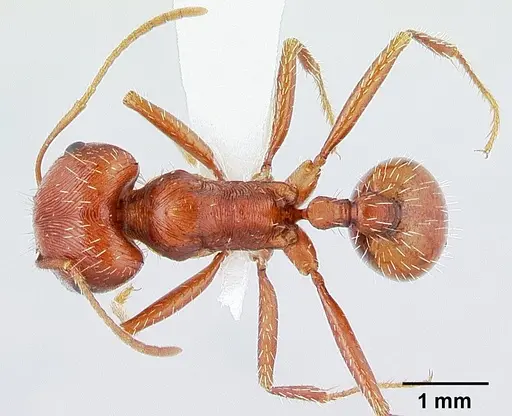
CASENT0179511
View on AntWeb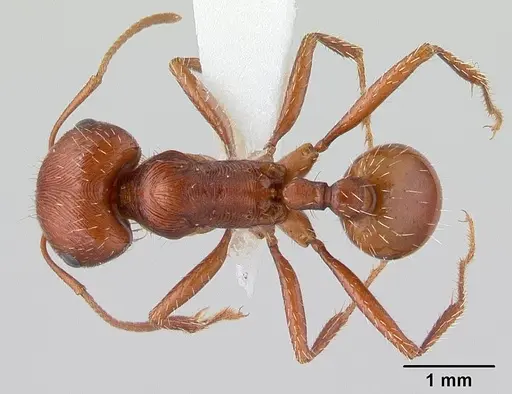
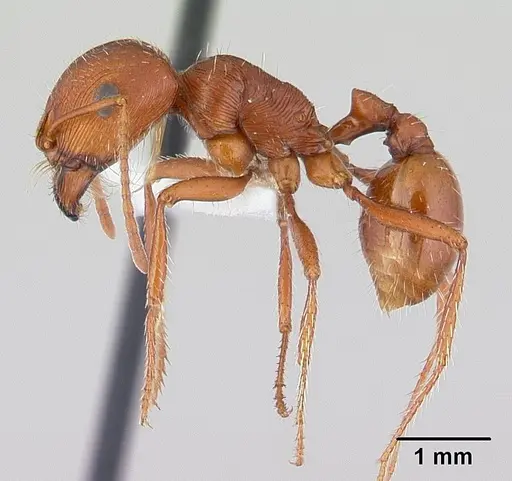
CASENT0179513
View on AntWeb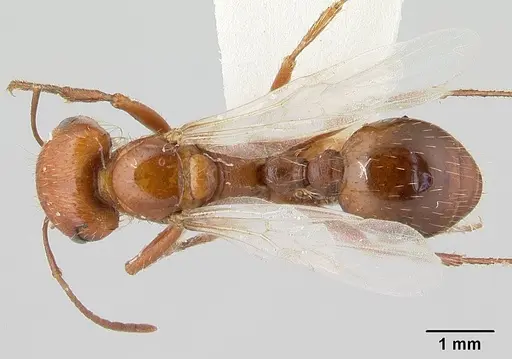
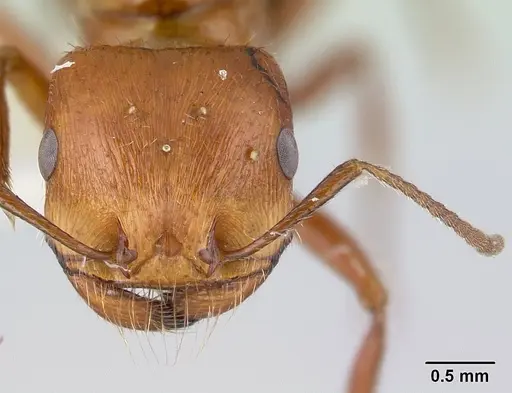
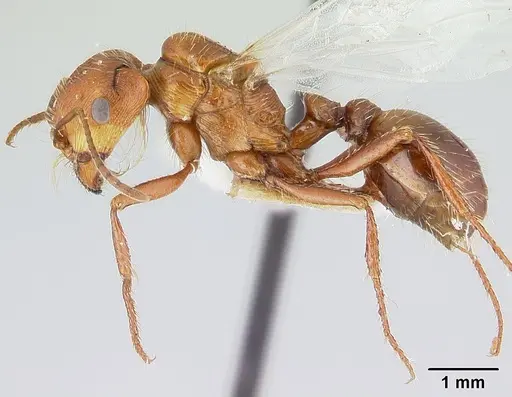
CASENT0179514
View on AntWeb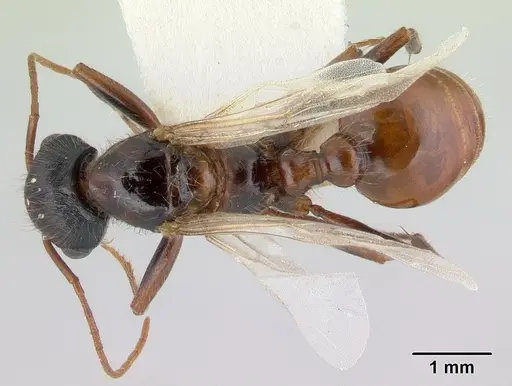
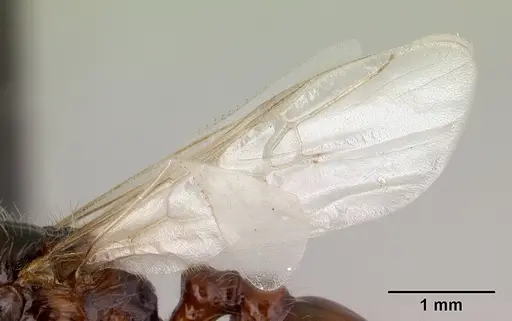
CASENT0217278
View on AntWeb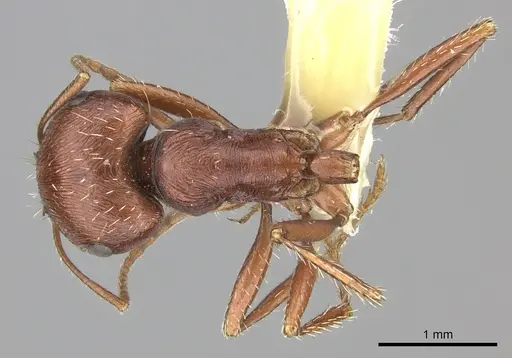
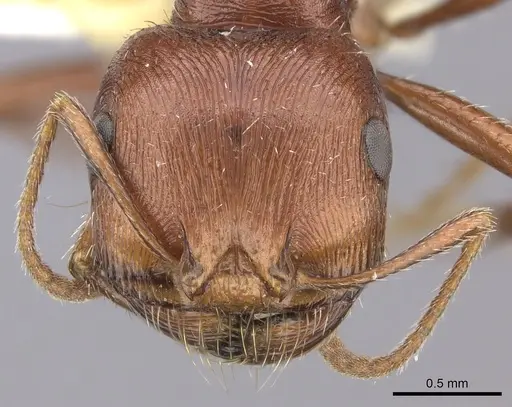
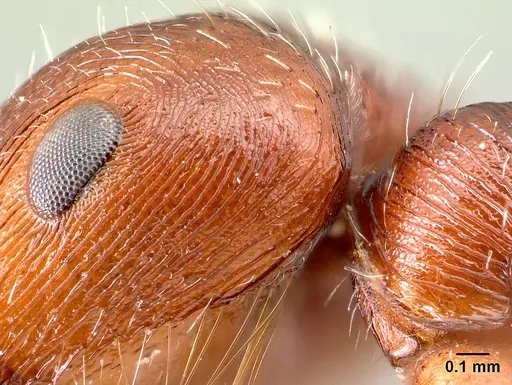
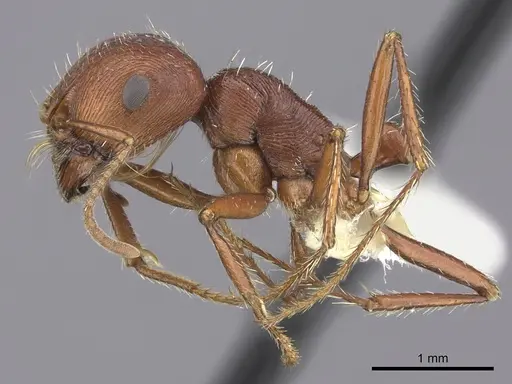
CASENT0235308
View on AntWeb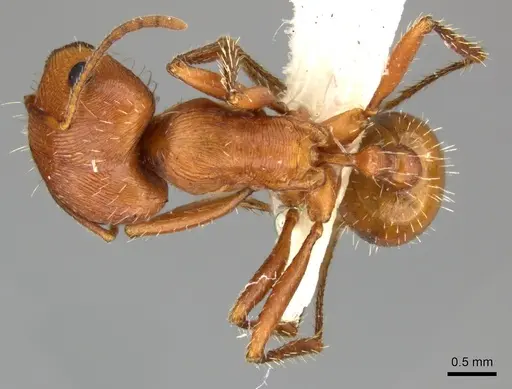
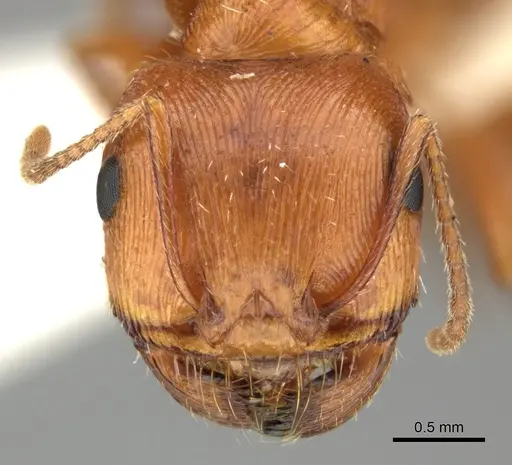
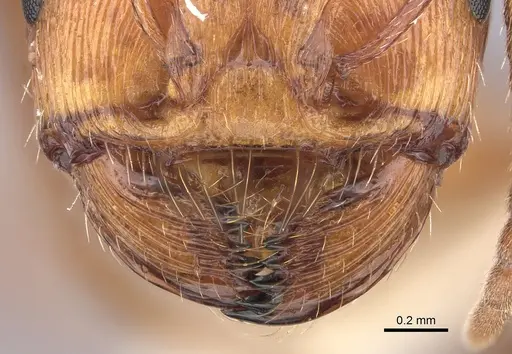
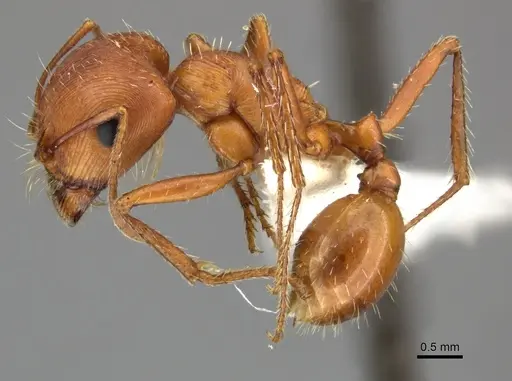
CASENT0235309
View on AntWeb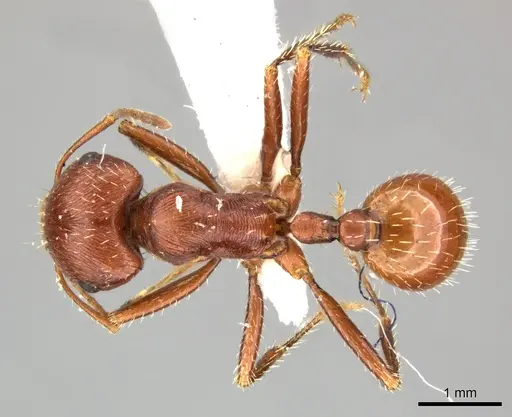
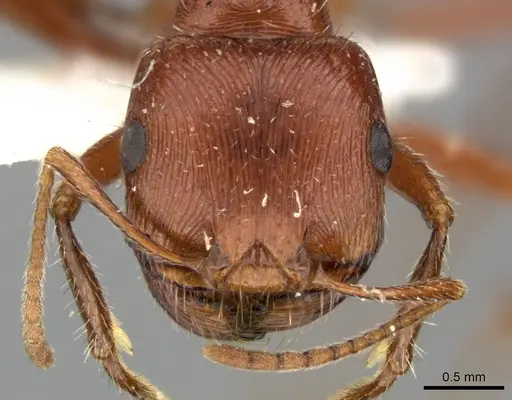
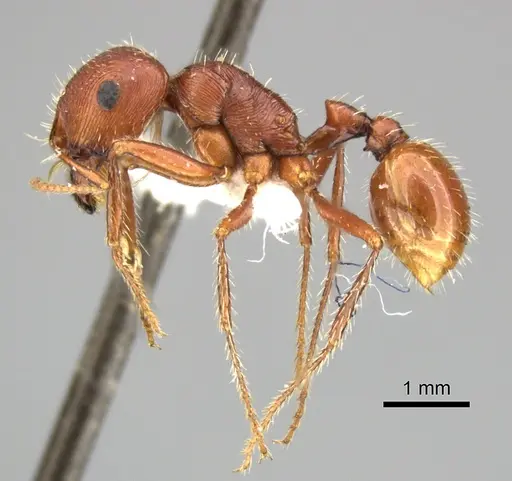
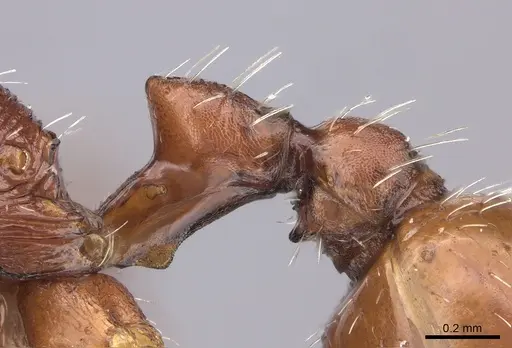
FMNHINS0000083122
View on AntWeb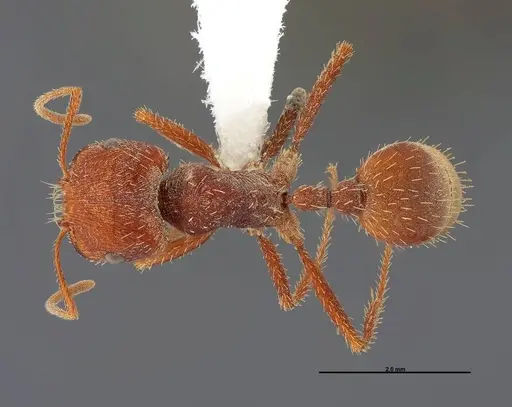
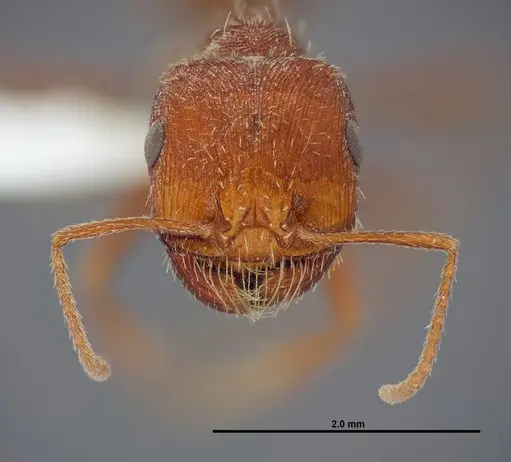
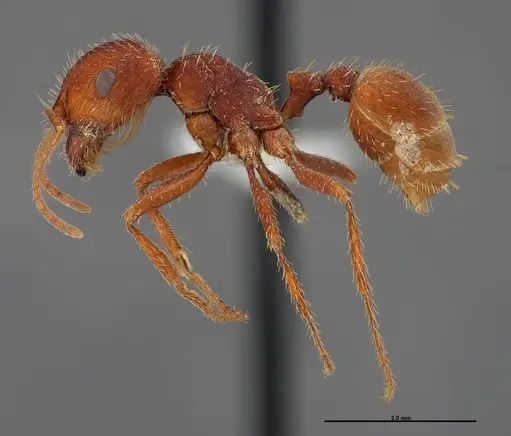
Literature
Loading distribution map...Loading products...