
Pogonomyrmex abdominalis
- Sci. Name
- Pogonomyrmex abdominalis
- Tribe
- Pogonomyrmecini
- Subfamily
- Myrmicinae
- Author
- Santschi, 1929
- Distribution
- Found in 2 countries
Introduction
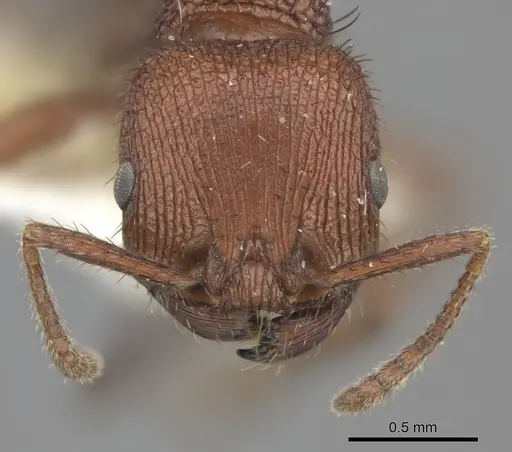
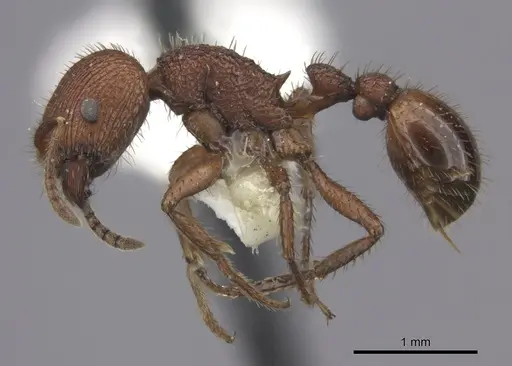
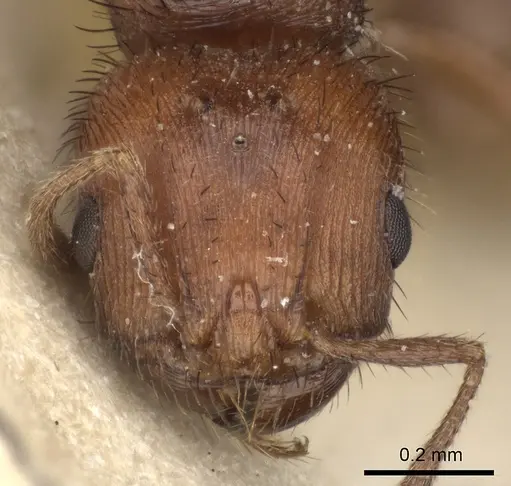
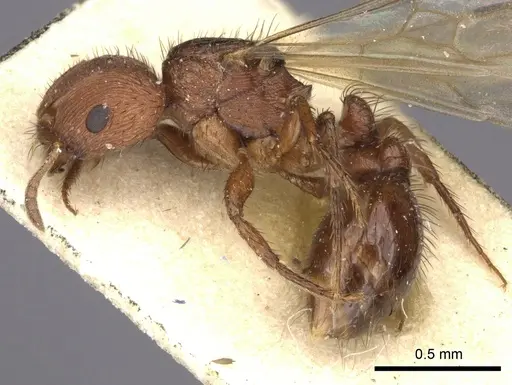
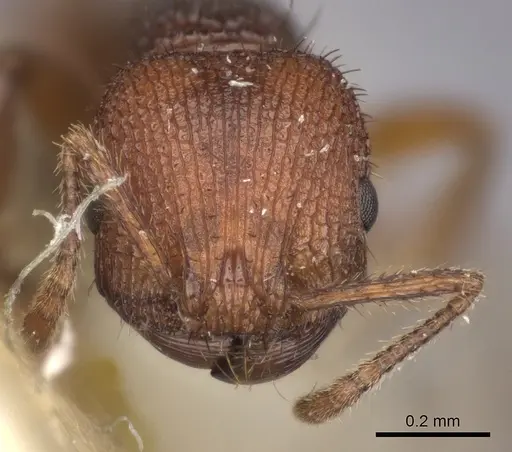
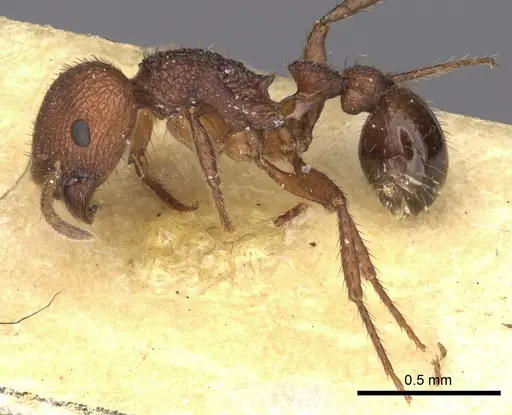
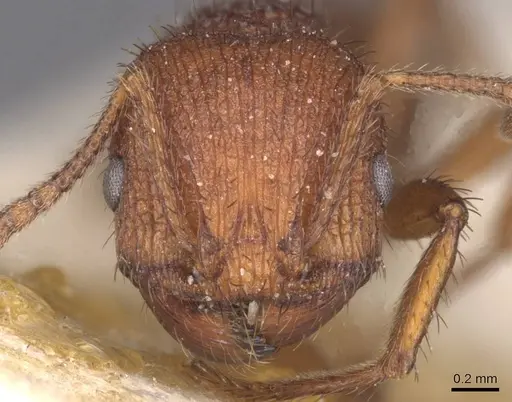
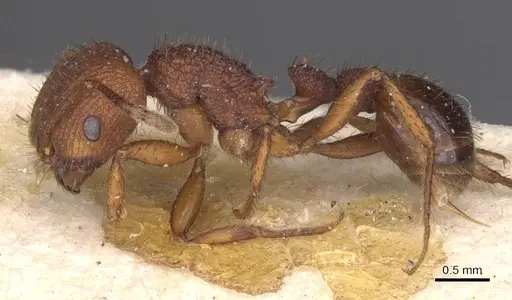
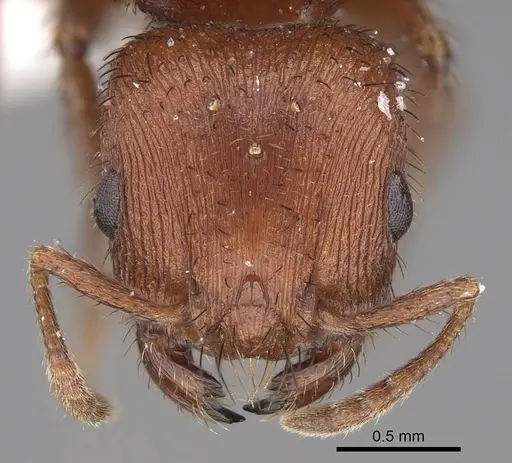
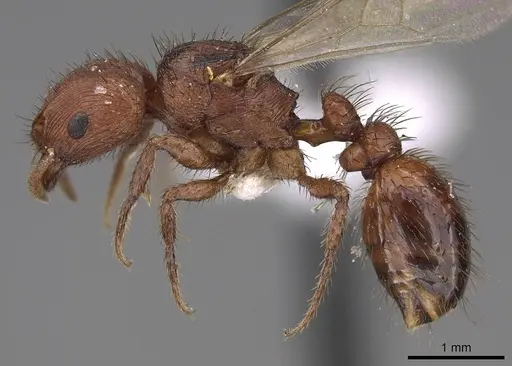
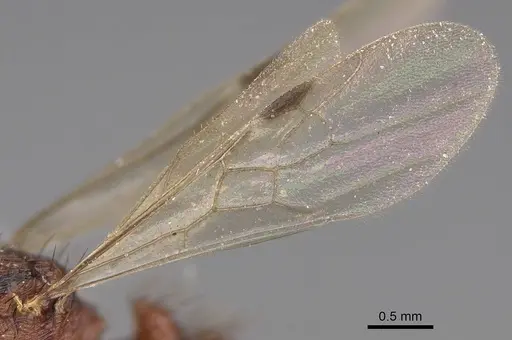
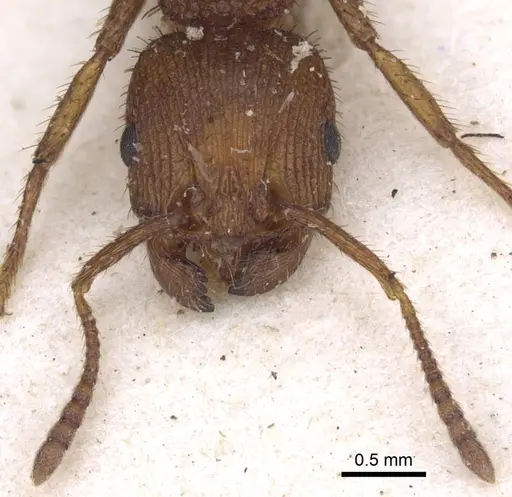
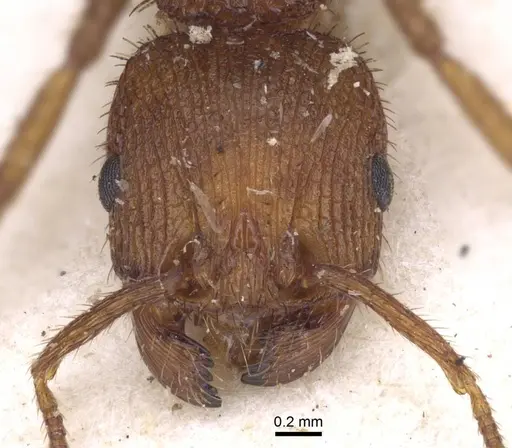
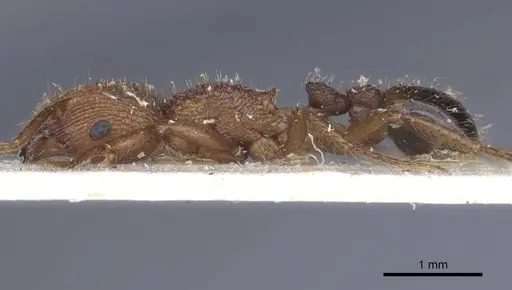
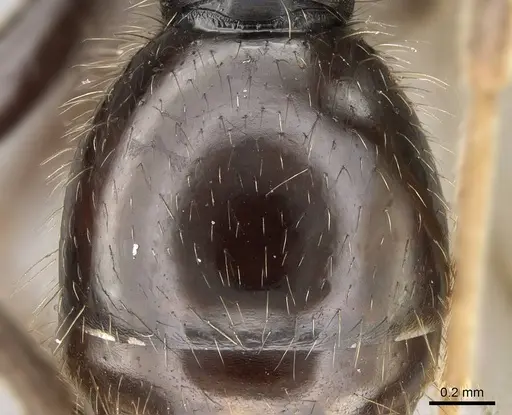
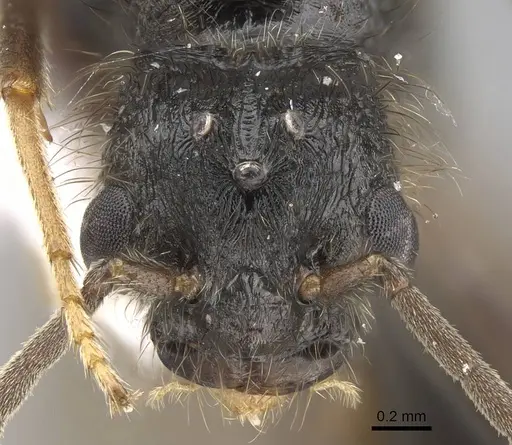
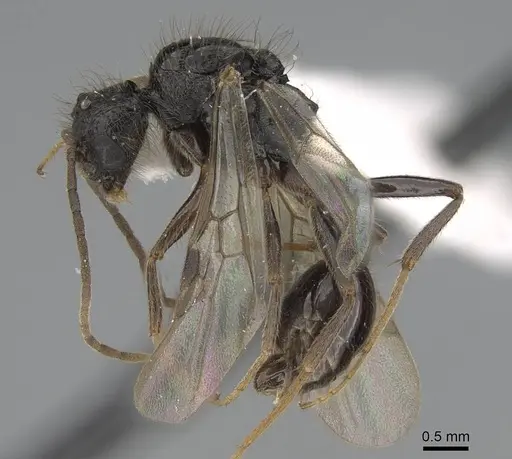
Pogonomyrmex abdominalis is a seed-harvester ant native to South America, found in Argentina, Bolivia, and Brazil . Workers have a robust, reddish-brown body with coarse rugae on the head, and the species is named for its enlarged postpetiole. Nests feature a tumulus up to 15 cm in diameter in open, grassy habitats at elevations of 10-1000 m . This species is a solitary forager, meaning workers search for food independently rather than using recruitment trails. It is classified as a Hot Climate Specialist, indicating a preference for warm conditions typical of its native range .
Quick Summary
- Difficulty: Medium
- Origin & Habitat: South America, Argentina, Bolivia, Brazil. Found in open, grassy, park-like habitats at elevations of 10-1000 m, across multiple ecoregions including Dry Chaco and Cerrado [1][2].
- Colony Type: Unconfirmed, based on Pogonomyrmex patterns, likely monogyne (single queen), but no species-specific data available [1].
- Size & Growth:
- Queen: Size data unavailable, no total length measurements provided in research [1].
- Worker: Size data unavailable, no total length measurements provided in research [1].
- Colony: Up to 500 workers [1].
- Growth: Moderate, estimated based on related Pogonomyrmex species.
- Development: Estimated 6-10 weeks based on genus patterns for Pogonomyrmex [1]. (Development time inferred from related species, specific data for P. abdominalis is not available.)
- Antkeeping:
- Temperature: Keep warm, roughly 24-28°C, as a Hot Climate Specialist [2][3]. Use a heating cable to create a gradient.
- Humidity: Provide a moisture gradient with a damp area (e.g., test tube reservoir) and a drier section, as they inhabit various ecoregions [1].
- Diapause: Unknown, no data on hibernation, as a tropical species, it may not require diapause, but keep warm year-round [1].
- Nesting: Y-tong or test tube setups work well, in the wild, they nest in soil with a tumulus. Provide sand or soil substrate for naturalistic setups [1].
- Behavior: Solitary foragers, workers search for seeds individually. Not aggressive but will defend the nest. Medium-sized workers pose moderate escape risks, use Fluon on container edges [1].
- Common Issues: limited availability in the antkeeping hobby, slow colony growth compared to other tropical species, specific temperature needs as a Hot Climate Specialist, possible parasites from wild-caught colonies, less dramatic foraging displays due to solitary behavior
Nest Preferences
In the wild, Pogonomyrmex abdominalis nests in soil with a tumulus up to 15 cm in diameter, preferring open, grassy habitats [1]. For captive care, use Y-tong or test tube setups. Provide a sandy soil mixture for tunneling if using a naturalistic nest. Maintain a moisture gradient with a damp area for water and a drier section for seed storage [1][2].
Feeding and Diet
As seed-harvester ants, they primarily collect and store seeds. Offer grass seeds, millet, or commercial ant seed mixes. Supplement with protein sources like fruit flies or pinhead crickets 2-3 times per week. Provide sugar water or honey occasionally. Remove uneaten seeds to prevent mold [1].
Temperature and Care
This species is a Hot Climate Specialist, so keep nest temperatures warm, roughly 24-28°C [2][3]. Use a heating cable on one side to create a gradient. Monitor colony activity, if workers cluster near heat, increase temperature slightly. Room temperature alone may be insufficient in cooler climates [2][3].
Behavior and Temperament
Workers are solitary foragers, searching for seeds individually rather than forming trails. They are not aggressive but will defend the nest. Medium-sized workers can escape through small gaps, so use Fluon barriers. Colonies reach up to 500 workers, making them moderate-sized for Pogonomyrmex [1].
Colony Founding
Founding behavior is unconfirmed. Alate queens were collected in February, suggesting nuptial flights during the austral summer [1]. Related species produce ergatoid (wingless) replacement queens, so P. abdominalis may have similar behavior, but this is not confirmed [1].
Growth and Development
Colony growth is moderate, reaching up to 500 workers [1]. Egg-to-worker development is estimated at 6-10 weeks based on related species, but specific data is unavailable. Brood development benefits from warm temperatures. Nanitic workers are smaller than mature workers [1].
Frequently Asked Questions
How long does it take for Pogonomyrmex abdominalis to produce first workers?
Estimated 6-10 weeks from egg to first worker based on related Pogonomyrmex species. Exact timing depends on temperature and food availability [1].
Can I keep Pogonomyrmex abdominalis in a test tube?
Yes, test tubes work well for founding colonies. Use a test tube with a water reservoir connected to a cotton ball for humidity. Upgrade to a Y-tong or formicarium as the colony grows [1].
What do Pogonomyrmex abdominalis eat?
They are seed-harvester ants. Offer seeds as the primary food, supplemented with small insects for protein 2-3 times per week. Occasional sugar water is accepted [1].
Are Pogonomyrmex abdominalis good for beginners?
Difficulty is medium. They require warm temperatures and are less common in the hobby. Their moderate growth rate may challenge beginners, but they are manageable once requirements are met [1].
How big do Pogonomyrmex abdominalis colonies get?
Colonies reach up to 500 workers, which is moderate for Pogonomyrmex species [1].
Do Pogonomyrmex abdominalis need hibernation?
No specific data, as a tropical species, hibernation is likely not required. Keep warm year-round [1].
When do Pogonomyrmex abdominalis have nuptial flights?
Based on queen collections in February, mating flights occur during the austral summer (December-February) [1].
Can I keep multiple Pogonomyrmex abdominalis queens together?
This species is likely monogyne (single queen). Combining unrelated queens is not recommended, as they would likely fight. Ergatoid replacement queens, if present, serve as internal replacements, not additional egg-layers [1].
What temperature do Pogonomyrmex abdominalis need?
Keep nest temperatures warm, roughly 24-28°C, as they are Hot Climate Specialists [2][3]. Use a heating gradient for optimal brood development.
Why are my Pogonomyrmex abdominalis dying?
Common causes include temperatures too low, improper humidity, mold from uneaten food, or parasites from wild-caught colonies. Ensure proper temperature gradient and clean food sources [1].
When should I move Pogonomyrmex abdominalis to a formicarium?
Move from test tube to Y-tong or formicarium when the colony reaches 50-100 workers or when the test tube becomes crowded. Ensure appropriate humidity and temperature control [1].
Report an Issue
The current care sheet is based fully on literature. See inconsistencies, or something that's incorrect? Please , it will be resolved after review from an admin. Contributing to the blogs tab also helps providing information, to make us be able to further improve the caresheets. Thank you for your support!
References

This caresheet is licensed under CC BY-SA 4.0 .
Community Blogs
CASENT0235283
View on AntWeb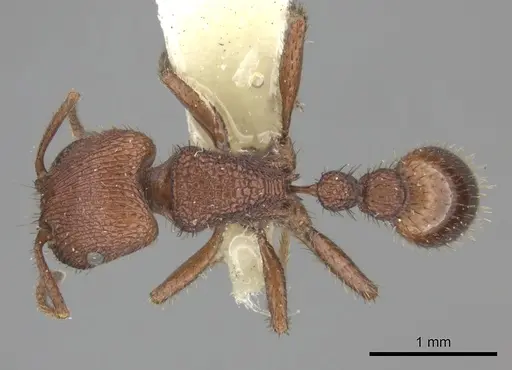
CASENT0235284
View on AntWeb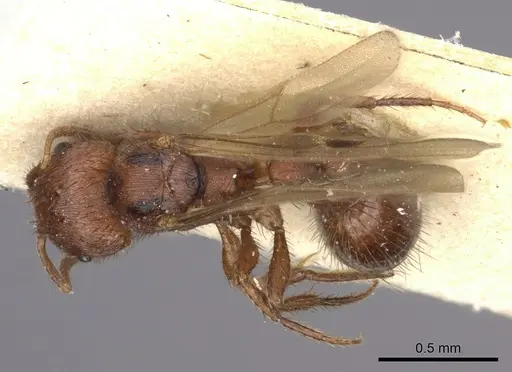
CASENT0235285
View on AntWeb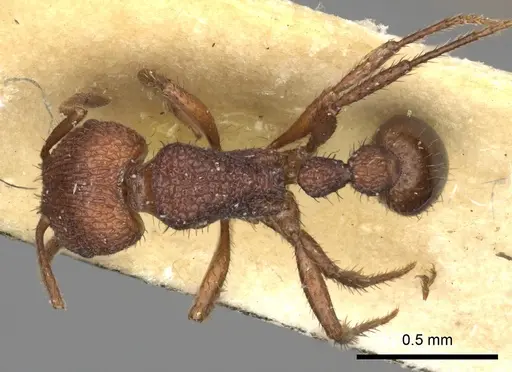
CASENT0913090
View on AntWeb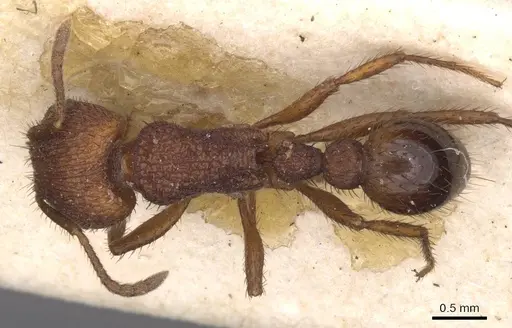
CASENT0914378
View on AntWeb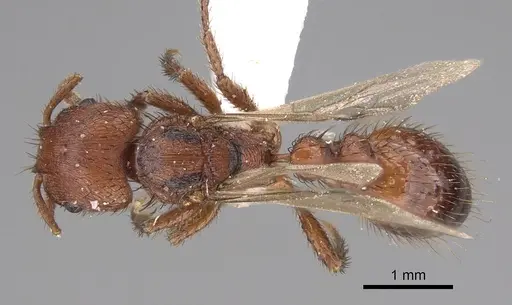
CASENT0914813
View on AntWeb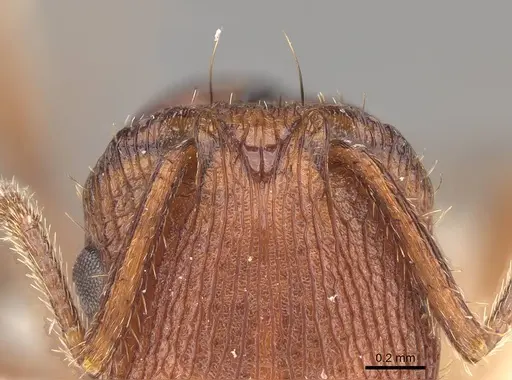
CASENT0916915
View on AntWeb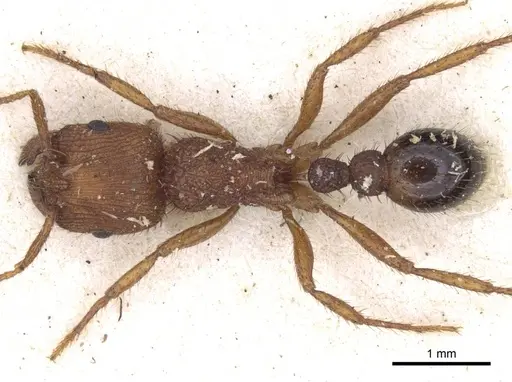
CASENT0922554
View on AntWeb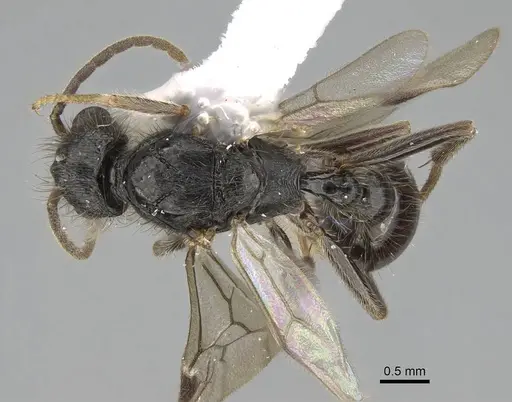
Literature
Loading distribution map...Loading products...