
Platythyrea tricuspidata
- Sci. Name
- Platythyrea tricuspidata
- Tribe
- Platythyreini
- Subfamily
- Ponerinae
- Author
- Emery, 1900
- Distribution
- Found in 2 countries
Introduction
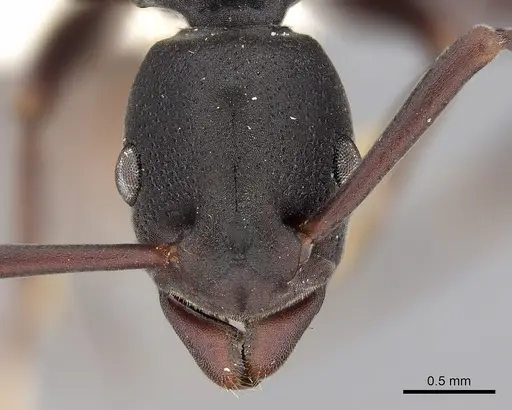
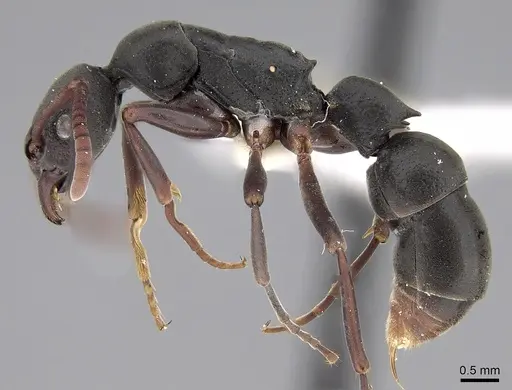
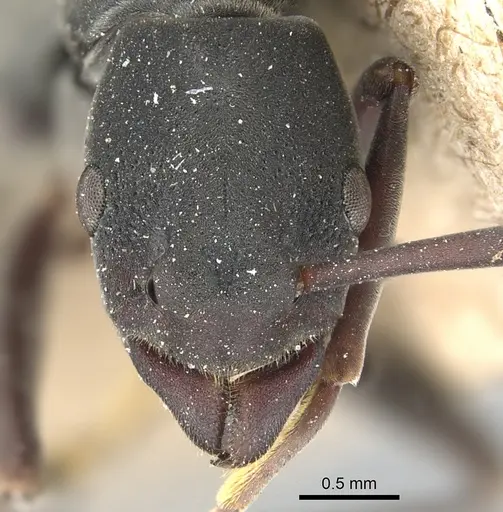
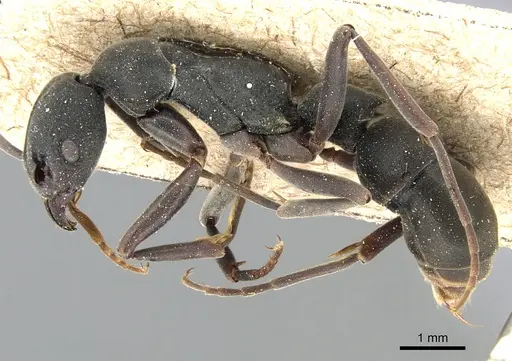
Platythyrea tricuspidata is a small to medium-sized ant in the subfamily Ponerinae, native to Southeast Asia including Borneo, Indonesia, Malaysia, and Thailand . Workers have a distinctive petiole with three spines, as described in the species diagnosis . Size data for this species is unavailable from current literature. This species belongs to the P. parallela group, which exhibits unusual reproductive biology. Studies show that reproduction can occur through dealated queens and potentially workers, in addition to typical winged queens .
Quick Summary
- Difficulty: Medium
- Origin & Habitat: Native to Southeast Asia, found in tropical forests nesting in rotting wood or under bark [1][2].
- Colony Type: Unconfirmed, no specific data on queen number, but based on Ponerinae patterns, likely single-queen colonies.
- Size & Growth:
- Queen: Size data unavailable
- Worker: Size data unavailable
- Colony: Colonies can reach several hundred workers, but no specific maximum is documented.
- Growth: Moderate
- Development: Estimated 8-12 weeks at tropical temperatures, inferred from Ponerinae patterns. (Development is slower than many ant genera, maintain stable warmth and humidity.)
- Antkeeping:
- Temperature: Keep at warm temperatures, roughly 24-28°C, as this is a tropical species. No specific data, so maintain stable conditions.
- Humidity: Keep nest substrate consistently moist but not waterlogged, as this species is adapted to humid tropical forests.
- Diapause: No, tropical species does not require hibernation.
- Nesting: Use Y-tong (AAC), plaster, or soil nests that hold humidity. Provide a foraging area with a slight moisture gradient.
- Behavior: Workers have a functional sting and are active hunters. They are not aggressive toward humans but will defend the nest if threatened. Escape risk is moderate due to their size.
- Common Issues: cold temperatures can slow or stop brood development, keep warm year-round., dry conditions will cause colony decline, maintain high humidity., slower development requires patience, avoid overfeeding., sting can cause discomfort, handle with care., limited availability in hobby, established colonies may be hard to find.
Housing and Nest Setup
Platythyrea tricuspidata does well in naturalistic setups that replicate their humid tropical forest habitat. Use a mix of soil and sand as substrate, keeping it consistently moist. Add pieces of rotting wood or bark for nesting. Alternatively, use a Y-tong nest with a hydration chamber. Cover the nest to create dark, enclosed spaces. Always provide a water source in the outworld [2].
Feeding and Diet
As predatory ants, they hunt small invertebrates. Offer live prey like fruit flies, small crickets, and mealworms. They may also accept protein foods like boiled eggs. Feed 2-3 times per week, removing uneaten prey after 24-48 hours.
Temperature and Seasonal Care
This species requires warm temperatures year-round. Keep the nest area at 24-28°C. Use a heating cable if needed. No hibernation required.
Behavior and Handling
Workers have a functional sting and are active hunters. They are not aggressive but will defend the nest. Handle with care to avoid stings.
Reproduction and Colony Growth
The P. parallela group shows unusual reproductive biology. Studies indicate reproduction can occur through dealated queens and workers [4]. Nuptial flight timing is unknown. Colony growth is moderate.
Frequently Asked Questions
How long does it take for Platythyrea tricuspidata to get their first workers?
Estimated 8-12 weeks from egg to worker at tropical temperatures, inferred from Ponerinae patterns.
Do Platythyrea tricuspidata ants sting?
Yes, based on Ponerinae characteristics, they have a functional sting.
What do Platythyrea tricuspidata eat?
They are predators that hunt small invertebrates. Offer live prey like fruit flies, small crickets, and mealworms.
Are Platythyrea tricuspidata good for beginners?
This species is rated as medium difficulty due to specific humidity and temperature needs.
Do Platythyrea tricuspidata need hibernation?
No, they are a tropical species and do not require hibernation.
How big do Platythyrea tricuspidata colonies get?
Colonies can reach several hundred workers, but no specific maximum is documented.
Can I keep multiple Platythyrea tricuspidata queens together?
This is not recommended, as keeping multiple queens may result in fighting. Stick to single-queen colonies.
What humidity do Platythyrea tricuspidata need?
High humidity is critical, keep the nest substrate consistently moist but not waterlogged.
When should I move Platythyrea tricuspidata to a formicarium?
Wait until the colony has at least 20-30 workers before moving them to a larger setup.
Why is my Platythyrea tricuspidata colony declining?
Check temperature, humidity, and food supply. Cold or dry conditions are common causes of decline.
Report an Issue
The current care sheet is based fully on literature. See inconsistencies, or something that's incorrect? Please , it will be resolved after review from an admin. Contributing to the blogs tab also helps providing information, to make us be able to further improve the caresheets. Thank you for your support!
References

This caresheet is licensed under CC BY-SA 4.0 .
Community Blogs
CASENT0281865
View on AntWeb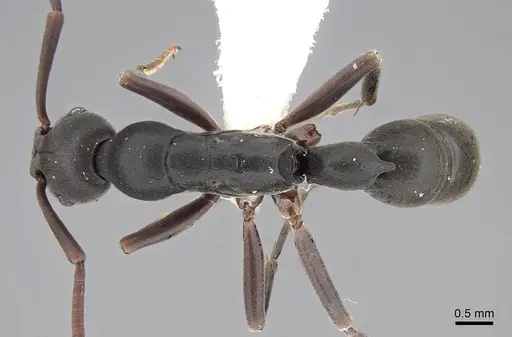
CASENT0903799
View on AntWeb
Literature
Loading distribution map...Loading products...